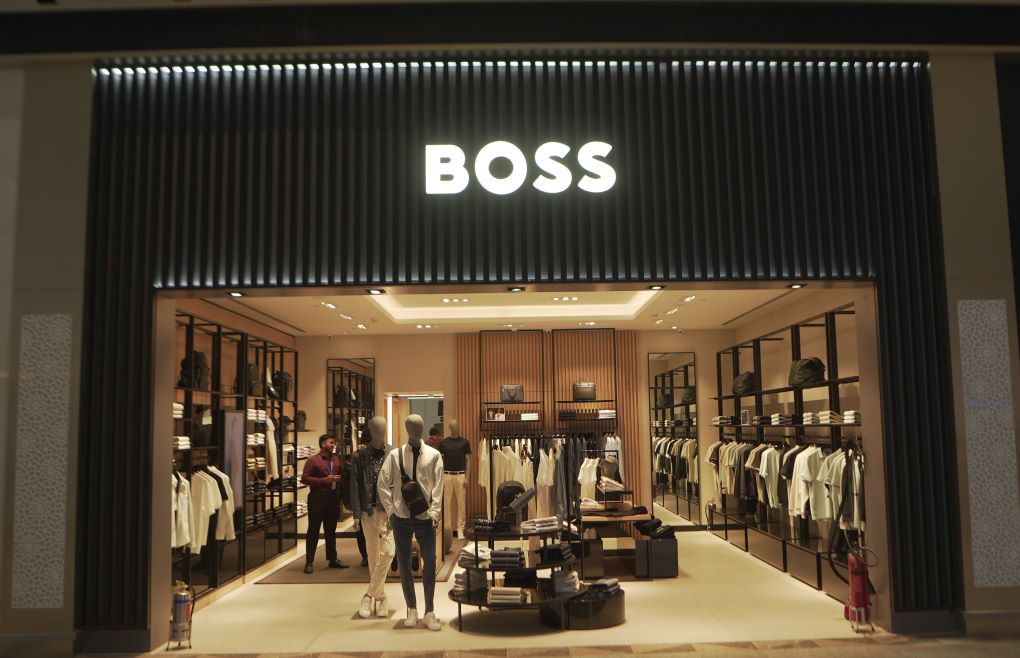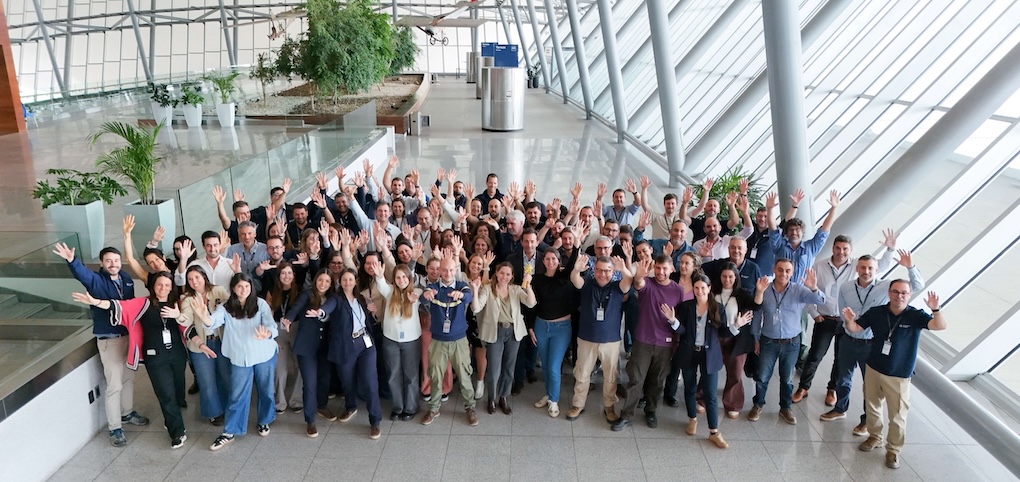


In this guest article, JFKIAT VP Customer Experience and Commercial Belinda Jain talks about a ‘new paradigm’ and the changing terminal economics around F&B and lounges. The backdrop is the consumer-led commercial transformation of New York JFK International Airport Terminal 4.
 Airport terminals are no longer passive transit spaces—they have become dynamic commercial ecosystems where every zone, from check-in, security, gate lounges to walk-in cafés, contributes to both revenue and reputation, writes Belinda Jain (right).
Within this evolving landscape, two formats— lounges (both airline lounges and common-use lounges) and food & beverage (F&B) outlets—are increasingly central to the passenger journey and the terminal’s commercial strategy.
What was once a clearly delineated relationship between the two is now being tested by overlapping service offers, shifting traveller preferences, and more flexible access models.
Traditionally, airline lounges served a specific, high-value segment: airline loyalty members and premium class passengers.
Common-use lounges, on the other hand, have emerged as versatile spaces open to a wider range of travellers – often accessible through credit card programmes, online reservations or walk-in fees. These lounges have expanded the definition of who qualifies for premium experiences inside terminals.
F&B outlets, by contrast, catered to the wider public, relying on visibility, dwell time, and impulse behaviour to drive spend. Today, the lines are blurring.
Lounges are expanding their reach through credit card memberships, airline overflow strategies, and paid access, while providing a wider range of both specialty sit-down dining concepts as well as grab & go options to flex their offerings to different passenger needs.
At the same time, airport F&B operators are trying to evolve their offerings to include curated menus, design-forward environments, and brand partnerships—occasionally overlapping with the types of experiences traditionally offered by lounges.
For airport executives and commercial developers, this shift introduces a new layer of complexity. The challenge is not simply maximising revenue per square metre—it is designing a terminal ecosystem where commercial formats complement rather than cannibalise one another, where traveller experience and delight align with commercial performance, and where flexibility does not come at the cost of clarity.
Lounges and F&B outlets now operate in a shared emotional and experiential space, and how airports manage this shared space will define both the terminal’s financial outcomes and its brand identity, as well as the financial viability of its lounge and F&B operators.
As the stewards of JFK Terminal 4 – the largest and busiest air terminal at New York’s JFK International Airport – our team at JFKIAT has consistently innovated T4’s lounge and F&B offerings over the past two decades to reflect our passengers’ evolving tastes and preferences, while anticipating their needs throughout their journey from curb to gate.
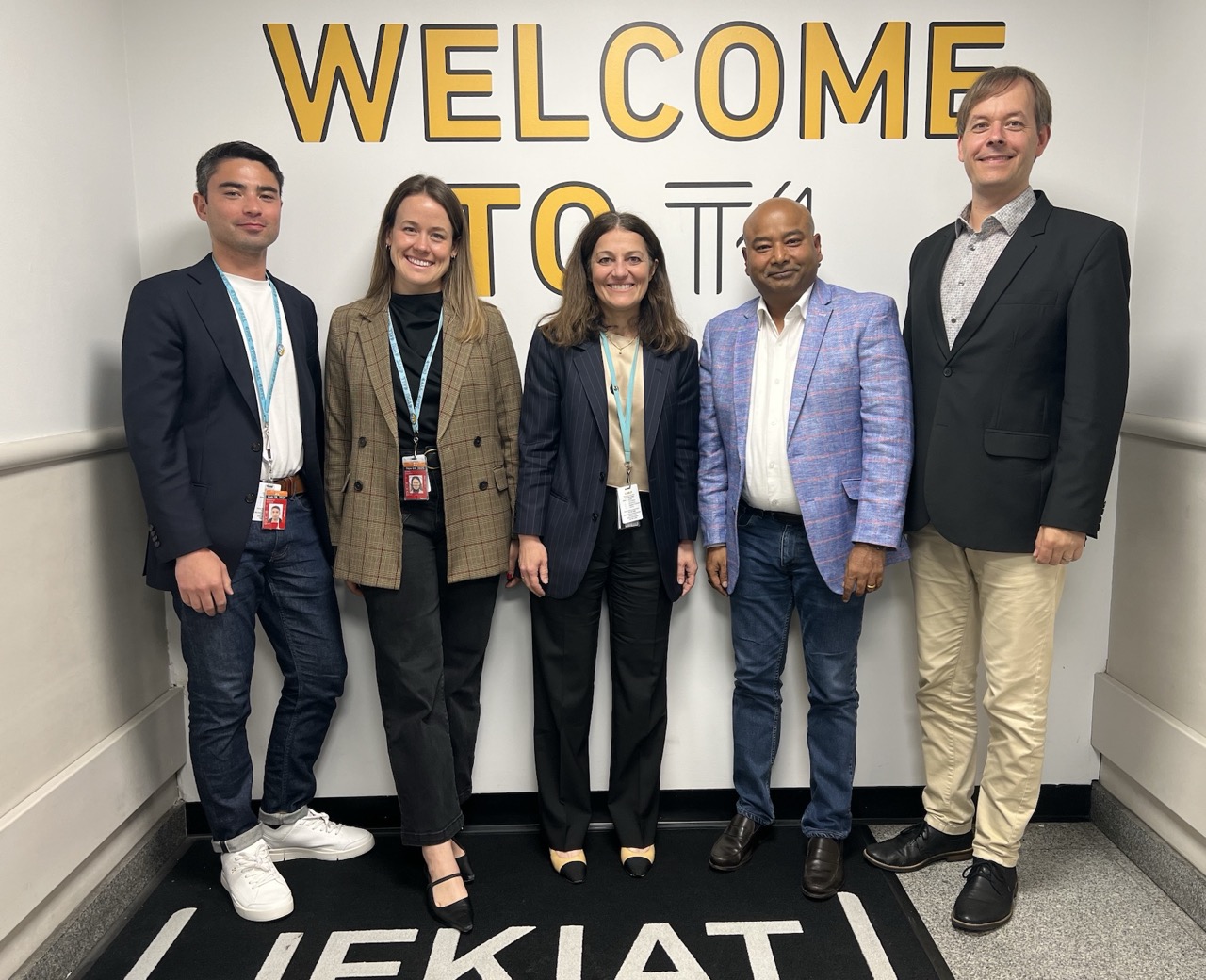
As the US$1.5 billion transformation of T4 continues to come to life, we are in the process of redefining our entire commercial programme – and along the way, we recognised the need for more comprehensive research to direct the future of both lounge and F&B offerings at airports.
Thanks to our collaboration with tRetail Labs and it’s nrtureAI platform, we had the opportunity to uncover insights that helped to serve as a guiding light in our critical decision-making to transform T4’s commercial programme; and to support the future success of air terminal operators in a rapidly shifting landscape, we see a way forward for its peers across the industry to take up this research as well.
Early signals
As one of North America’s most commercially active terminals, JFK T4 provided an early lens through which our team and tRetail Labs could observe how different lounge and F&B formats might influence passenger behaviour and commercial performance within a mixed-use terminal environment.
We worked closely with tRetail Labs to explore the potential relationship between newly introduced lounge formats and the surrounding F&B landscape.
Our early observations hinted at potential trends and pushed us to think about the roles that localised terminal dynamics, traveller profile and brand familiarity play in passengers’ choices.

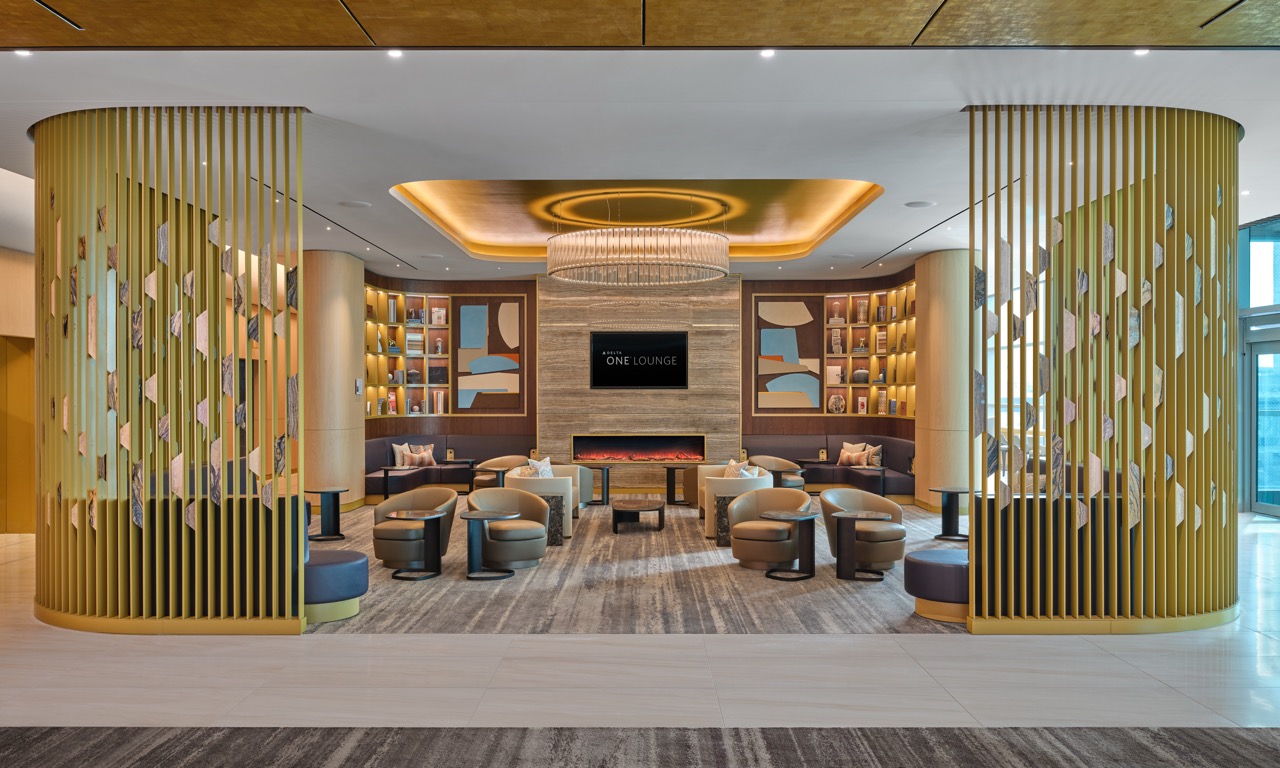
What emerged for us was a set of questions: What can we learn from passenger behaviours at lounges that can help to define our premium F&B experiences? How can common use lounges evolve to deliver more premium services? It is clear that there is a need for future studies that combine commercial performance data with behavioural, emotional and experiential analytics.
We also observed that future terminal strategies may need to account for experience layering, emotional state mapping and predictive modelling to protect and grow overall non-aeronautical revenue. What matters now is not only access models, but also the experiential and operational nuances that shape how F&B and lounges coexist within a modern terminal environment.
As access models blur and passenger expectations continue to evolve, the relationship between lounges and F&B is no longer siloed – and their interplay is forming an interconnected ecosystem that demands re-evaluation.
Planning for coexistence: Design, CX and commercial trade-offs
As airports rethink the role of space in driving non-aeronautical revenue, the question is no longer whether lounges and F&B compete, but rather, how to deliberately design for their coexistence. Lounges, especially those with broader access models, are no longer tucked away destinations for select travellers. Instead, they are visible, sometimes central and increasingly resemble public-facing hospitality environments.
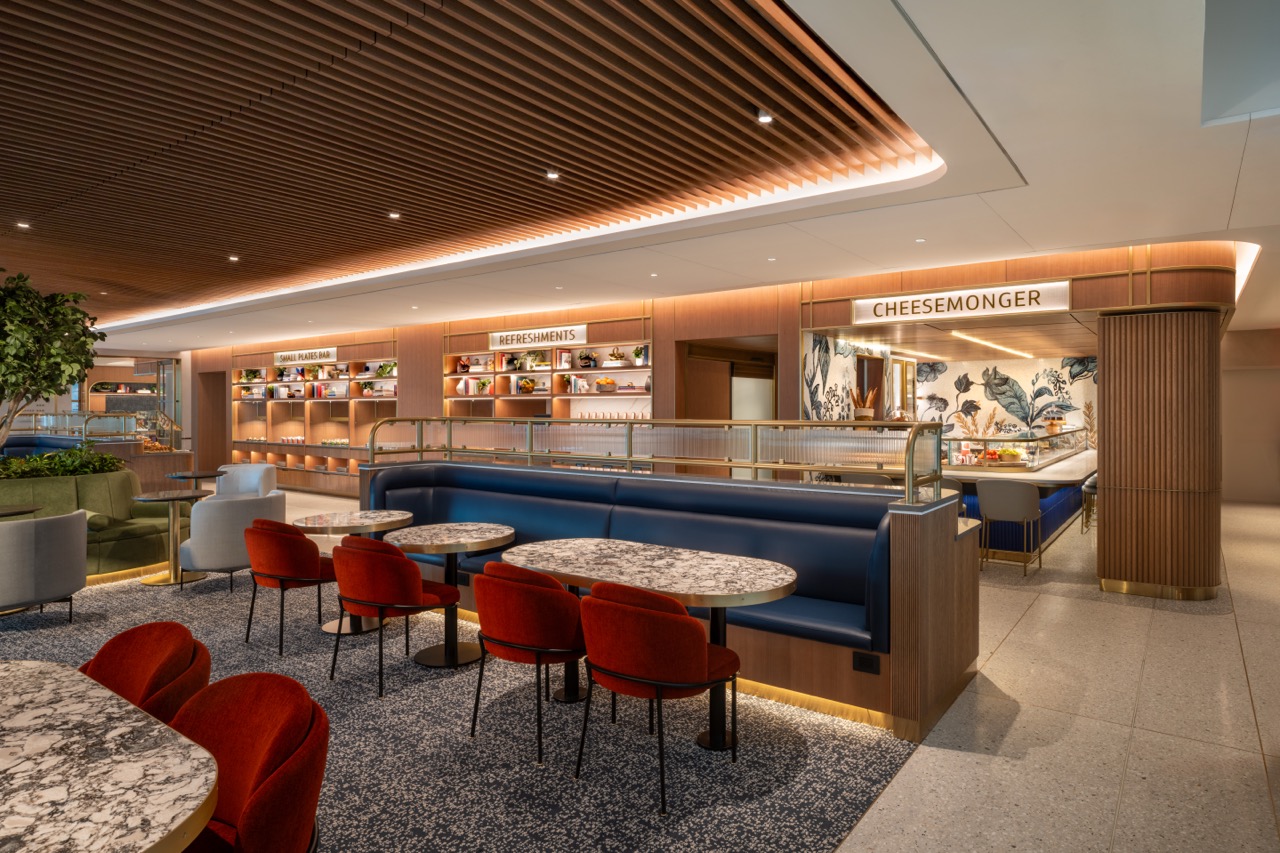
F&B outlets, in parallel, are also evolving to deliver more emotionally resonant experiences—yet their visibility and accessibility remain crucial for performance.
This evolving landscape demands a more integrated approach to terminal planning – which we have undertaken as T4 undergoes transformation – that includes both operational efficiency and emotional resonance as core metrics. Commercial teams, planners and architects must align on how customer segmentation and experience delivery interact to influence not just footfall— but decision-making, dwell time and emotional satisfaction.
Building alignment
If there is one consensus emerging from this evolving landscape, it is this: no single stakeholder—be it an airport operator, lounge provider or F&B concessionaire—has a complete view of the traveller’s emotional and commercial journey.
As formats blur and expectations diversify, collaboration is no longer optional; it is strategic.
The next phase of terminal planning and commercial innovation will demand more research from across our industry; not just shared data, but shared interpretation of shifting traveller moods, changing dwell behaviours, digital preferences and emerging formats. Air terminals can no longer afford to make spatial or commercial decisions in silos, nor can lounge and F&B operators continue operating without a clearer understanding of how their formats intersect, complement or occasionally compete.
Advancing Together: A collaborative approach
The evolving dynamics between lounges and F&B outlets offer both challenges and extraordinary opportunities. As passenger expectations continue to shift—from efficiency to immersion, from convenience to connection—the airport terminal must evolve into an experience ecosystem that is thoughtful, adaptive and emotionally intelligent. This means rethinking traditional binaries: exclusivity versus accessibility, utility versus delight, or revenue versus reputation.
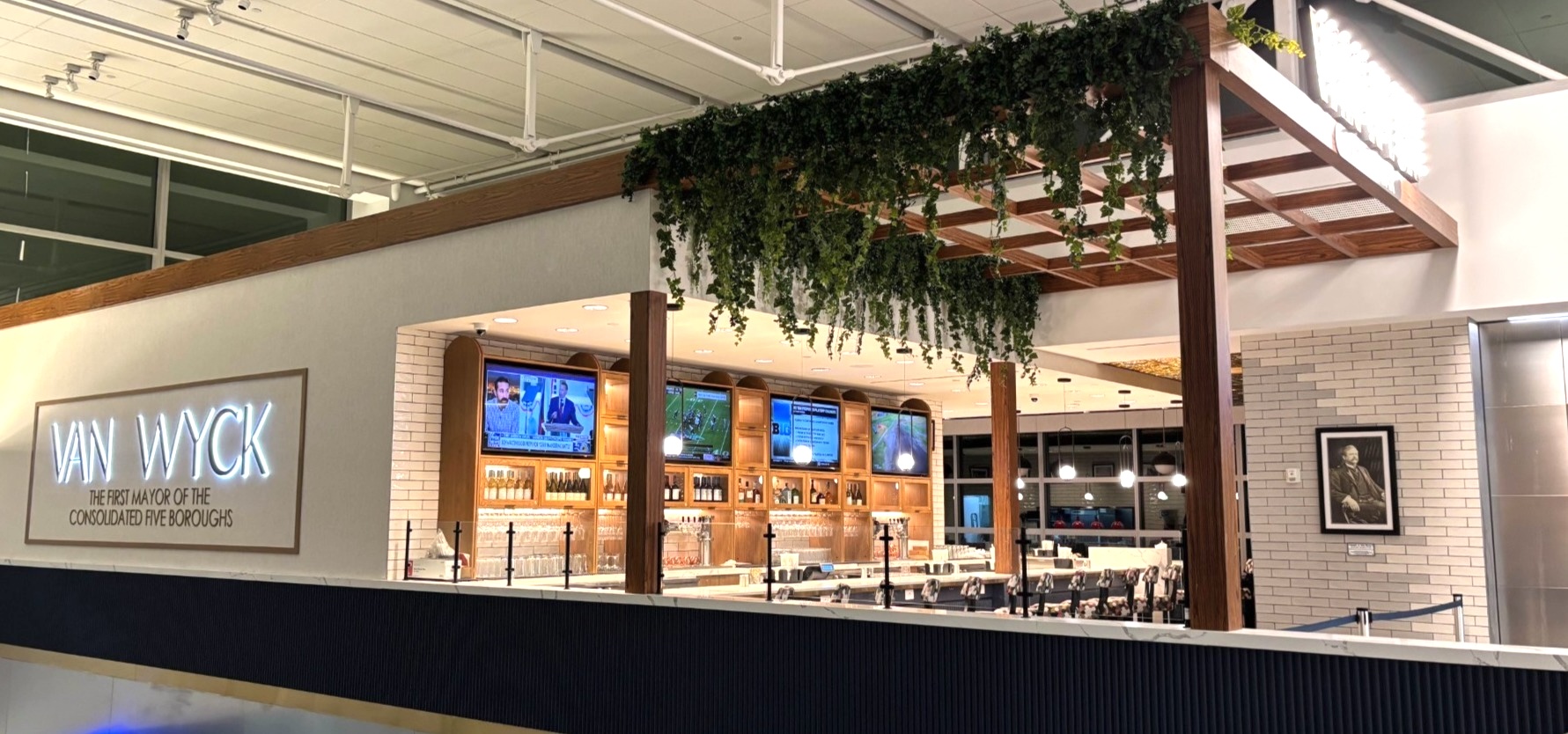
Designing future-ready terminals like T4 will require a broader lens—one that goes beyond short-term performance metrics to include long-term traveler loyalty, emotional brand equity, and the amplification of memorable journeys. Rather than designing for categories, airports will need to design for intent, state of mind and emotional need.
For our team at JFKIAT, this is not a one-time planning challenge; it is an ongoing strategic conversation. Every airport and air terminal operator will need to develop its own language of coexistence between lounges and F&B, tailored to its specific demographics, layout, and brand promise. But one principle will remain universal: terminal experiences that centre the traveller—emotionally, spatially, and commercially—will be the most resilient and rewarding.
To accelerate this next phase of industry understanding, stakeholders across the airport ecosystem— airport authorities, F&B concessionaires, lounge operators, terminal planners and experience designers— should collaborate in shaping the Lounge–F&B Equilibrium Framework.
This initiative is not just about data collection; it’s about building shared intelligence. As travellers increasingly seek personalised, high-quality experiences, investing in research on the evolving future of airport lounges and food & beverage offerings is essential for our industry to stay ahead of shifting passenger expectations and competitive pressures, and look toward the future with confidence in what we are offering our customers. ✈