
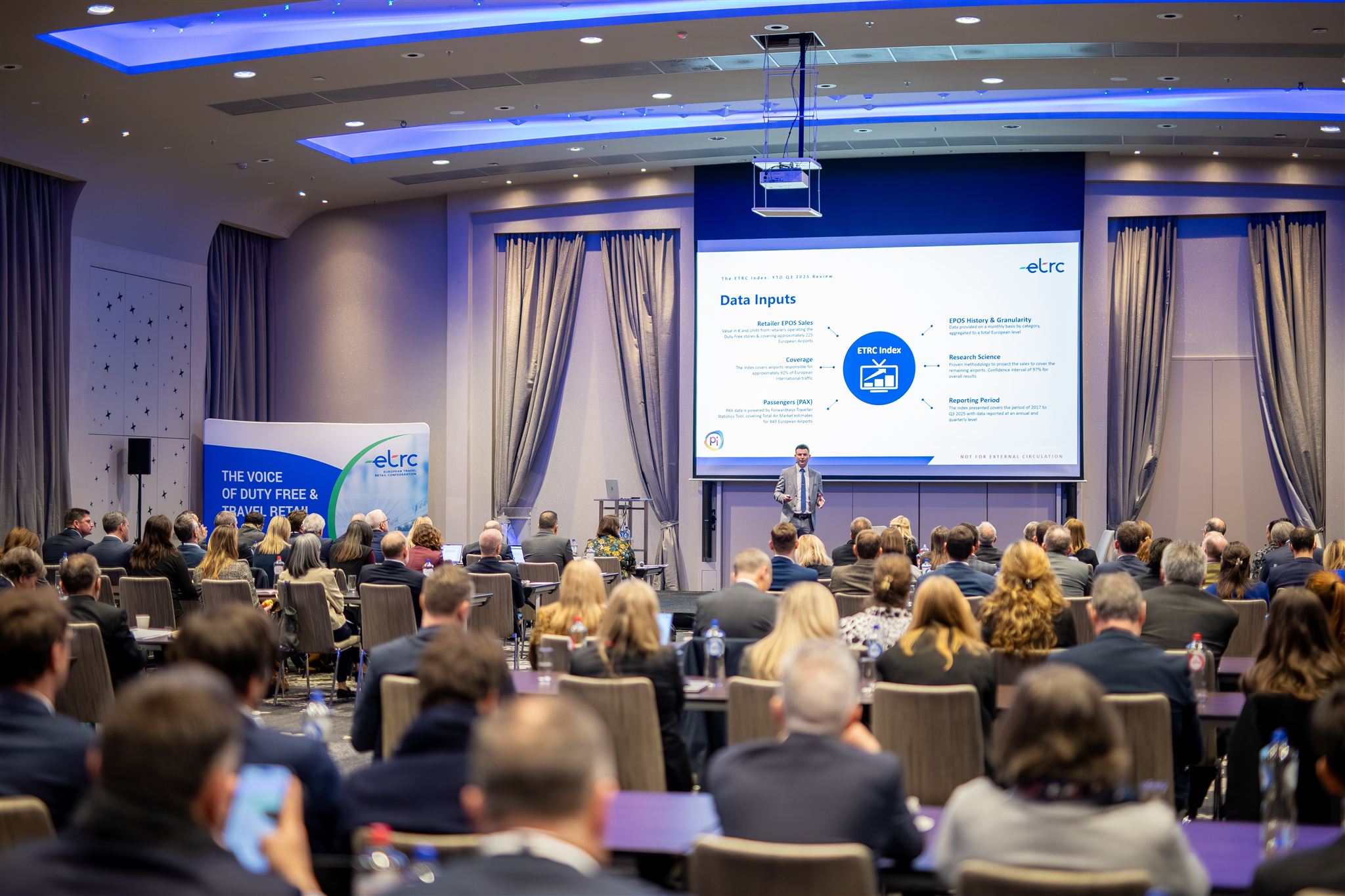
EUROPE. The latest annual ETRC Business Forum took place in Amsterdam on Thursday (22 January), under the theme ‘Protect, persuade, prosper’, attracting over 165 delegate from across the duty-free & travel retail channel in Europe.
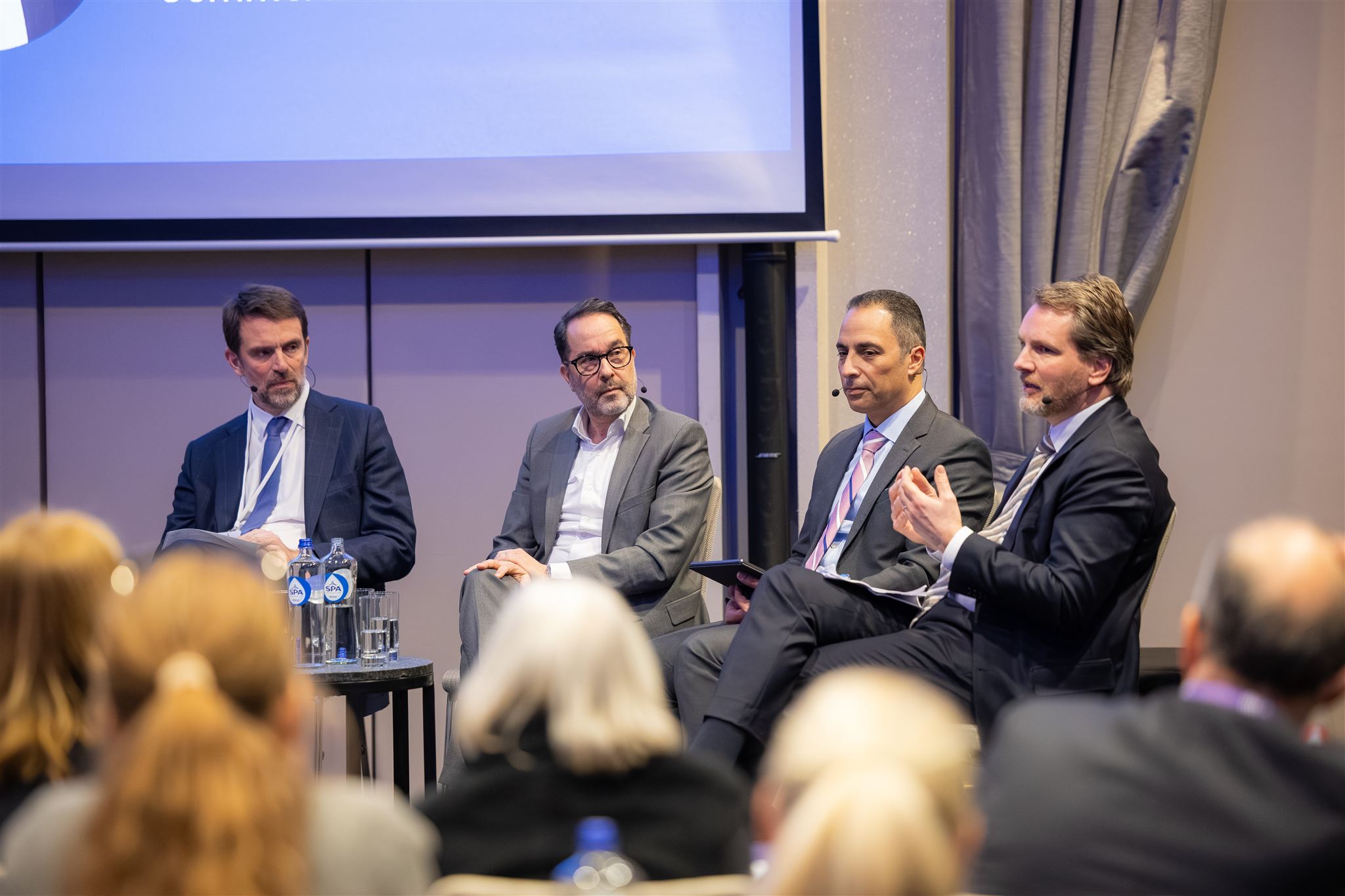
Among the highlights was panel session on how to enchant the consumer audience, which brought together representatives from across the industry Trinity: Hermes Airports Director of Commercial & Business Development Elias Liolios, Avolta President & CEO Europe, Middle East and Africa Luis Marin and Mondelez World Travel Retail Vice President & Managing Director Joost Rosmuller, alongside Martijn Steur, Vice-Chair of the ACI Europe Commercial Forum.
They examined how the sector can drive revenue growth for all stakeholders, inspire greater collaboration and enhance the customer experience.
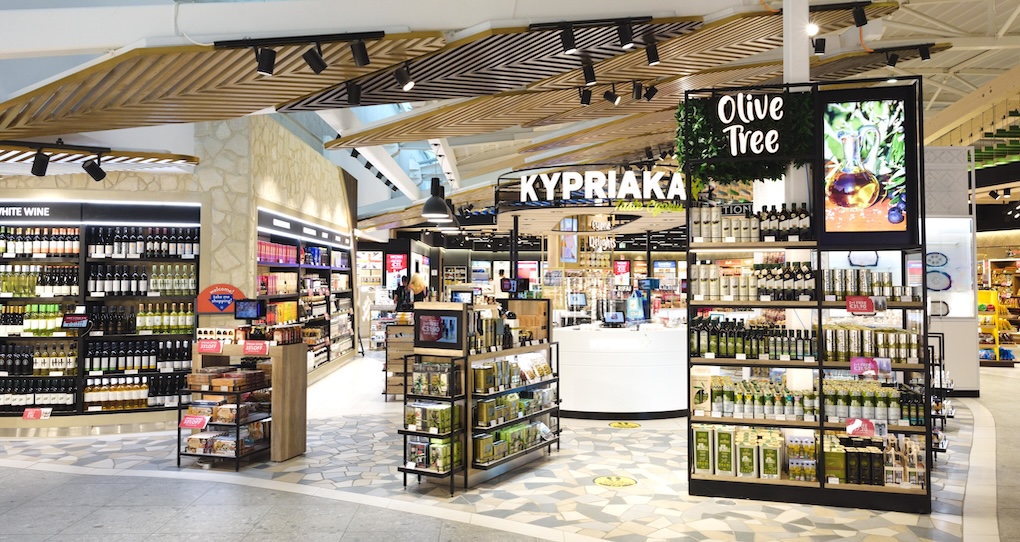
Elias Liolios centred on the detail of how to deliver enhanced customer experiences, with a blend of staff engagement, powerful sense of place in the environment, offer and artworks in the terminals at Larnaca and Pafos airports.
He said, “The wow factor and the experience aspect in travel retail should in our view be based on these pillars: experience over transactions; localisation and authenticity; personalisation and curation; digital integration and sustainability and purpose.”
Liolios homed in on the acclaimed Kypriaka concept by Cyprus Duty Free, “the highest performing space that we have”, based not just around products but around creating memorable, inspiring moments for travellers.
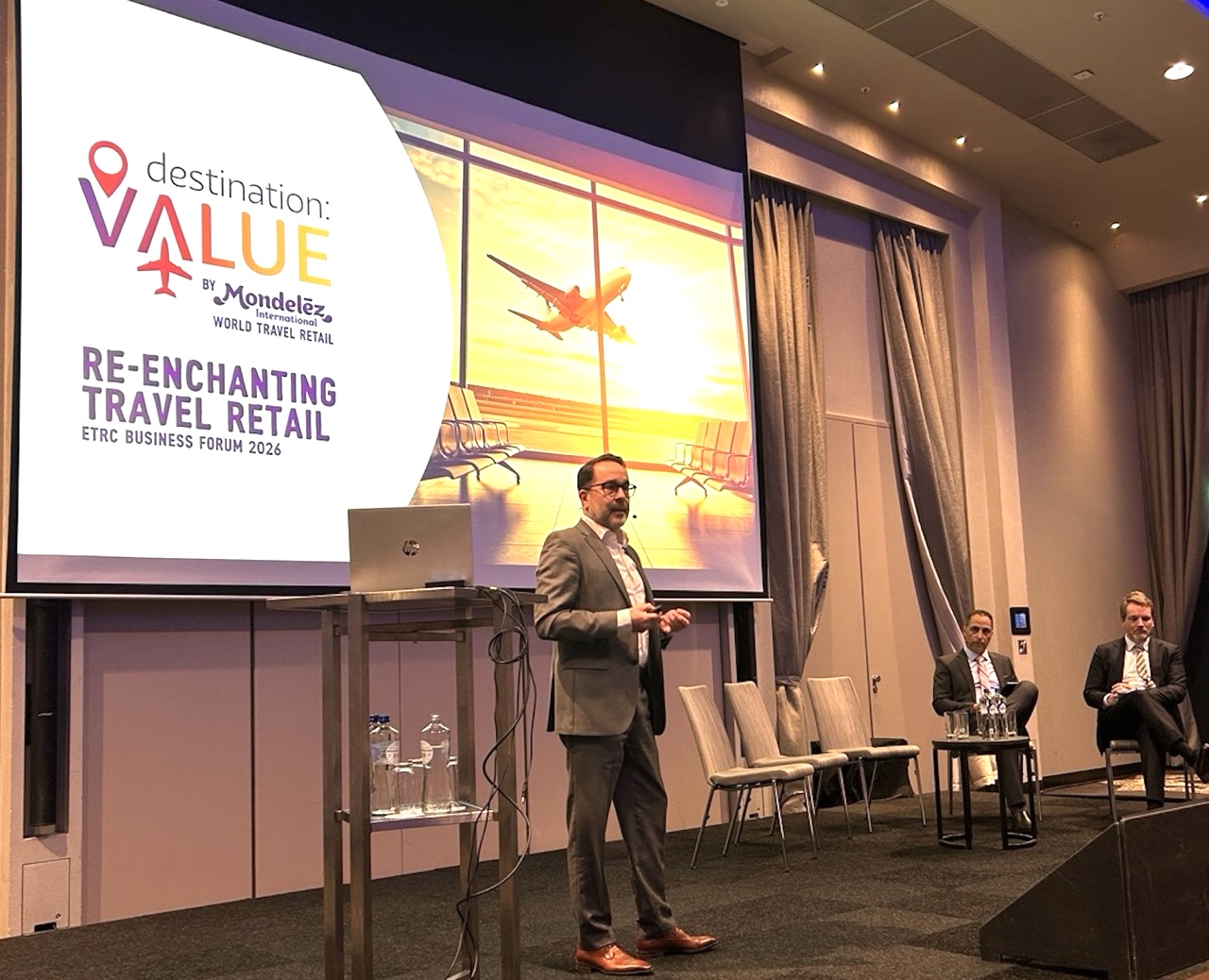
Joost Rosmuller noted that “everything starts with the traveller”, as he addressed the challenges of low penetration levels and spend declines across the sector. In this context he assessed the company’s Destination: Value growth vision and talked about why collaboration matters in securing the future.
He called out a vision of duty free “where the journey is the reward”, focusing on driving penetration, value and volume through shared intelligence, shared investments and shared rewards across the Trinity.
Luis Marin doubled down on the message that experience is a key driver of conversion and spend and highlighted that loyalty and repeat engagement are built through relevance and trust.
Customer-centricity is key and data is the enabler, he said. “If we approach the customer in better ways, we can enchant them, and we can deliver higher revenues for everybody.
“But things are complex. Passenger profiles are changing hourly not yearly. Space is limited and every SKU must earn its place. Seasonal and global events are amplified across channels. And we need to find a balance between local relevance and global appeal, and do with flexibility.”
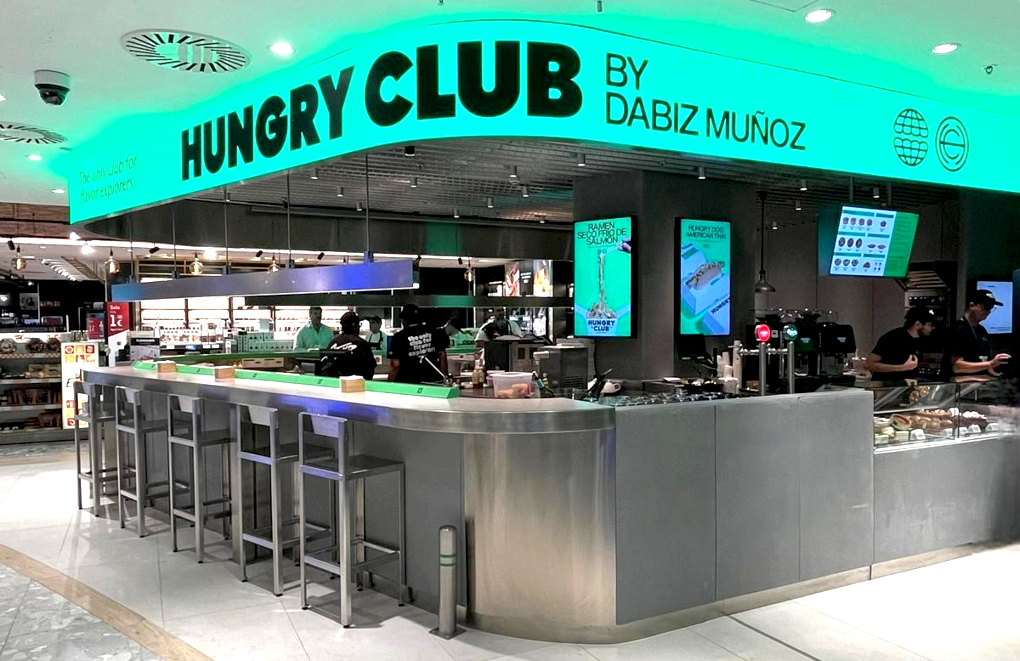
In practice, achieving growth can come through a combination of entertainment concepts; blended retail and F&B such as Avolta’s Hungry Club by Dabiz Muñoz; new concepts such as the Hudson/Toblerone store and limited editions – with collaboration as the catalyst.
Martijn Steur spoke about an ACI Europe Commercial Forum initiative, supported by ETRC, to modernise the Tender Code, which was developed in 2001 as a framework for tendering and balancing risk and reward in the business model. The topic will also be addressed in detail at The Trinity Forum in February.
An ACI Europe task force is collecting best practice on how to overcome challenges facing all Trinity parties in the tendering process, but already some guiding principles for a new Tender Code have been established. These include a focus on collaboration; passenger orientation; a risk-reward balance; sensitivity towards different passenger segments alongside transparent processes.
On collaboration to ensure a more robust industry future, common messages from the speakers included driving towards a mutual understanding on what to prioritise; a willingness to listen, a commitment to sharing data, results and experiences; and having the courage to take risk and trial innovation.
Earlier, to begin the day, ETRC President Nigel Keal reinforced the critical industry need to share data to move forward. “We have done a lot but we must do more. We must have an answer when regulators ask us how big our industry is.”
On membership, he saluted how ETRC has grown but added that companies must continue to support their national associations, who are close to events on the ground.
“It is infuriating when someone says ‘I cannot afford to be a member any more. This should not be about the money. It is about hearing what happens on the ground and influence. Our national associations are crucial. To say you cannot afford to join yours is very short-term thinking.”
ETRC Secretary General Julie Lassaigne later reflected on successes from 2025 and advocacy priorities for 2026, which include addressing the impact of sustainability-related regulation; presentation and packaging of products; and continuing to show that the industry operates at a high ethical level.
She addressed the association’s work on rethinking business models – aided by a report from Stirling University – summed up in recommendations for more transparency, flexibility and partnership, and reflected on work being done on the Tender Code, noted above.
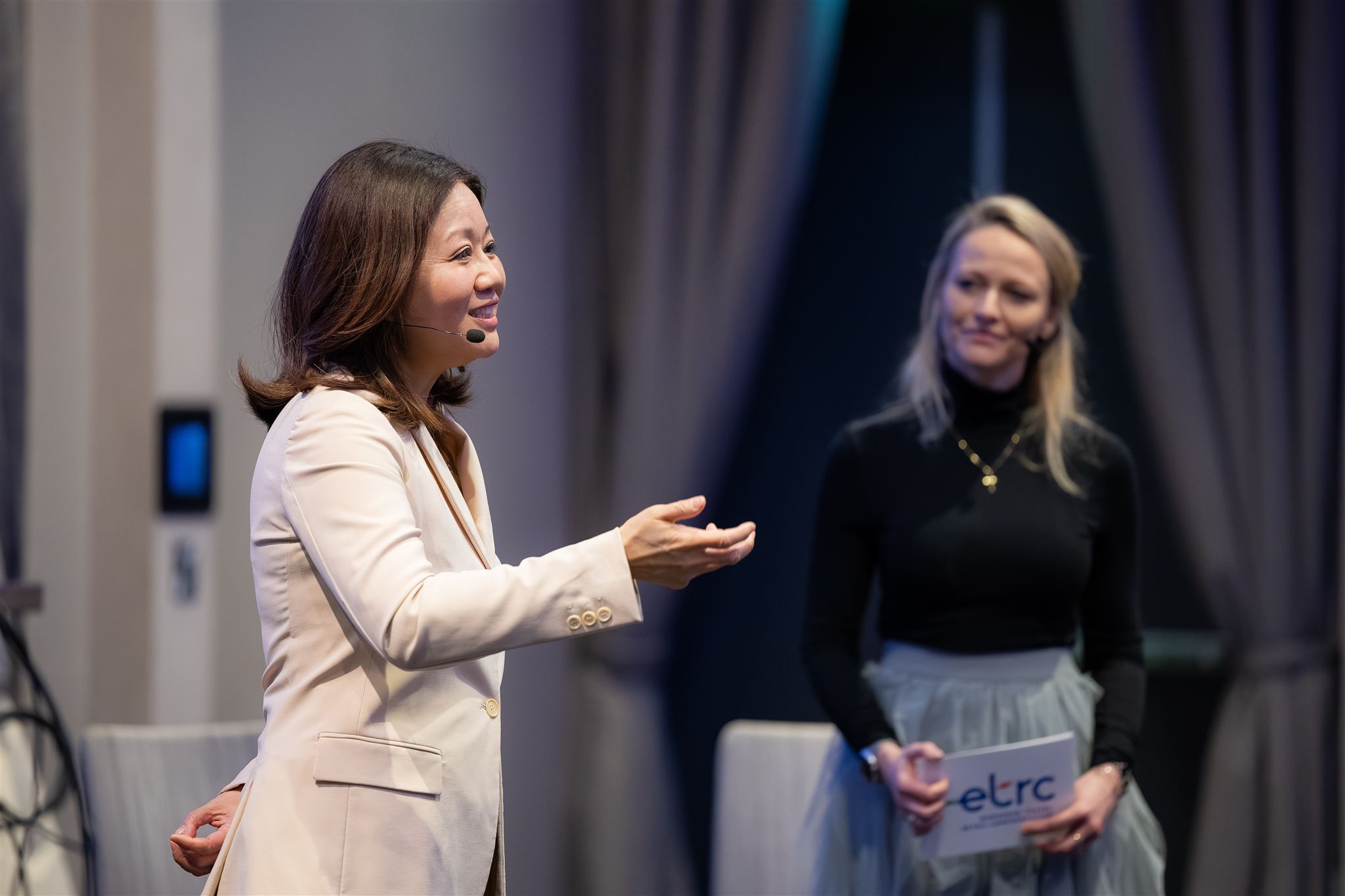
Economist, writer and broadcaster Dr. Linda Yueh offered a big-picture view with a presentation titled ‘Geo-economics, geopolitics and technology at a crossroads’.
She highlighted how countries are becoming ‘multi-aligned’ rather than aligned only to one of the great powers, USA or China. “States are now pivoting as necessary, not constantly aligned as they once were. What we also see is that emerging markets now trade more with each other than with advanced economies.”
In a wide-ranging session she discussed tariffs, consumer sentiment and the influence of AI, noting that this “can be both a bubble and can be transformative at the same time”.
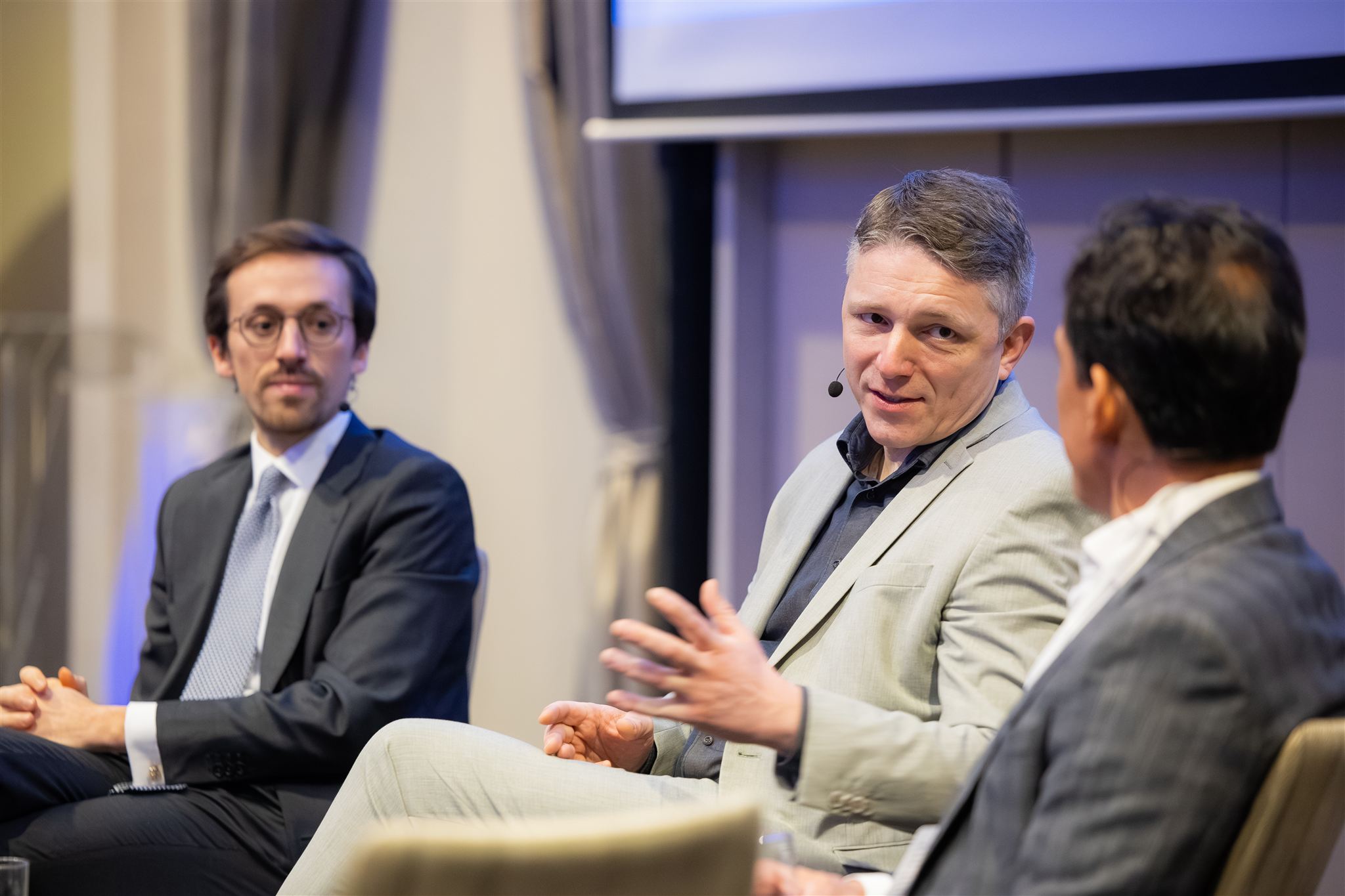
There followed a discussion on advocacy and how the industry can strengthen its collective voice and enhance cooperation, with case studies from Deutsche Travel Retail Verband Director General Benjamin Dillmann, Moët Hennessy Global Public Affairs Coordinator Giacomo Moroni and ETRC Senior Counsel Ricardo Oliveira.
Benjamin Dillmann talked about the battle to see off a recent threat to VAT-free sales at Germany airports through a collaborative combination of stakeholders. He highlighted some lessons from this and other campaigns.
Among these is that tax & duty free is often seen as a fiscal privilege by regulators, something the industry needs to challenge. He noted that the internal commitment of the industry is key with dedication of resource and personal engagement, plus he noted how building allies and partners within and beyond the industry is vital. Further professionalisation of the public affairs function at industry level is also key, he added.
Giacomo Moroni underlined how wines & spirits often become embroiled in trade disputes between major powers. He discussed how the industry collectively engaged to overcome the commercial impact after China’s Ministry of Commerce slapped heavy ‘anti-dumping’ measures on imported European brandies from October 2024 into 2025.
Ricardo Oliveira talked about the critical importance of lobbying in the context of the long-running battle against the World Health Organization’s (WHO) claims about illicit trade in tobacco products, which reached a conclusion in November at the Meeting of the Parties to Eliminate Illicit Trade in Tobacco Products (MOP4). There it was decided the evidence-based research called for under the Protocol did not identify duty free as a significant channel for illicit trade in tobacco products.
The outcome, as reported, validates the duty-free industry’s longstanding claim that the channel is among “the most trusted, transparent and secure in the world”.
Oliveira highlighted the vital role of consistency in messaging and collaboration across the sector to achieve the industry’s goals, enhancing lobbying capability and delivering messaging that resonates with key government stakeholders.
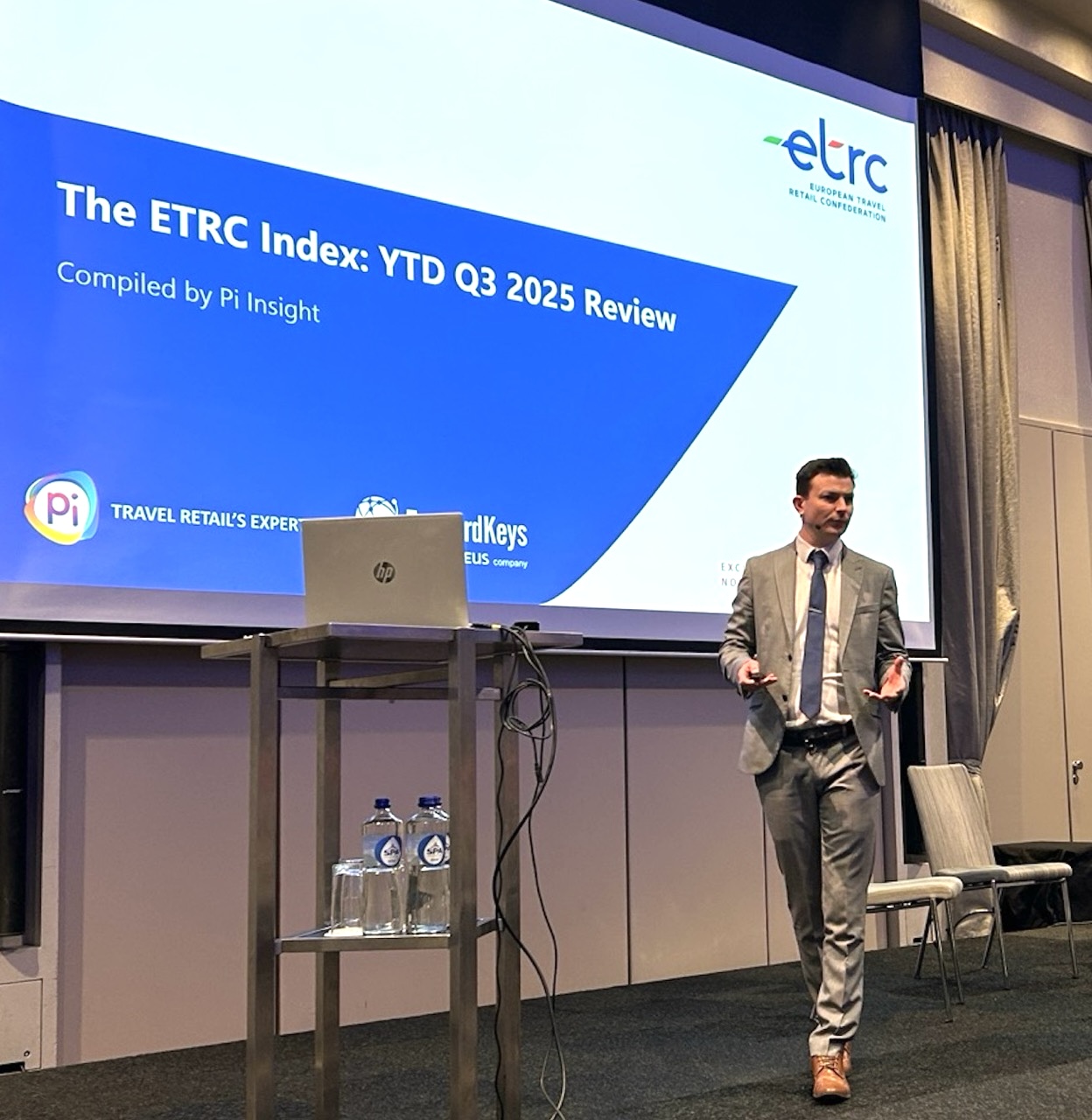
ETRC Index
The latest data from the ETRC Business Performance Index (for Q3 2025) was presented by Pi Insight Managing Director Stephen Hillam. He noted that the European airport duty-free sector grew at +5.8% year-on-year in Q3 (to €7.63 billion), and is now in line with passenger growth (+5.4%), with an estimated figure of over €10 billion in duty-free sales in sight for the full year. Average spend growth has softened, he noted, to just +0.4% ahead of 2024 levels year to date.
Beauty remains the largest category in the region at over one-third of sales (YTD 2025), followed by tobacco at almost 20% and liquor at just under 15%.
Commenting on how this data can feed into opportunities for growth were Vienna Airport Senior Vice President, Center Management Philipp Ahrens, Retail inMotion Chief Commercial Officer Fi Logan-Wyeth and Tallink Management Board Member & Tallink Silja Managing Director Piret Mürk-Dubout.
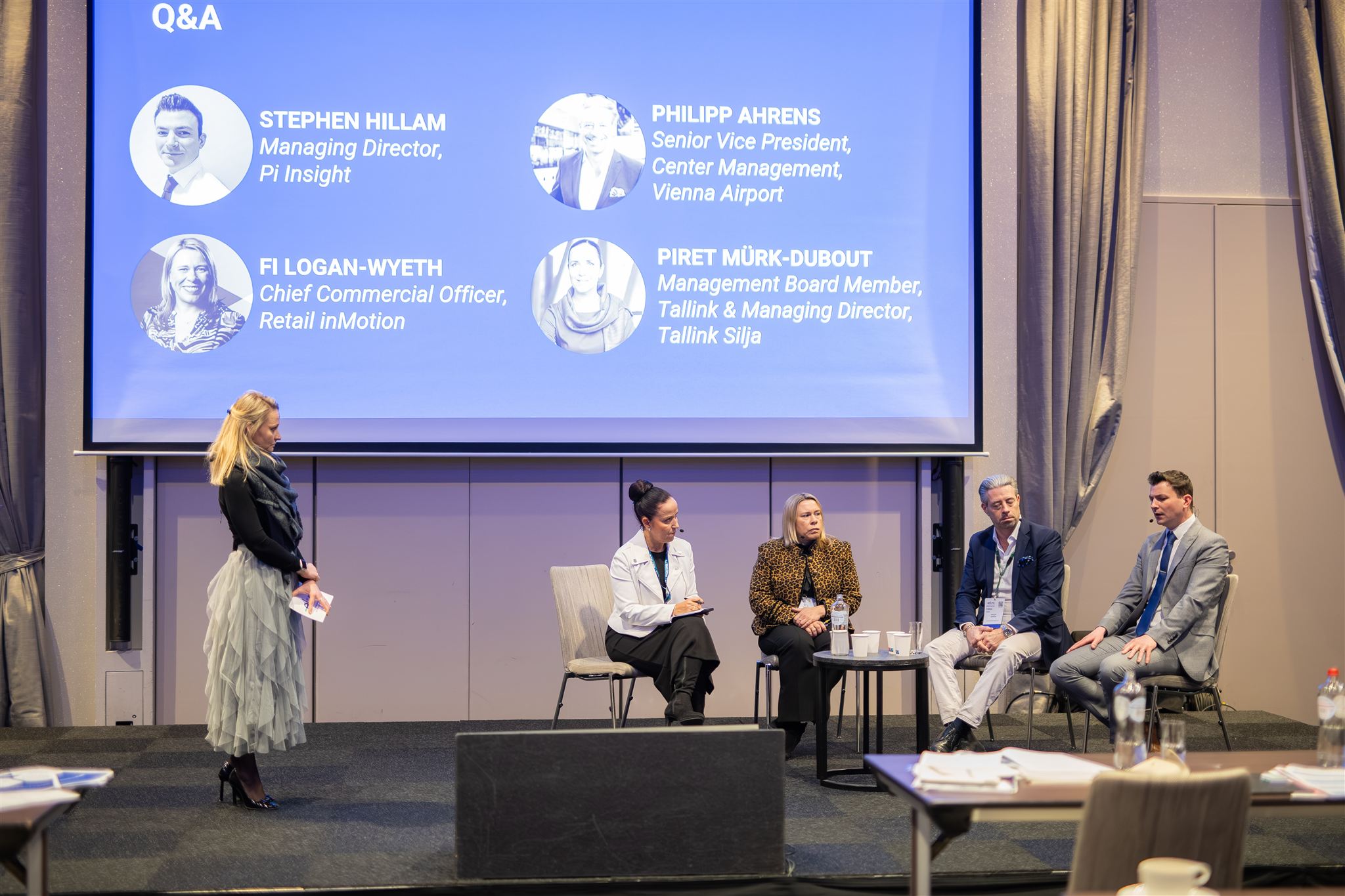
Philipp Ahrens noted that the industry should shift the language about the audience from passengers to guests. He also focused on how our sector should bring local experiences and products to light, from wines & spirits to food and through hybrid store models across retail and dining.
“We want our travellers to feel authentic, at home and relaxed, and here our Best of Vienna concept plays a big part,” said Ahrens.
Fi Logan-Wyeth homed in on how data and AI can help hyper-personalise traveller engagement and sales, with customers expecting a seamless experience across all touchpoints, and conversion supported by highly engaged crew.
Of the category opportunities, she noted that recognisable brands, trend-led innovation, seasonal specials, premium trade-ups, added value and bespoke products are resonating with customers.
Piret Mürk-Dubout spoke on behalf of the maritime channel and reflected the importance of the ETRC Nordic & Baltic Ferry Index to the market’s players. Challenges in the business, she highlighted, include geopolitical turbulence, soft consumer demand, the imperative to be more attractive to Asian, US and other global travellers plus the complexity and cost of compliance with regulations and the green transition.
Set against this, she said, are the many strengths of the maritime channel, with the cruise ferry sector a relaxing, relatively stress-free travel option, dining and entertainment complementing retail, with technology delivering both communication opportunities and vast amounts of data that can help identify new trends.
“We need to stay flexible, remain operationally excellent and have our guests’ expectations top of mind, and with this focus we can have a great 2026.”
The day concluded with a fun, interactive and inspirational keynote – all around the topic of persuasion – from business communications expert Lee Warren.
Summing up the day, Nigel Keal said, “This year’s Business Forum showed the value of bringing the industry together around clear data, shared experience and practical discussion. As regulatory and market pressures increase, turning insight into action will depend on collaboration across the value chain and a coordinated, credible voice in support of European duty free & travel retail.” ✈