

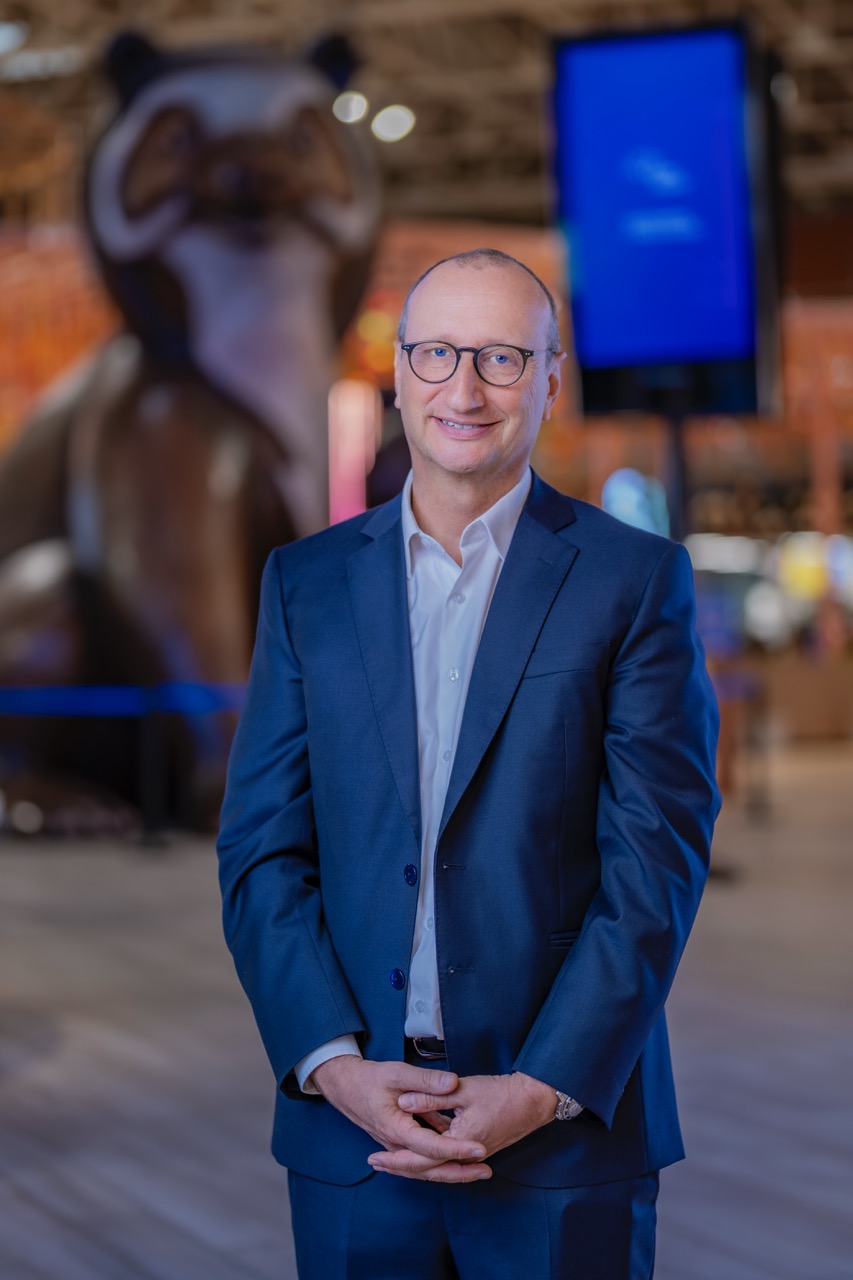
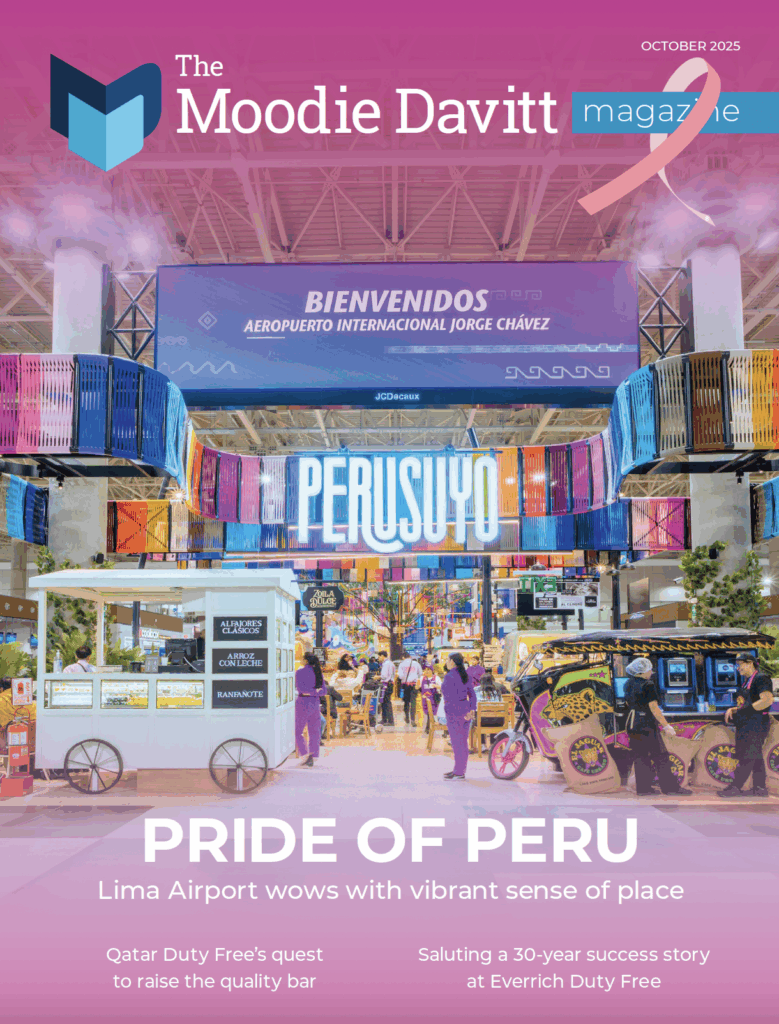
In this interview Lima Airport Partners Chief Commercial Officer Norbert Onkelbach (pictured) reflects with pride on the opening of a new terminal at Jorge Chávez International Airport and on a commercial and consumer offer that shows much promise in its early trading period. The full story appears in our October Magazine. Click here for access (page 44).
PERU. The transition to a new terminal at Lima Jorge Chávez International Airport on 1 June marked the culmination of an ambitious multi-year project and a high point of Fraport Group’s lead role in the Lima Airport Partners (LAP) managing consortium since 2001.
Described as a “new hub for South America”, by the end of 2025 the terminal will be expanded further to cover 270,000sq m, providing capacity to receive up to 40 million passengers annually. With its modular design, the terminal’s capacity can be increased to accommodate future growth.
Active commercial space in the terminal spans around 27,000sq m – around three times more than previously – with 19,000sq m for retail, dining and other services, plus 8,000sq m for lounges.
LAP has recruited around 30 commercial partners for the new terminal, many of which were already well established at Lima Airport.
These include Lagardère Travel Retail for duty free and food & beverage; Costa-Rica-based Morpho Travel Experience for speciality retail as well as Peruvian companies such as Acurio Restaurants, Retail Services, Incalpaca, Grupo Michell among others for both F&B and speciality retail.
LAP Chief Commercial Officer Norbert Onkelbach tells The Moodie Davitt Report that variety and diversity of offer were central tenets of the commercial thinking, “in line with our consumer-centric vision”. The design strategy was planned with Vancouver-based SmartDesign Group.
Offering an update on the rolling programme of openings, he adds: “Every day we serve around 70,000 passengers in the building. We can confirm it is working from a retail viewpoint, with an initial 64 shops open, which becomes 70 in September and over 90 early in the new year.”
August saw the expansion of the lounge network with a LATAM Airlines facility inaugurated, while the Grand Wyndham Airport Hotel also opened its doors. The next phase will see a Peruvian luxury zone, an arrival Starbucks plus further F&B expansion. Among the big 2026 openings will be a second lounge concept by Airport Dimensions.
Reflecting on the journey to date, Onkelbach says: “It makes us all proud what we have done: from planning to execution of the commercial concessions programming with the opening of so many shops on one day.
“It makes me very proud of what our teams and commercial partners have achieved, when you look at the level of detail from the engineering to making sure everything is connected – water, sewage, electricity, oil, grease filters, cooking facilities – basically a full commercial operation and supply chain with it.”
Now the task is to ensure that space works coherently for travellers and commercially for LAP and its business partners.

Onkelbach says: “We were the first airport in South America with a call to gate system. We asked our airport colleagues in Europe and elsewhere about this element, and went through risk matrixes to assess the impact on passenger flow but in the end it works. It is still early days and we need travellers to become used to the environment. But what it does is hold passengers in the marketplaces for a better experience.
“The big question we have yet to see answered over time is whether people turn left or right in the duty-free shop, as it’s a walk-around, not a walk-through. We are still completing the decompression zone in the space before the shop so that may have a positive impact once established. After two months of operation it must be said, the concept of walk-around functions well.
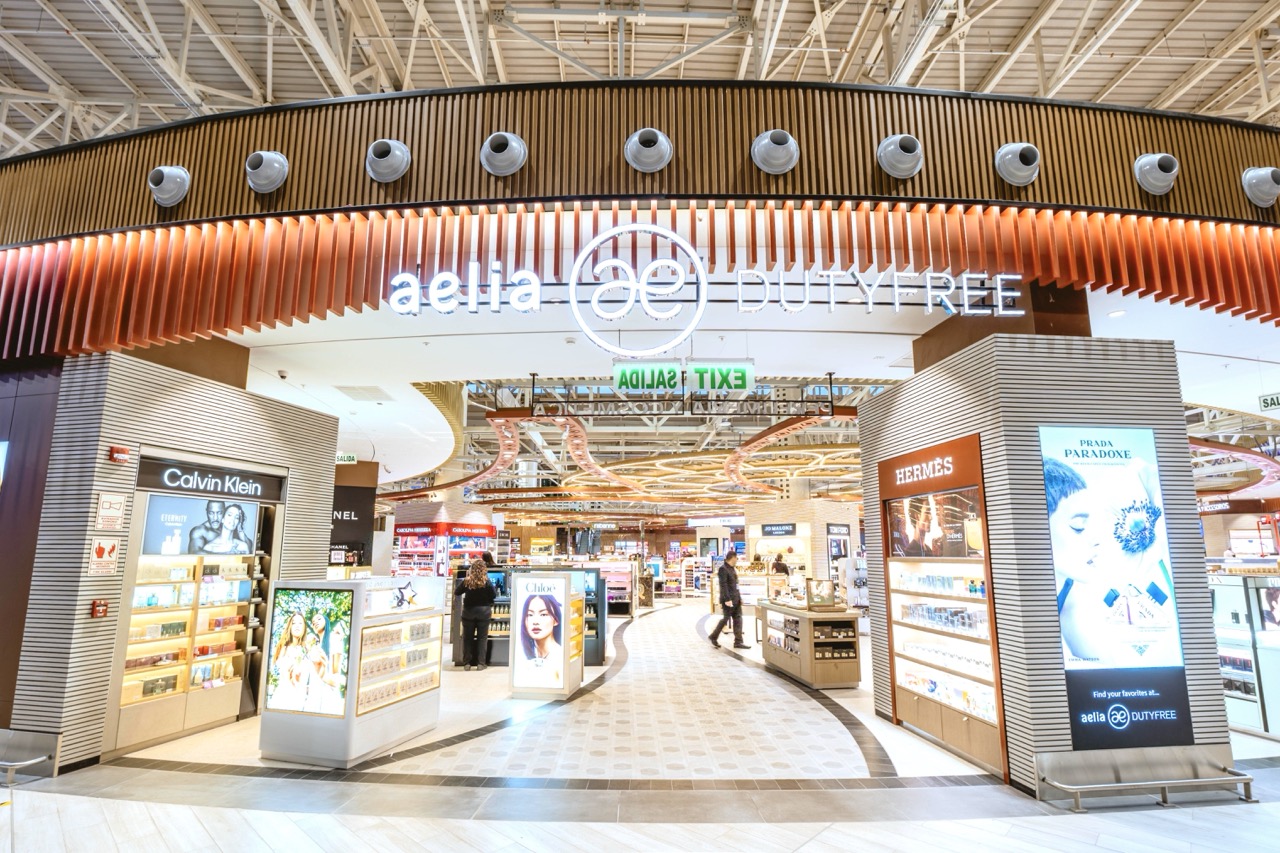
A further big change is the emphasis on airside commercial activity, when in the past landside stores and restaurants accounted for considerable space.
“We had a big focus on expanding the offer airside. The strategy of the terminal has always been to go for quick check-in, quick processes including security and to get people airside.”
So far, food & beverage – the second-largest sector by turnover after duty free – has been the star performer compared with expectations.
Onkelbach says, “With F&B the way we hold people in the marketplace is paying off in performance, plus we have that category integrated with seating today.
“We learned a lot in the tendering process about lounges and about F&B. I have to salute the partners here because they took top chefs into the terminal but had to create concepts where you still turn the table in 45 minutes, not three hours as you might with your family in a restaurant in the city. And they did a brilliant job.”
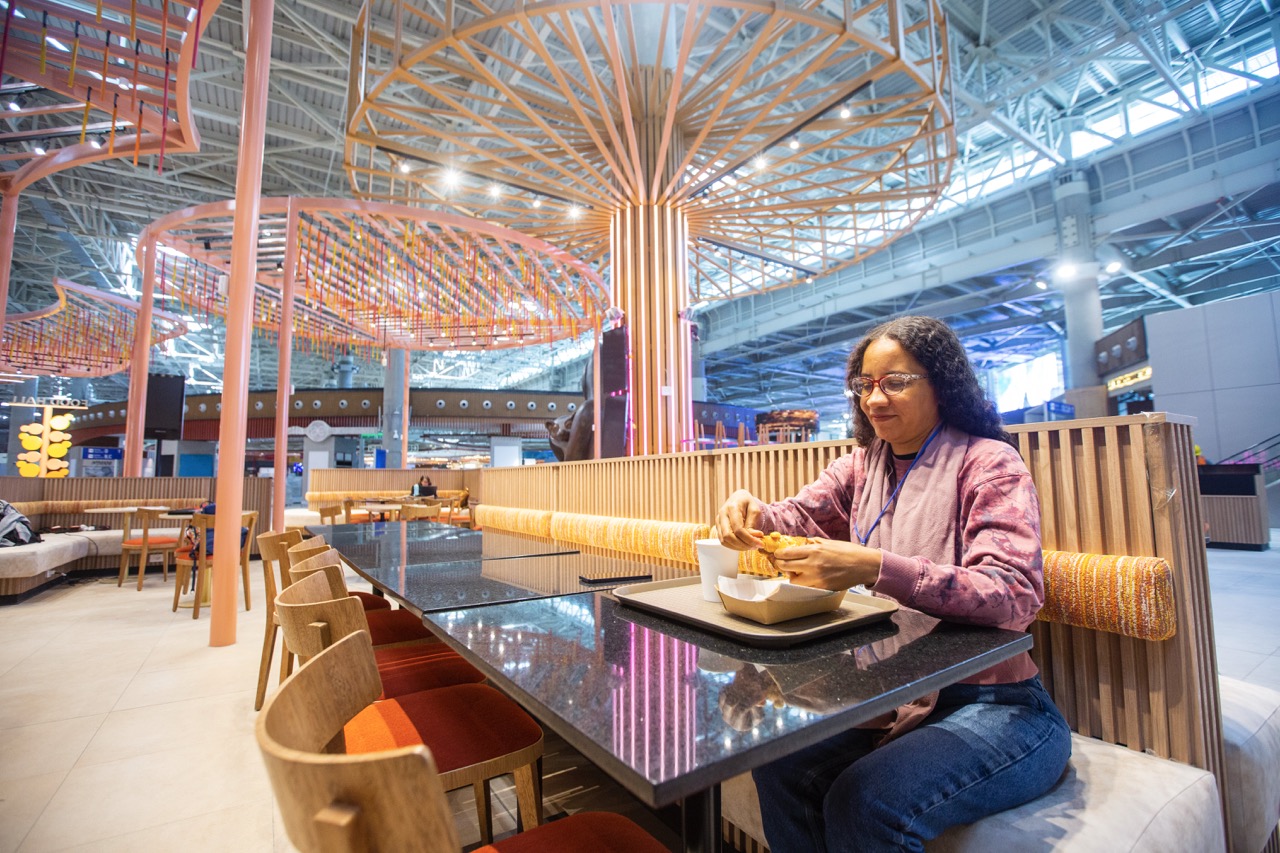

Apart from ACURIO’s concept in domestic departures another good example is CALLAO by Jaime Pesaque, Chef at Mayta (ranked 39 in The World’s 50 Best Restaurants 2025), which brings a fresh seafood experience inspired by the coastal district of Callao in which the airport premises lie.
CALLAO is part of a 13-unit Lagardère Travel Retail F&B portfolio that includes nine leading Peruvian brands chosen to reflect the country’s rich and vibrant culinary heritage.
Of the other parts of the business, Onkelbach says: “Duty free is going according to plan though of course as our largest business we set high expectations here.
“As a profit-sharing contract it is different to other partnerships but we are glad to have it. You have to engage and you need to make sure your teams are prepared for it. You need strong analysis, you need strong conversations and you have to look into every product group. You have an interest in seeing the margin increase over time of course too.”

The blend of F&B, duty free, speciality retail and lounge services offers a level of consumer choice that LAP was seeking from the beginning.
“You can’t tell anyone what he or she has to do. They can decide themselves. That’s why they can walk around or into the stores.
“Since we opened we have all walked the terminal often to see how people are behaving. We make certain assumptions about this but you have to confirm that you are right, offer more direction where needed or make changes. And we do all that while engaging with our stakeholders.”
In the end, success is driven by how you act upon, not just talk about customer-centricity.
“Customer experience is not just lip service. We have delivered choices in retail, marketplaces for impulse shopping, and we need to maximise the experience, be good at centre management, develop more digital services and active in category management,” says Onkelbach.
With this in mind, LAP has reorganised its commercial team as part of wider changes made around the opening. The retail team now oversees in-terminal leases, the real estate team handles everything beyond the terminal such as the airport city, car parking and hotels, while the aviation business team runs traffic forecasting and development.
To complement these parts of the organisation, a new customer experience (CX) unit has been deployed.
At its heart, this is about adapting to shifting traveller demand but doing it in a way that takes business partners along the journey. To react with speed to introduce new services or products is no easy task in the airport environment.
Onkelbach says: “You need teams that are prepared for each type of partnership. You need analytical skills. You need category management understanding, not only in duty free where we profit share. It means engaging with the shop operator or F&B partner.
“Take F&B as an example – this needs active engagement. What I want to know about as an airport company is whether the menu or offering is right for the consumer in our terminal. Maybe you were here before but now you are in a different location with a new layout and flow. The profile may even change as new airlines and travellers come to our airport.
“Some of the shops that were landside in the past are now airside. Before they might have welcomed an international passenger, a domestic passenger or even a meeter & greeter and today that profile has changed so you need to finetune the assortment.”
With this in mind the retail team has the task of active category management and engaging with LAP’s clients about lifting penetration and conversion rates.
“The CX team takes a big picture view at centre management and ask what additional services we need,” says Onkelbach.
“To do this well we need to engage with our top tenants, and top does not only mean by turnover, but also by innovation power, as sometimes smaller players are highly innovative. It can be too easy to look at the numbers and say it is more or less fine. That is not really good enough.”
That proactive, agile approach will be required as Lima Airport continues its growth trajectory.
“We are asking ourselves what we look like in five years’ time as new travellers come into play. On top of that, new destinations are emerging in a volatile world, which means airline routes are being cut off or introduced even more quickly than in the past. Our retailers need to understand that and we need to explain the aeronautical side of the business, because that is where the business ultimately comes from.”
Those are questions for tomorrow. Today, fine-tuning the operation while the opening programme continues to lead the agenda.
Onkelbach says, “We are still working on the call to gate system, learning from our tenants and concessionaires to encourage more activity, bringing more people into the centre, and our own CX department will help that.
“The next step is going back in and engaging with clients, asking the right questions, and being active in category management. That means being positively critical as a landlord, not just analysing numbers, but to think about business development and add new services. I do not believe that brick and mortar is enough in this regard; digital needs to play a part too.
“We also are in the opening phase. By Q1 next year we’ll have over 100 shops, enough for our 40 million capacity. But that also means the equation for the customer is different compared to when you have 64 shops. They only have one wallet so where will dilution take place? Where will the distribution come and how can we grow incrementally?”
The targets for spend per passenger (SPP) match LAP’s ambition and execution. The objective is to increase retail SPP in the terminal by +20% once all the shops have opened.
There will be challenges in getting there, but just months on from opening the LAP team can take pride in how this new chapter has been written.
In an interview with us last year, Onkelbach said the goal was to create a new “reference point for South American airports”. As a final question, we ask to what extent this has been achieved?
“There are ways in which we can say we have done this,” he replies. “Having tripled our commercial space we now have one of the largest airport shopping areas in Latin America proportionate to our passenger traffic.
“But what is really helping us stand out I believe is our sense of place. We have taken measures to incorporate Peruvian identity into the commercial plan.
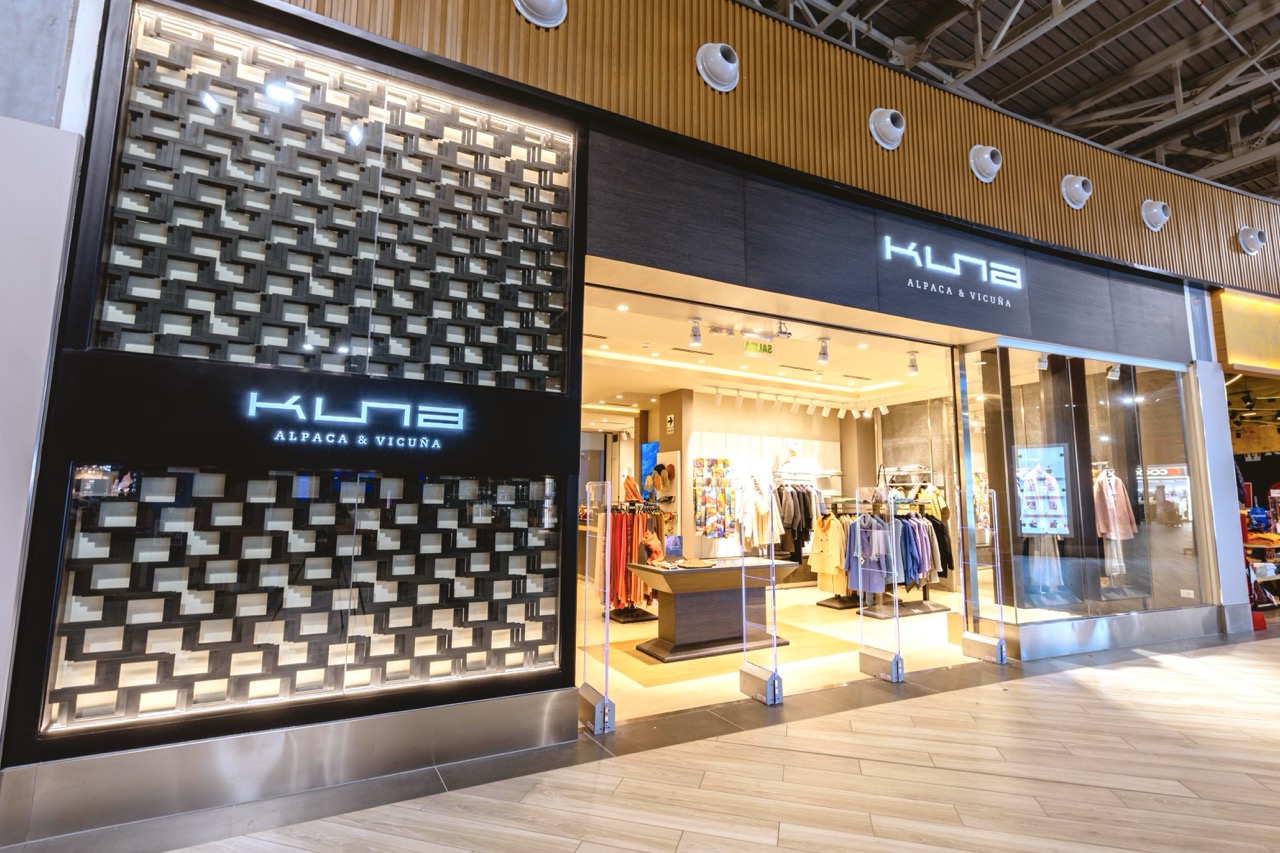
“Products featuring Peruvian alpaca and other authentic local materials alongside representation from notable Peruvian chefs are just some examples.”
Another is a groundbreaking partnership with Museo de Arte de Lima, one of the leading museum houses in the country, which has delivered a curated offer from multiple artists to showcase the local essence and create both physical and social connections with Peru, notably through a series of sculptures across the marketplaces.
Onkelbach says: “These initiatives aim to integrate local culture into the airport environment. They also help tell our social media story, where you can be Instagrammable, emblematic and iconic.
“Lima Airport is the main gateway and a first entry point for visitors to Peru. We want to tell a story through our marketplace design and offer that speaks to Peruvian culture and culinary excellence. I believe we have done that well to start with.” ✈