
Introduction: Leading global travel dining company SSP Group recently secured contract extensions for its food & beverage programmes at Sharm El Sheikh International, Aswan International and Abu Simbel airports, consolidating its long-standing presence in the Egyptian travel retail market.
Under the renewed agreements, SSP will operate 15 F&B outlets across terminals 1 and 2 at Sharm El Sheikh, alongside two units at Aswan and one at Abu Simbel.
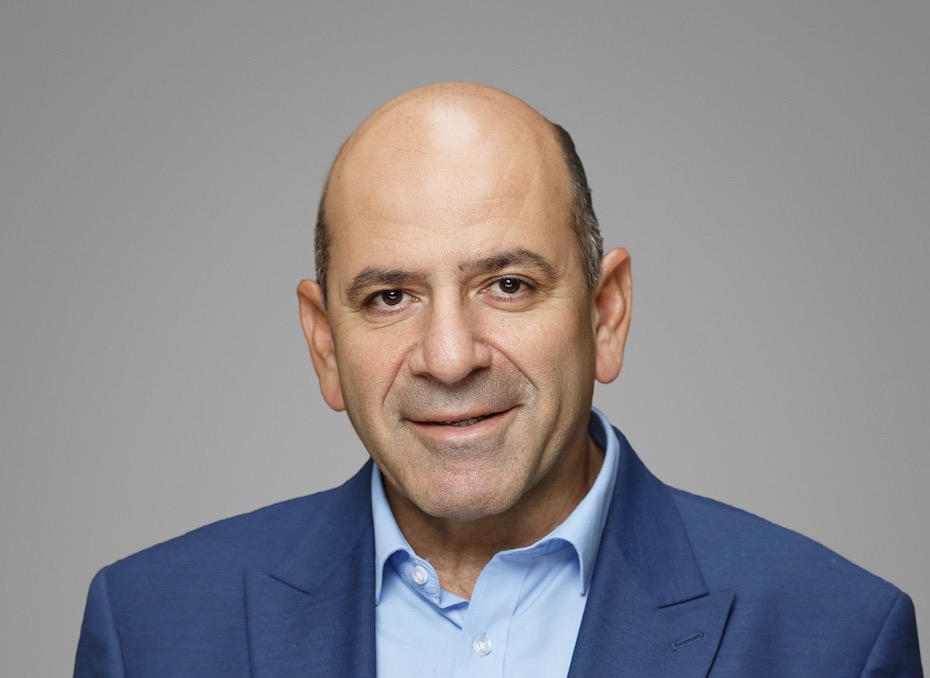
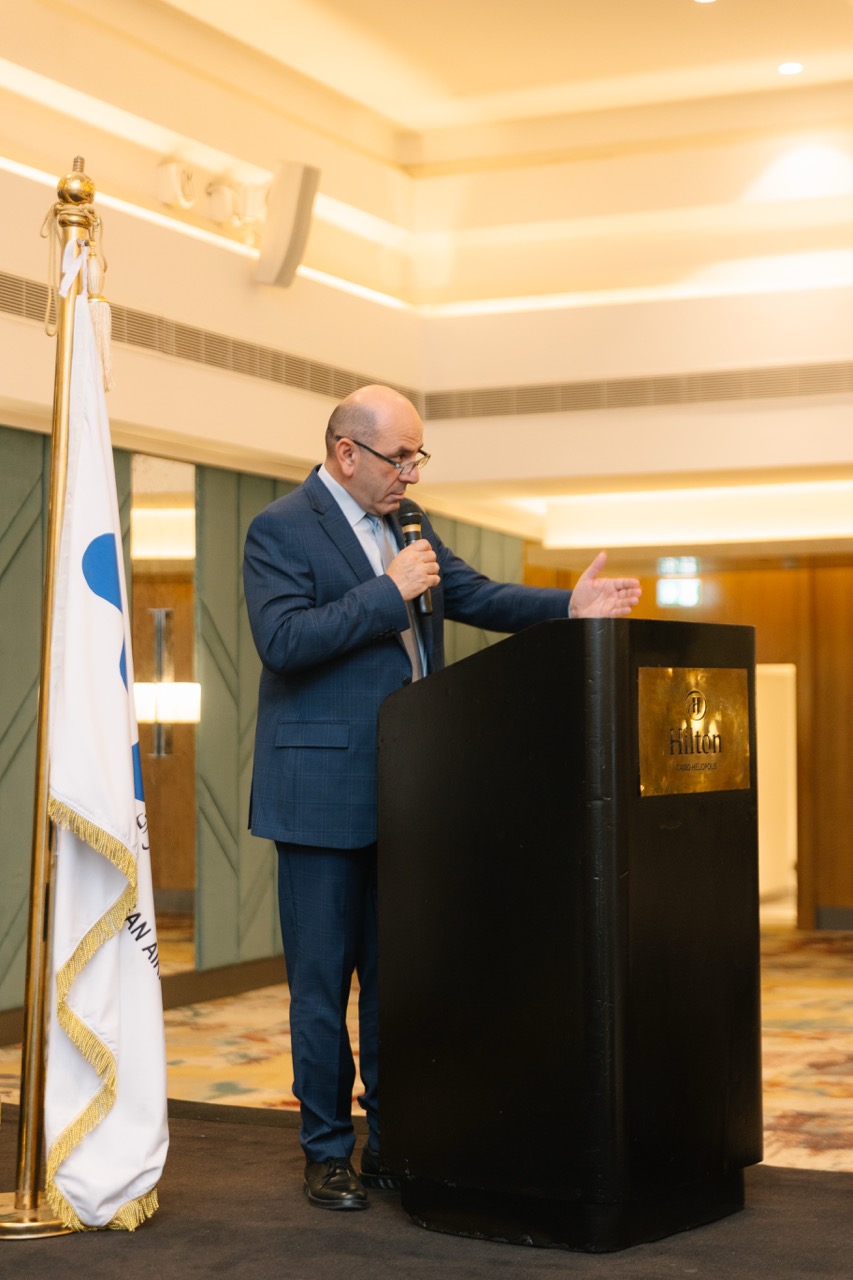
Against the backdrop of these renewals The Moodie Davitt Report spoke to SSP Eastern Europe and Middle East CEO George Antoniou. A 25-year veteran of the company, Antoniou has overseen a range of growth projects from expansion across Greece to entering new markets in the Middle East and Eastern Europe, including most recently in Saudi Arabia and Bulgaria.
Under his leadership, the region has expanded from six to nine countries and from ten to 29 locations. In this Q&A he profiles SSP’s presence in Egypt and addresses the significance of the contract extensions.
The Moodie Davitt Report: How long has SSP operated in Egypt, and can you outline the size of your business there?
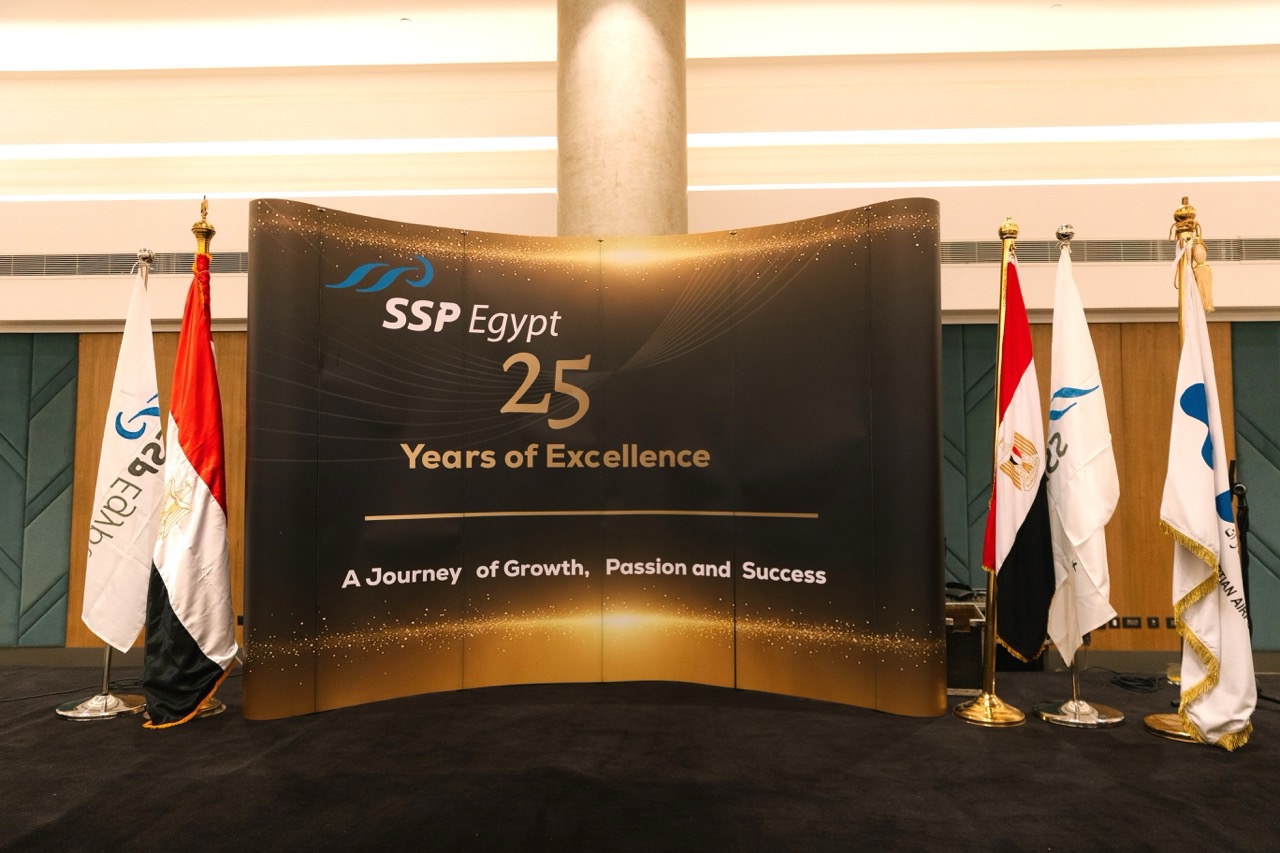
George Antoniou: We entered Egypt in 2000, with our debut at Hurghada International Airport. Since then, we have built an extensive airport food & beverage network in the country, underpinned by long-standing partnerships with key airport stakeholders – Cairo Airport Company and Egyptian Airport Company.
We employ more than 800 people across the business here. We have operations at the country’s most important travel hubs, including Cairo, Hurghada, Sharm El Sheikh, Aswan and Abu Simbel airports, serving millions of passengers each year.
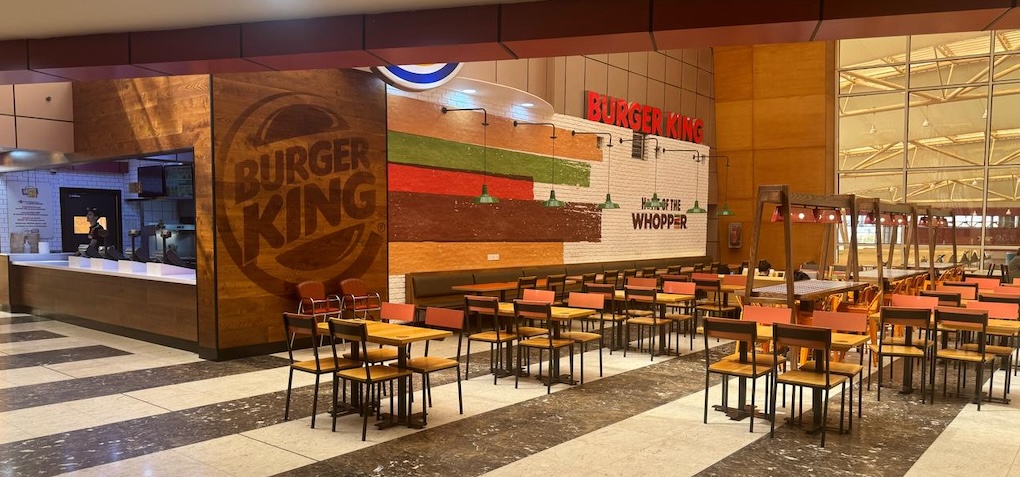
SSP currently operates a portfolio of 21 brands across 60 food & beverage units. Our brand mix in Egypt brings together a powerful combination of internationally recognised brands and local favourites.
These include Burger King, KFC, Costa Coffee and Coffee Lab as well as SSP’s own brands Ritazza, Ta.Sh.Ba, Upper Crust, Camden Food Co., Panopolis and our Food Village concepts. Together, these brands provide a complete offer solution to satisfy the needs of all travellers visiting Egyptian airports, be they business passengers, leisure travellers or families.
Why is Egypt of particular importance for SSP and what makes it an attractive destination?
Egypt remains a strategically important market for SSP, as we aim to prioritise investment in regions and locations that present high-growth opportunities. Egypt specifically represents a key opportunity as we see growing demand for travel, particularly in the leisure sector and in cultural travel.
Having operated here for a quarter of a century, we appreciate its enormous potential and resilience as an international tourism destination.
Last year the country’s tourism sector performed exceptionally well, making 2025 one of the strongest years on record, and cementing Egypt’s position on the global tourist map. According to official figures announced by the Ministry of Tourism and Antiquities earlier this year, Egypt welcomed nearly 19 million tourists in 2025, a +21% increase over 2024.
This figure is significantly above the global trend, which according to UN Tourism, currently stands at +5%. Charter flight traffic to the country rose by nearly one-third (+32%). The tourism industry is also well supported by the government, which has set an ambitious target of increasing arrivals from 15.7 million in 2024 to 30 million by 2030.
There really is something for everyone here, and Egypt’s ability to combine outstanding cultural experiences with beach and leisure in one destination makes it a first choice for a truly diverse range of travellers.
Since establishing our operations in Egypt, we have been able to build on our success here to support our operations more broadly in this part of the world. In the Middle East, we now have successful business in Bahrain, United Arab Emirates, Saudi Arabia and Qatar.
Can you tell us more about SSP’s recent developments in Egypt?
We have recently redeveloped our outlets at Hurghada Airport Terminal 1, where we’ve introduced new brands, including KFC, Coffee Lab and Costa, and refurbished established units, including our Food Village, Ritazza, Upper Crust and Burger King.
In 2024 at Cairo International Airport Terminal 2, we invested to launch two new concepts, including KFC and Ta.Sh.Ba, as well as renovating our existing Costa and Food Village units.
The opening of our KFC in Terminal 2 marked the brand’s second opening in Egypt after the first outlet began trading at Hurghada.
This adds to a strong portfolio of big-name global brands that already includes seven Burger King units and four Costa Coffee units, with a further Costa and KFC opening planned in Sharm El Sheikh.
In 2025, we increased our operations at Sharm El Sheikh International Airport as part of the new Terminal 2 extension, introducing new Burger King, Costa and Coffee Lab units, and refurbishing others.
We also recently signed new five-year agreements with the Egyptian Airport Company to operate at Sharm El Sheikh Terminal 1, Aswan and Abu Simbel.
Across our business in the region, we’re keen to invest early to ensure that we continue to deliver offers that delight both our customers and our airport clients.
How is sustainability incorporated into SSP’s operations here?
Sustainability is embedded into SSP’s operations across the globe and it’s a consideration in every decision we make.
Our operations in Egypt are no exception to this rule, and our business here is aligned with SSP’s global sustainability strategy, while also taking into account the unique operational and cultural context of Egypt.
Across the Middle Eastern region, we are constantly looking at new ways to make sustainability practical and scalable. This is an ongoing effort, and the innovation we are seeing across a number of benchmarks gives me confidence that we’re going in the right direction.
What tools are you employing to make your operations as efficient as possible?
Central production kitchens make us more efficient, as well as ensuring we serve food that is freshly prepared throughout the day.
In your view, why was SSP chosen as F&B partner for these key Egyptian airports?
Our long-term success in Egypt is underpinned by a powerful combination of world-class brands, operational expertise and our commitment to delivering outstanding guest experiences. Since we’ve been operating here, standards have consistently risen, and today passengers can enjoy high-quality dining that was not always available.
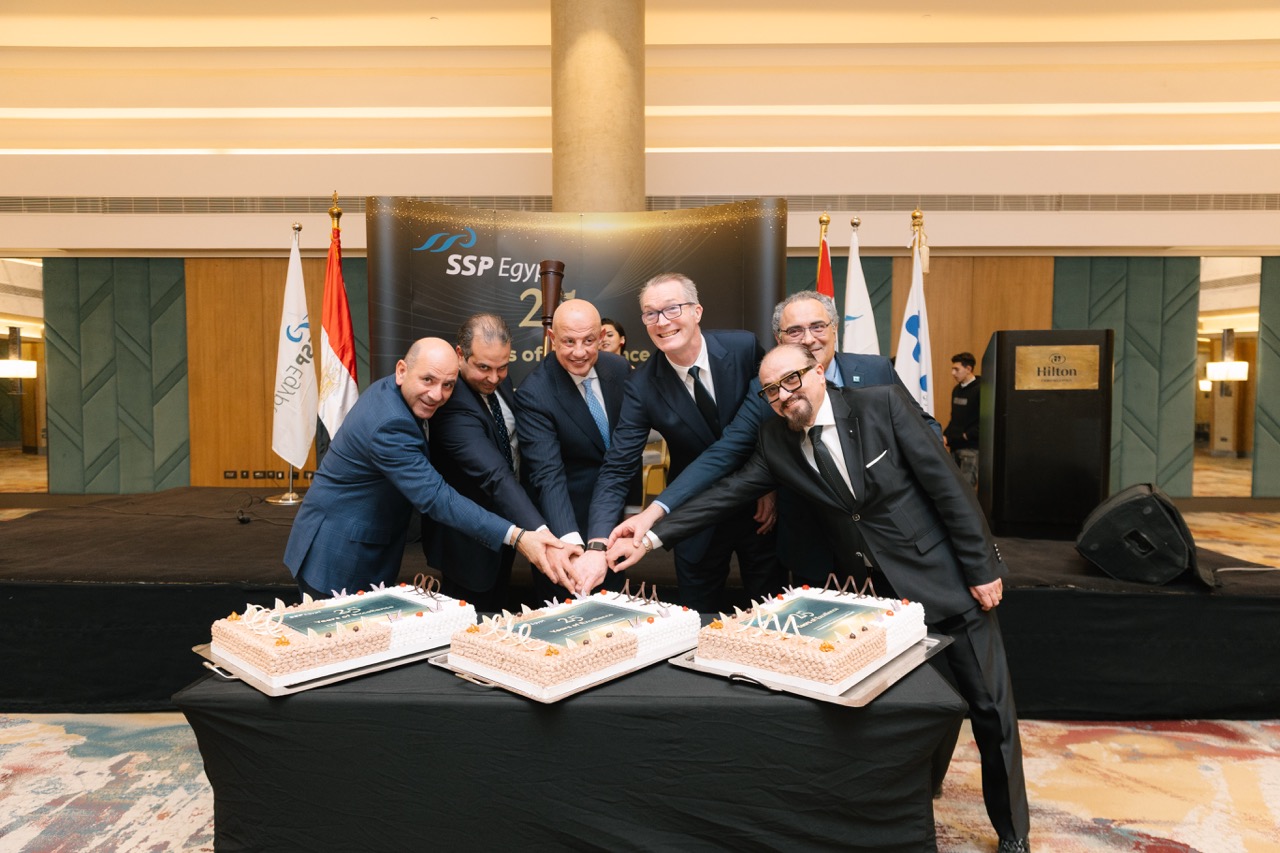
Having been a trusted partner of Egypt’s leading airports for 25 years, our high standards of delivery and ability to manage multiple-site operations have been proven over time. We’ve worked closely with our clients over these decades to secure a profound understanding of their passengers and how to meet those needs, as well as an appreciation of the unique cultural landscapes in which they operate.
Our global scale, coupled with our strong local knowledge, gives us a strong position in this market. It was therefore recognised that SSP was strongly placed to continue to elevate the passenger experience and meet the fast-growing demand for high-quality dining options in Egypt’s thriving air travel market.
How do you summarise the significance for SSP to be a partner at these locations?
Together Cairo, Hurghada, Sharm El Sheikh, Aswan and Abu Simbel airports welcome over 50 million passengers annually. Cairo International Airport alone serves approximately 30 million passengers, making it Egypt’s most important travel hub.
Driven by our passion for excellence, we’ll continue to honour our promise to deliver best-in-class food experiences, where exceptional flavour meets thoughtful service. Our focus remains on exceeding the expectations of both our clients and passengers, creating food & beverage offers that reflect our dedication to quality, innovation and long-term partnership.
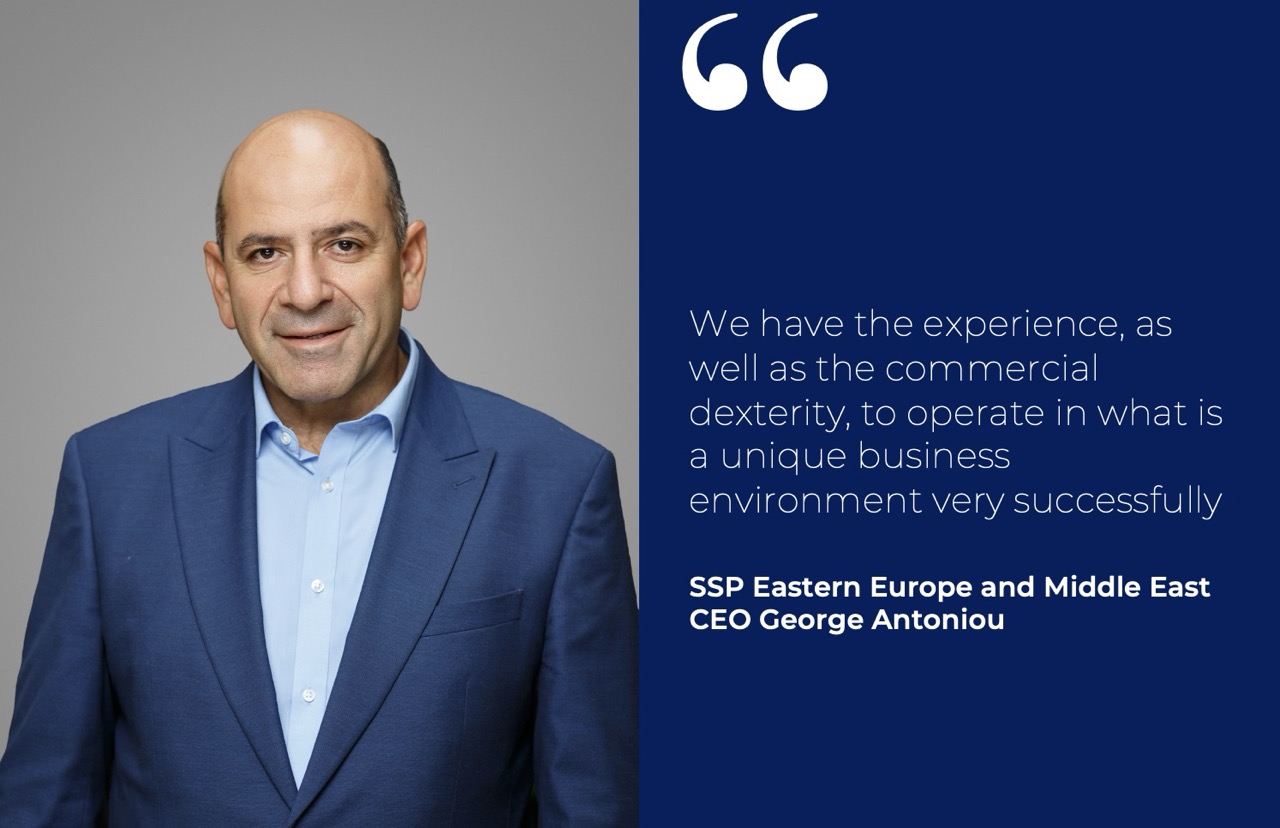
We have the experience, as well as the commercial dexterity, to operate in what is a unique business environment very successfully. A motivated and enthusiastic team here in Egypt and an excellent culture, coupled with a strong local infrastructure is a great foundation for business success.