

MIDDLE EAST/AFRICA. Sustainability in travel retail requires a unified effort; it cannot be achieved through isolated actions.
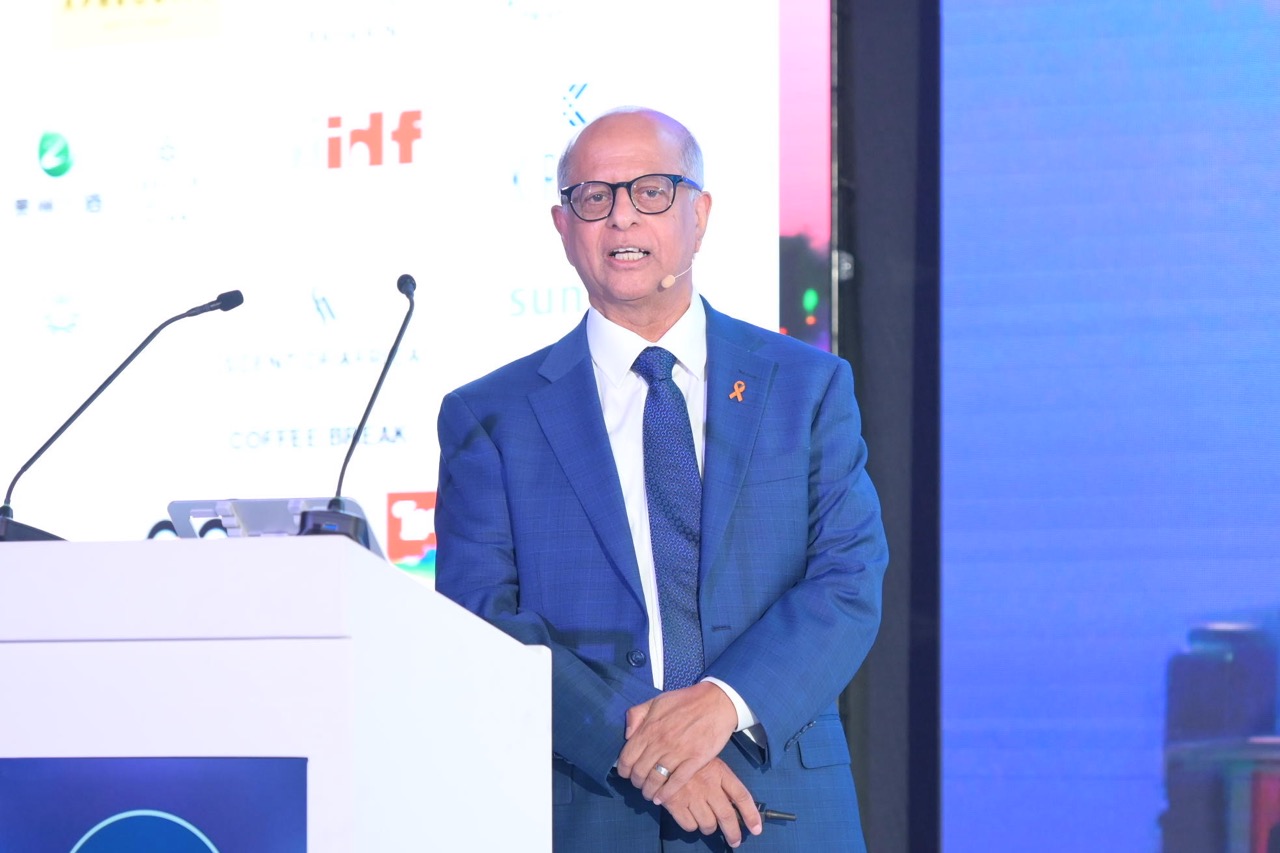
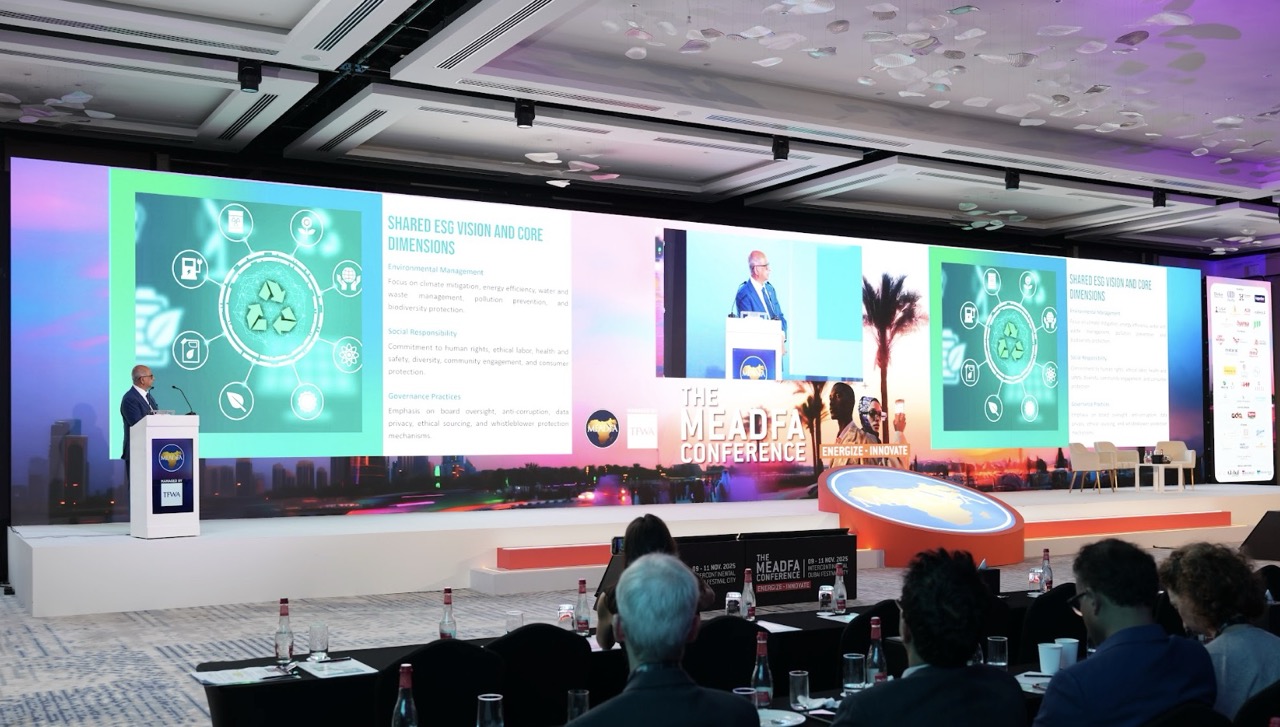
That was among the core messages from a key session at the Middle East & Africa Duty Free Association (MEADFA) Conference in Dubai on 9-11 November, featuring MEADFA Sustainability Committee Head Dr. Munif Mohammed and Kreol Group Executive Director Kreol Arakulath, and chaired by TFWA Conference Director Michele Miranda.
There are few more articulate and thoughtful travel retail executives than Dr Mohammed, who is also CEO of Lagardère Travel Retail Middle East and a driver behind the association’s ground-breaking Environmental, Social and Governance (ESG) Charter for Action. This foundational document is designed to guide members in how they can combine their efforts in areas such as waste reduction, achieving carbon neutrality and sourcing responsibly.

The Charter, he said, acknowledges the urgency of addressing global challenges such as climate change, biodiversity loss, social inequality and governance risks.
By adopting this Charter, Dr Mohammed noted, participating members commit to responsible business practices, regulatory compliance and leadership in ESG performance. The document sets the stage for collective action, stakeholder trust and long-term resilience in the sector.
Key objectives include the adoption of harmonised ESG best practices, compliance with applicable laws, development of responsible offers and transparent ESG reporting. It spans three core dimensions: environmental management, social responsibility and governance practices.
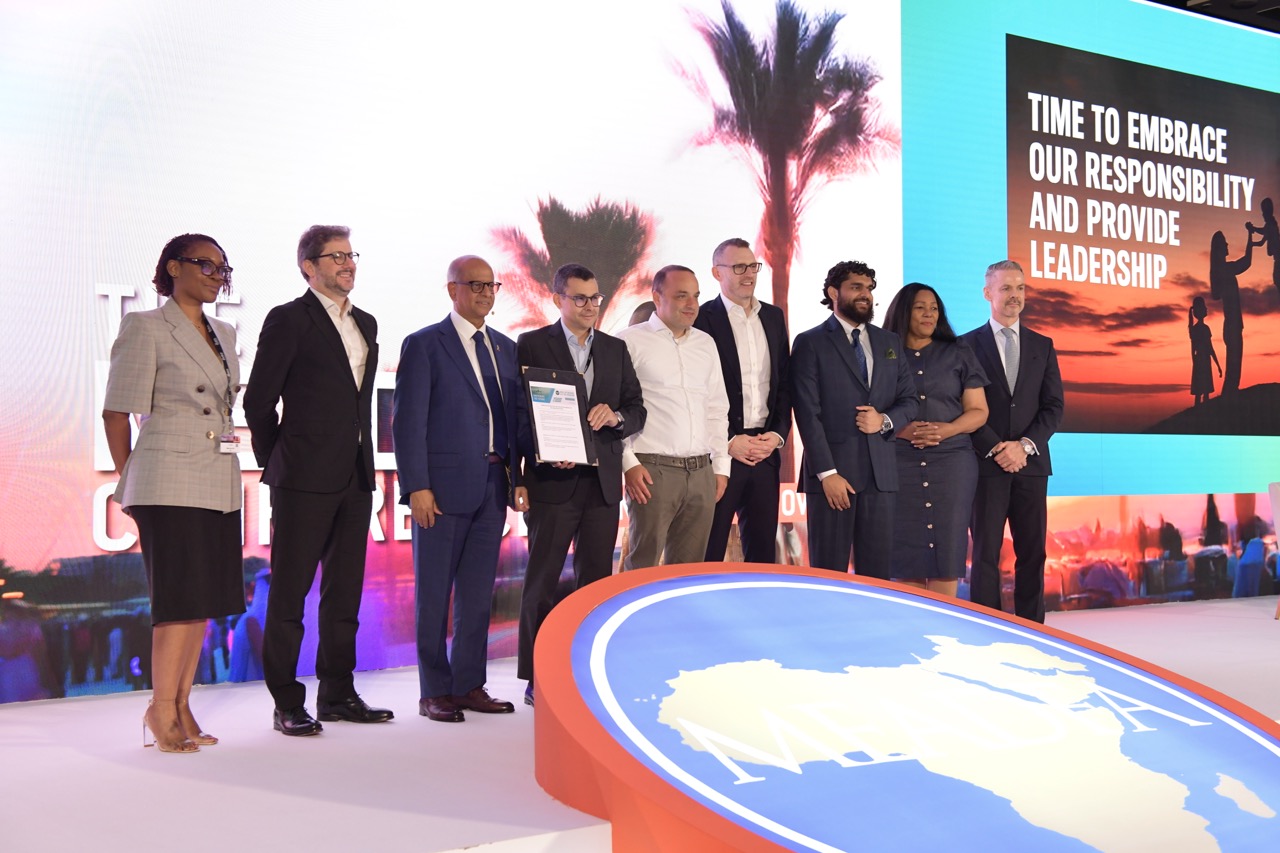
Members are already signing up to the Charter – and a number took to the stage to show their solidarity before the session closed.
Key criteria to join the Charter include being a fully-paid MEADFA member, signing the anti-illicit trade declaration by DFWC and TFWA, and showcasing ESG maturity through policies, certifications and sustainability reports. Executive-level endorsement, preferably by the CEO, is required to align the Charter with organisational strategy.
Participating members are also required to submit an Annual ESG Performance Report by 31 March each year. Additionally, members should provide narrative insights and case studies highlighting significant ESG initiatives, challenges and lessons learned. An ESG Steering Committee oversees the reporting process to ensure consistency and integrity across all submissions.
There are incentives to taking part, noted Dr Mohammed. These include access to MEADFA-organised training workshops, webinars, toolkits and policy templates. Members gain public recognition through newsletters, social media and industry events, and are invited to strategic initiatives such as pilot projects and innovation grants.
Long-term benefits encompass “enhanced brand equity, operational efficiencies, regulatory readiness, improved access to sustainable finance and stronger stakeholder relationships,” he added.
Additionally, MEADFA is hosting an Annual ESG Excellence Awards programme to honour outstanding performance in environmental innovation, social leadership and governance excellence.
In closing, Dr Mohammed presented a picture of how members working together can create more responsible products in a collaborative way, outlining how these can be scaled up.
“The idea is relatively simple. Retailers are directly serving our travellers every day. They are at the frontline and should bring the insight on what is important to the customer. Working together, the retailers agree on what is a more responsible product. This could be the changes that are required to the best-selling chocolate range, top whisky offer or the iconic fragrance line.
“These should be meaningful change that makes the product more responsible. The Charter does not prescribe the changes that would be required but encourages competitors to work together to find solutions. Retailers could work with brands to prioritise these product changes.
“The more responsible product could be given additional space is all the retail outlets with appropriate marketing and promotional support. In this way we could scale-up our efforts get more responsible products.”
A framework for ‘honest’ sustainability
The session also heard from Kreol Group Executive Director Kreol Arakulath, who called for an honest conversation about sustainability’s place in the travel retail value chain.
With superb clarity, Kreol – son of company founder Lal Arakulath – drove right to the heart of the matter on the theme of ESG and how all stakeholders should play their role in ensuring a socially responsible value chain.
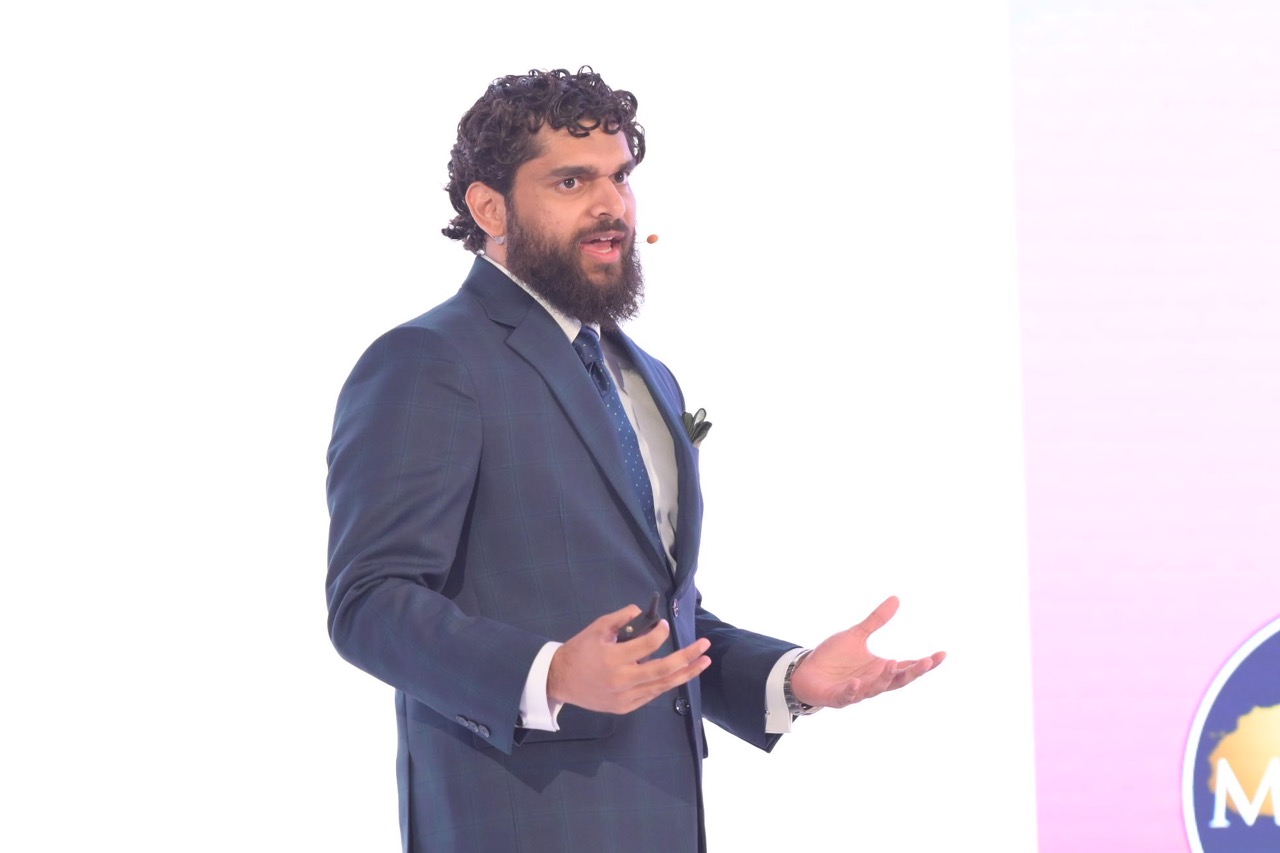
His analysis looked at sustainability as a question of the value chain rather than simply a compliance exercise.
He examined how financial structures, stakeholder incentives and commercial relationships create the conditions that either enable or prevent authentic environmental progress in travel retail.
Importantly, he addressed an inherent tension for aviation. “On one hand, we are talking about lowering carbon emissions, but we want more people to get on airplanes and travel,” he said. “Is that a contradiction?”
Leaning on the Kreol Group’s experience across the industry Trinity to propose a comprehensive model for honest collaboration.
The ESG game
He traced the conversation around ESG from conceptual framework to institutional instrument. Arakulath examined how in the 2010s sustainability discourse, exemplified by debates over paper versus metal straws, gave way to pandemic-era disposable culture.
Investment firms, he noted, began positioning ESG portfolios as simultaneously ethical and profitable, but the lack of standardised metrics created opportunities for what he characterised as “system-gaming”.
Arakulath identified specific mechanisms through which companies can appear sustainable without substantive change: purchasing carbon offsets rather than reducing emissions, double-counting credits, transferring problematic assets to less transparent private equity structures, and using sustainability-linked financing without corresponding operational transformation.
“Bad actors tend to gamify it,” he said. “So it becomes more about how you can get a higher ESG score without necessarily doing the real work.”
Mixed messaging
As industry focus shifted toward technology and artificial intelligence, ESG receded from strategic priority, he said. This transition introduced new contradictions, with Arakulath referencing claims that ChatGPT interactions carry environmental costs, illustrating how complexity now obscures rather than clarifies. The result is “decision paralysis from contradictory signals rather than clarity around meaningful action”.
Against this landscape, Kreol proposed a return to first principles. “What we are saying is, if you are fortunate enough to be able to earn an honest living, reinvest a little bit of that into the betterment of society. That’s the core premise of social responsibility.”
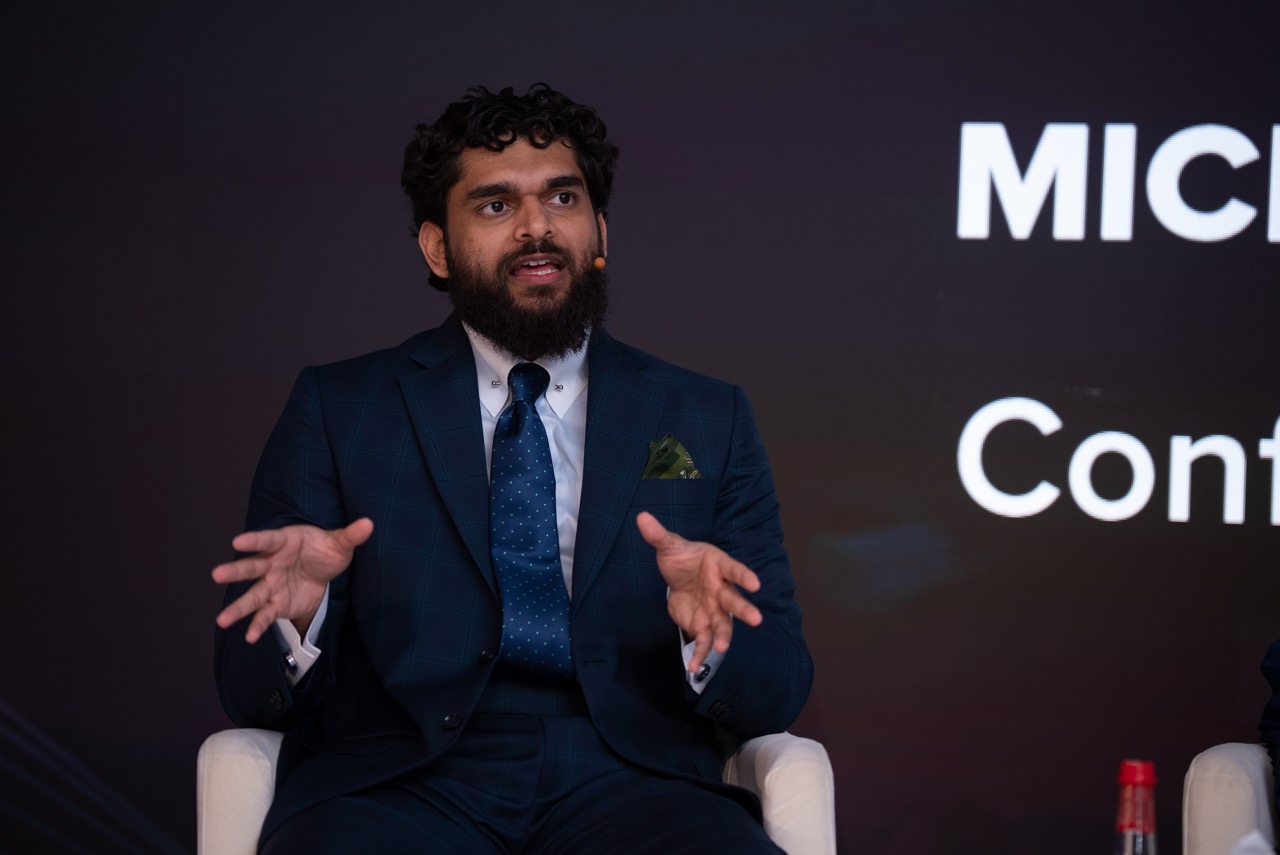
Arakulath also examined each Trinity stakeholder’s sphere of influence.
Brands control product development but face documented gaps between stated consumer preferences and actual purchasing behaviour. He cited Kreol Group’s work with a UK personal care company that launched a sub-brand called ‘Zero’, incorporating fully recycled packaging, sustainable ingredients and ethical supply chain verification.
Market response revealed a key economic constraint: “Consumers were not prepared to pay the premium for all of the fully recycled packaging, sustainable ingredients and compliant ethical supply chain,” he said.

The analysis extended beyond environmental metrics to encompass broader accessibility considerations. Kreol’s efforts to launch NaviLens technology on Pringles’ packaging provides audio navigation for visually impaired consumers, while dietary accommodations like sugar-free chocolate address passenger-specific requirements.
“If I have to conclude on the brand side of things, I would say that the brands have the strongest sense of community because they spend most into emotional engagement,” he said, highlighting their ability to directly message consumer audiences more effectively.
Retailers influence passenger behaviour through assortment curation, traffic flow design and construction material selection, he noted. Airports occupy a unique position with governmental access for advocacy and regulatory influence, while establishing what Arakulath termed “the temperature for the entire value chain”.
He highlighted Cochin International Airport’s achievement of complete solar self-sufficiency as demonstrating that comprehensive sustainability becomes possible when organisational commitment is aligned and airports take a lead role.
Economic structure and commercial reality
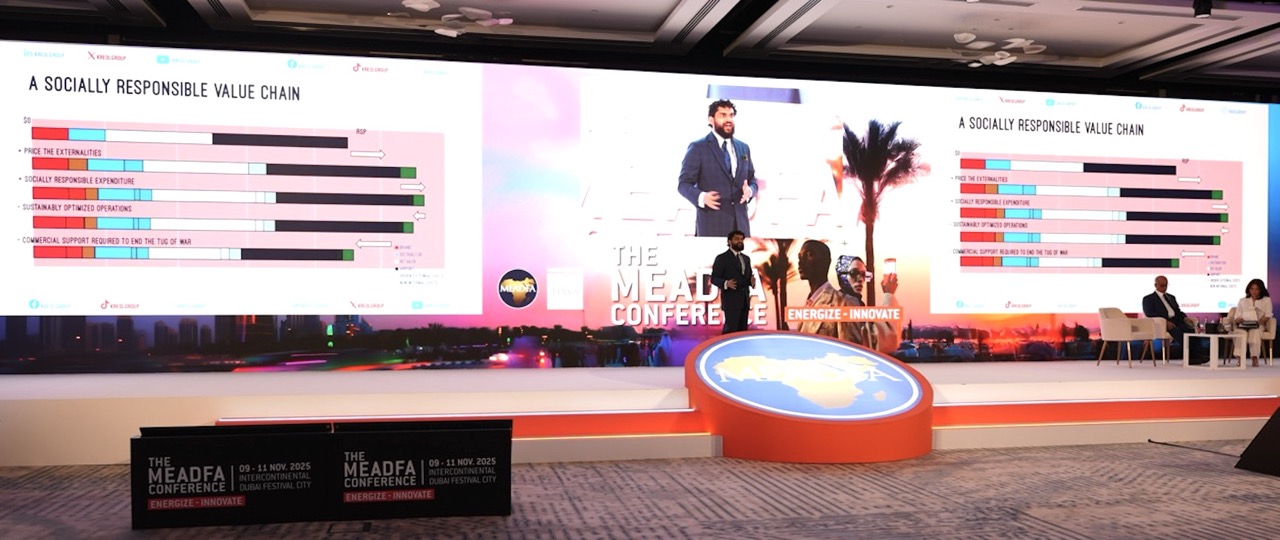
The presentation’s economic analysis addressed how sustainable practices affect value chain costs. External societal costs, responsible expenditure and enhanced operational standards all increase product pricing.
While certain initiatives like digital documentation generate efficiencies, these don’t substantially help duty free’s fundamental value proposition, he said. “The real support comes from commercial support when it is passed down the value chain.”

Arakulath’s proposal centred on airports’ unique structural position. Their commercial terms establish the economic framework within which all other participants operate, making their financial decisions determinative for sustainable initiative viability.
“The best collaboration for actually having a sustainable value chain is, airports have to make a conscious decision on which initiatives they want to support, even if it’s for a time-bound period, and waive different commercials to highlight or support those,” he said.
This model, he argued, would reduce pressure on retailers currently managing margin compression by squeezing suppliers. It would enable brands to invest in sustainable product development without cost pressures forcing abandonment. Distributors could then prioritise sustainable operational execution.
Kreol concluded by framing sustainability as fundamentally a question of alignment between stated values and financial commitment.
“If we’re not in a position to put our money where our mouth is when it comes to sustainability, then we’re not exactly being honest with ourselves,” he said. ✈