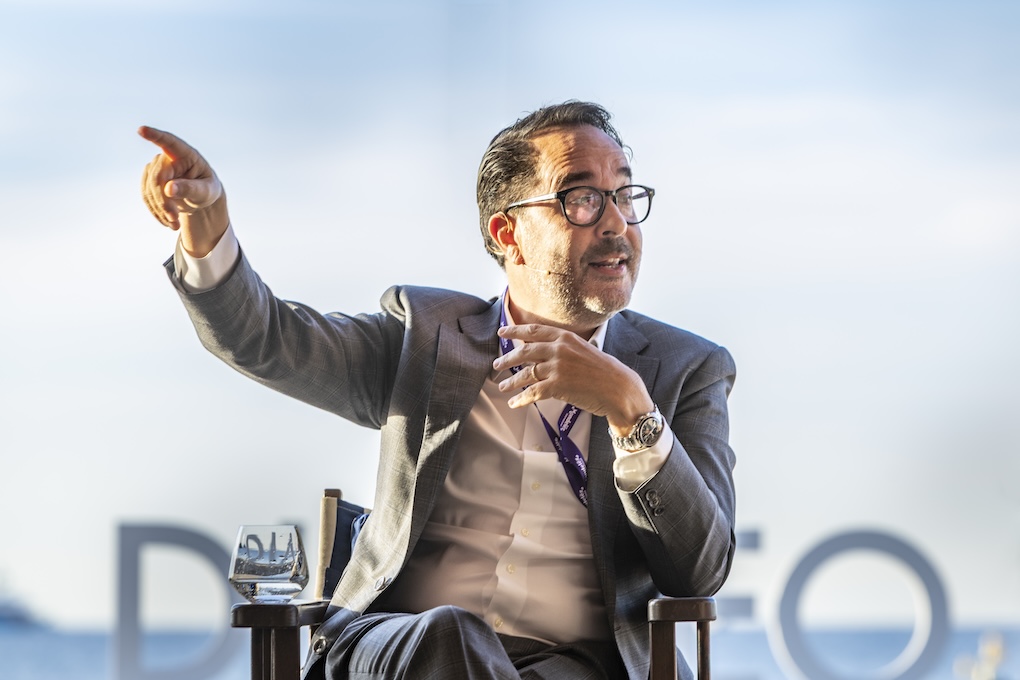
In this guest column, we hear from Mondelez World Travel Retail (WTR) Head of Customer Development Richard Houseago, who highlights the growing importance of personalisation to engage travellers’ emotions in the digital era.
With the advent of social networks, shoppers feel increasingly empowered. They have become advocates, critics and creators, seeking a connection to brand and retail experiences that acknowledge their individual needs and desires. It also presents an opportunity to emotionally influence the services and products that they consume: personalisation.
The democratisation of personalisation
While personalisation used to suggest status (e.g. initials engraved on a luxury timepiece), rapid advancements in technology are making personalised communication, services and products affordable and accessible. Shoppers can now make their mark on any product, pick a specific variation or convey a message that appeals to them. By doing so, they might also become part of a marketing campaign through user-generated content.

Personalisation is about individualism, differentiation and emotion, and as the contest for shoppers’ attention escalates, it has never been more important for brands to differentiate their offering to engage shoppers. Arguably, this becomes even more relevant in the travel retail environment while seeking to overcome the perennial challenges of category penetration and conversion.

What’s in a name?
What distinguishes personalisation from other trends that we’re currently seeing – and what makes it so effective as a brand engagement tool – is its inherently shopper-centric nature. Being directly addressed and seeing their name or a message that they personally identify with on a product makes shoppers feel special and important. There’s an emotional connection that transcends the empowerment of choice of variety.
Take the mega-successful #ShareaCoke campaign in 2014, which saw Coca Cola replace its logo on bottles with slogans and the most popular names in the US, and then extended this to further geographies. Shoppers were encouraged to find bottles with names or messages that they connected with and give them to a friend or family member. Do you remember finding your name on a Coke? It was exciting stuff. Every year since, Coca Cola has updated the campaign to keep it relevant for shoppers, adding more engaging elements.
Mondelez WTR was among the first to pioneer personalisation in travel retail with Toblerone Messages back in 2017, using the number one chocolate brand in the channel to leverage the trend. Since then, we’ve strived to keep the personalisation opportunities fresh and relevant, implementing the Toblerone ribbon printer last year and, most recently, the Toblerone sleeve printer. For the first time in travel retail, travelers can print any name or message onto the iconic 360g bar – an innovation that has been met with great enthusiasm.

Cue the queue: More Shoppers, More Spend, More Often
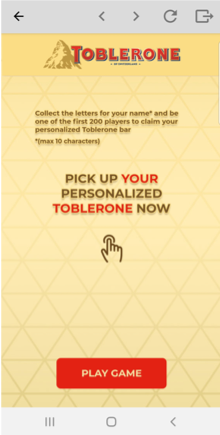
During the TFWA World Exhibition in Cannes earlier this month, Mondelez WTR launched a digital campaign to highlight our approach to enhancing the shopper experience through digital technology, as well as the ability of our most innovative personalisation tool to date – the Toblerone sleeve printer – to drive footfall and conversion. By accessing a mobile game via a QR code, users could catch falling letters with a virtual Toblerone to personalise their bar and redeem it from the Mondelez WTR stand. The Toblerone sleeve printer was presented on site to demonstrate the technology to industry stakeholders.
To call the personalised sleeves ‘popular’ is a bit of an understatement; by the final day of the exhibition, we’d run out of Toblerone bars – something that’s never happened at the TFWA World Exhibition before. However, the exercise highlighted a trend that runs concurrently with personalisation; had each delegate only printed their own name on a sleeve, we’d likely have sat with some leftover chocolate on Friday. Most delegates, however, had a few names in mind – loved ones. Let’s not forget that gifting accounts for 43% of travel retail purchases, according to research from m1nd-set.

Growing trend
The power of personalisation is being picked up across all categories in the channel; holistic wellness brand Rituals showcased their personalisation-focused ‘Hair Temple’ at their stand in Cannes this year, while Luxottica’s personalised engraving service grabbed the attention of shoppers at a Persol sunglasses pop-up at the Mandarin Oriental Lake Como this summer – to name only a couple of examples. Brands that embrace personalisation have an opportunity to create a differentiated proposition that can improve shopper traffic and conversion.
The future: Digital-enabled emotion
As shoppers become increasingly connected, it becomes ever more important for us to reach them at every stage of their journey: an omnichannel approach, using digital to spark that emotional connection and not rely solely on the theatre of activations to attract travellers in-store. This means reaching them on their most personal possession – their mobile phones – and offering pre-order personalisation before their journeys, as well as opportunities to keep that connection alive afterwards. Another example from Toblerone is the QR codes that shoppers can add to Toblerone Tiny bags to share a personalised video along with the gift of chocolate, ensuring that the experience and emotional touch live on after their travels – 360 degrees of brand engagement.
In conclusion, while personalisation offers a path towards sustainable growth, more importantly, it is a concept that shoppers love. Today, we’re able to get closer to our shoppers than ever before. When we listen to what they want, when we engage them in an emotional way that is meaningful to them, we get closer to the heart of the shopper and, to paraphrase Mondelez WTR Managing Director Jaya Singh from an earlier opinion piece, the heart is really the key to the economics.