
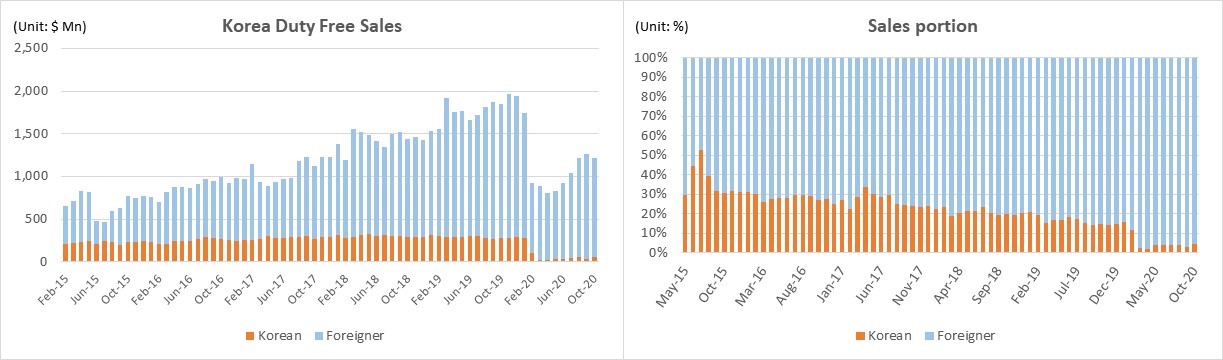
SOUTH KOREA. Duty free sales in South Korea slid by -34% year-on-year in October to US$1,215 million, according to figures from the Korea Duty Free Association, writes The Moodie Davitt Report Senior Retail and Commercial Analyst Min Yong Jung*. But strong sales to overseas shoppers continued, driven by the corporate reseller market, while offshore duty free sales on Jeju Island boomed.
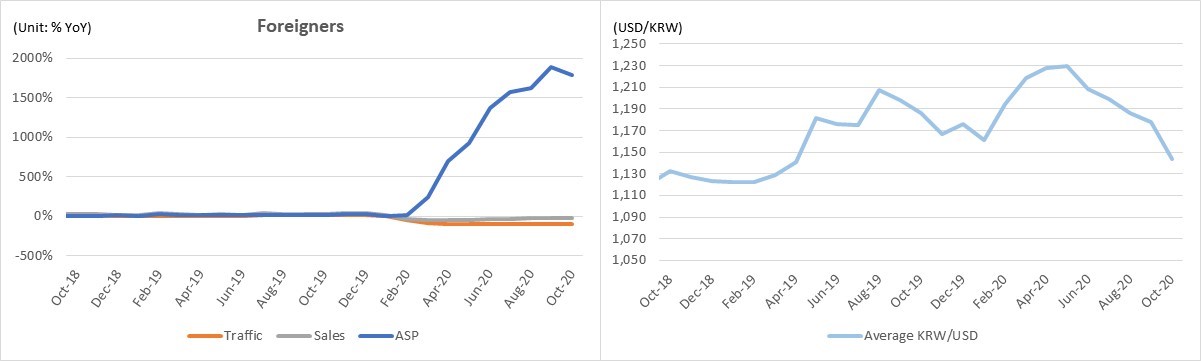
Average spend per foreign customer (almost all daigou) increased by +1,786% year-on-year in the month to US$16,393.
Overall, sales to foreigners fell -26% year-on-year to US$1,159.6 million while those to Koreans decreased -79.9% to US$55.3 million.
Duty free market sales declined by -4% month-on-month, putting an end to a positive run of monthly growth (June +11%, July +13%, August +17%, September +3.5%). The decline in October was due to the timing difference of Korea’s Chuseok holiday, which last year fell in September and this year from 30 September to 2 October. Sales during the holiday are usually slow with resellers often stocking up on supplies leading up to the event.
JDC Duty Free, which runs offshore duty free stores at Jeju International Airport and the Port of Jeju, posted average daily sales of KRW2.4 billion (US$2.2 million) from 1 to 28 October, up+117% year-on-year

As noted above, sales to Koreans are sharply down compared to last year but the month-on-month growth rate was +51%. The increase was mainly from a leap in sales from Jeju Island, which increased from KRW36.3 billion (US$32.7 million) in September to KRW56.8 billion (US$49.4 million) in October – the highest monthly sales there this year. Jeju Island, like Hainan in China, is home to an offshore duty free industry and the two locations have been the only bright spots for travel retail over recent months.
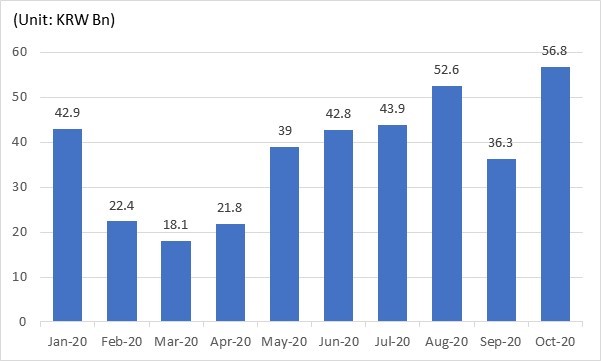
There are two reasons behind the recovery in Jeju Island. One is the increase in domestic travel, while the other is an increase in shopping allowances for Koreans, introduced in April.
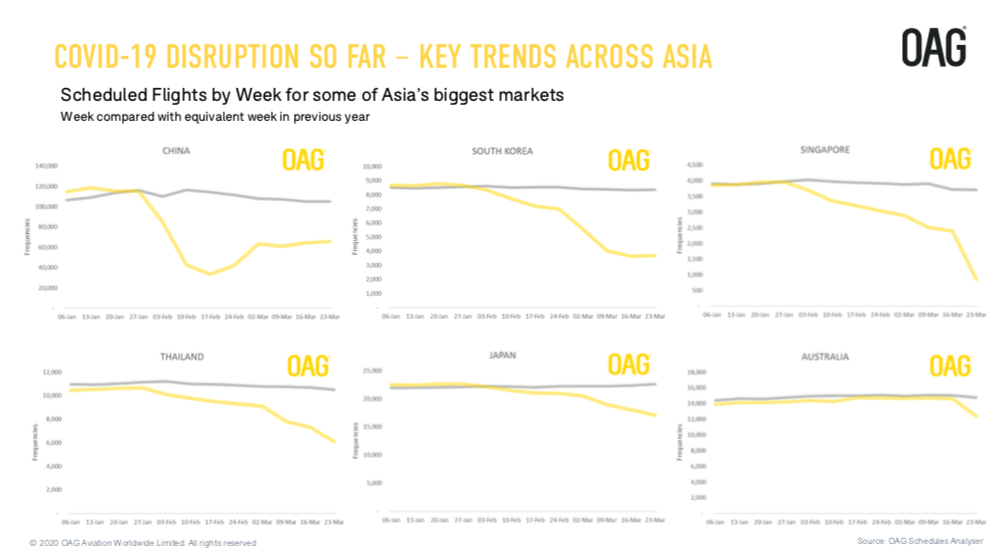
Many Koreans unable to travel overseas are choosing to fly within Korea and Jeju Island is a hugely popular destination. Like the US Thanksgiving holiday, Korea’s Chuseok is a national event where large family gatherings occur. This year, however, the government discouraged people from making family visits. Instead, many chose to fly to Jeju, with visitor numbers during the Chuseok holiday increasing from 266,790 in 2019 to 280,125 visitors in 2020.
Korean Air told The Moodie Davitt Report that flight demand was extremely high during the holidays. Flight ticket prices were over three times higher during Chuseok compared to average weekend rates. Bookings during Chuseok exceeded 80% of available capacity, far higher than the average 50% leading up to the holiday.
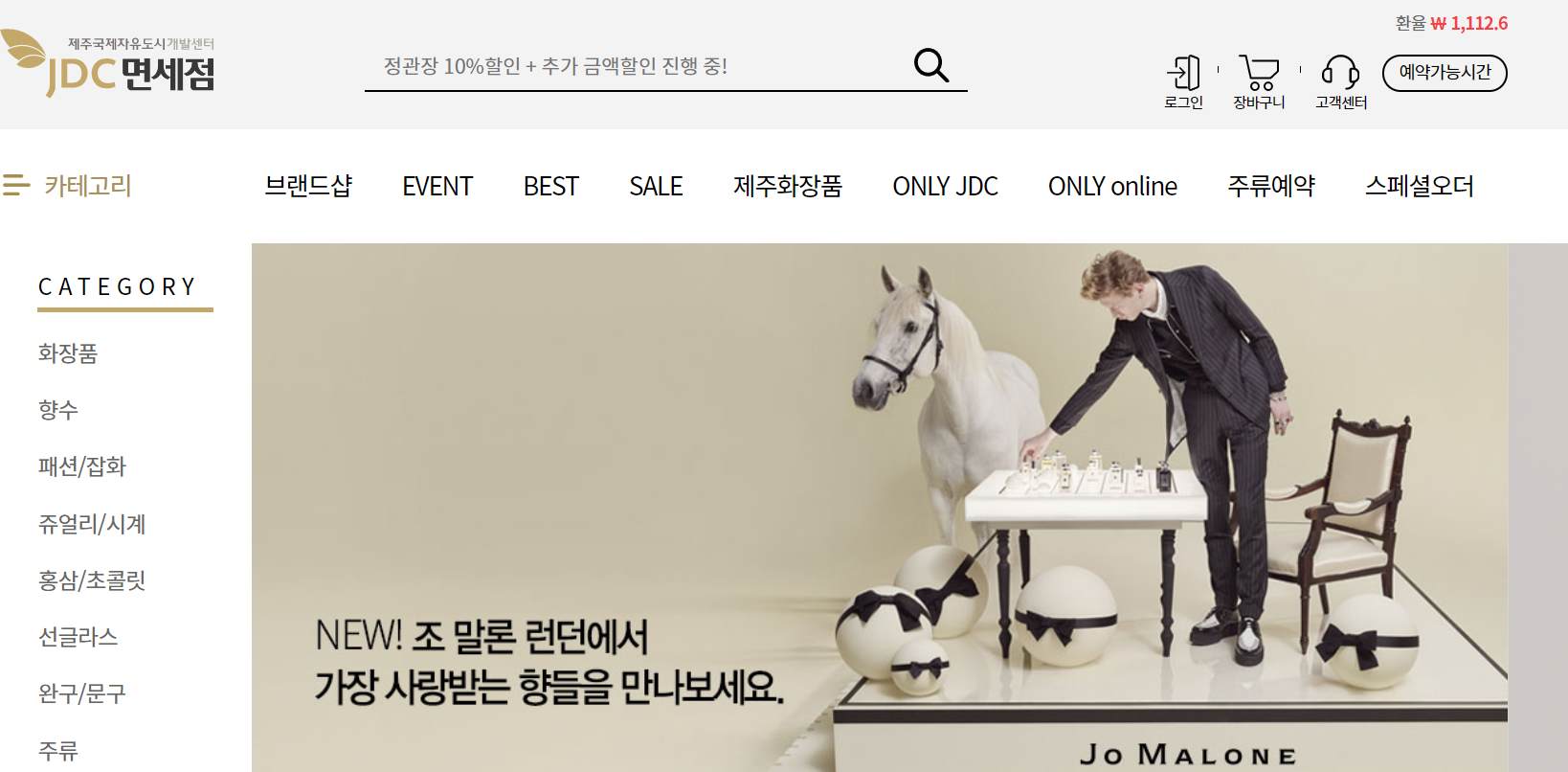
The positive sentiment spilled over into the duty free market. JDC Duty Free, which runs offshore duty free stores at Jeju International Airport and the Port of Jeju, posted average daily sales of KRW2.4 billion (US$2.2 million) from 1 to 28 October, General Manager Kenny Kim told The Moodie Davitt Report, up+117% year-on-year.

The other factor, as noted, was the change in regulation that increases the duty free purchase limit for Korean nationals on Jeju Island, introduced in April.

Until the regulatory change, the duty free limit in Jeju’s designated stores was US$600 per person (and an annual limit of six purchases) including one bottle of liquor (below one litre in size) and 200 sticks of tobacco. The latest change saw the liquor and tobacco purchase excluded from the duty free value limit. This means a Korean national can purchase up to US$600 of items at Jeju designated duty free shops alongside their liquor & tobacco allowances.

In other news. China’s Foreign Minister Wang Yi is expected to visit Korea on 25 November. Korean media expect the government to discuss the long-awaited visit of Chinese President Xi Jinping to the Republic. Industry observers remain hopeful that this will lead to the resumption of package tours from China to Korea.

*Note: Korean national Min Yong Jung, formerly based in London and now in Seoul, is Senior Retail and Commercial Analyst at The Moodie Davitt Report. His appointment in June 2019 was the first of its kind in travel retail media. It marked the creation of the Moodie Davitt Business Intelligence Unit, a new division designed to provide a previously unseen level of research and analysis for the travel retail channel.
Do you have research needs related to the Korean and Asia Pacific travel retail and luxury markets? Min Yong Jung can be contacted at minyong@moodiedavittreport.com