

ARI CEO Ray Hernan talks to Dermot Davitt about communicating value, promoting local with authenticity and maintaining travel retail’s relevance. The full interview appears in our September/October Cannes edition, which can be accessed here (page 114).
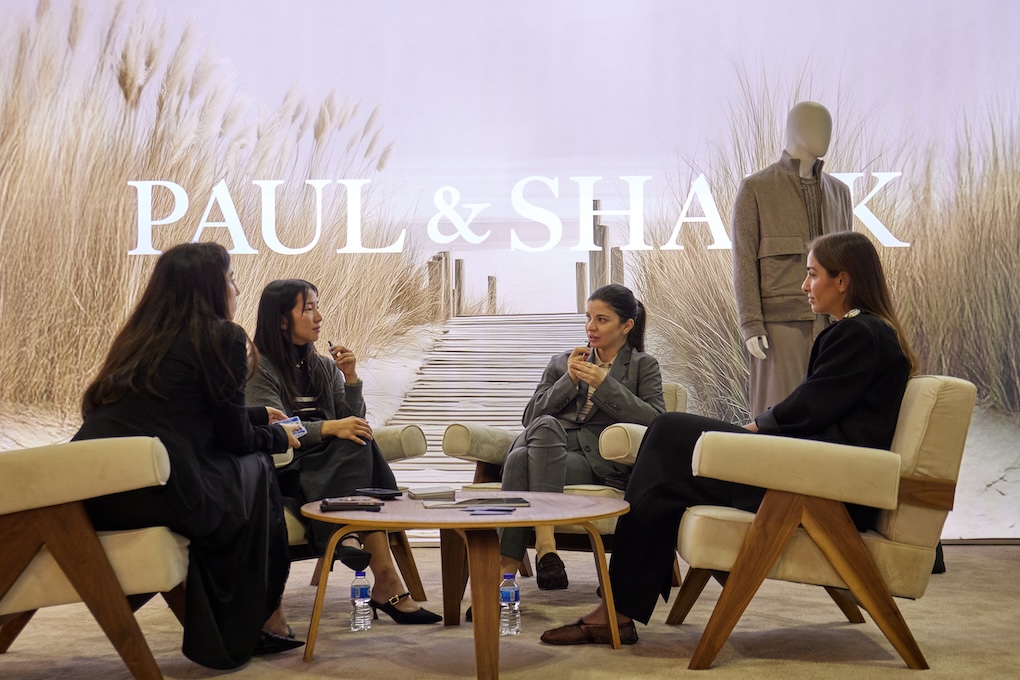
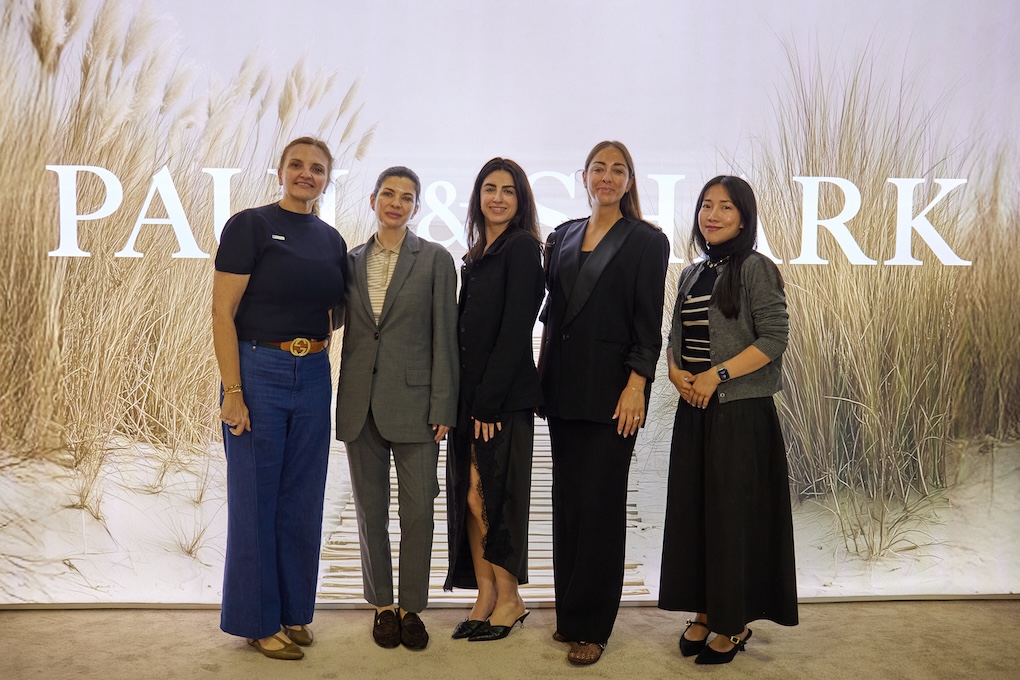
IRELAND/INTERNATIONAL. At The Trinity Forum in Doha in February, ARI Chief Executive Ray Hernan addressed the key question of what value means to travelling consumers and how well (or poorly) our channel communicates it.
He asked pointedly: “Are we doing a good job when only one in four passengers makes a purchase in our stores? I have been in the business for eight years and, despite a great deal of change, we have not moved the needle enough.
“For us, sustainable growth is not just about increasing average transaction value; it is about improving penetration.
“Relevance and alignment with consumer values remain inconsistent across the industry.”
Returning to this theme in our Cannes edition, Hernan says that we must address certain big-picture questions to move forward collectively and profitably.
Price still matters, he notes, but the industry proposition must also thrust to the fore our common values of exclusivity, convenience, engagement and experiences that encourage exploration.
Addressing all of this means closer collaboration between actors in the eco-system. And here, against the backdrop of crisis in the Middle East – a key region for the Irish state-owned travel retailer – some positives have emerged.
Hernan says: “Times of great difficulty make industries come together. In the Middle East this year I have seen far greater collaboration than before between ourselves, F&B operators and indeed other competing operators, as well as airports themselves, to capture the attention of as many passengers as possible.
“We have been able to extend our selling beyond the demise line of our stores, giving out information on campaigns or simply telling travellers what we offer. We have seen cross-selling at scale between business channels such as shopping and dining.
“That is facilitated by the airports, some of which have found an even greater understanding of just how important non-aeronautical revenues are, at a time when passenger numbers have fallen sharply.
“We have seen a big impetus to make the most of a smaller pie, with fewer passengers, and create an environment that is seamless for the traveller.”
Lifting conversion
Those dynamics have had commercial impact too.
Hernan says that while average transaction values have remained steady (at a global level), spends have been resilient and even risen in some markets.
“We have seen higher conversion of passengers to shoppers the more we have worked, in collaboration with partners, to entice people into our stores.
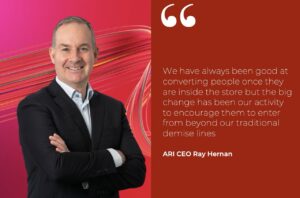
“We have always been good at converting people once they are inside the store but the big change has been our activity to encourage them to enter from beyond our traditional demise lines.
“Our teams have worked hard on this over the past year, and talked about value – and those elements that go beyond price – and it has made a difference. Of course the big picture is that 2026 is still a very tough year, with like-for-like sales down, and with lower passenger volumes across many airports, not only in the Middle East.”
Relevance through differentiation
Ensuring a relevant offer for all shopper types in the environment, where newness can flourish and differentiation is a lever that travel retail can lean on, remains vital.
“To convert passengers who are not buying into shoppers, we need to offer something new or different,” says Hernan. “The Trinity of brands, airports and ourselves all have parts to play in pulling together.”
On the principles that ensure travel-retail exclusive (TREX) products works for all partners and for the consumer, Hernan says: “The opportunity for brands is clear. You have got a captive audience and a chance to engage that they do not have online in the same way. They can build commitment and emotional attachment in this channel with exclusivity and a debut in the channel for a period of time, before entry to other channels.
“I do think that TREX availability only in airports is a challenge, given that brands want assurance on volume to justify their investment.”
On how brands view the relevance of the channel, and invest behind this, he adds a note of concern.
“It is a worry, particularly in recent times, that we have seen resource cuts among some major brands. We will have to spend more time helping new people to understand the dynamics of the airport. But it is fundamental that we succeed.
“For us as retailers it is critical that we drive home the message about why the retail channel in airports should be an important part of the brands’ broader retail proposition. Travel retail does a very good job in reflecting the equity of brands, in excellent environments with great service.”
Going local with impact
In a wider sense, building an offer that resonates with authenticity, reassurance, appropriate packaging and is different is not easy.
Local products, a core element in the ARI strategy across its network, are an example. Buying teams spend a lot of time ensuring products are tailored for travel, and while local products are not selected on margin alone, they need to deliver relevance and differentiation while still earning their space commercially.
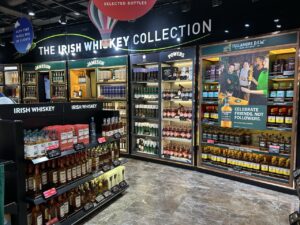
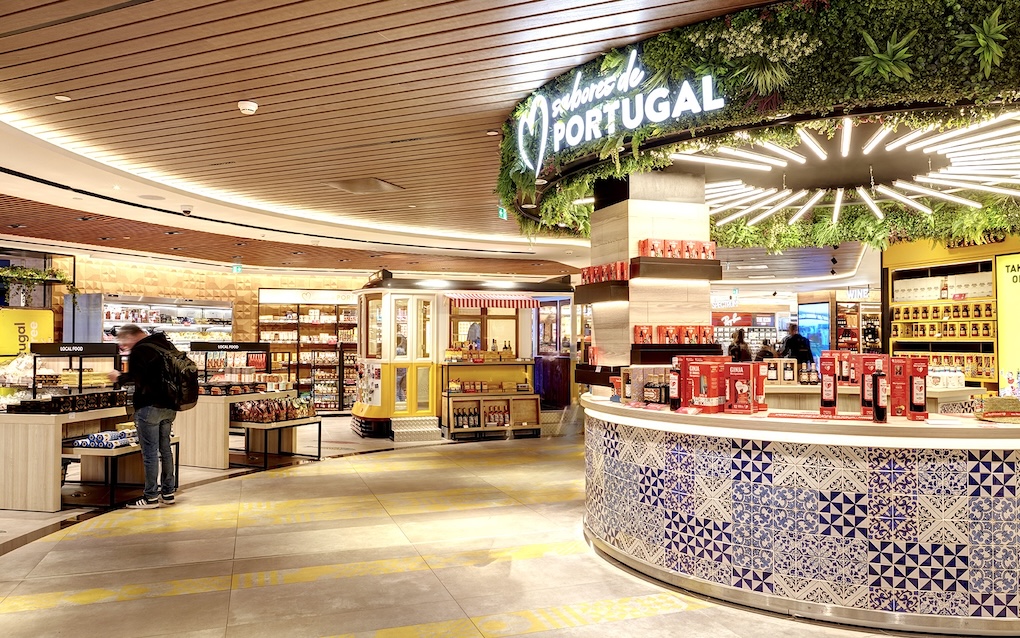
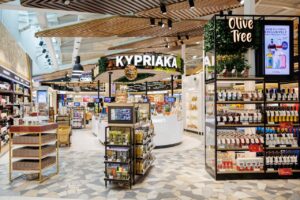
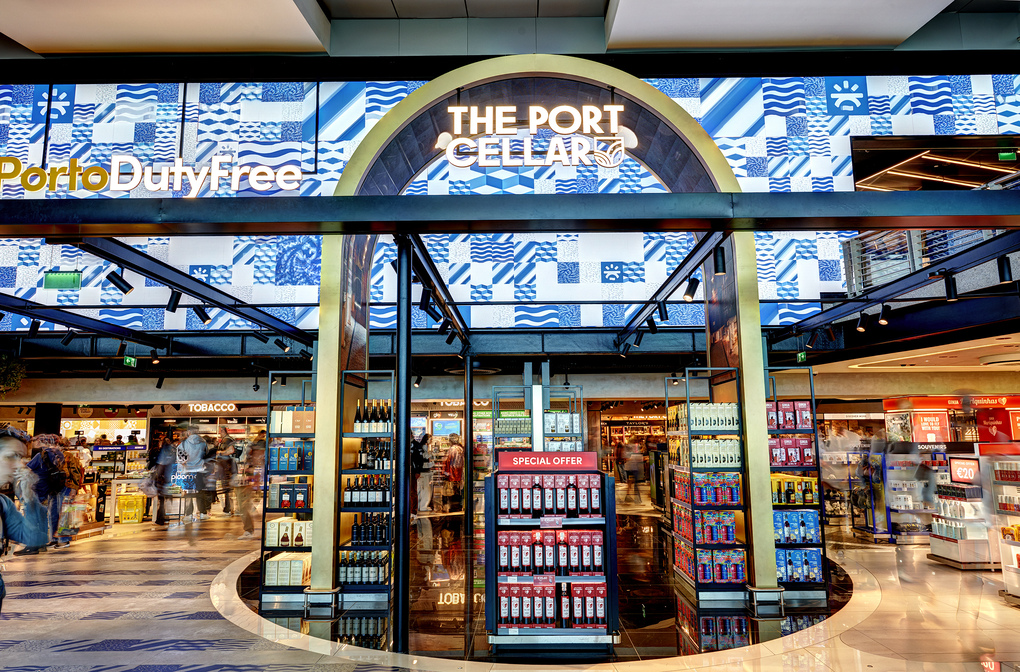
“In many locations, whether it’s Kypriaka in Cyprus or Sabores de Portugal, we have placed local at the core of our commercial proposition, part of the store rather than tucked away in the corner,” says Hernan. “In our industry, the local and sustainable proposition is too often a few gondolas that are not very visible, compared to really feeding into the store and telling a story about the place.”
That theme of promoting local also chimes with the wider topic of experience in the airport retail arena. While the concept of ‘retail-tainment’ has validity and appeal, it should enhance the value proposition, not add to the many distractions facing travellers, says Hernan.
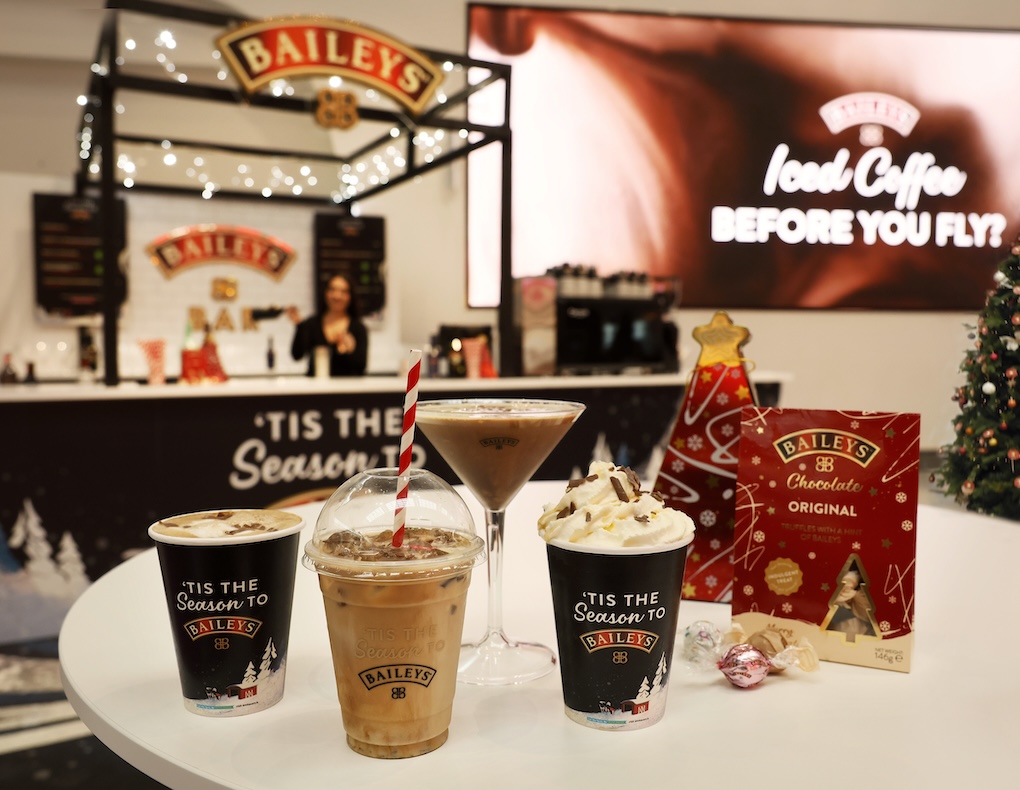
“We should be looking at experiences that are more holistic, for example tastings that have a direct connection to the brand. We have to tell people about the new product and we certainly have to communicate on exclusives, which can too often be hidden gems.”
A changing mix
This bring us to back to the big picture of building an assortment that mirrors consumer demand. While the spirits & wine business share is declining in relative terms, beauty is extending its lead as the number one category.
Hernan says: “Fragrance is taking an even bigger proportion of the beauty category and will continue to grow. New brands entering that space represent an opportunity, even if skincare and makeup are currently under pressure.”
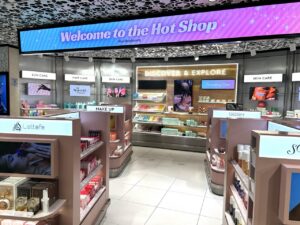
ARI has leaned into that opportunity by developing its own concept, Hot Shop, launched in April at Larnaca Airport through Cyprus Duty Free. This encourages up and coming brands that have a social media following to scale up without the travel retail investment normally required.
Hernan says: “Hot Shop is timely, it’s on-trend, it’s an incubator for new brands that can prove themselves and move onto the main shop floor. Hot Shop as a proposition is resonating with travellers, and not only younger travellers but with all generations.”
Investment priorities
Given its early success in Cyprus, that concept will play its part in future store upgrades across the network. ARI investment priorities today include refurbishments at Dublin Airport Duty Free – where new liquor, confectionery and destination merchandise spaces will open in Terminal 1 by late November – and at Montréal Duty Free, with both projects due for completion in 2027.
At Cork Airport, a €200 million Capital Development Plan announced this year will, among other projects, deliver enhanced space for ARI to enhance its travel retail offer.

Since 1 April, the major spotlight has been on the company’s newest big contract, at New York JFK International Airport Terminal 4, alongside International Shoppes and local minority partners in the JFK T4 Retail Partners alliance.
A phased programme of store enhancements, brand introductions and experiential activations has started rolling out as part of the terminal’s continuing US$1.5 billion transformation.
Hernan says: “T4 has got the largest and most diverse international traveller audience at JFK. We have to reflect the demands of passengers flying to Europe, the Middle East and the vast South American market, among other regions. We have to get our customer insights and product proposition right to meet their needs.”
Concluding, Hernan summarises how ARI and the wider industry should think about relevance and fine-tuning the offer for today’s travellers.
“We need exclusives, price promises, clear messaging, stores that can be traversed easily and above all, we must avoid queues, which are a big turn-off for shoppers at airports. These are the fundamentals.
“Then it is about who we engage. There is a clear focus on the next generation of passengers, who are very topical in the context of relevance and conversion. But let’s not forget about the other cohorts that we need to engage, who have high levels of disposable income.
“We must understand reason for travel better. Are people visiting family or friends? Are they travelling in a couple or a group? Are they a lounge customer?
“We need to evolve our proposition to make sure that we capture the new people coming into the market, but also we absolutely need to convert more of those passengers that have more discretionary spend but are not engaged today. Doing that in collaboration across the industry can help us deliver real value to our shoppers.” ✈
*The full interview from our Cannes edition can be accessed at this link (page 114).