

DENMARK/SINGAPORE. Singapore-based Lighthouse Trust has acquired the technology and intellectual property behind Intelligent Trolley Service (ITS), relaunching the platform as AI-TS under its aviation technology arm, Danish Innovative Aviation Systems (DIAS).
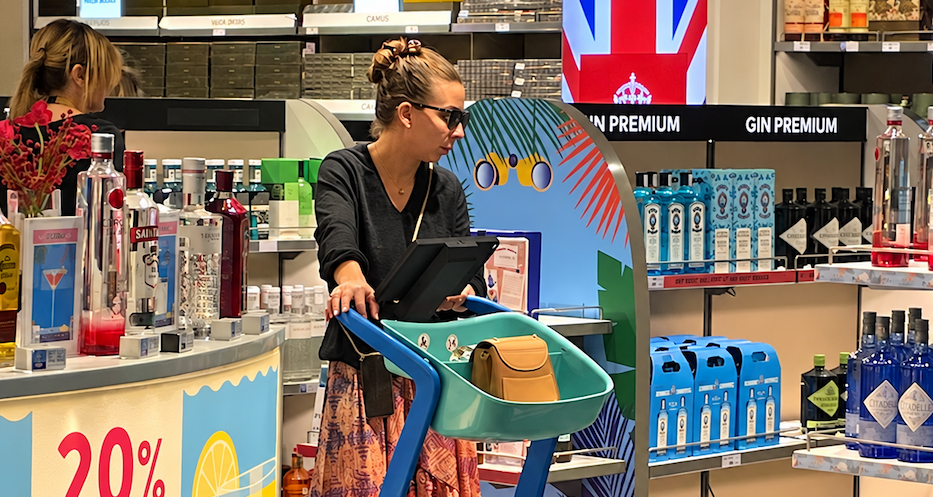
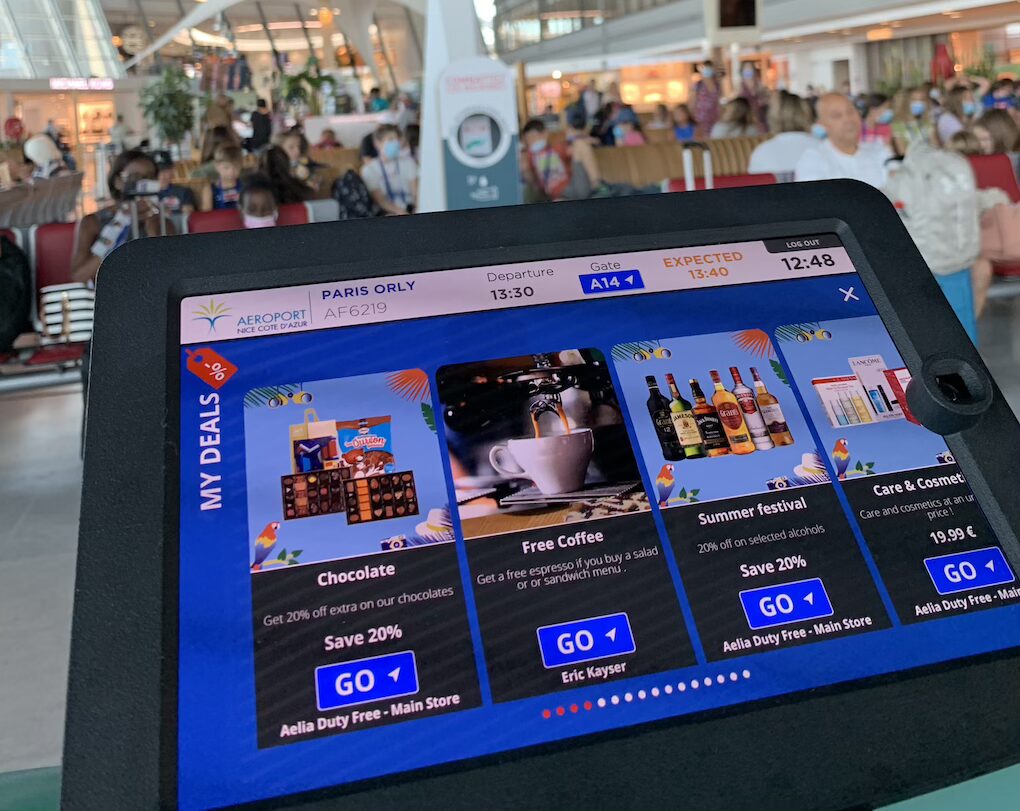
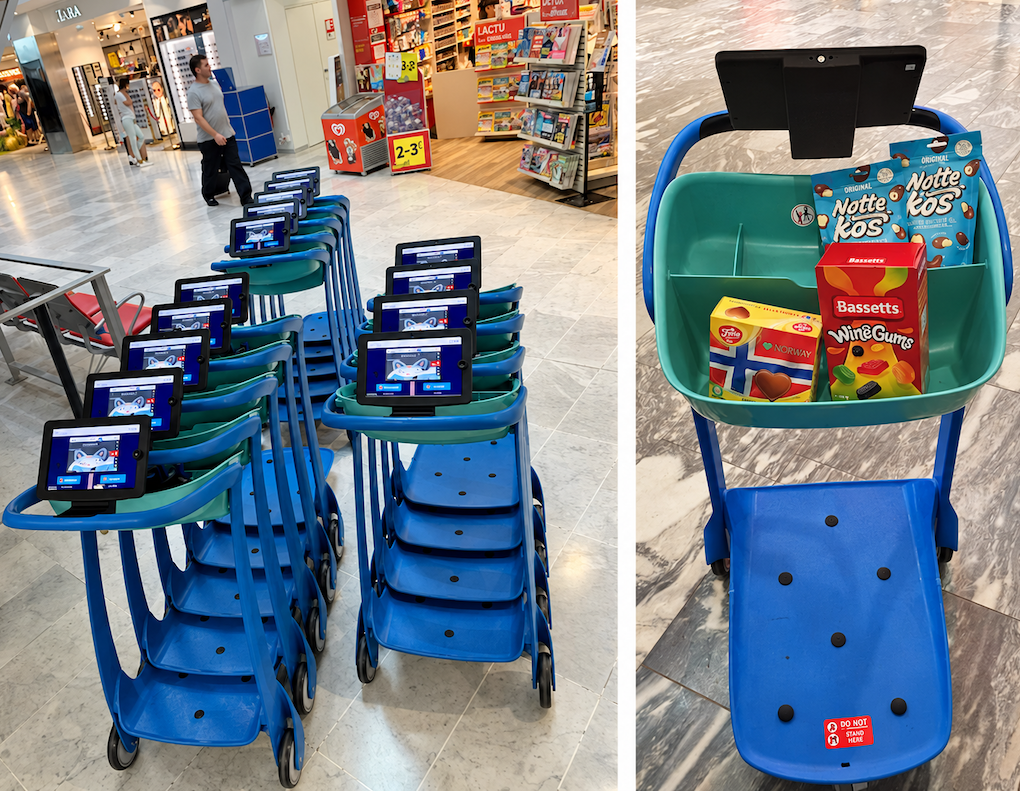
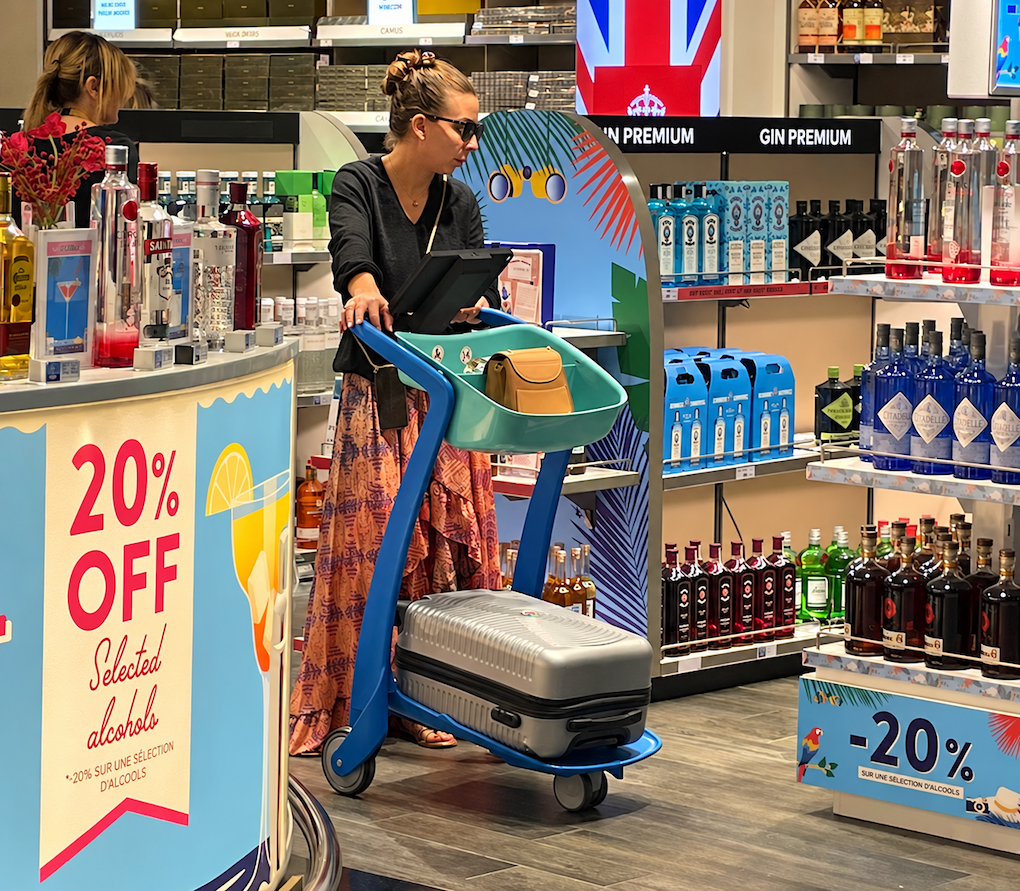
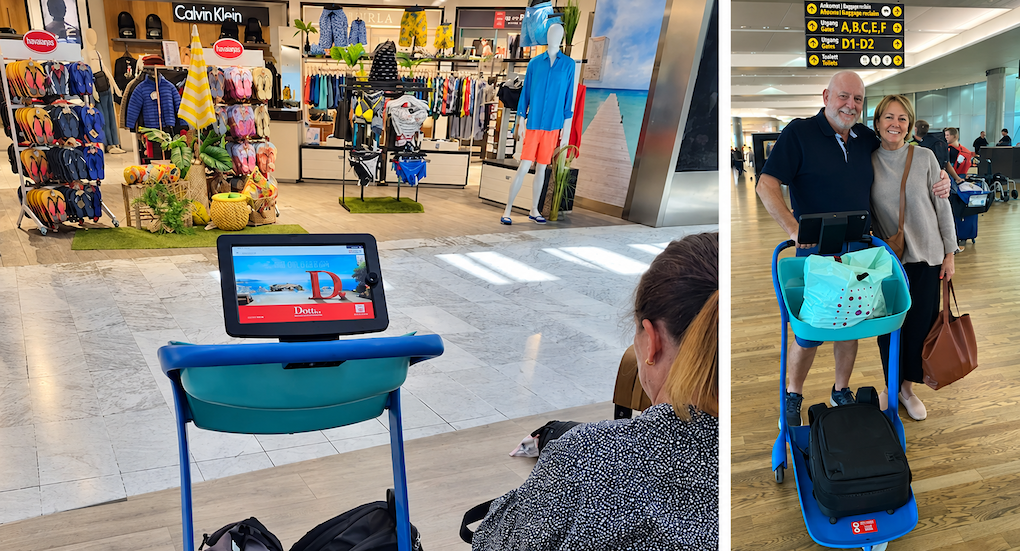
The AI-TS service equips airport baggage trolleys with tablet screens, giving passengers access to personalised flight information, terminal navigation, shopping and dining services, alongside digital advertising.
The acquisition from the CPHI Holding estate follows financial difficulties affecting ITS’s previous owners.
With the core technical, product and project teams joining DIAS, the business is targeting international expansion, combining passenger assistance with opportunities for airport retail, dining and advertising.
Speaking exclusively to The Moodie Davitt Report, DIAS Chief Commercial Officer Morten Pankoke said the relaunch retains the physical trolley used in previous deployments across major airports in Europe, the Middle East and India, while substantially changing the software behind its passenger-facing screen.
“The trolley will look familiar to anyone who used it before. What’s changed is what’s on the screen. We’ve rebuilt the software, and passengers will feel the difference straight away.”
Keeping passengers informed – and on time
Pankoke explained that passengers collect a trolley after security, select their language and scan their boarding pass. There is no app to download, account to create or wifi login.
Flight details, gate and status remain at the top of the tablet screen as passengers use other services. If the gate changes, the information and navigation route update.
The rebuilt platform also takes account of the time remaining until boarding and the passenger’s distance from the gate, shaping both practical guidance and commercial content.
“As departure gets close, it stops showing promotions and tells you when to go to the gate,” Pankoke commented. “Passengers can browse with confidence because the trolley is keeping an eye on the clock for them.”
Shops, restaurants and offers appear on the terminal map, with directions to individual outlets.
Where individual airport concessions support the service, passengers can order food and drinks through the screen, pay on their phone by scanning a QR code and have their order delivered to their location.
Passengers approaching flight departure time receive delivery priority, Pankoke said.
Further development will introduce an AI assistant, allowing travellers to ask questions and receive recommendations suited to their location and available dwell time.
Lessons from live airport operations
Pankoke said the relaunch draws on substantial airport operating experience.
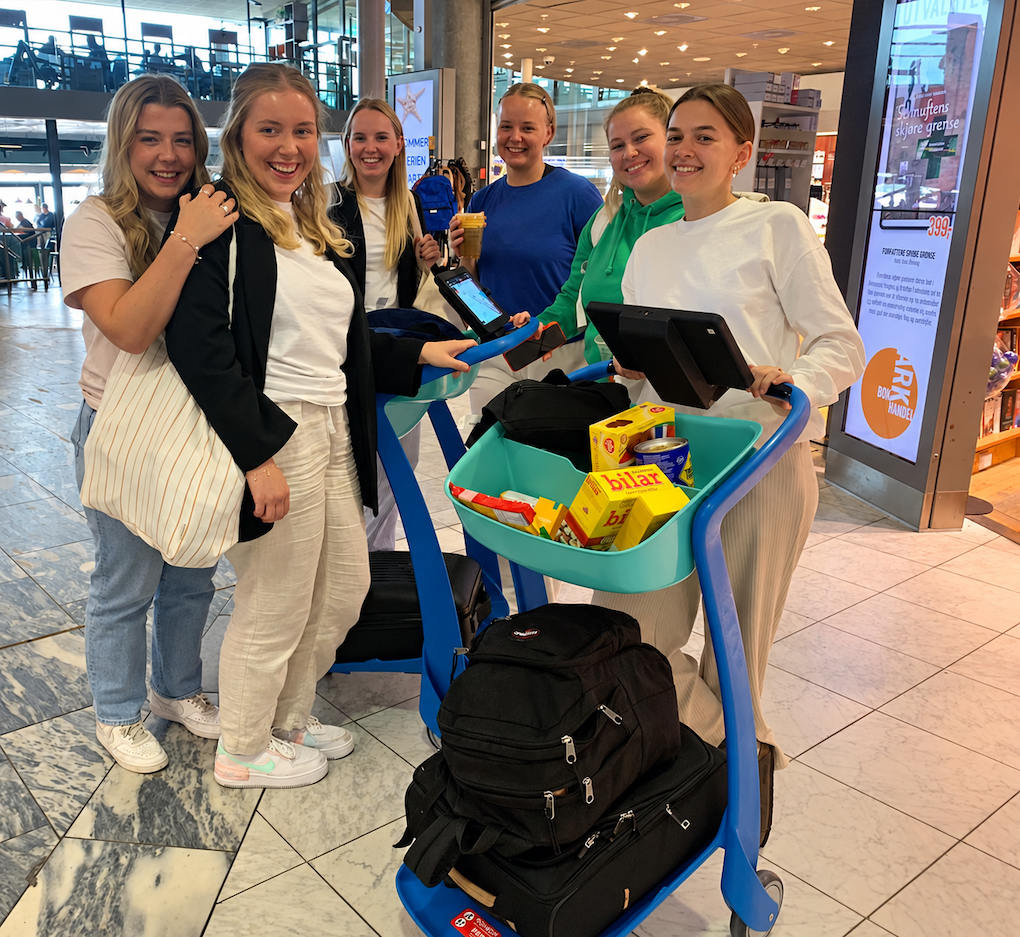
“The first lesson is that passengers really do engage with it. Sessions average about 50 minutes, and satisfaction averaged 4.7 out of 5,” he claimed.
Half of users were aged between 18 and 39, he added, highlighting the platform’s potential to connect airports and brands with younger travellers.
Previous deployments also helped establish which content encouraged a response. According to Pankoke, full-screen video with a clear call to action generated click rates of around 24%, while a static catalogue was less effective.
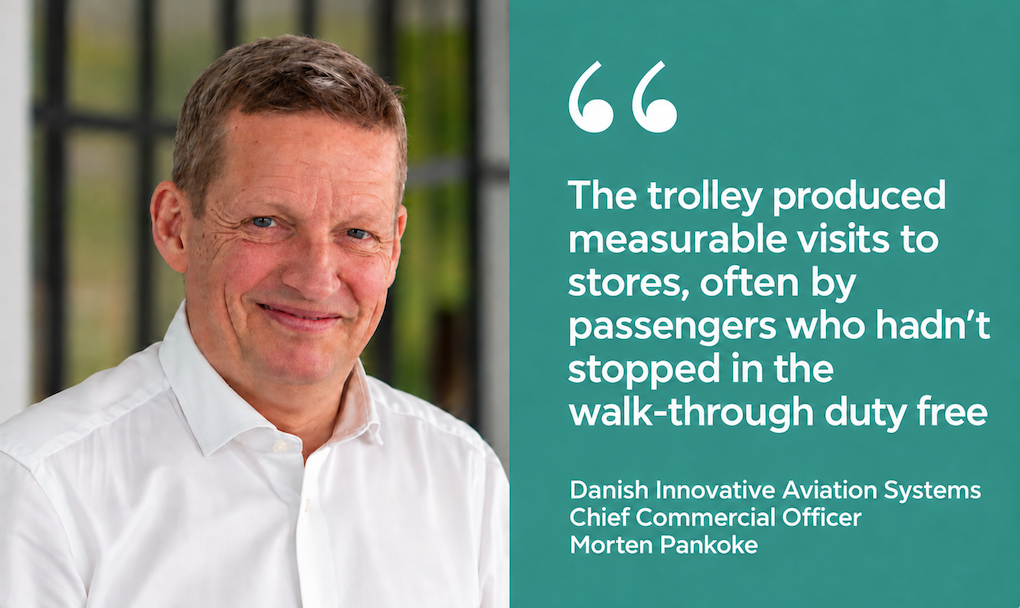
“It also produced measurable visits to stores, often by passengers who hadn’t stopped in the walk-through duty free,” he said. “The relaunch puts contextual, well-timed content first.”
These company-reported results underpin the commercial proposition, alongside practical lessons about encouraging passengers to pick up and use the trolleys.
“Having ambassadors on the floor made a real difference, so on-site operation is part of the service and not an optional extra.”
The physical trolley has been retained because passengers liked it and it proved durable in daily airside use, Pankoke added.
Insights supplied to airports are aggregated, covering groups of passengers rather than individuals.
An operated partnership
DIAS will supply, operate and maintain the fleet, funded by media revenue in which the airport shares.
“The trolley screen is sold alongside the airport’s existing advertising concession, not in competition with it,” Pankoke noted.
The approach is intended to simplify implementation for airports while connecting the service with their established commercial operations. The acquisition announcement also identifies retail commissions and other revenue streams as part of the wider model, without requiring significant upfront airport investment.
Lighthouse Trust describes itself as a US$500 million diversified global group. The acquisition price and investment committed specifically to AI-TS have not been disclosed.
DIAS Chief Business Officer and Lighthouse Trust spokesperson Dr Sheetal Soni said, “This acquisition is a strategic step towards building a stronger presence in the global aviation technology sector.
“AI-TS is more than a smart trolley solution. It is a passenger engagement and commercial ecosystem that connects airports, travellers, retailers and advertisers.”
She added, “With its demonstrated performance and enhanced capabilities, we see significant potential to scale the platform internationally while helping airports strengthen passenger satisfaction and non-aeronautical revenue.” ✈
When we first covered the innovation on The Moodie Davitt Report, it generated considerable interest. Understandably so. For by taking something as familiar and functional as an airport trolley and giving it a role in wayfinding, passenger communication and commercial engagement represents an imaginative response to multiple airport commercial challenges around visibility, footfall and ultimately conversion. The appeal remains clear. Help travellers find their gate, keep track of their flight and discover somewhere to eat or shop, and you have the basis of a cohesive, coherent and useful service. For airports, retailers and brands, the commercial opportunity flows from maximising the impact of the platform. There is also a human story here. Morten Pankoke has put heart and soul into this proposition. After the setbacks and tough challenges I am aware the business has faced, its return represents a welcome victory for perseverance and belief in an innovation he has worked so hard to advance. Of course, fresh ownership marks a new beginning. The next chapter will depend on execution: securing airport partners, delivering a consistently good passenger experience and demonstrating commercial value. But the combination of the original team’s experience and new financial backing gives this relaunch an encouraging foundation. Airport innovation can take a long time to find its moment. For a concept that attracted attention when it first surfaced a few years ago, this is a welcome opportunity to turn that early interest into lasting adoption. We will be following its progress closely. ✈ |