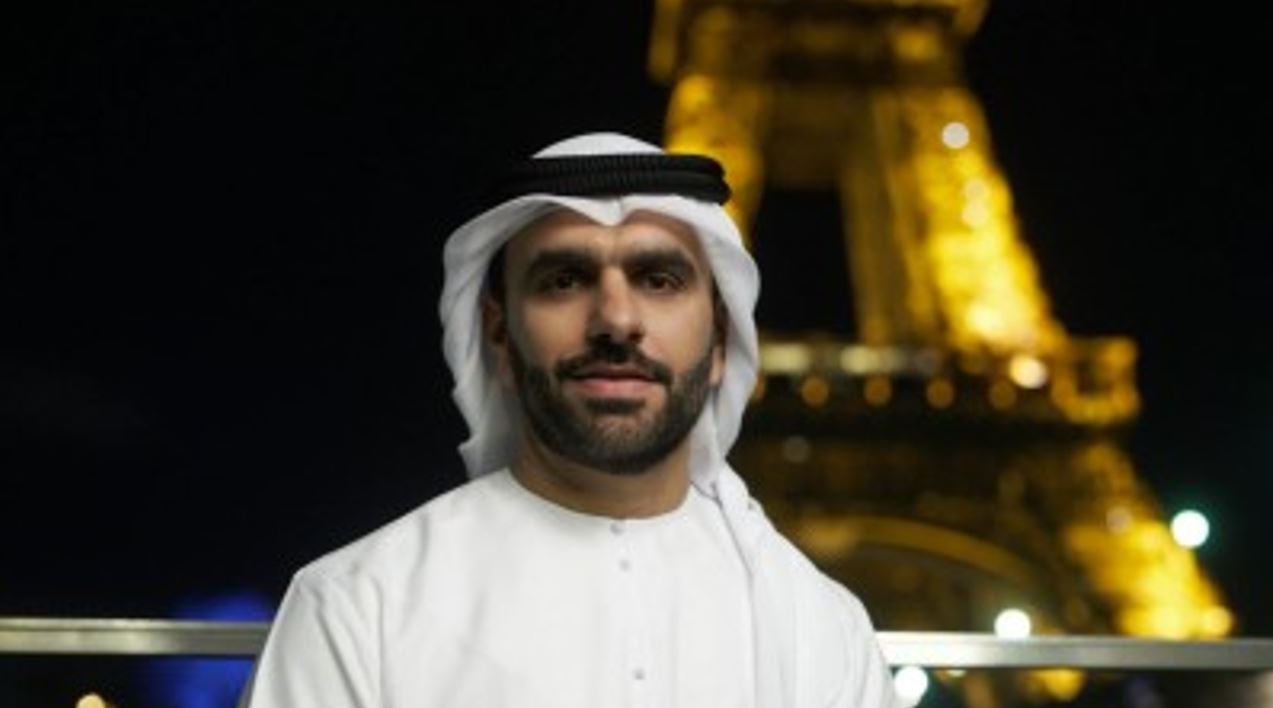


In this Q&A, Dubai Airports Chief Commercial Officer Eugene Barry assesses the changing demands of a new generation of shoppers, talks about how commercial activities can have impact while creating a frictionless journey for the traveller, and explains why relationships are critical assets during times of crisis. This article first appeared in The Moodie Davitt November Magazine. Click here for access (page 72).
The Moodie Davitt Report: How are you adapting your mix across shopping and dining to cater to changing travel demographics, especially with the rise of Gen Z and Millennials?
Dubai Airports Chief Commercial Officer Eugene Barry: All guests bring similar expectations into an airport that they have everywhere else in their lives: expectations of connectivity, hyper-convenience, speed, relevance, quality, value and, increasingly, something exceptional that cannot be found elsewhere.
Gen Z and Millennials are accelerating some of those expectations for sure, but all travellers – regardless of age – increasingly demonstrate similar behaviours. We have built our commercial ecosystem around broader guest expectations and travel behaviours, which naturally are always evolving.
That is influencing how we renew and refresh our commercial portfolio. We partner with strong global and local players and brands, but also with original concepts and solutions designed specifically for Dubai International Airport’s unique operating environment.

How are you balancing the demand for seamless, frictionless journeys with the need to create stop points that engage and ultimately convert travellers into shoppers?
Good and consistent operational flow creates the conditions for opportunities to engage effectively with guests. Removing uncertainty or time anxiety is where working with our commercial partners comes in, to plan commercial spaces which have clear propositions, attractive design, and high standards of relevance and service within a high-volume ecosystem.
Our job is to work across colleagues and stakeholders within the airport community to minimise the time guests spend navigating airport processes, so they can explore and engage with commercial products and services with confidence. Commercial planning starts with understanding the entire guest journey, and not just the commercial spaces.
How do you think about creating commercial value (not just added dwell time) across the guest journey? What levers have most impact here?
Creating new value through more imaginative uses of existing spaces is the goal. One of our key levers is having a continuous pipeline of projects with our commercial partners every year, which brings freshness and newness to the airport commercial environment.
We look for points of differentiation, continuous improvement, increasing relevance and adapting to new consumer expectations. This can often mean converting existing prime spaces from one use to another, or blending spaces to offer hybrid concepts, thereby increasing the value and impact of the overall footprint for everyone.
A good example is a major redevelopment of Terminal 3, Concourse B, now entering its third era. We are reshaping it as a purpose-built premium precinct, bringing different elements to an elevated, but highly integrated, commercial offer.
How are you seeing guest expectations evolve today and how are you reacting to this with the retail, dining and hospitality offer?
Footfall and proximity are no longer guarantors of airport commercial success. Our experience has pushed us for many years to look beyond traditional boundaries across retail, food, hospitality and media at our airports.
There is an increased focus on mono-brand flagships in retail particularly, especially in areas which have universal appeal. Food is primarily driven by relevance, service quality and authenticity.
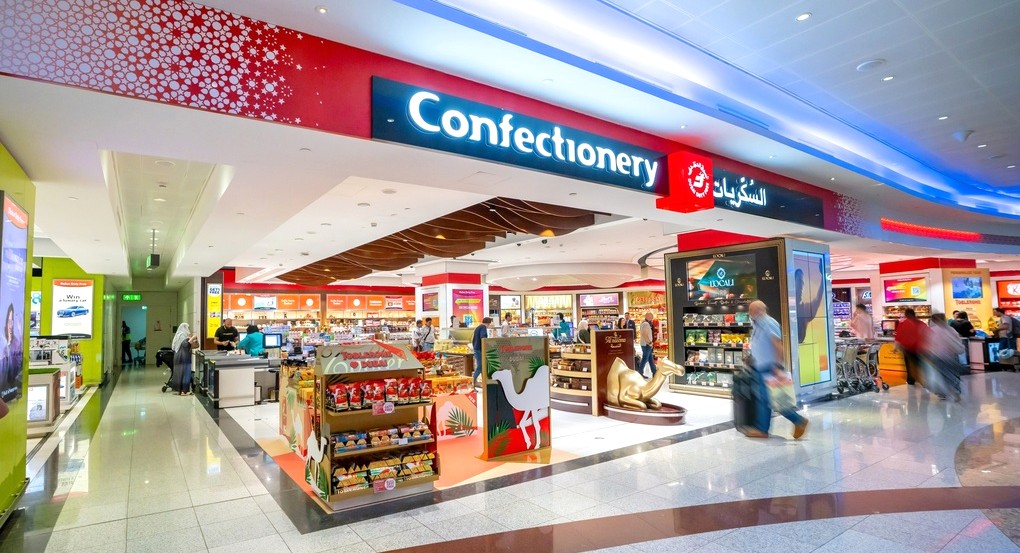
Hospitality partnerships – lounges and hotels – have been experiencing significant growth since the pandemic, and there is an expectation of uniqueness and comfort shaping those categories.
Overall, we aim to have a consistent approach to all commercial partnerships, ensuring they are founded upon working closely with a partner who is motivated by the same long-term goals as we are, which are essentially being obsessively consumer-centric and adaptable to changes in travel behaviour.
What does a changing traveller mean for how you engage and present both across digital and physical store formats?
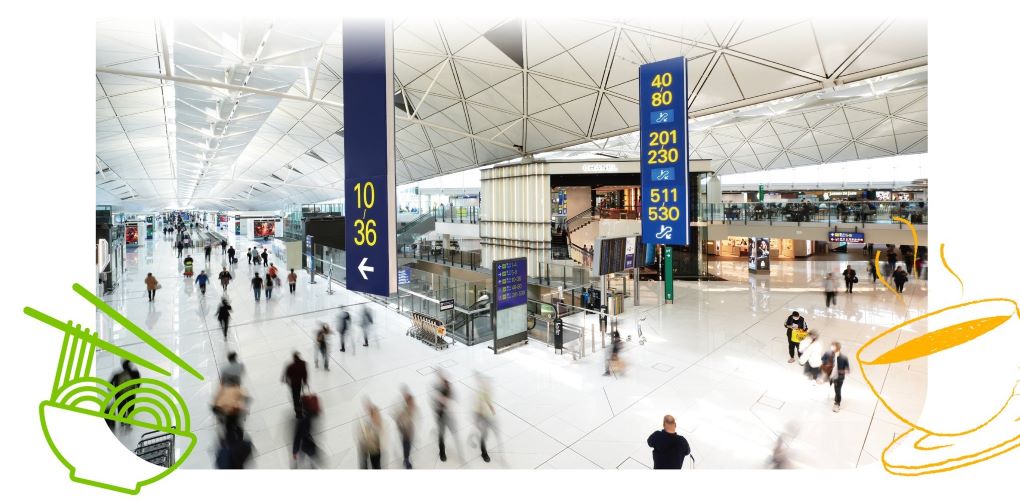
Guests don’t think in terms of boundaries, only fixed contracts define and limit that. Digital tools are powerful when they remove unnecessary processes or steps, help guests understand what is available and where, and how easily they can access it.
Physical retail at airports offers something different and unique: human interaction, discovery, taste, touch and immediacy. Our role is to create an environment in which partners can develop those connections, and feed into an overall airport guest experience masterplan.
What does AI transformation mean in terms of airport commercial opportunity and challenge in your view?
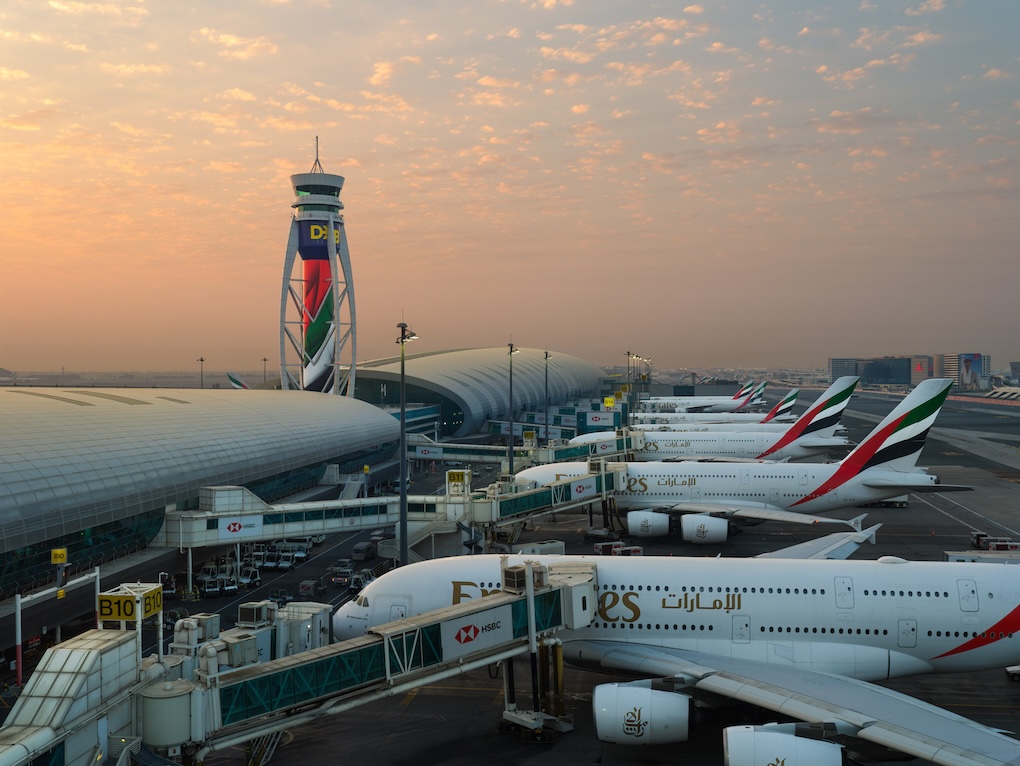
The real opportunity for AI is in stripping out complexity and replacing it with personalised experiences. We have seen that with some of the transformative process improvements rolled out in recent times at DXB, for example in fully automated passport control. Yet much of airport commerce has traditionally operated around relatively fixed propositions.
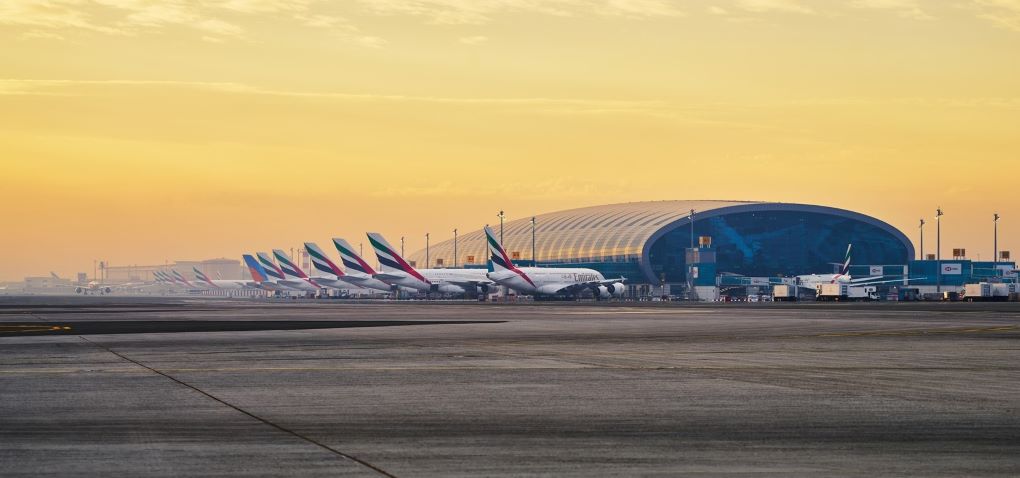
AI gives us an opportunity to improve efficiency in back-of-house functions and deliver changes to customer-facing services. That means using data and insights to enable guests to manage their time with us more effectively, and for commercial services to be more productive across a 24-hour period.
Finally, how have you approached the leadership challenge of the past months with partners, staff and passengers amid conflict and uncertainty in the region?
Disruption and external shocks reveal a great deal about the quality of relationships we have already built and nurtured over many years. Our first responsibility was the welfare of our teams and guests, and the safe operation of the airports. In parallel we provided our commercial partners with clarity on what we expected from them during uncertain and variable operating conditions, and that process is quite mature and equitable.
Between 28 February and 30 April, we supported 6 million guest journeys through Dubai’s airports in an extraordinarily challenging operating environment. That required setting clear priorities, sharing rapid decisions and constant coordination across the oneDXB community, to ensure that a sense of normality and assurance prevailed for our partners, guests and frontline teams.
Commercially, the principle was simple: stay close to our partners and be visible, understand the pressures on businesses and services and be pragmatic, while protecting both the immediate commercial operation and our ability to regrow quickly.
Resilience is often described in terms of systems and infrastructure. Those matter enormously, but this period reinforced something more fundamental: relationships are assets. Trust is what allows an airport community to interpret situations and to make difficult decisions quickly, set the conditions to recover together and be ready for the next phase of growth. ✈