

ASIA PACIFIC. International air passenger traffic in Asia Pacific grew strongly by +9% year-on-year in February to reach 33 million, driven by peak Lunar New Year travel demand, although rising geopolitical tensions in the Middle East have cast uncertainty on the aviation sector.
That’s according to preliminary February data released yesterday (30 March) by the Association of Asia Pacific Airlines (AAPA), highlighting “robust growth” in international air passenger demand during the month.

Demand, as measured in revenue passenger kilometres (RPK), rose +8.8%, outpacing an +8% year-on-year rise in available seat capacity. This contributed to a 0.7 percentage point increase in the average international passenger load factor, bringing it to 83.4% in February.
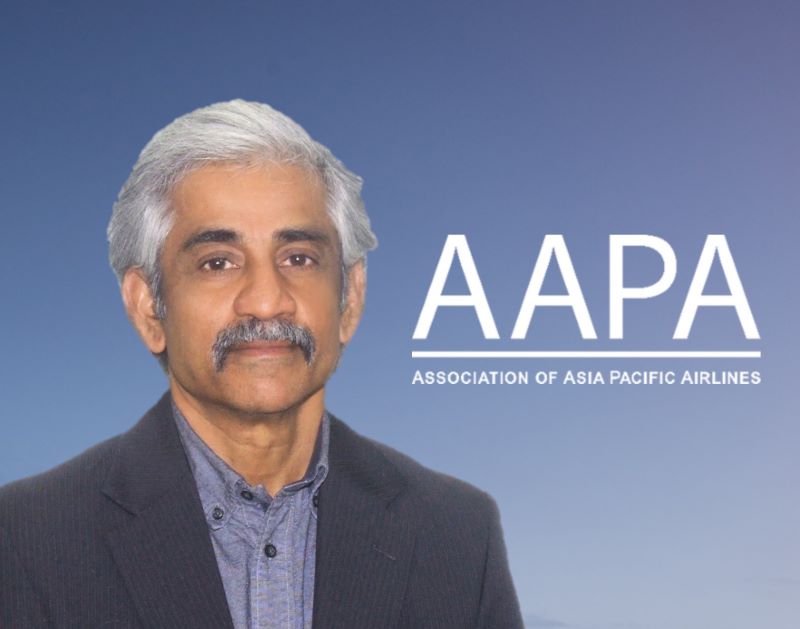
AAPA Director General Subhas Menon commented, “Against a backdrop of steady global economic growth, combined figures for the first two months of the year showed a firm +6.3% increase in the number of international passengers carried by the region’s airlines to 69 million, supported by strong travel demand across Asian economies.

“However, the escalation in geopolitical tensions in the Middle East region at the end of February has introduced greater uncertainty to the operating environment.
“Asian airlines are facing increased operational challenges, as the rise in conflicts has reduced the availability of airspace, particularly along key Asia-Europe corridors, effectively constraining capacity on these routes and limiting network flexibility for affected carriers.
“The sharp increase in jet fuel prices from an average of US$90 per barrel in the first two months of the year to an average of US$150 per barrel in the first three weeks of March has left little time for airlines to adjust, while longer flight routings have increased operating costs, placing additional pressure on already thin profit margins.”
Looking ahead, Menon concluded: “The broadly positive outlook for the airline industry will continue to be clouded by the evolving geopolitical situation.
“Prolonged conflicts over the Middle East may increase inflationary pressures and affect business and consumer sentiment on both passenger and cargo markets.
“Close coordination between governments and industry stakeholders is critical to ensure the continued safe and efficient operation of air services, while maintaining global connectivity.” ✈