


INTERNATIONAL. The Moodie Davitt Report, the world’s leading global travel retail information source, and leading independent agency Hylink Group have entered into a strategic content relationship aimed at delivering unparalleled depth and analysis to coverage of the Chinese traveller and China travel retail sectors at home and abroad. In a collaborative effort, The Moodie Davitt Report and Hylink will unveil a series of exclusive reports encompassing industry trends, profound insights, best practices, branding strategies and more. In this column, Hylink Group comments on the strength of digital to power the travel retail industry.
In the 21st century, the consumption landscape has undergone significant transformations, marking a noticeable shift in the preferences and decisions of consumers in both durable and nondurable goods. Most importantly, this has impacted consumerism in the travel and travel retail space.
This radical change has been shaped by three transcendent forces: technology, social and environmental awareness, and unprecedented access to information. These elements have converged to shape a new generation of shoppers known as ‘zero consumers’.
Mainly composed of Generation Z and Millennials, these consumers stand out for their multi-platform approach to shopping, high service expectations, preference for sustainable products and a striking lack of loyalty to established brands. Their tendency to compare prices, switch brands for deals and challenge conventional business strategies represents a fundamental challenge for companies, urging them to adapt to the demands of an omnichannel shopping experience and sustainability-centered values.
For the travel industry, travel retail has been traditionally centered on airports, retailers and brands. The shift to zero consumerism places the consumer at the forefront, contributing to this shift in consumption.
In the current consumption landscape, ‘zero consumers’ emerge as a revolutionary phenomenon that comprehensively challenges conventional trends. For travel retail, this demographic group represents not only a generational shift but also a fundamental transformation in how consumers interact, choose and engage with products and services before and during travel.

The distinctive differences between consumers of previous generations and Gen Z and Millennials go beyond the contexts in which these two groups grow up. This digital competence is intrinsically intertwined with the younger consumers’ expectations of experience. Nowadays, the most prominent buyers of travel retail are Millennials and Gen Zers. Thus, the travel retail industry players have witnessed a pivotal switch in consumer behaviour, highly affected by the increase of digitalisation.
For zero consumers, technology is not just a tool but an integral extension of their daily lives. Consequently, their experience expectations focus on a harmonious fusion between the physical and digital worlds. They seek seamless interaction, where technology serves as a facilitator to enhance and enrich their experiences, from shopping to social interactions. But the question remains, how can the travel retail industry successfully engage these digital natives and win their favour?
Although there has been an increase in foot traffic across all airports after the pandemic, and even compared to years prior, there is a continuous decline in duty free sales. Airports and the travel experience have increasingly gotten more digitised. However, most travel retailers have continued to use traditional tactics that are not reaching the increasingly digitised consumer population. These channels are no longer working for the industry, due to the emergence of both the digital landscape and zero consumerism.

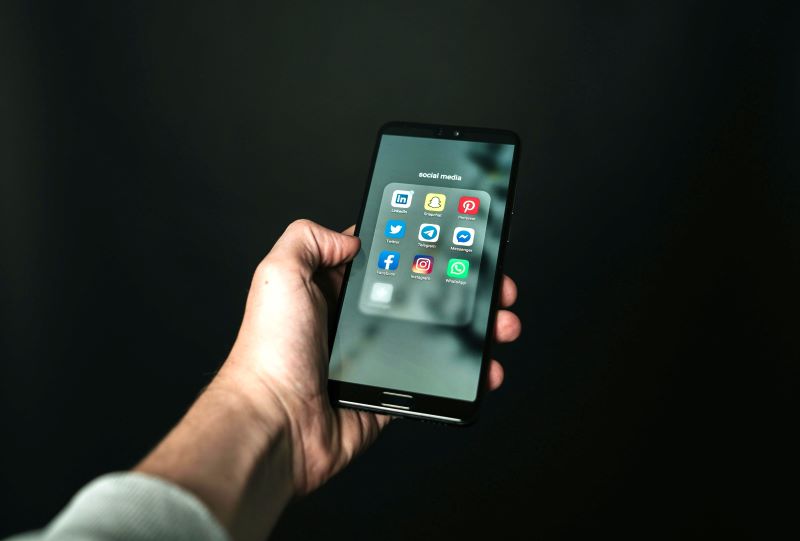
Zero consumers have completely transformed how they access and use information to make consumption decisions. This highly connected demographic uses various online platforms such as Amazon, eBay and Yelp, as well as social networks like Instagram, TikTok, X and Facebook, among others. Similarly, Chinese online social sites such as WeChat, Weibo and Xiaohongshu are also extremely popular and used by a majority of Chinese individuals.
Even under travel, consumers book and organise their travels via online platforms and recommendations. Their information search ranges from product reviews to travel experiences shared on social media. This preference for online sources and user-generated content reveals a significant gap with previous generations. While younger generations rely on the collective wisdom of the internet for goods and services recommendations, older generations tend to base their choices on personal recommendations and traditional sources.
The dependency of zero consumers on online information and user-generated content has triggered a notable decline in brand loyalty. By relying on the collective wisdom of the internet for goods and services recommendations, these consumers do not maintain deep loyalty to specific products or brands but follow constantly evolving trends. Their influence on purchasing decisions extends beyond their own choices, as they are highly influenced by social media, celebrities and content that can shape the opinions and preferences of their peers.

Furthermore, their tendency to switch brands or retailers for better promotions or lower prices creates a domino effect impacting other consumers. The demand for sustainable products and services by zero consumers also puts pressure on companies to adopt more environmentally friendly practices, thus influencing the purchasing decisions of consumers who share concerns for sustainability. This can also be seen with travellers as a whole. Because the demographics of travellers are parallel to that of the demographics of zero consumers, it becomes important to highlight and improve the functionality of travel retail.
Overall, the influence of zero consumers highlights the need to understand and adapt to changing dynamics, emphasising the importance of meeting the needs and preferences of this new generation of shoppers for companies seeking to remain relevant in the market.
In a world where the loyalty of zero consumers is not achieved through traditional marketing and advertising strategies, having significant market power is not a sufficient guarantee to retain long-term customers. The constantly changing decision-making dynamics of this group imply that, at any moment, the competition can present more attractive offers, taking away consumers.
To captivate and retain zero consumers, it is imperative to adopt innovative approaches. Travel retail industries can work with airports to improve on digitalisation for the consumer before and after the flight. Having a differentiating factor aligned with trends and offering efficient channels along with exceptional services becomes essential.
Sensitivity to these dynamic preferences and constant adaptation to emerging trends are crucial to convince zero consumers to choose a specific product. Additionally, careful public relations management becomes more crucial than ever, as in the current era, a crisis in this area can have devastating repercussions for any business. This underscores the need for the travel retail sector to have a comprehensive strategy that understands consumer evolution and adjusts agilely to their demands, highlighting the importance of adaptability and innovation in the current consumption landscape. ✈