
CHINA. TravConsult, a travel retail consultancy, has identified key trends driving Chinese shopper behaviour in 2025, highlighting design, emotional connection and elevated dining concepts and environments.
The insights were based on real-time observations by TravConsult Co-Founder and Managing Director Trevor Lee, alongside Co-Founder Lilly Choi-Lee, during a visit to Nanjing Deji Plaza, one of China’s leading luxury and high-performing retail destinations.
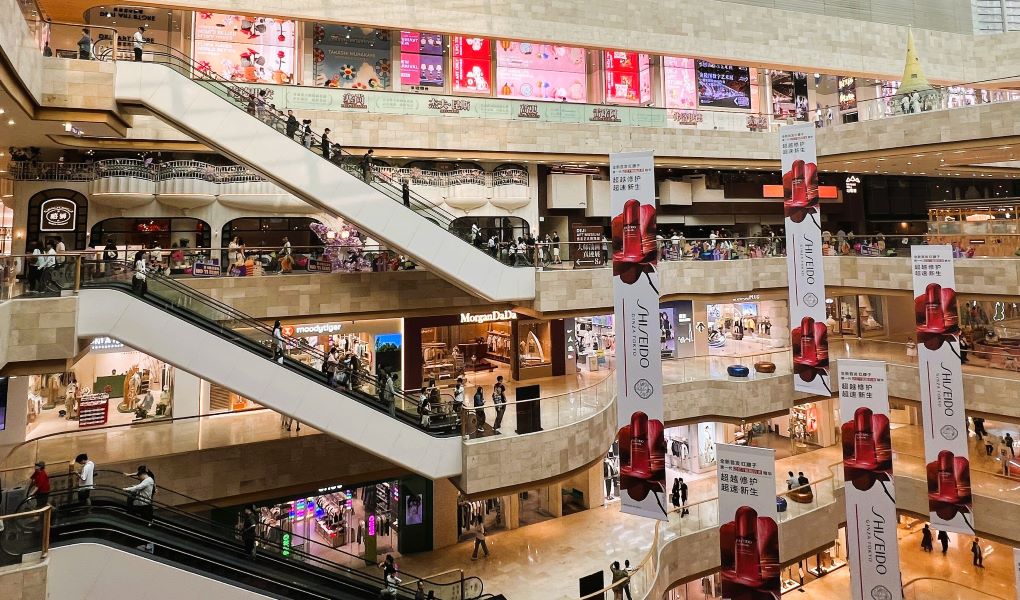
Their analysis of consumer queues provides a relevant, real-world perspective for the global travel retail market
Design makes a difference – even in the restroom
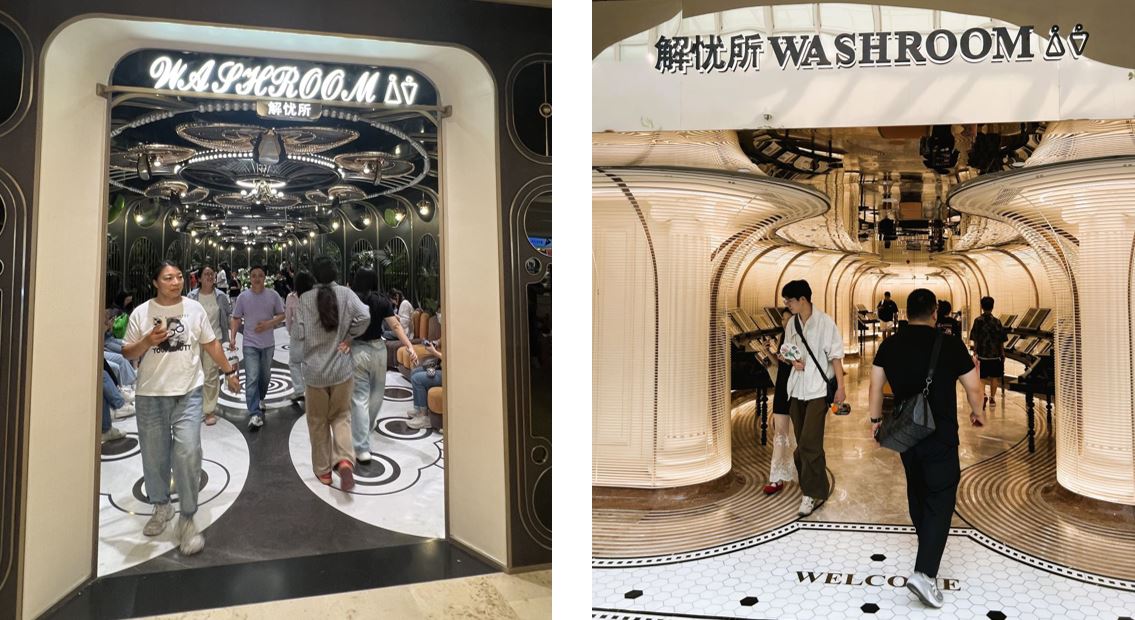
Lee’s trip to Nanjing Deji Plaza revealed an unexpected observation – the longest lines weren’t at luxury stores, but at the restrooms.
He described the restrooms at the mall as “a masterclass in detail, style and theming – architecturally striking, immaculately clean and designed with wellness and comfort in mind”, adding that they appeared “more high-end nightclub, more five-star hotel than shopping mall”.

Even finer details stood out, such as a classical pianist playing a grand piano inside one of the restrooms, highlighting that every customer touchpoint matters.
Lee said, “Even the most functional spaces can be transformed into memorable moments that shape brand perception.”

He underscored the vision of Deji Plaza Founder Wu Tiejun, whose focus on positioning led him to invest heavily in something typically considered less important.
These restrooms enhance brand prestige, increase dwell time, drive social media engagement and reflect cultural standards of hygiene and hospitality, Lee noted.
Those familiar with the project in Nanjing told Lee that feng shui principles likely guided the design orientation, and that the launch timing reflected traditional principles intended to attract prosperity and balance.
Lee said, “Airports, take note: upgrading the passenger journey isn’t limited to lounges and gate areas. Sometimes, the most powerful brand signals are found in the most unexpected places. And which is more important to the traveller/shopper; the brand of the airport or the store brands inside the airport?”
Gold with meaning captures the modern consumer
 A gold store emerged as another high-traffic touchpoint in Lee’s visit, attracting the mall’s second-longest queue. He observed couples, including many young brides and grooms, waiting to buy hand-crafted gold ornaments.
He said, “These weren’t impulse purchases. These were high-value, emotionally charged investments rooted in Chinese symbolism, cultural tradition and status.”
While traditional jewellery sales decline, Laopu Gold has grown by keeping its footprint small (only 38 luxury mall-based stores), its design refined and its pricing aligned with high-end brands such as Cartier and Tiffany.
Described as the “Hermès of gold” in China, the brand has gained popularity by tapping into social-media-driven demand on Xiaohongshu and Douyin, combining traditional Chinese symbolism with modern design.
Lee said, “This is gifting-as-identity and pride in China. And it matters. And as we were leaving this Laopu Gold store, our friend from Chongqing informed me that he and his wife purchased gifts for each other from this very store, prior to their wedding two years ago; and they had to queue up then.”
He noted that emotional resonance is a key purchase driver among today’s travel retail consumers, especially Chinese Millennials and Gen Z. More than just purchasing a necklace, these shoppers are looking for stories that reflect aspiration, love, legacy and pride.
Lee added, “For travellers, this transforms gold into a powerful vehicle for luxury storytelling, an essential strategy for any airport jeweller looking to truly connect.”
Dining as destination
Another high-footfall area at Deji Plaza was the garden-themed space in the 7th-floor dining precinct, marked by constant movement, conversation and diners snapping selfies.

The dining offer features high-end Cantonese dishes alongside international fusion cuisine.
Lee said, “It was an experience. It reflected a key behavioural shift: younger Chinese consumers want shared moments, elevated environments and food that tells a story.”
 Lee shares these important takeaways from Deji Plaza:
- Design for impact – Enhance every passenger touchpoint and engage travellers with innovative, surprising and thoughtful elements.
- Sell emotion, not just product – Lee emphasises the importance of understanding the deeper cultural and symbolic drivers behind purchases in categories such as gold, beauty and fashion. It’s about creating stories, not just displays.
- Feed the senses – Invest in experiential dining and immersive F&B concepts, as today’s consumers are seeking more than just a meal. They want to connect, celebrate and share meaningful moments.
- Maximise the invisible touchpoints – Even spaces such as restrooms can shape perception and reinforce brand prestige.
- Tap into cultural nuance – Respect for tradition, symbolism and social standing is key to engaging the Chinese consumer. Authenticity drives engagement. ✈