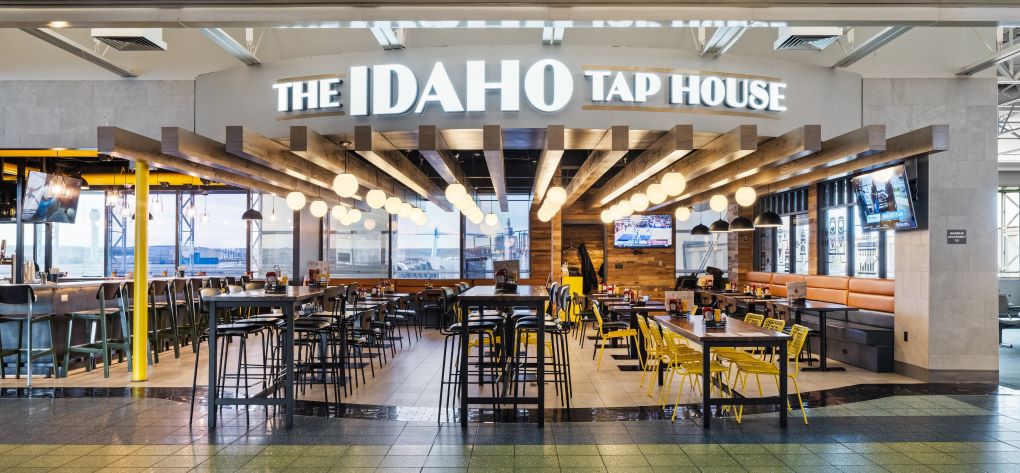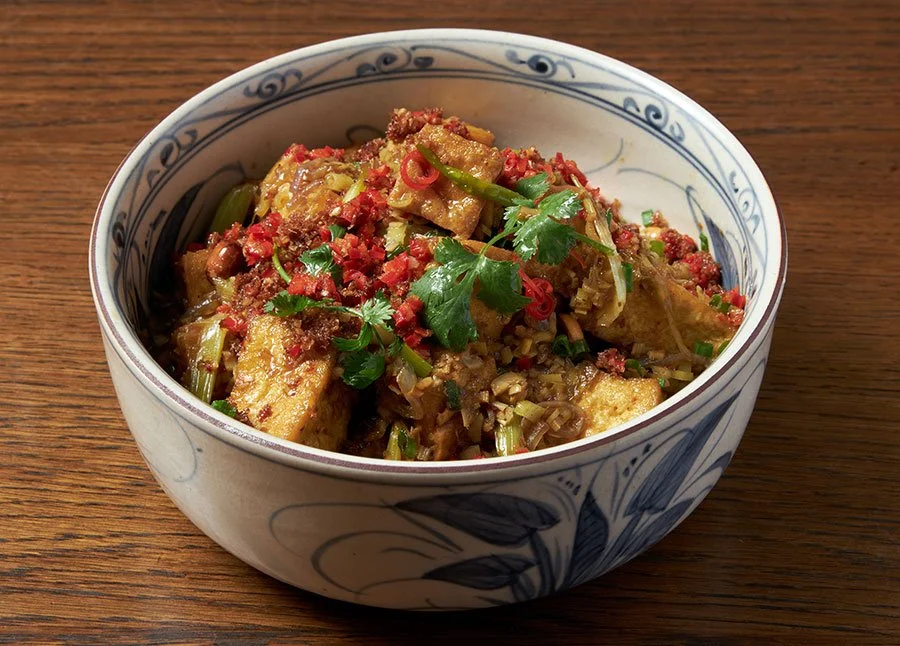




NORTH AMERICA. Going hyper-local with chef talent; less truffle oil, more black sesame; and the rise and rise of chicken dishes – these are some of the trends and influences to watch in North American airport dining in 2026. That’s according to Alice Cheung, Senior Director of Brands & Concepts for Paradies Lagardère’s Dining Division.
In this feature, with some content exclusive to The Moodie Davitt Report, Cheung assesses what flavours and formats are resonating with the travelling consumer today.

Heightened sense of place
In 2025, menus leaned into a “stronger sense of place”, notes Cheung. She highlights a growing emphasis on regionality, with dishes inspired by local ingredients, heritage recipes and the cities travellers are passing through.
“National celebrity chefs may have had their moment, but today’s guests are responding to hyper-local talent – chefs who are deeply invested in their restaurants and present on-site week after week. That authenticity matters.”
Menus are also evolving to better reflect how people want to eat while travelling, adds Cheung.
The classic Caesar salad still has its fans, but Cheung says she is seeing demand for more “creative, flavourful and health-forward” salad options that move beyond the predictable.
Sustainability is another major focus, from eliminating Styrofoam to composting wherever possible and sourcing locally, including Starbucks’ partnerships with regional dairies.
Closing the gap with chicken
Protein-forward menus continue to dominate the landscape, notes the travel dining player, with chicken playing a central role.
Burgers remain the top seller in airport concessions, but chicken is quickly “closing the gap thanks to its versatility, cost efficiency and ability to carry bold, global flavours. From street-food inspiration to international spice profiles, chicken-based dishes are delivering variety without sacrificing familiarity.”
Elaborating Cheung tells The Moodie Davitt Report: “We were the first concessionaire to bring Chick-fil-A to an airport, so we’ve always believed in the power of chicken, long before it became the hottest protein on menus. Whenever we work with brand partners on airport menus, we encourage them to add chicken dishes that align with their style and flavour profile.
“At Osteria, our restaurant with Chef Jonathon Stranger in Oklahoma City, we have a Mediterranean Chicken Sandwich with arugula, pickled red onions, charred tomato, roasted red pepper aioli and feta cheese. At Smoke Shack in San Antonio, where we actually smoke barbecue in the terminal, we serve a Texas Hot Chicken Sandwich.
“It’s the brand’s take on Nashville Hot Chicken, but we ‘Texas-fied’ it with a house-made vinegar-based slaw. These are just a couple examples of how you can showcase this popular protein without defaulting to bland grilled chicken. It’s about working with chefs who understand how to layer flavours and bring their perspective to the dish.”
How digital complements the human touch
Technology and hospitality are finding what the company calls “a careful balance”. Many guests appreciate options like pay-at-the-table, QR codes and mobile ordering, but Cheung emphasises the importance of “high-touch hospitality” for travellers who want it – especially those who are stressed, short on time or less comfortable with digital ordering.
Asked whether some travellers are reversing away from digital ordering or transactions, she says: “It really depends on the traveller and the moment they’re in. Generally, Millennials and Gen Z are more comfortable with QR codes and self-ordering kiosks, but that’s not always the case.

“What we keep seeing is that even in 2026, people still really value human interaction, especially in a stressful environment like an airport. Our friendly service gives travellers a chance to relax for a minute before a business trip or the start of a vacation.
“What’s really interesting is that it is all highly dependent on what someone is travelling for, and even their mood that day. The same business traveller might want a quiet table and quick service without talking to anyone while finishing a presentation, then later want to chat with the bartender about their day and what’s good on the menu to celebrate closing a deal.
“We have designed our service to accommodate both. The technology is there for people who want speed and minimal interaction, but our staff is always ready to provide that human touch. The key is giving travellers a choice rather than forcing an experience.”
Going viral with food
Cheung also points to the growing influence of social media-driven recipes and trends that are increasingly shaping guest expectations, opening the door for “playful, buzz-worthy menu moments”.
We ask which locations stand out in this respect across the network, to which Cheung quickly replies: “Last year during Taylor Swift’s Eras tour, we created pink, sparkly cocktails at Vino Volo locations in airports where she was performing. The Swifties loved it and were all over social media sharing photos of these speciality drinks.”
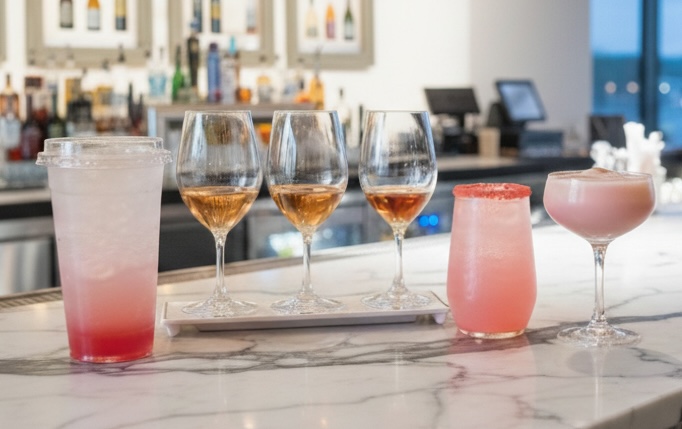
Cheung adds: “The viral moments aren’t always planned. Sometimes it’s about being nimble and responsive to what is happening culturally. When there’s a big event that travellers are excited about, we look for ways to acknowledge it and create something fun. Those authentic moments that connect to what people already care about are what end up on Instagram and TikTok.”
A trend worth retiring – and a flavour to watch
One culinary trend Cheung believes has run its course is truffle oil “on everything”. While it’s often used to signal indulgence or elevate simple dishes, she notes, most truffle oil relies on artificial flavouring and can quickly overpower a menu.
Travellers, she says, are ready for more thoughtful flavour development that enhances dishes “rather than masking them with the same trendy ingredient”.
By contrast, with an eye on emerging flavour profiles, Cheung says she is excited about black sesame as the next potential stand-out Asian cuisine ingredient.
Its nutty, earthy character feels “distinctive yet approachable”, showing up in everything from pastries and desserts to beverages. It also represents something new with matcha now “firmly mainstream”, she adds.
Cheung expects to see black sesame increasingly appear on airport menus in 2026 as restaurateurs look for flavours that feel “modern and comforting”.
Summing up how these influences will come to life across the airport dining space, Cheung says, “We’re approaching 2026 with a focus on flavours that feel both interesting and accessible. The biggest shift is moving away from trendy ingredients that show up everywhere and toward more thoughtful flavour development that actually enhances dishes.
“We’re working closely with our brand partners to incorporate global flavours in approachable ways. Black sesame is a great example. We’re looking at testing it in our coffee bars where that lightly toasted, nutty flavour works beautifully in lattes.
“The key for us is making sure these flavours align with each brand’s identity. We’re not going to force a trend onto every menu just because it’s hot right now. Instead, we evaluate our menus quarterly and look at where these flavours genuinely improve the guest experience and where our culinary teams are excited to work with them.”
Boarding for 2026
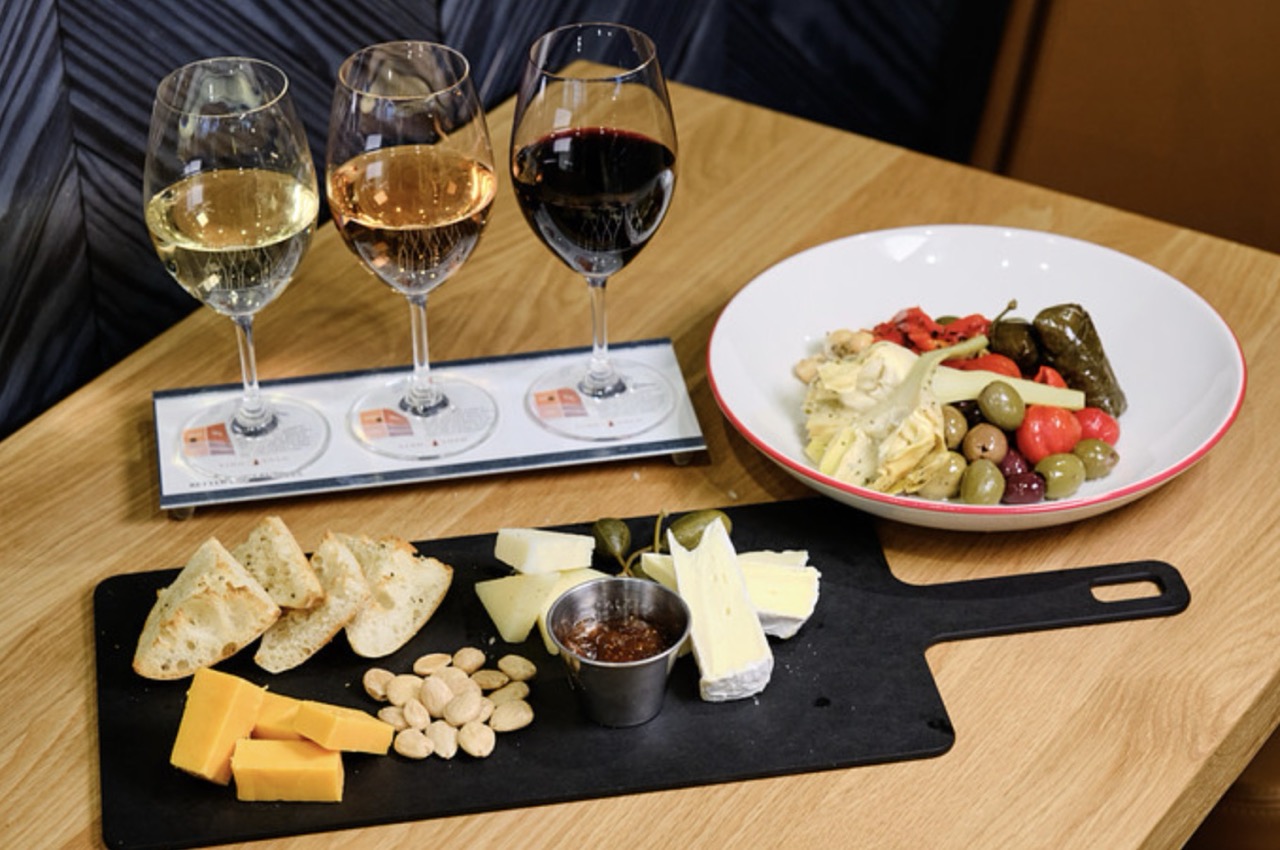
Also with an eye on the year ahead, Cheung says that charcuterie boards remain a standout option for the airport environment, and expects them to continue gaining traction in 2026.
Designed for grazing rather than committing to a full entrée, they offer flexibility, variety and speed, with multiple flavours and textures.
Commenting further, Cheung adds: “Vino Volo sells the most charcuterie boards, which makes sense with wine and a relaxed atmosphere. But we’ve also found that charcuterie boards to-go or ‘snack bentos’ are really popular with travellers looking for a quick, protein-filled option they can take to the gate or on the plane. It’s perfect for people who want variety without a full sit-down meal.
“We review our menus quarterly with brand partners, and they love hearing what’s working at other locations. So we are looking at expanding this offering. The format just makes sense for airports. It’s portable, shareable if you’re travelling with someone and it gives you variety, that’s hard to find in traditional airport grab-and-go.”