


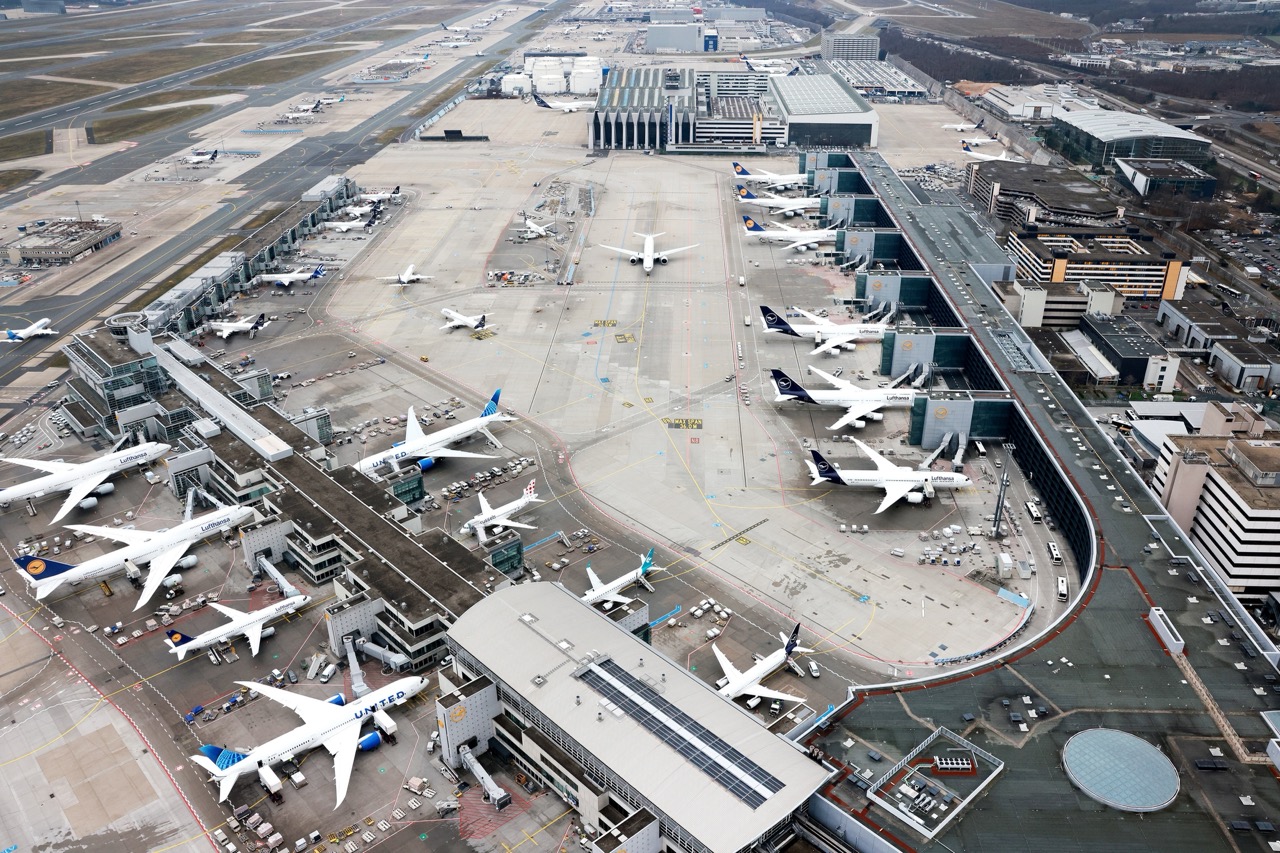
GERMANY. Frankfurt Airport served 63.2 million passengers in 2025, a rise of +2.6% year-on-year, Fraport Group announced today.
Traffic to and from other destinations in Europe climbed by +3.7% compared to 2024 with south and south-western routes in the region performing strongest (+6.4%). Key growth markets included Czechia (+21.8%) and Norway (+10.4%).
Long-haul traffic grew by a more modest +0.6% year-on-year though Thailand volumes climbed by +35.4%. Middle East traffic benefited from the resumption of flights with Israel (up +40.4%) and Lebanon (up +34.6%).
Passenger volumes at Fraport’s actively managed airports worldwide increased +5.3% year-on-year to 183.7 million.
Antalya Airport on the Turkish Riviera posted +2.3% growth to 39 million, while in Bulgaria, the Black Sea airports of Burgas and Varna recorded a combined increase of +10.4% to 3.7 million passengers.
Ljubljana Airport in Slovenia achieved a +10.6% increase to 1.6 million passengers, while Fraport’s 14 regional airports in Greece set a new record. Total passenger volumes at the Greek gateways rose by +3% over 2024 to 37.1 million.
Passenger numbers at Lima Airport in Peru increased by +4.1% year-on-year to a new annual record of 25.5 million.
Fraport’s two Brazilian airports, Fortaleza and Porto Alegre, recorded an increase of +43.2% to 13.7 million passengers in 2025. Traffic had been hit in 2024 by floods around Porto Alegre and the subsequent operational restrictions that the airport faced for months.

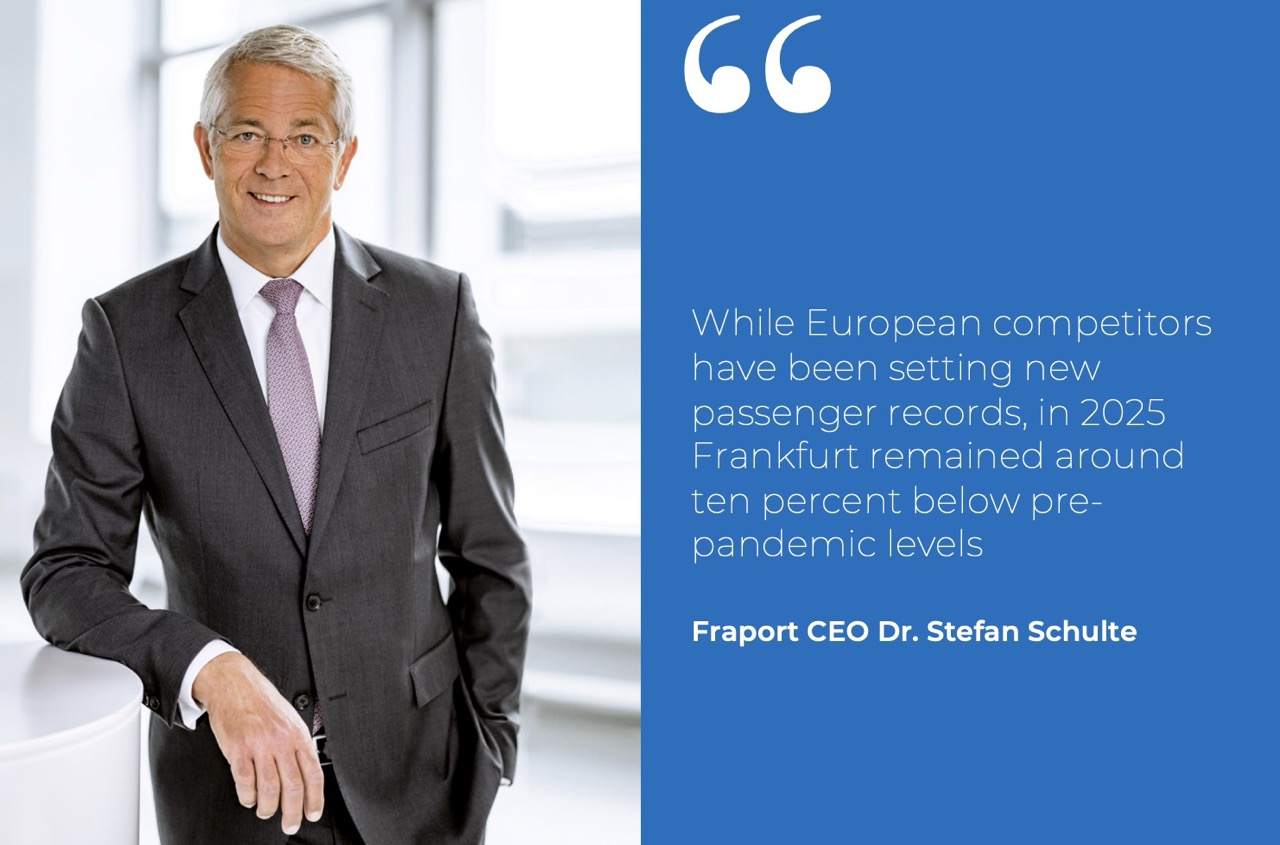
Fraport CEO Dr. Stefan Schulte said, “Fraport recorded passenger growth across its airport portfolio in 2025. The international business has continued to set the pace, with some of our global airports even achieving new passenger records.
“Following comprehensive capacity expansions in Lima and Antalya, the foundations for further growth at the biggest airports have been laid.
“The German market has continued to remain a laggard in Europe when it comes to the recovery of aviation traffic since the coronavirus pandemic. This has also affected Frankfurt: while European competitors have been setting new passenger records, in 2025 Frankfurt remained around ten percent below pre-pandemic levels.
“By passing several relief measures, the German Federal Government has taken the first step towards reducing the burden on our industry. However, more is needed if Germany is to catch up to the competition. Sweden’s example shows what kind of growth surges are possible if aviation taxes are completely abolished.” ✈