Chinese luxury beauty and retail house Ushopal Group has highlighted the next phase of its growth strategy across five key areas as it pursues its ambition of becoming a global beauty group.
As outlined at the recently concluded TFWA World Exhibition in Cannes, the group’s priorities include expanding its portfolio of owned brands, accelerating international expansion, repositioning Payot, investing in artificial intelligence and rethinking approaches to brand building.
The Cannes presentation marked the first time Ushopal had brought three of its portfolio brands together at the same major industry event: Payot, ARgENTUM and Bonpoint.
Ushopal Group Founder and CEO Lu Guo said the company aims to go beyond developing Western brands in China and build a global brand platform combining European heritage with China-developed expertise in technology, data, speed and consumer insights.
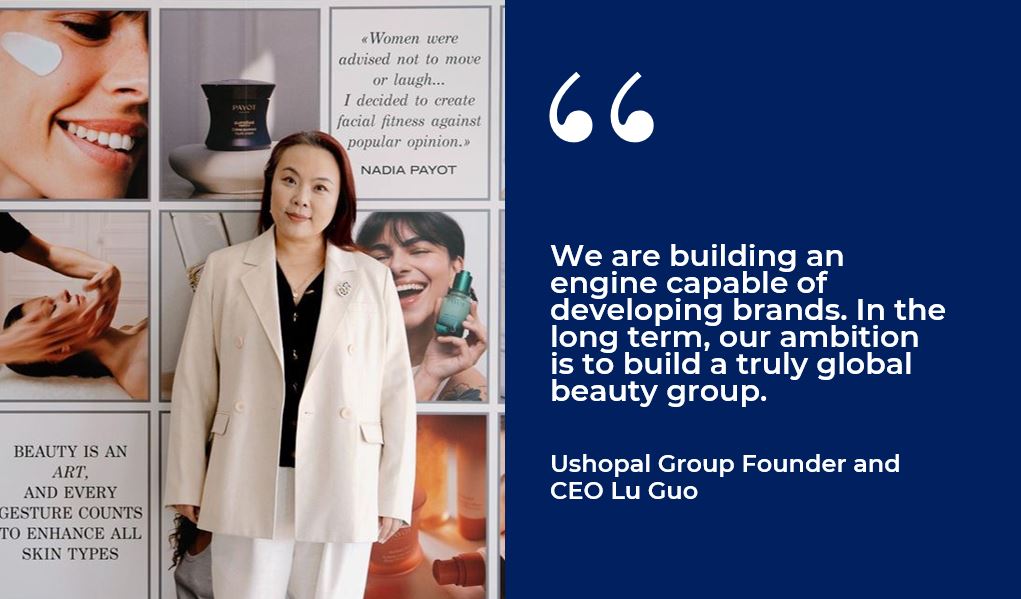
Lu said: “We are not building a fund that simply collects assets. We are building an engine capable of developing brands. In the long term, our ambition is to build a truly global beauty group.”
Lu has also disclosed Ushopal’s scale for the first time, with its brands and activities representing nearly €200 million (US$224 million) in global retail value, or around CNY1.5 billion. The group is shifting resources from distribution towards its owned-brand portfolio.
Since 2017, Ushopal has expanded its operations across Europe and Asia, with 110 employees in Paris and 160 in Shanghai supporting its global brand portfolio.
With China and international markets currently accounting for roughly 50% each of its business, Lu said: “We never built Ushopal around the idea that China should represent 80% of our business. On the contrary, our objective is to become a truly global group, with approximately 60-65% of our business ultimately generated outside China.”
Ushopal’s global growth model
Ushopal’s ‘European heritage, China speed’ principle combines the heritage and expertise of European beauty houses with China’s strengths in execution, consumer insight, digital and technology.
The approach is built around a consumer-driven mindset, shorter decision-making cycles, faster use of data and greater flexibility to test and adjust initiatives based on results.
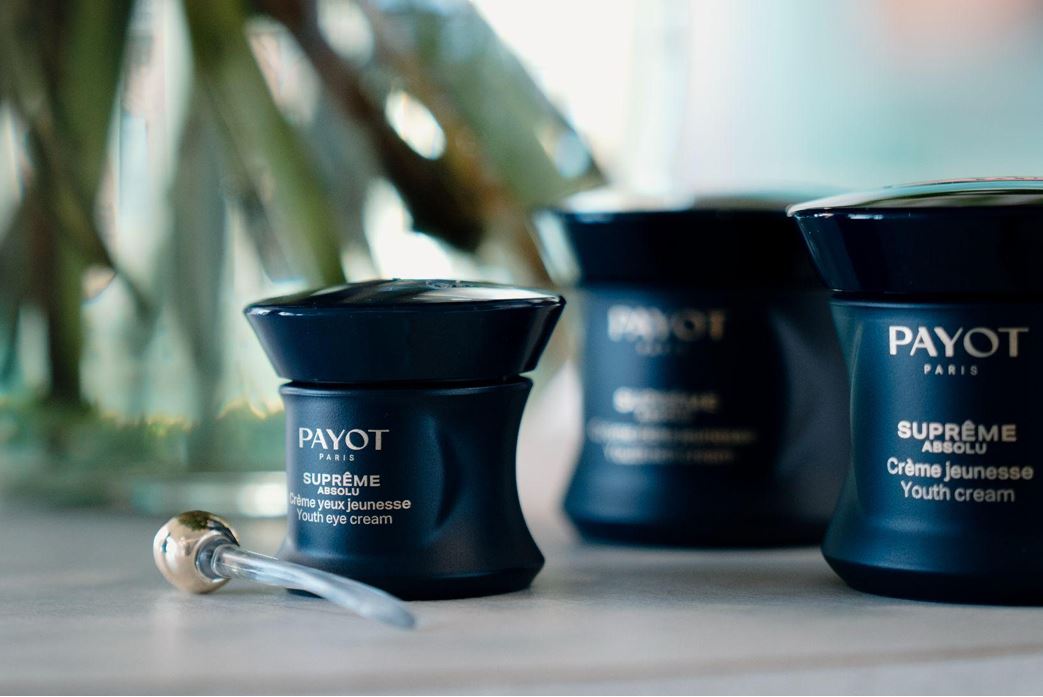
The strategy is also reflected in French beauty house Payot, acquired by Ushopal in 2025. The brand is refocusing on science, efficacy and skincare expertise, streamlining its product portfolio and expanding internationally.
Lu said: “European heritage is an immense strength. Our role is not to replace it, but to bring greater speed, agility and consumer understanding.”
Lu describes Payot as “a gem that needs to be undusted”, saying its positioning must evolve to reach new generations. The brand is distributed in around 70 countries, with about 70% of its business generated outside France. Spas and beauty institutes account for around 30%, while Payot’s skincare products remain 100% manufactured in France.
Following its initial soft launch in China, Payot will step up its development in the market in 2027, supported by increased investment.
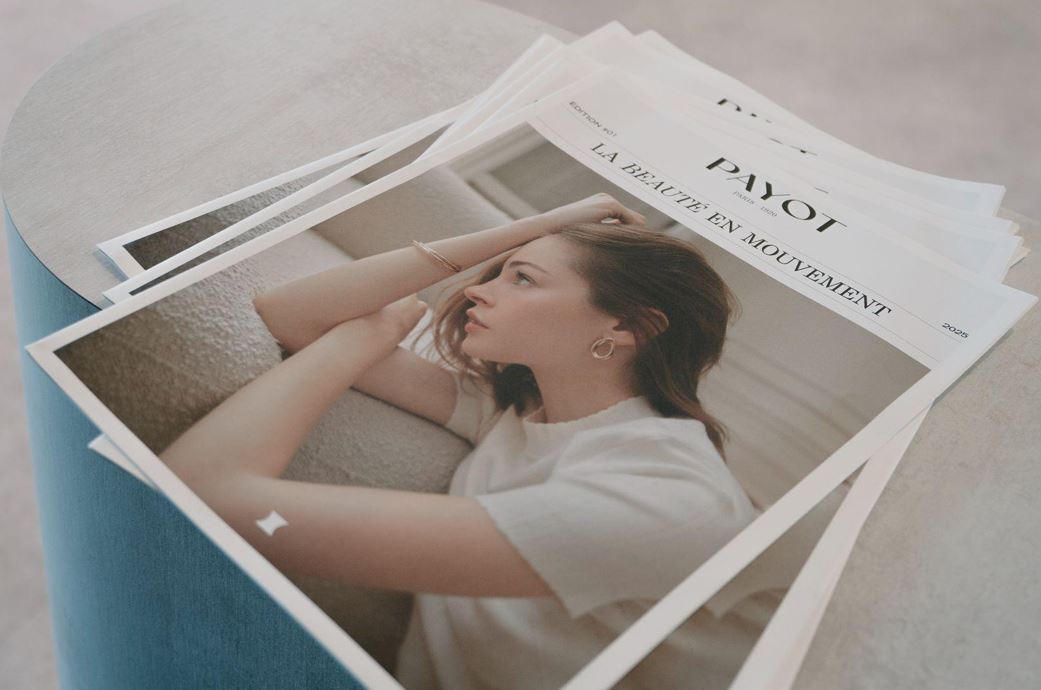
Ushopal is repositioning Payot around its established strengths in science, efficacy and professional skincare, rather than French lifestyle.
Lu points to its heritage in scientific expertise, formula efficacy and professional skincare, which she says needs to be communicated more clearly. From 2027, packaging is expected to feature clearer product benefits and quantified efficacy results, such as percentage improvements in hydration, based on product testing.
Lu said: “Payot should not try to simply be a beautiful brand. Its legitimacy comes from efficacy, science and its historic skincare expertise. The product is already there; our job now is to explain more clearly why it works.”
Ushopal is also changing how Payot communicates with consumers, with greater emphasis on their needs rather than the traditional preferences of distribution channels and beauty institutes. The brand is targeting the 25-to-35 age group with products and messaging addressing concerns such as stress, fatigue, blemishes, sensitivity, dehydration, hormonal changes and early ageing.
At the same time, the brand is retaining its established customer base, particularly women in their 40s, 50s and 60s who have long engaged with the brand through beauty institutes. The aim is to extend Payot’s relevance to younger consumers without losing its existing audience.
Payot’s next phase in China
Payot’s initial soft launch in China has allowed Ushopal to build awareness, test content and identify products with the strongest potential amid the evolving market trends. In 2027, the brand will step up investment while maintaining a focused portfolio centred on products relevant to Chinese consumers.
Lu said China’s beauty market has entered a more mature phase, with consumers becoming more selective and demanding. Mass offline expansion and reliance on KOLs and KOCs are no longer enough to drive sustainable growth, while younger consumers are increasingly more discerning about ingredients, efficacy and product claims.
She also noted that overlooking C-beauty is now a strategic mistake, as Chinese brands invest in R&D, active ingredients, packaging and new forms of communication while moving increasingly upmarket.
AI drives the next phase of beauty marketing
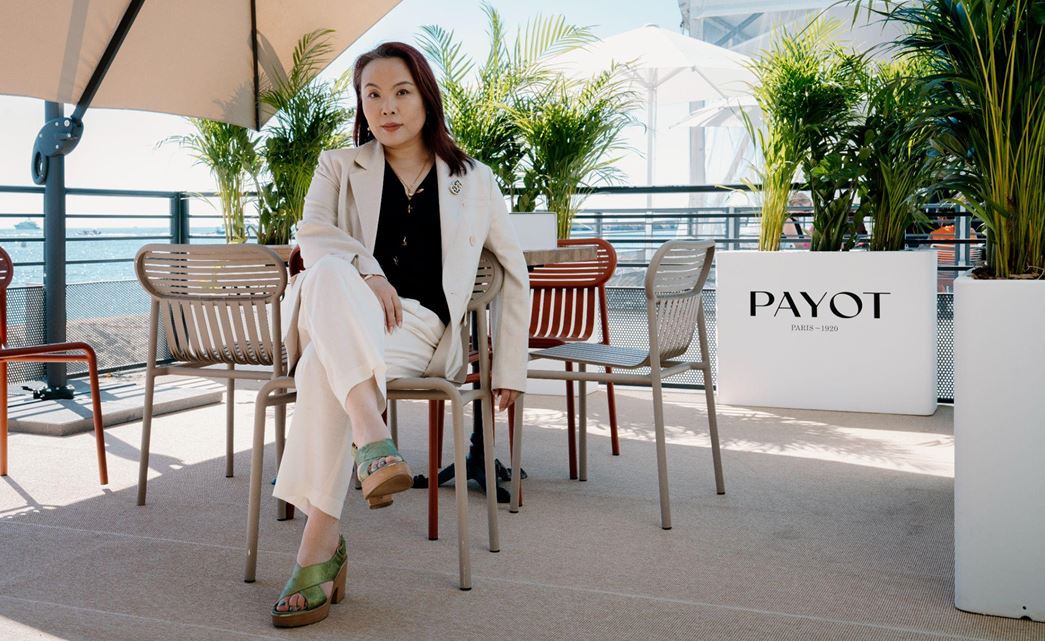
Ushopal is closely attuned to AI’s growing impact on beauty marketing in China, with some mass-market brands producing up to 1,000 pieces of content a week, tracking performance and reinvesting in the strongest assets. On some platforms, content can have a lifecycle of just seven days.
Ushopal is taking a different approach for premium brands, developing AI ‘super agents’ trained on each brand’s history, archives, tone of voice and aesthetic codes to increase content speed while maintaining brand consistency.
Looking ahead, Ushopal plans to continue expanding through acquisitions, but at a controlled pace, with Lu targeting roughly one major transaction every two years depending on its ability to integrate existing assets.
Areas under consideration include science-led skincare, scalp care and anti-hair loss, supplements and longevity, and fragrance, although high valuations make the latter a more cautious prospect. ✈