


Introduction: For Harding+, the opportunity in fashion & accessories is increasingly about what happens between first discovery and final purchase. At sea, that journey can unfold over several days, giving guests more time to engage with brands and seek specialist advice.
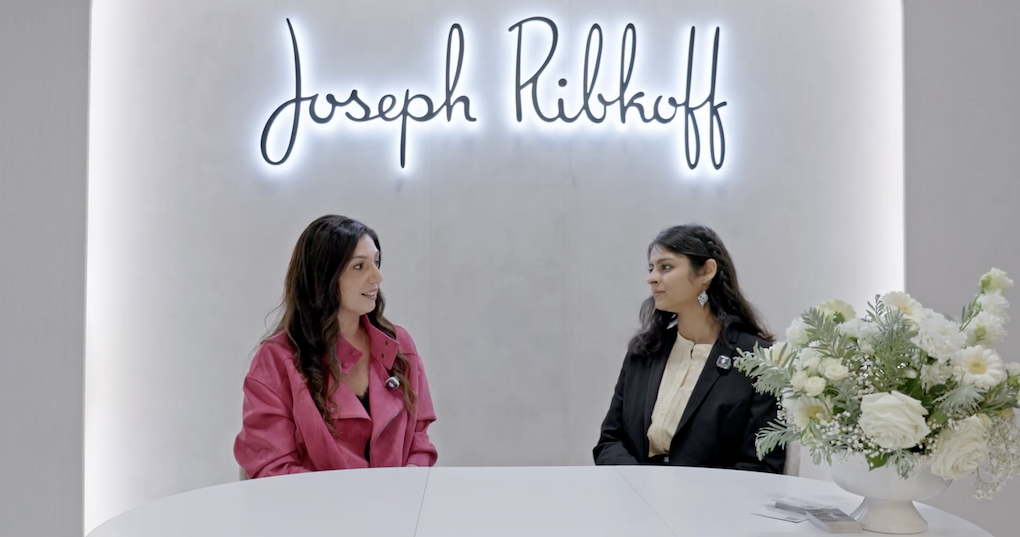
In this exclusive interview with The Moodie Davitt Report Managing Editor Ameesha Raizada, Accessories Buyer Sophie Scroggs explains how that relationship is influencing the way Harding+ curates and sells luxury across its cruise estate.
Harding+ is moving beyond traditional travel retail towards a more tailored, guest-led offer. What does that evolution mean for luxury fashion & accessories, and where do you see the category heading next?
Sophie Scroggs: The evolution is not simply about putting more luxury onboard, but making luxury more relevant, discoverable and personal once it’s there.
That means sharper curation, stronger storytelling to match each brand, more focus on first-at-sea exclusivity, and service that is fully appropriate to the environment.
For our next chapter, established global luxury brands remain important. But alongside them we’ll see more emerging brands to match a socially savvy audience, more pre-loved and destination relevant choices, as well as products or experiences that feel genuinely specific to cruise and to building guest memories.
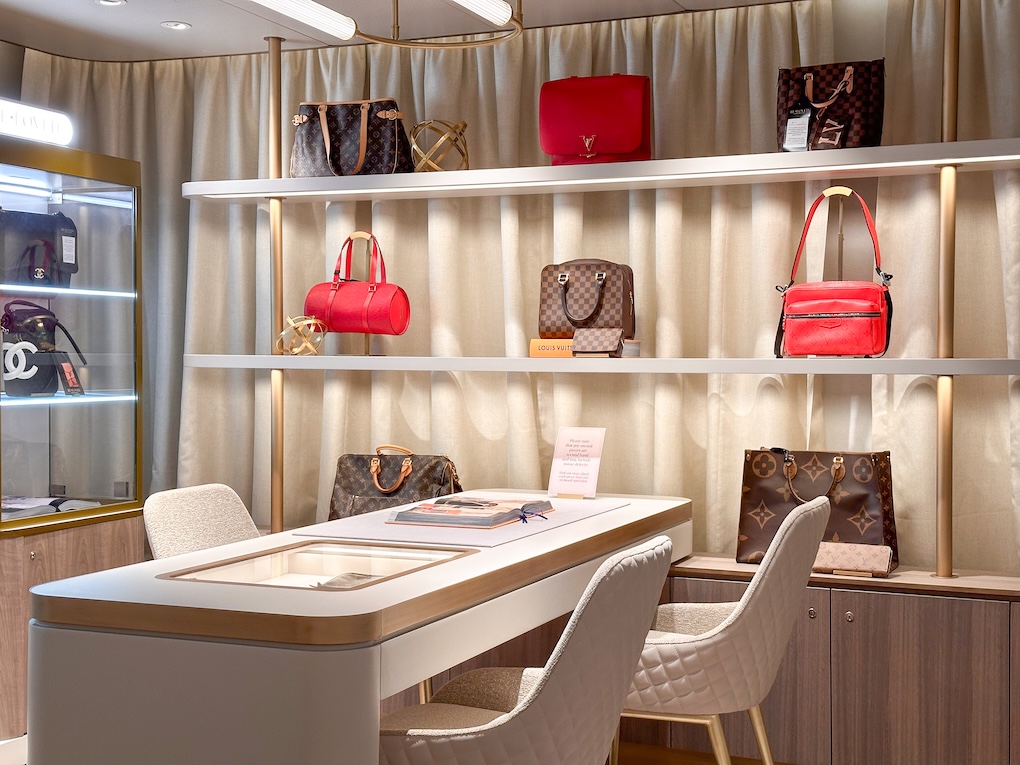
In the first half of 2026, we’ve seen strong momentum in pre-loved, up +36% year on year, with accessories growing and ultra-luxury names such as Hermès particularly driving that growth. We’re also seeing guests grow more comfortable investing in higher-value pre-loved pieces, reflected in the rise in average selling price.
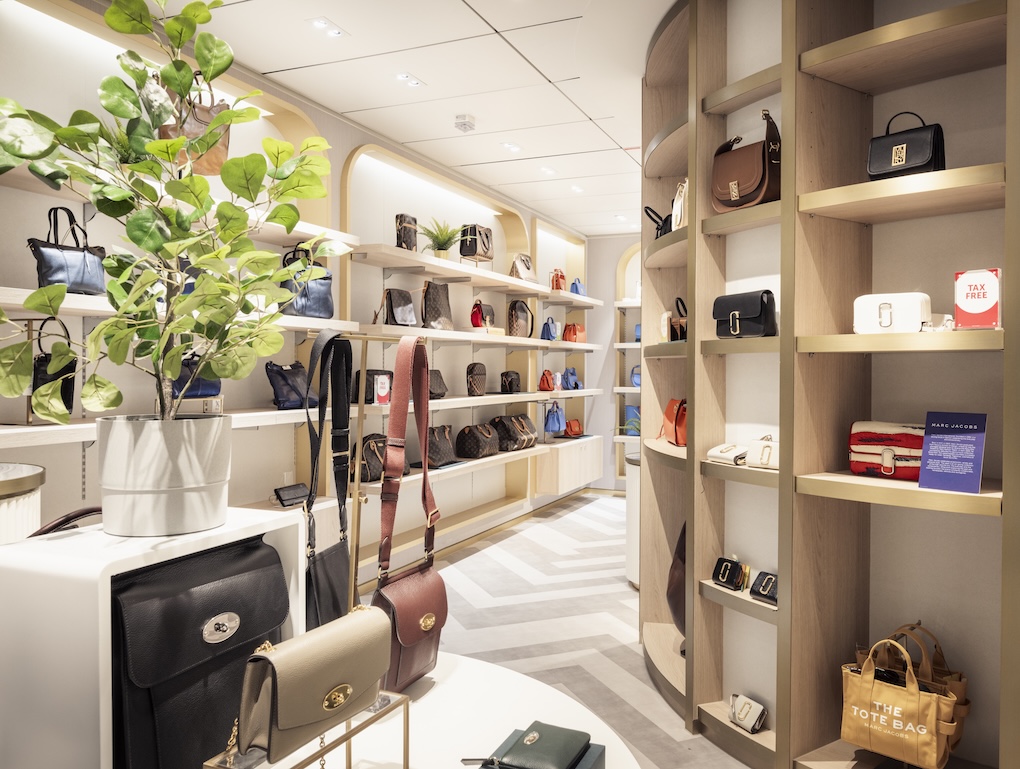
Guests want pieces with a story, a sense of exclusivity and, in some cases, the potential to hold their value over time. Our onboard teams help bring that to life – explaining the provenance, craftsmanship and appeal of each piece, and making the experience feel more personal.
We’re seeing the same appetite for premium shopping beyond pre-loved, with established luxury names such as Mulberry continuing to perform strongly. It’s a good sign that guests are willing to step into higher price points when they can see the quality, heritage and value behind the product.
Guests have the opportunity to browse and return to the same stores several times during a voyage. How does that longer relationship influence the journey towards a luxury purchase?
Making the right luxury purchase decision does not have to happen in one encounter. And maybe it shouldn’t.
A guest can discover a brand, try something again, learn more about the craftsmanship or provenance and build confidence over several days. That gives cruise something closer to relationship selling than conventional one-stop travel retail.
We saw this recently with the sale of a Hermès Birkin bag, where the journey to purchase involved multiple interactions between the guests and our dedicated pre-loved specialist onboard. The guests were able to take their time, ask questions, explore the pieces and return to the conversation before making a decision. It became much more than a transaction – it was an experience built around discovery, expertise and trust.
For first-time luxury customers particularly, conversion is often as much about storytelling and confidence as price. Our specialist colleagues receive in-depth training and bring expert product knowledge to every interaction, helping make luxury feel more accessible while maintaining that sense of exclusivity.
How far can you tailor the fashion & accessories assortment by ship, itinerary and guest profile, and where are you seeing the most interesting differences in demand?
Tailoring should be the norm, not the exception.
The same assortment should not automatically be placed on a Caribbean ship, an Alaskan itinerary or a Mediterranean voyage. Guest profile, nationality, age, itinerary, cruise length and price point should all shape what we choose to offer.
Segmentation work we have developed in the last 18 months increasingly draws together multiple sources of guest data so that ranging, activation and onboard experience align with actual guest behaviour, rather than broad demographic assumptions.
That shapes everything for fashion & accessories: the balance of investment pieces versus gifting, established names versus newer brands, and how our ReLoved range fits into each assortment.
Relevance always beats breadth. Our pre-loved range is managed down to SKU level, working closely with vendors to tailor sourcing to each ship and itinerary.
On our Australia-based ships, for example, pre-loved accessories are now sourced directly from our Singapore supply base, giving a shorter lead time to the shop floor, more competitive pricing and access to a wider pool of high-quality pre-loved goods. The ranges on our six-star ships also look markedly different from those on our family ships.
Fashion is particularly sensitive to fast-moving trends. How is Harding+ becoming more agile in identifying new trends and getting the right brands or products onboard quickly?
Cultural relevance can move quickly, so we need to shorten the distance between seeing something, understanding whether it matters to our guests and being prepared to act on it.
That requires closer dialogue with brands, better use of guest and sales insight, feedback from our onboard teams and a willingness to test newness when it feels right.
One of our core principles is to be the “try things first at sea” partner for our brands, and that keeps us agile in identifying the signals that matter, deciding quickly and keeping the process simple.
Within the fashion & accessories category, where are you most keen to experiment – whether through emerging brands, new formats, technology, pre-loved luxury or more exclusive products?
There is opportunity across all those areas. It builds on our core commitment to borderless retail, where we commit 25% of our retail space to activations and brand experiences.
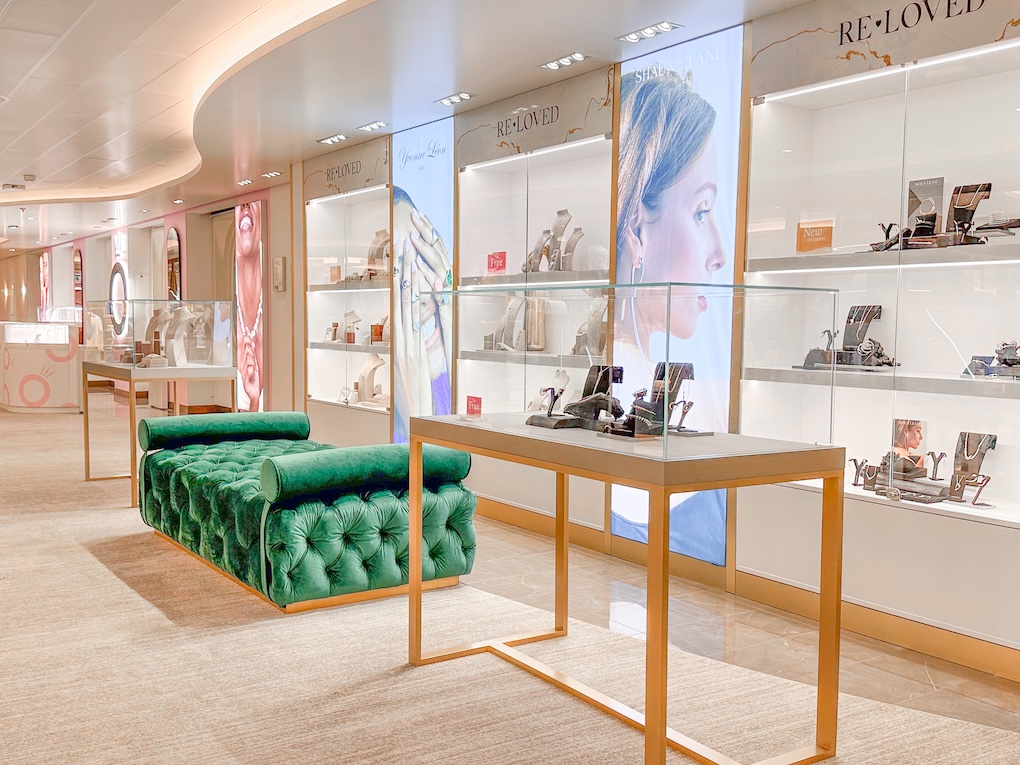
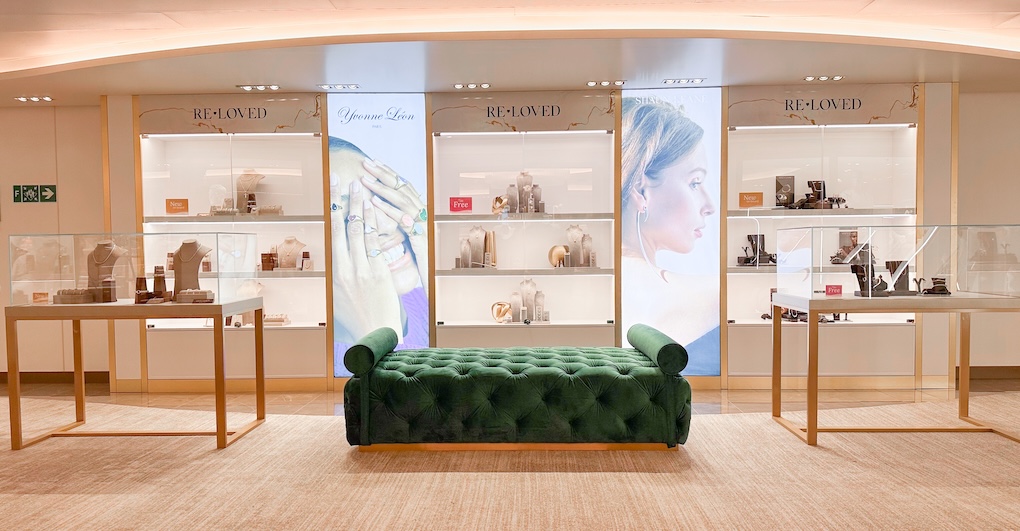
We were pioneers of pre-loved, and our ReLoved offer is now on 42 ships, expanding from the initial offer of clothing and handbags into broader ranges such as scarves and belts, and even dog accessories, alongside increased stock of purses, wallets and cosmetic pouches.
We also see potential in emerging brands that bring genuine discovery, cruise exclusives or limited editions, and service models that make luxury feel more personal.
In the coming months we will introduce Fashionphile to P&O Britannia, one of the world’s leading authenticated luxury resale platforms, giving guests an accessible route into brands such as Hermès, Chanel, Louis Vuitton and Gucci.
Technology has a role too, in storytelling and in authentication, but luxury stays fundamentally human. No algorithm will sell a Birkin – expertise and trust are what close a purchase.
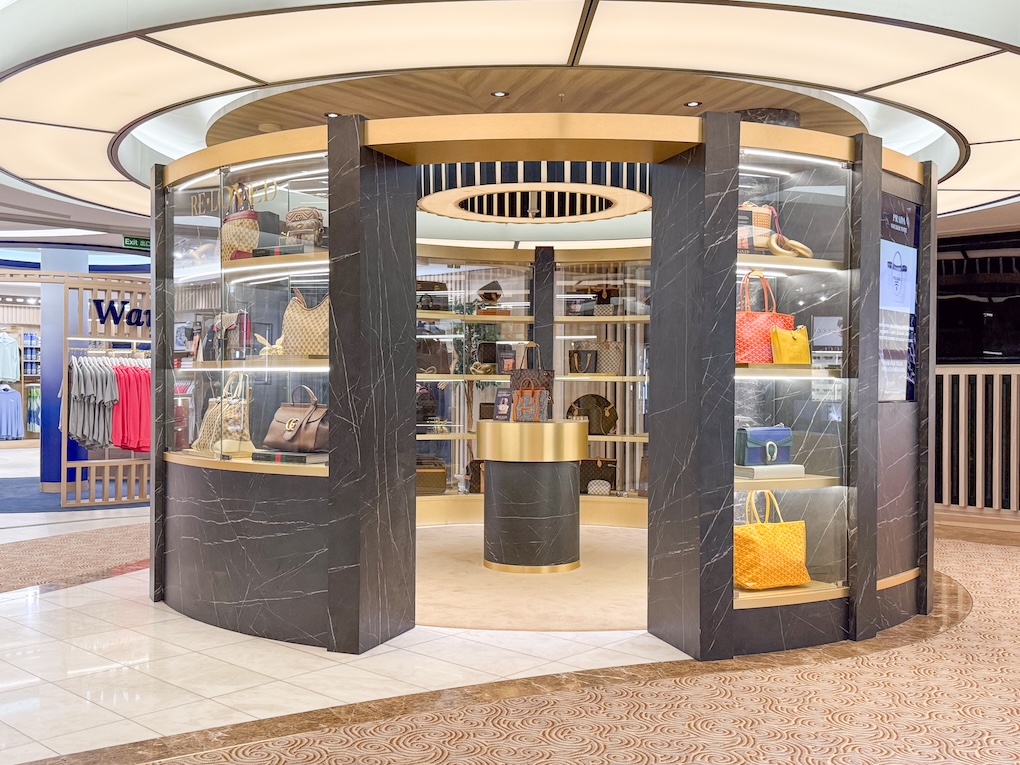
Harding+ is experimenting with more open retail environments that encourage guests to move naturally between categories. What opportunities does that create for fashion & accessories, and does it challenge the traditional standalone luxury boutique model within retailing at sea?
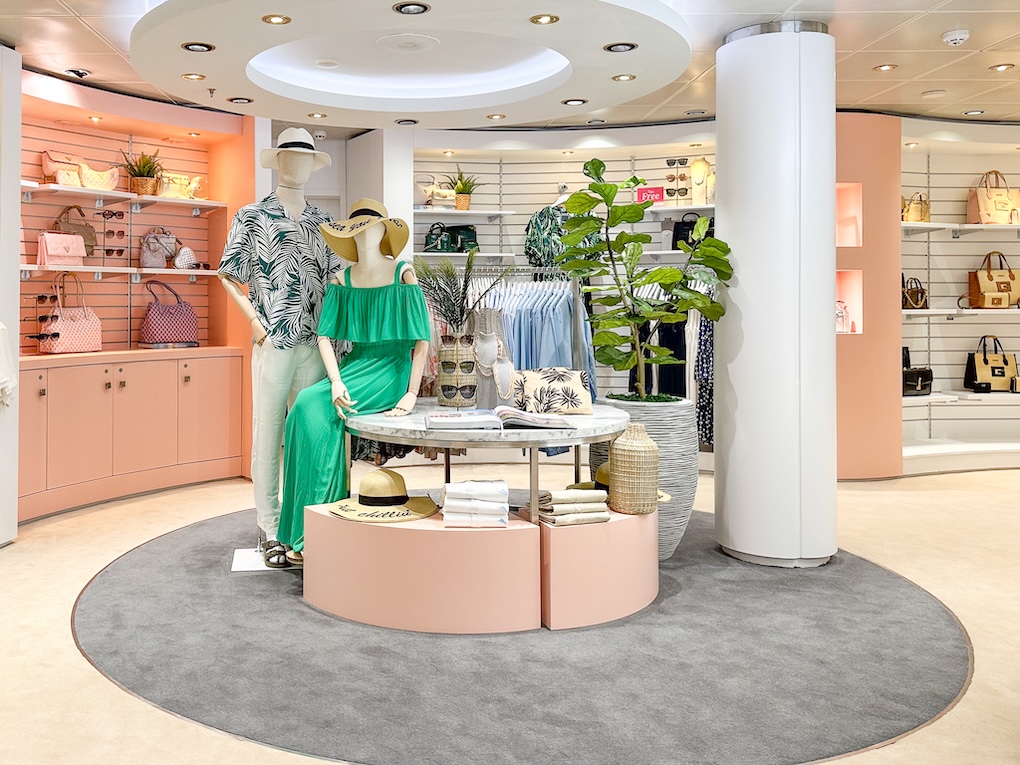
It challenges the assumption that every category must live permanently inside its own box. Guests do not just organise their interests around retail departments. They respond to occasions, passions, destinations and stories.
Our thinking around borderless retail environments is designed to allow guests to move more naturally between entertainment, discovery and purchase rather than being forced through traditional category silos.
That creates interesting possibilities for fashion and accessories alongside beauty, sport or destination-led experiences.
We have seen this play out directly. On one ship, we’ve positioned our ReLoved boutique right in the centre of a key guest walkway. The printed information beside a single piece was enough for a guest to window shop on a port day, then call the next day and ask for it to be delivered to their stateroom.
It does not mean the standalone luxury boutique disappears. Privacy, authority and a controlled premium environment remain important. The future is more likely to be both: dedicated luxury spaces which add value alongside more fluid environments that create unexpected routes into the category.
What do fashion & accessories brands need to understand about cruise retail if they are to make the most of the opportunity at sea?
Firstly, that cruise is not simply an airport strategy transferred onto a ship. The guest mindset is different and so is the environment – the relationship with a brand can develop over several days.
Secondly, presence alone is not enough. The strongest partners bring something designed for the channel. Exclusivity, hyper-relevance, staff training, storytelling, or an experience that gives the guest a reason to engage.
And thirdly, a willingness to collaborate. Some of the most interesting opportunities ahead will sit beyond traditional category boundaries, and more into guest passions, destinations and experiences.
Cruise can give a luxury brand extraordinary access to an engaged guest, but that guest is increasingly sophisticated, with high expectations to match. The brands that will get most from the opportunity are those that treat cruise as a strategic luxury environment in its own right, rather than simply another point of distribution. 🛳️
This interview was first published in The Moodie Davitt Report Category Insight Fashion & Accessories, September/October 2026. Click here for access.