

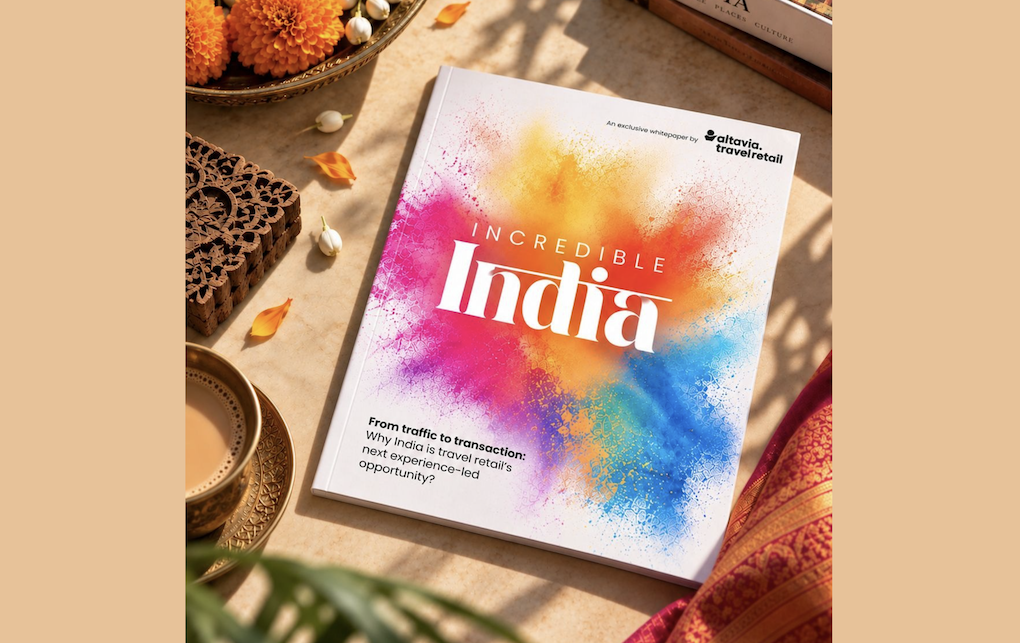
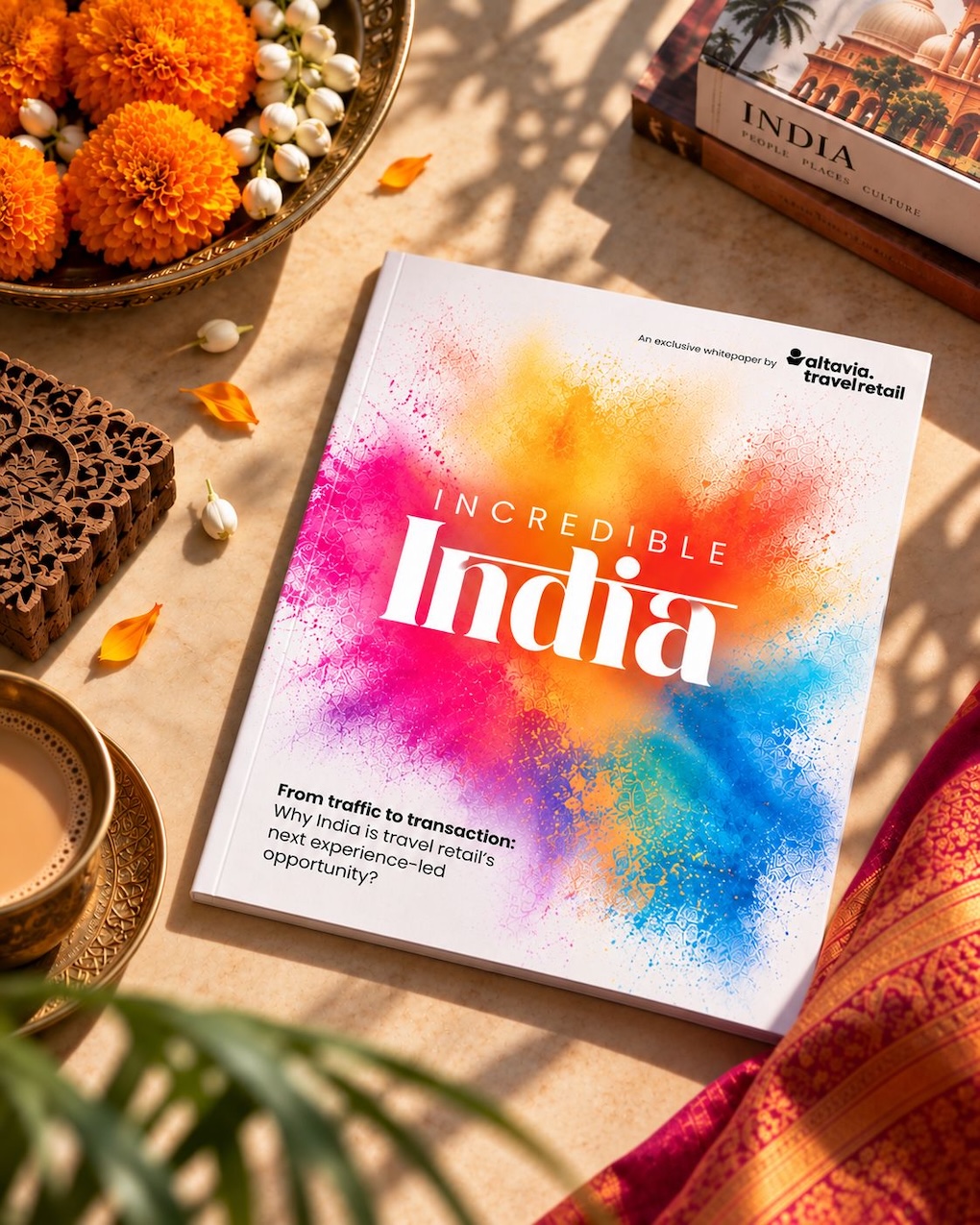
Introduction: A new white paper from Altavia Travel Retail examines how airports, retailers and brands can capitalise on India’s growing traveller base, amid projections that Indian travellers’ spending across Asia Pacific travel retail will quadruple between 2025 and 2035.
This excerpt from ‘Incredible India’ explores changing shopping habits, opportunities across key product categories and how retailers can better meet the needs of Indian travellers through more personalised and locally relevant experiences.
For years, India has been discussed in global aviation circles through a singular, localised narrative: A high-growth emerging market defined by spectacular airport projections and skyrocketing domestic passenger curves. Today, that narrative has completely broken through, and its impact extends far beyond Indian borders.
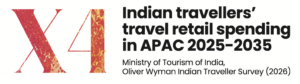
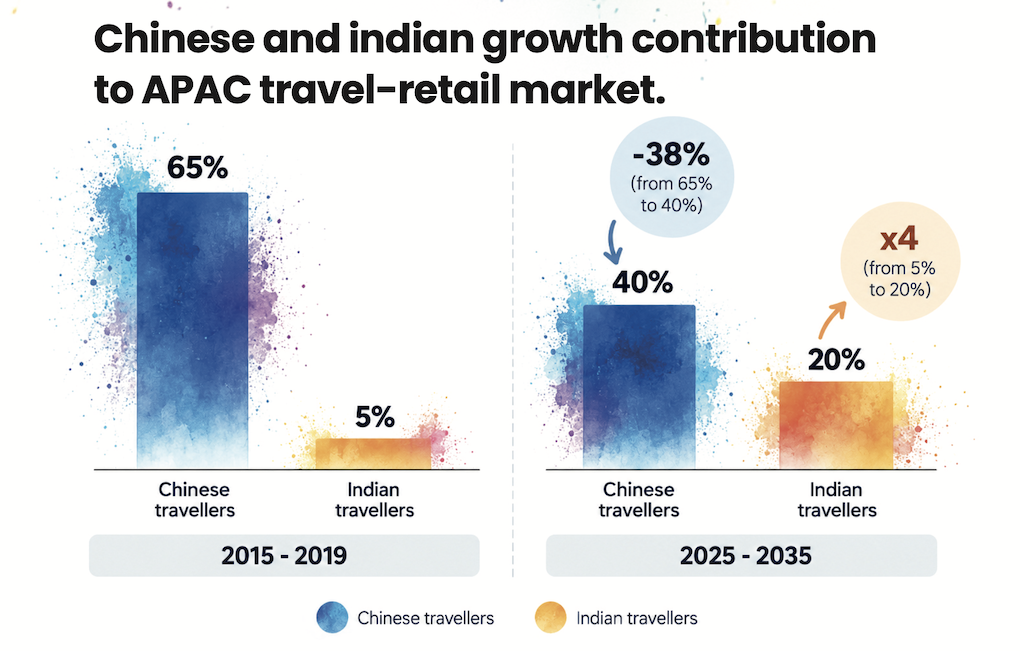
Powered by expanding middle and affluent classes, an unprecedented appetite for international travel, and massive overseas spending potential – x4 growth projection in APAC travel retail by 2035 – this new cohort is reshaping commercial corridors from Dubai to Bangkok, Singapore, and beyond.
 India is no longer just a domestic expansion story: it is an immediate, non-negotiable strategic priority for airport commercial teams, operators and brand owners worldwide. However, as global terminals fill to record capacity, the focal point for the industry must pivot from traffic volume to economic value.
How can this monumental wave of high-intent Indian travellers be converted into sustainable retail performance, expanded basket sizes and deeper transactional engagement?
1. The Opportunity – more airports, better terminals, more travellers, more moments to convert
As legacy hubs undergo radical modernisation and brand-new architectural masterpieces enter operations, the industry is gaining access to an unprecedented volume of commercial real estate. Crucially, this growth is not confined to isolated pockets: it spans international departures, booming domestic connections and regional routes. According to the International Air Transport Association, since 2024 India has ranked as the world’s third-largest civil aviation market, with 150+ operational airports and a government target to reach 220 airports by 2030.
“Indian travellers are rapidly emerging as a key global growth engine. With outbound travel volumes rising, they are becoming an increasingly strategic consumer group across major APAC hubs such as Bangkok and Singapore.”
– Coty VP Travel Retail APAC Veiane Cador
 But traffic growth does not automatically create retail performance. While terminal footfall data continues to break international records, a persistent gap remains between the number of traveling passengers and actual point-of-sale transactions.
Indian duty-free has historically relied on arrival shopping (65% of sales vs 35% at departures), driven by bulk gifting, promotional value and high demand for taxed international products such as spirits and confectionery. However, with major global
hubs (Singapore, Changi, Dubai) doing 75%+ of revenue at departures, unlocking international departures represents the market’s next major growth frontier.
“India’s duty-free arrival stores perform well, but departure stores lag behind global conversion benchmarks. Upgrades in airport layout, shopper experience, store design and pre-trip ecommerce will soon lift both conversion rates and average basket values.”
– Altavia Travel Retail Managing Director Hugo Vanderschaegh
2. The Consumer – the Indian traveller is changing
To build an experience-led model, operators must decode the new Indian traveller. Highly connected, affluent and confident with global brands, this modern shopper operates in an era of ‘smart premiumisation’: balancing sharp value-consciousness with high-end aspirations. They are eager to trade up, provided brands offer clear value perception, curated sets or destination exclusives, with purchases heavily shaped by family dynamics, digital influence and prestige gifting obligations.
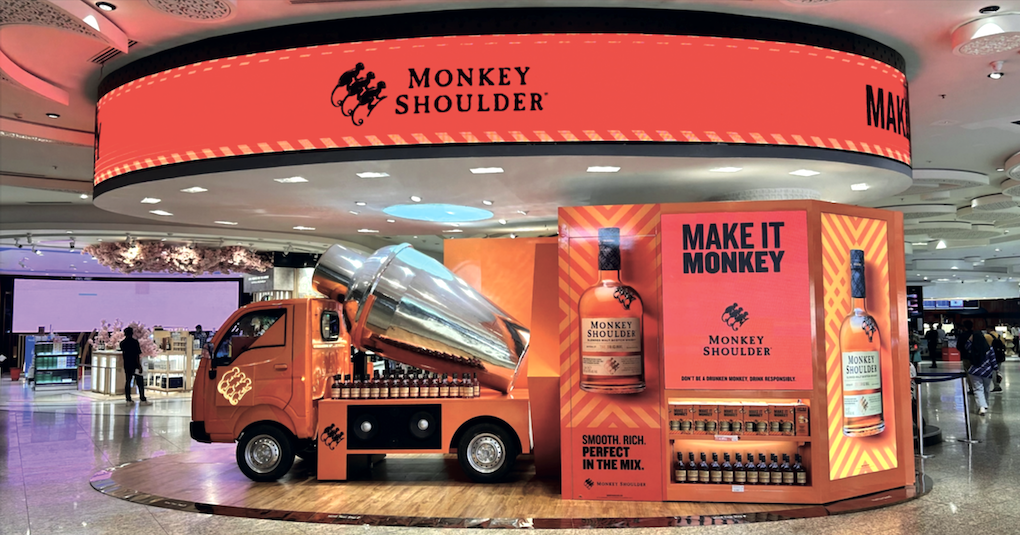
“The shift is no longer simply from value to convenience, but from price-led buying to quality-led discovery. Indian travellers are actively seeking premium single malts, exclusives and new experiences, with whisky becoming a purchase linked to self-expression, gifting and personal prestige. India has been the number one malt market in GTR since 2022.”
– Whyte & Mackay Regional Director Travel Retail – Europe, Middle East, India and Americas Clarisse Daniels
“We are also seeing the rise of local brands – a trend long established in mature markets that is now taking hold in Indian duty-free. Home-grown brand initiatives are emerging not only in the food segment but across all core categories.”
– Altavia Travel Retail Managing Director Hugo Vanderschaegh
“India is one of the markets where the Beauty Advisor plays the most critical role in conversion. Indian travellers seek in-depth consultation and reassurance before purchase, appreciate fragrance storytelling, ingredient education and usage guidance, respond strongly to sampling and trial experiences, and often rely on Beauty Advisors for gifting recommendations.”
– Coty VP Travel Retail APAC Veiane Cador
 3. The Category Shift – from a liquor-led model to a broader sales mix
This rebalancing does not imply that core categories will decline; it highlights the market is maturing into a multi-category landscape where value can be captured across diverse shopper missions. Historically, the commercial engine of Indian airport retail has been anchored by the liquor category. The commercial mix is diversifying as fragrance, premium beauty, premium confectionery and electronic capture significant ground.
4. Adapt to Local Market – bridging global prestige & local relevance
The human touch: service, storytelling & in-store expertise: In an era of instant price transparency, high-growth categories – such as prestige beauty, fragrances and fine spirits – require experiential activation, sensory rituals and, above all, human curation. In India, human interaction remains the ultimate driver of retail conversion and brand trust. The frontline associate is an essential advisor who translates complex brand heritage, ingredient education and usage guidance into personal reassurance for the traveller.
The power of seasonality – navigating festivals & gifting: Localisation also means designing activations around the rhythms of the Indian calendar. High-end gifting formats, tailored price points and explicit visual codes are essential. Particularly during peak celebration windows, such as the wedding season and major festivals like Diwali:
- US$15-20 billion: The business volume generated by the festive year-end season (Diwali) and the Wedding Season in India, across the retail and luxury sectors. (CAIT & Deloitte India, 2025)
- Up to +50%: Sales increase recorded on gift sets from October to December compared to the rest of the year. (Deloitte India Retail Reports, 2025)
Capturing this demand requires brands to deploy specific packaging, limited-edition gift sets and festive-ready merchandising.
“We see opportunities to introduce packaging formats and collections that resonate with local celebrations and festive moments. India-specific launches are already being explored for festive periods such as Diwali.”
– Neuhaus Business Development Manager Asia & Middle East Max Van Coillie
Conclusion
India is not just a traffic story: it is a global retail transformation. The future of Indian travel retail hinges not on traffic scale alone, but on turning high volume into high conversion and transaction value globally.
As Indian travellers become global travel retail’s primary growth engine, generic store layouts and transactional approaches are obsolete. Capturing this market requires bridging the spend gap through cultural localisation, departure-led retail strategies, festive seasonality and human-led storytelling.
“Top Indian duty-free operators are already developing next-generation stores. Expect spectacular flagship concepts that compete with the world’s best while staying rooted in unique regional flair. More details coming soon.”
– Altavia Travel Retail Managing Director Hugo Vanderschaegh
Click here to access more case studies from Altavia Travel Retail. ✈
This Partner Content was first published in The Moodie Davitt Magazine, September/October 2026. Click here for access.