
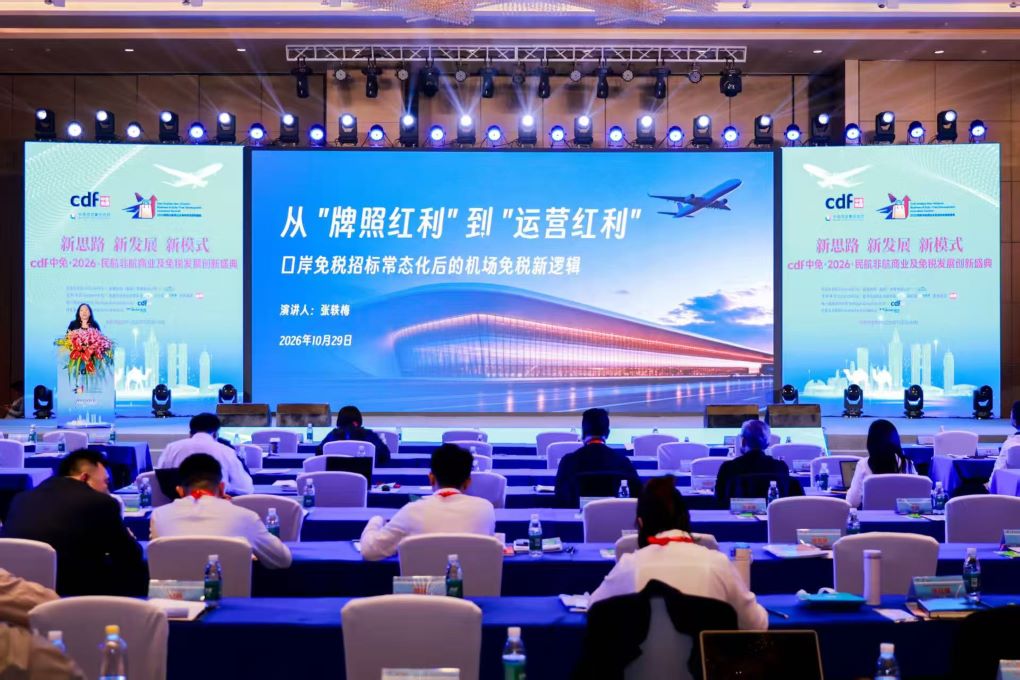
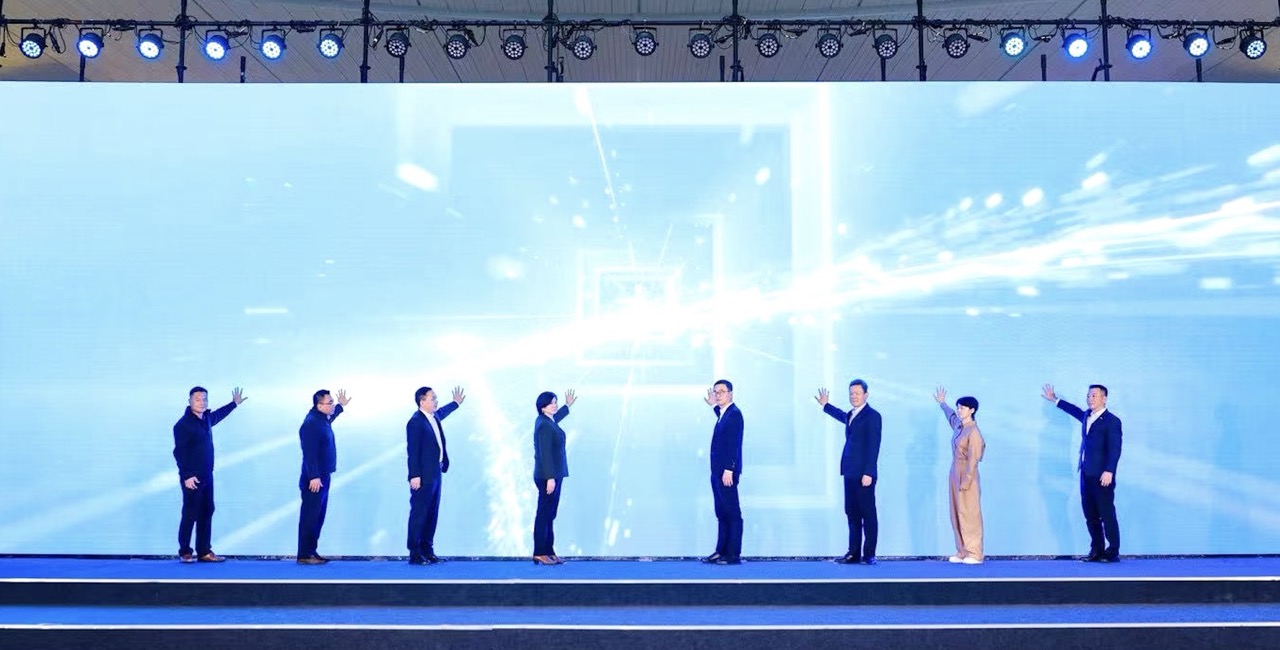
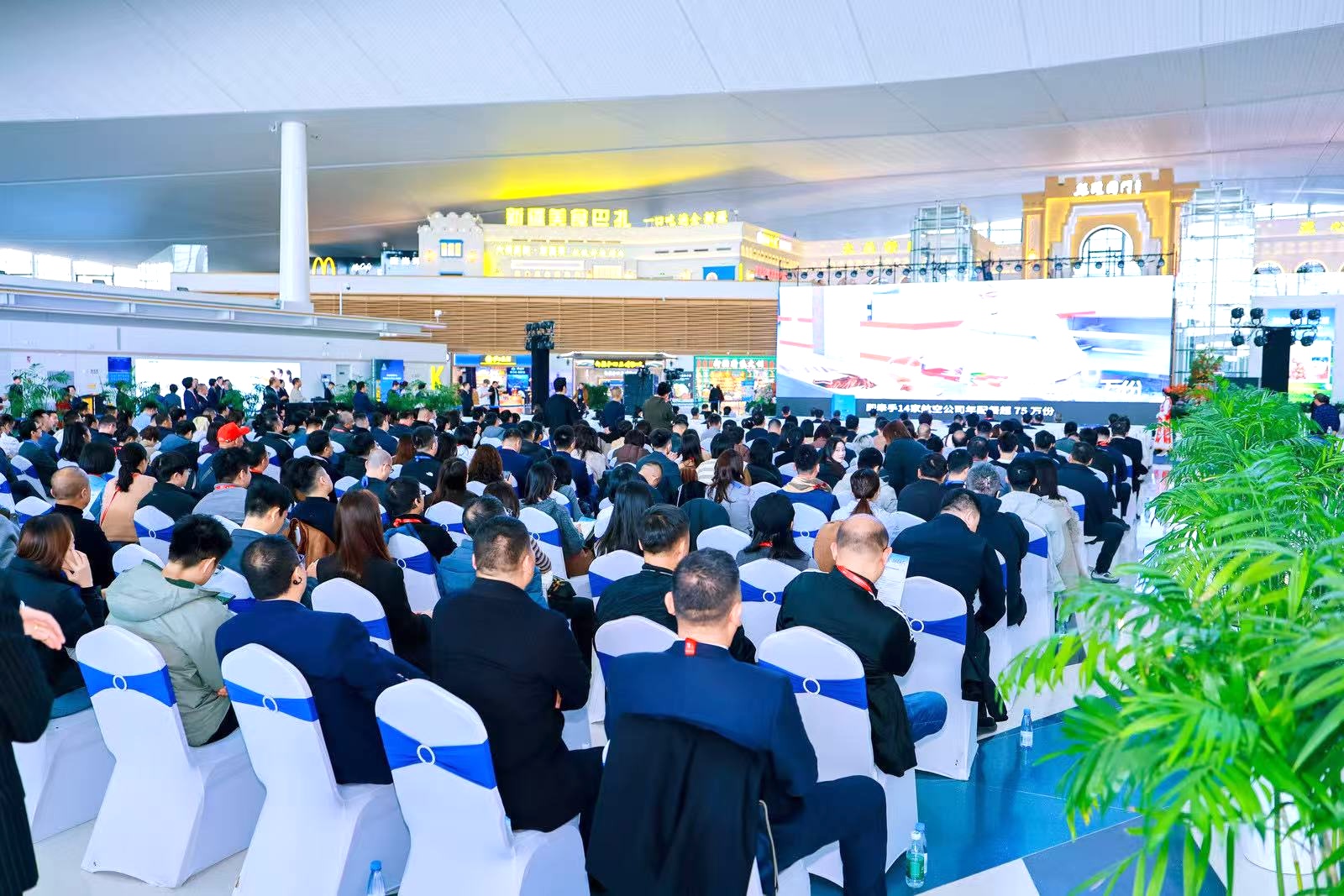
CHINA. The 2026 Civil Aviation Non-Aeronautical Business & Duty-Free Development Innovation Summit and Airport Commercial Development Conference has concluded in Urumqi, highlighting new partnership models, retail concepts and commercial development strategies for airports across the country.
Held under the theme ‘New Mindset. New Development. New Models’, the event brought together more than 50 airport operators and industry stakeholders from across the aviation commercial sector, including duty-free retail, dining, digital technology and cultural creative industries.
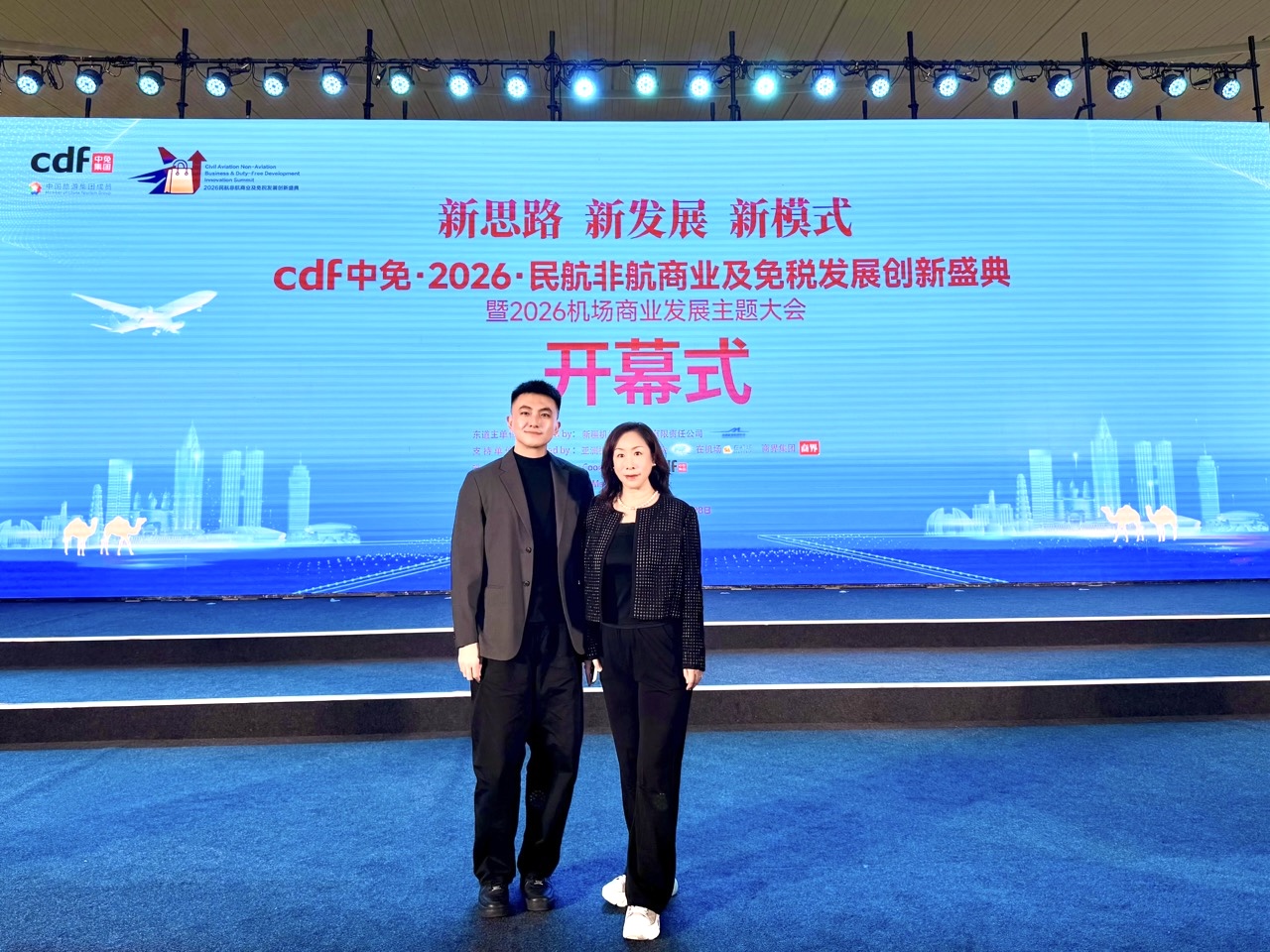
As reported, the three-day event was co-organised by Xinjiang Airport Group and China Duty Free Group (CDFG). The Moodie Davitt Report, represented by China Chief Representative Zhang Yimei and China Editor Dachang Wang, was exclusive industry media partner.
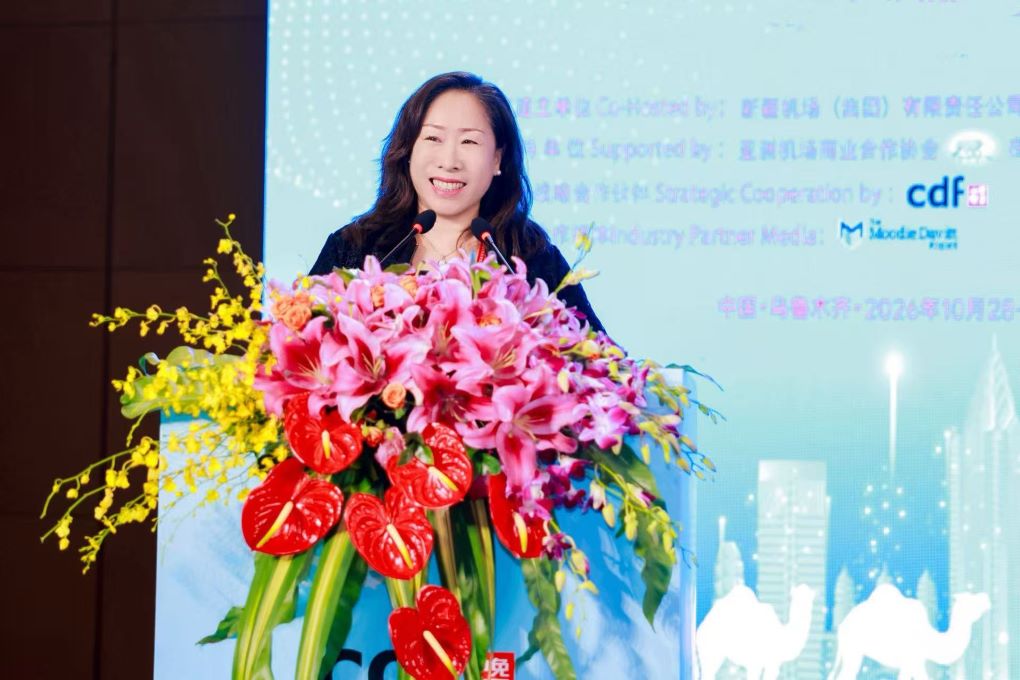
A central theme of the discussions was the challenge of translating passenger growth into stronger commercial performance, with retail revenues failing to keep pace with passenger traffic recovery.
Through keynote presentations, case studies, roundtable discussions and business matchmaking, participants explored ways to improve conversion, differentiate retail offerings and create more compelling passenger experiences.
A recurring theme was the need for airports to move beyond a traditional landlord model, in which commercial returns are largely driven by passenger volumes and rental income, towards more active, partnership-led operations.
Rethinking the airport commercial model
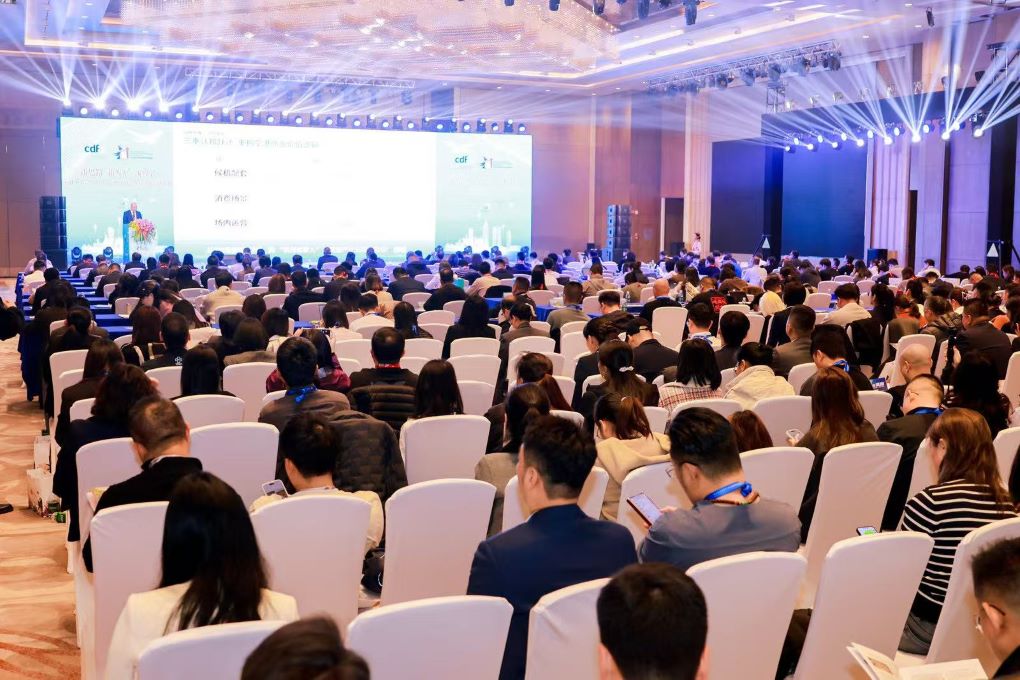
The conference highlighted a growing disconnect between recovering passenger traffic and airport commercial performance, with lower average spending, declining conversion rates and homogeneous retail offerings posing challenges for operators.
Speakers noted that the traditional ‘passive landlord’ model, reliant on footfall and rental income, is increasingly giving way to more active, value-driven commercial strategies.
Xinjiang Airport Group Deputy General Manager Yang Hongfeng outlined the region’s expanding aviation network, which had reached 707 routes by the third quarter of 2026, including 78 international passenger and cargo routes.
Urumqi Tianshan International Airport recorded 24.23 million passengers during the period, up +7.7% year-on-year, placing it among China’s top ten aviation cities.
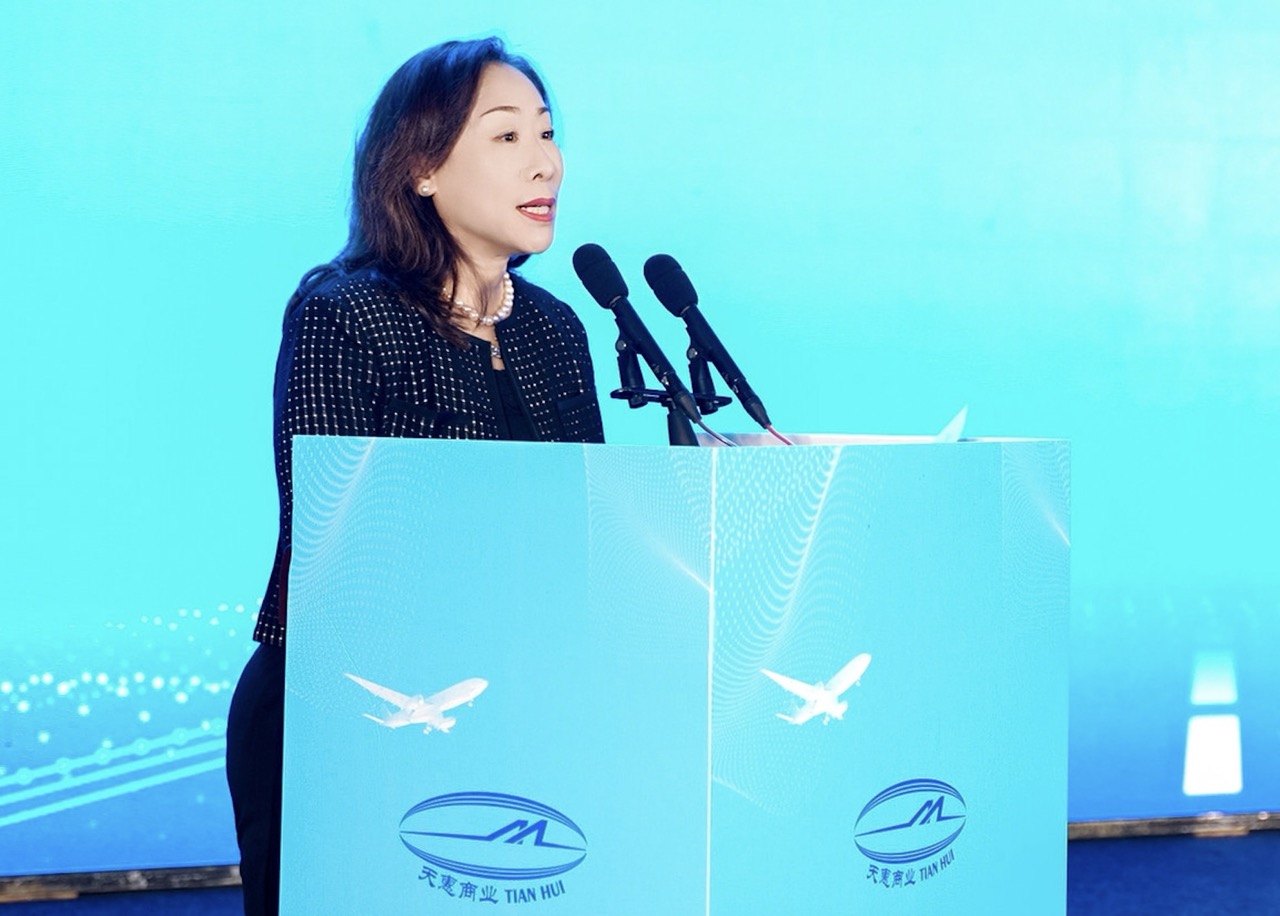
The Moodie Davitt Report’s Zhang Yimei analysed the shift in China’s airport duty-free sector from licence-led expansion to operations-driven growth. She highlighted operational capability as an increasingly important competitive advantage amid decentralised approval processes and standardised tendering.
She also underscored a shift in airport-operator relationships, from traditional landlord-tenant arrangements towards partnerships based on shared risks and returns, citing Shanghai Airport’s ‘fixed rent + sales commission + joint venture profit sharing’ model.
China Tourism Group Duty Free Corporation Assistant General Manager Mou Weizheng discussed the wider international challenge of converting passenger growth into retail spending, noting that global airport per-capita spending in 2024 remained -16% below 2019 levels.
Meanwhile, Senior Civil Aviation Management Consultant Yu Zhanfu pointed to product homogenisation and increasing price transparency across sales channels as factors putting pressure on traditional duty-paid retail models.
The conference also focused on the importance of giving passengers compelling reasons to shop and dine at airports, with commercial strategies increasingly focused on conversion, differentiated products and experience-led retail.
Evolving airport partnerships and retail offerings
The conference also focused on the significant advancement in cooperation mechanisms and product supply across the duty-free and duty-paid segments, as a range of innovative models move from pilot stage to full-scale roll-out.
Party Secretary and Xinjiang Tianhui Commercial Management Company Chairman Zhang Wanhe proposed a cross-industry producer-merchant concept integrating airport traffic with local speciality industries.
Notably, Urumqi Airport has since introduced 60 national and local brands, with 37 making their Xinjiang debut.
The airport also repurposed underutilised space in Terminal 2 by introducing Xinjiang Haining Leather City, a comprehensive commercial complex integrating retail, wholesale and cross-border trade. This initiative exemplifies a model in which state-owned enterprise provides the platform and the private enterprise drives operations.
The airport has developed a differentiated brand portfolio, integrating Xinjiang speciality products, intangible cultural heritage merchandise and regional cuisine into the terminal to create a retail mix that pairs local character with commercial value.
In duty free, airport-retailer joint ventures are emerging as an alternative approach to commercial management.
China Duty Free Group, the conference’s sole strategic partner, highlighted its airport-retailer joint-venture model, first implemented at Lanzhou Zhongchuan Airport.
Under the arrangement, CDFG oversees commercial planning, leasing and operations, while incorporating regional culture and Silk Road themes into retail spaces. Following reported improvements in commercial returns and passenger satisfaction after its first year, the model has been extended to airports including Hohhot, Xiamen and Changsha.
The approach represents a shift from conventional leasing agreements to a partnership model that encourages shared investment, closer collaboration and longer-term commercial growth.
CDFG also emphasised that product system upgrading is an equally critical driver. The retailer is driving airport duty-free retail from a narrow offering dominated by fragrances & cosmetics and liquor & tobacco towards diversified, premium and experience-led retail.
Exclusive offerings, product launches and locally distinctive merchandise are emerging as new ways for airports to offer shoppers something beyond the standard retail mix and drive spend.
In duty-paid retail and dining, retailers are increasingly adapting formats to airport-specific consumer needs. Tsui Wah Group, for example, has developed smaller Express outlets with streamlined products and a stronger focus on signature dishes and airport-exclusive offerings. The company reported single-store sales efficiency exceeding CNY20,000 (US$3,008) per sq m.
Differentiation drives new airport retail concepts
Beyond new business models and product offerings, the conference highlighted innovative approaches to airport commercial development, tailored to the strengths of individual airports.
Western Airport Group Investment Promotion Office Director and Western Airport Museum Curator Chen Yao highlighted Xi’an Xianyang Airport’s use of cultural heritage to drive commercial activity.
The airport has built an on-site museum displaying relics unearthed during the third phase of construction, attracting more than 400,000 visitors annually. The initiative has helped boost average spending on local speciality products from CNY32 (US$5) to CNY81 (US$12) per passenger.
Airports are also extending their customer base beyond departing passengers to include resident staff, people seeing off travellers and visitors. Employee meal-card schemes have also helped build a regular customer group. Destination-led experiences such as museums, themed exhibitions and specialised commercial districts attract passengers and non-travellers.
New retail formats, including health services, IP-themed pop-ups, 3D-printed products and celebrity merchandise, are further diversifying airport retail and creating new reasons to spend.
During the conference, guests visited commercial facilities at Urumqi Tianshan International Airport and took part in one-to-one business matchmaking.
The annual industry gathering showcased new approaches to airport commercial development and reinforced the shift towards more specialised operations, enhanced consumer experiences and diversified revenue streams as China’s civil aviation sector pursues higher-quality growth. ✈