
INTERNATIONAL. Airport Dimensions’ latest Airport Experience (AX26) study lays bare a decisive shift in traveller expectations, with digital integration, premiumisation and data-led engagement emerging as the new battlegrounds for airport growth.
Drawing on insights from more than 11,000 passengers worldwide, the research offers a clear roadmap for travel retail and airport stakeholders alike.
Our Senior Business Editor Mark Lane speaks with Airport Dimensions CEO Mignon Buckingham to examine the commercial implications.
Airport Dimensions has underlined a decisive shift towards digital-first engagement in its latest Airport Experience (AX26) research, with 77% of global travellers calling for a single platform to unify the end-to-end journey.
The new study highlights a clear commercial opportunity for airports to extend relationships beyond the day of travel.
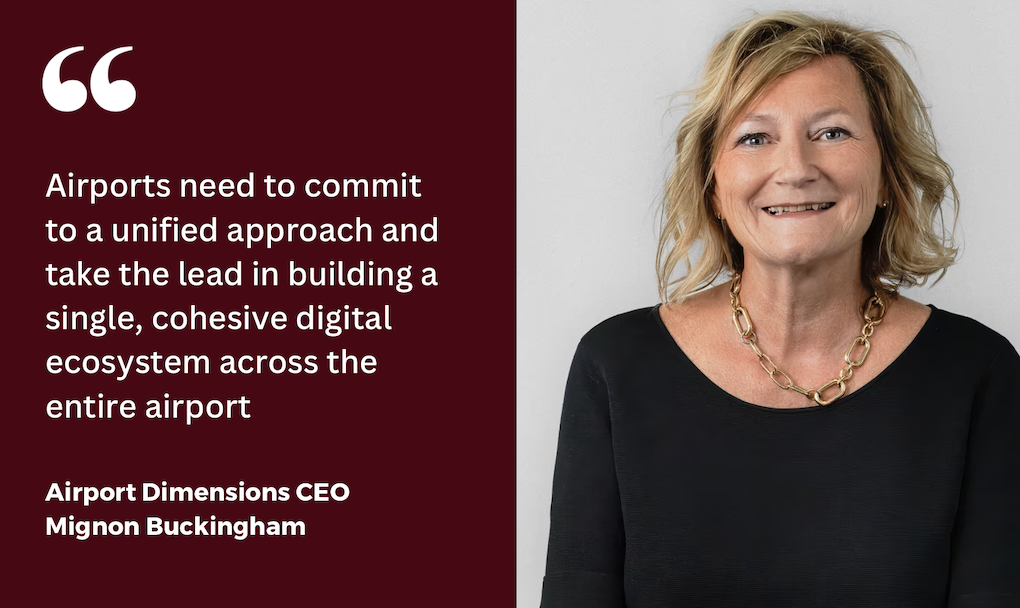
While just 30% of respondents currently report an active relationship with an airport, rising to 48% among Affluent Leisure Travellers (ALTs), demand for deeper engagement is strong.
Some 71% see value in reward-based programmes, while 83% cite proactive access to flight data as a meaningful enhancement, particularly when delivered ahead of travel.
Notably, 30% say a unified digital platform would directly encourage higher spend.
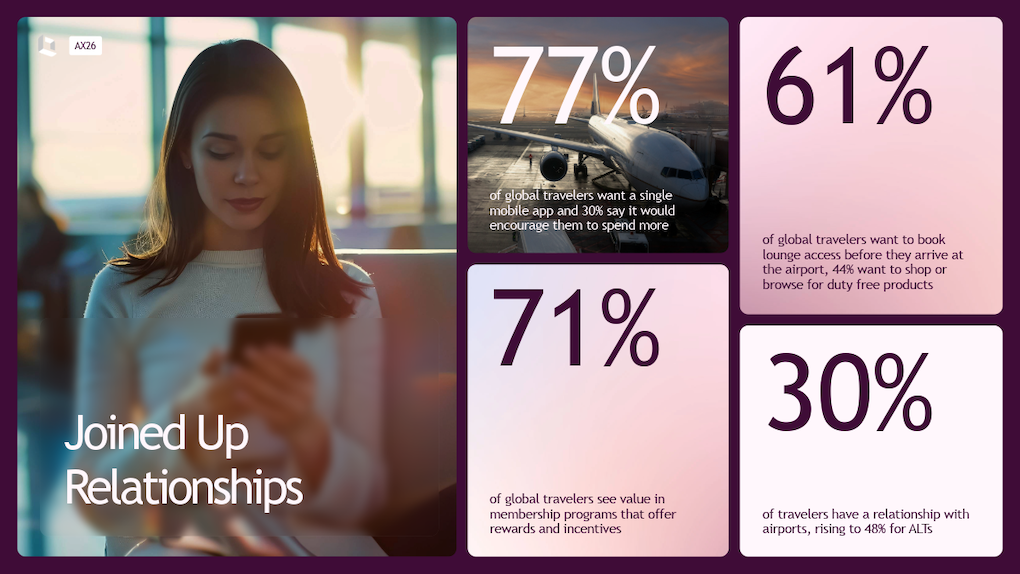
However, delivering that vision remains complex. Airport Dimensions CEO Mignon Buckingham argues that leadership and coordination across stakeholders are critical if airports are to overcome fragmentation.
“Airports need to commit to a unified approach and take the lead in building a single, cohesive digital ecosystem across the entire airport,” she says. “While some have done this successfully, others have taken a more passive stance, leaving concessionaires to understandably deploy their own proprietary tools and apps.”
Buckingham continues: “The feedback is clear, passengers find this fragmented experience frustrating, and it ultimately creates barriers to ease of access while limiting opportunities for revenue growth. A better approach would be a unified digital platform which benefits the whole airport ecosystem, including passengers.”
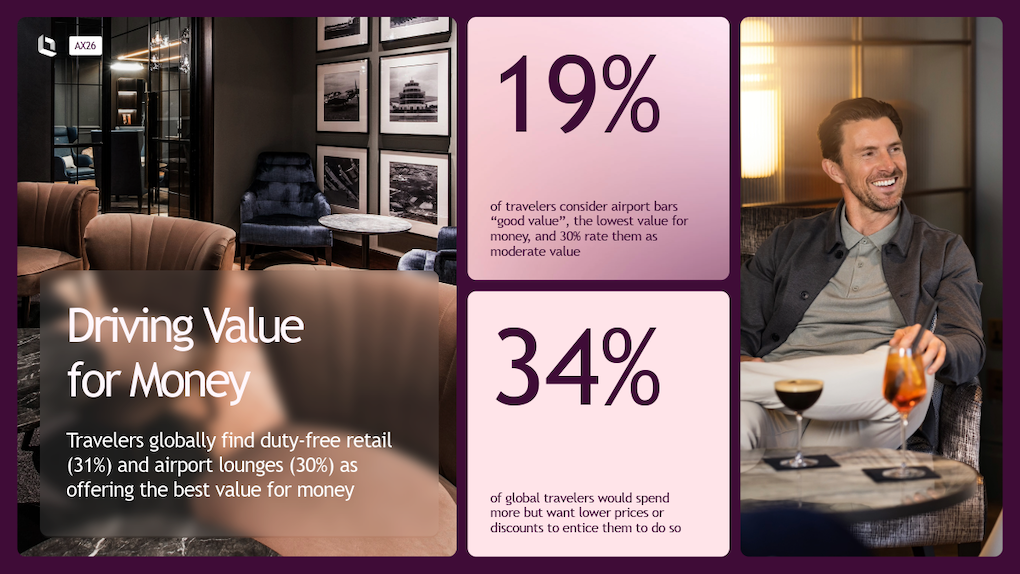
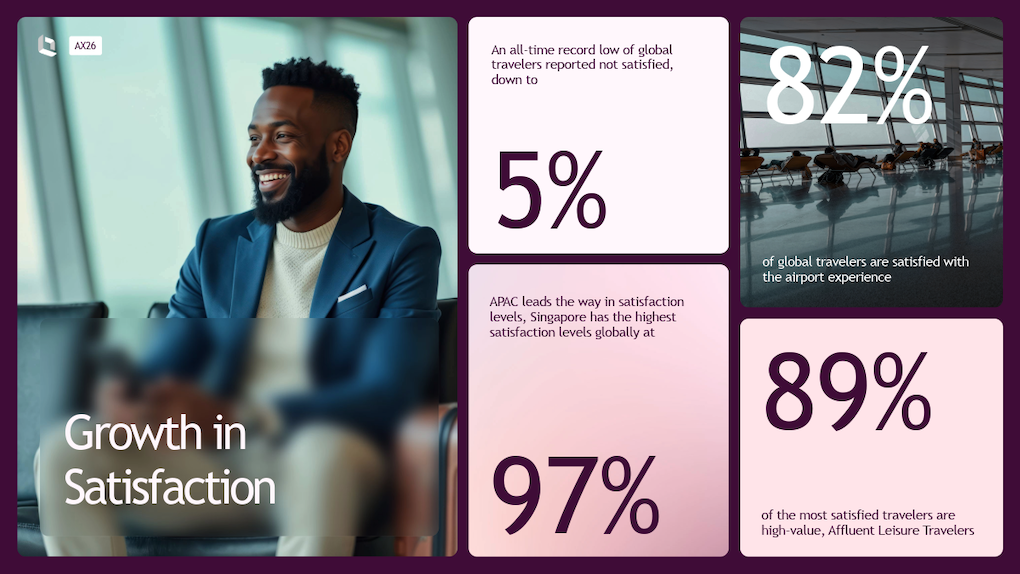
This growing appetite for digital integration coincides with record satisfaction levels. Global airport satisfaction has reached 82%, the highest recorded in the AX series, with Millennials and Gen Z leading at 84%.
The commercial correlation is pronounced, with nine out of ten highest spenders reporting a positive airport experience.
Buckingham says the next phase of investment must move beyond physical infrastructure towards more intelligent, responsive engagement.
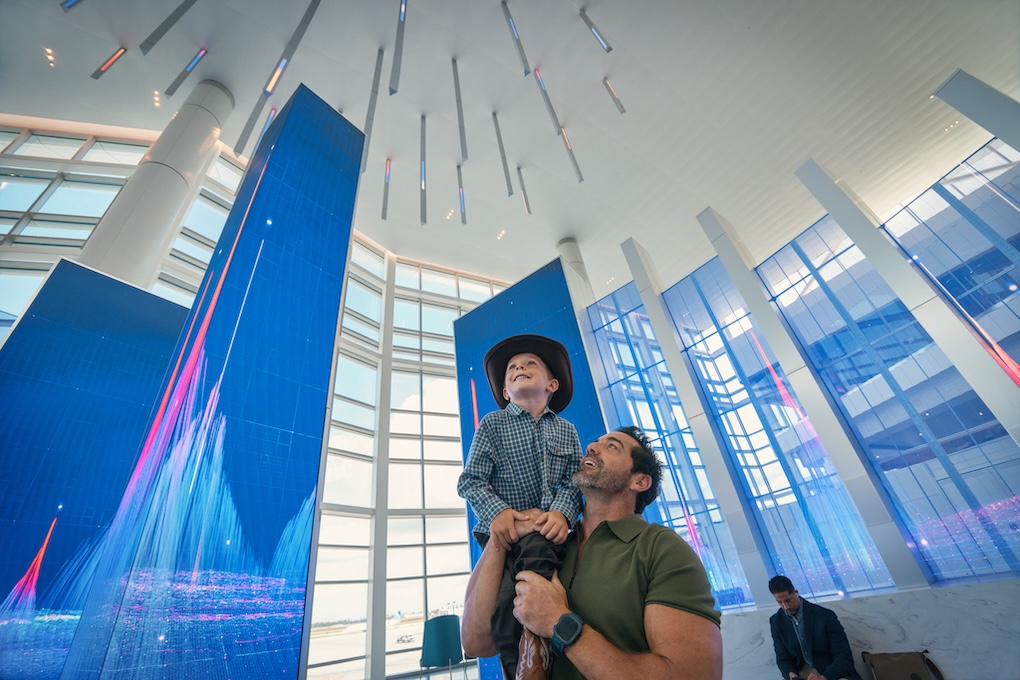
“Airports have done an excellent job investing in the ‘hardware’ of the journey, such as terminals, seating and facilities; and this is reflected by record high satisfaction but to continue progressing, the focus now needs to shift to ‘software’ by creating more personalised experiences and solutions.
“That means understanding travellers’ needs in real time and using tools, such as a connected digital ecosystem, to deliver the right experience at the right moment.
“This approach can also help to identify airports’ challenges and adapt within their means. For example, an airport might not have the capital to redesign a terminal, but might find it more cost-effective to invest in digital tools that help travellers navigate existing spaces.”
The Affluent Leisure Traveller factor
The research reinforces the growing influence of the Affluent Leisure Traveller, a segment first highlighted in AX25 and now confirmed as the dominant economic force within the airport ecosystem. Representing 26% of respondents, ALTs account for 57% of total spend and deliver expenditure levels four times higher than other traveller groups.
Buckingham cautions, however, against an overly narrow focus on this high-value segment, despite its outsized contribution.
“Airports should consider all passenger segments across the airport, not just ALTs. With their higher spending habits, it may seem that ALT’s represent a clear win, but airports will see greater value in a unified digital approach that addresses the needs and opportunities of every segment in a cost-effective way.

“By gaining a deeper understanding of airport relationships across every traveller segment, airports are far better positioned to pull the right commercial levers for each group. For example, they can promote lounge access to high-value ALTs, while offering value-driven food & beverage options to more price-sensitive segments.”
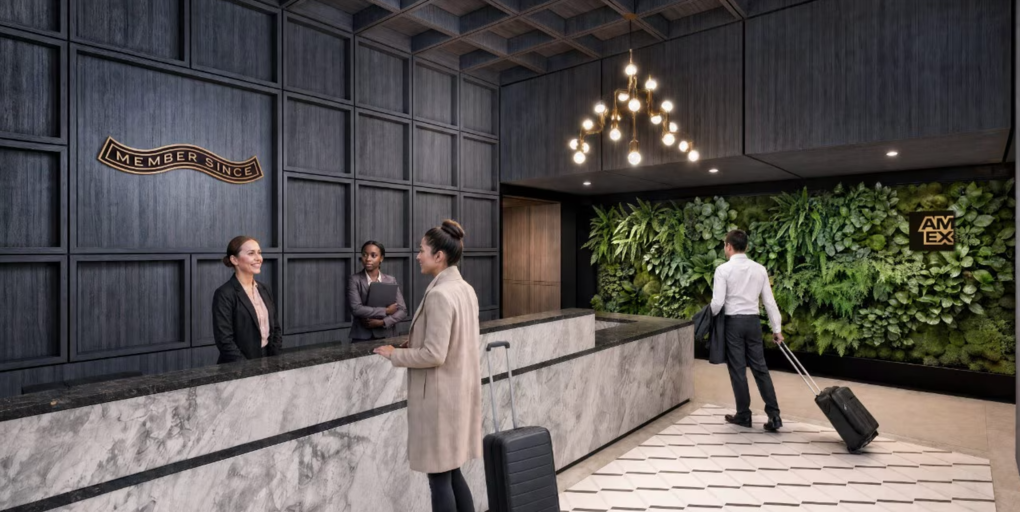
With satisfaction levels among ALTs reaching 89%, the segment demonstrates strong affinity for premium environments, particularly airport lounges, used by 75% of the group.
Digital engagement is also high, with 48% actively using travel-related tools, presenting airports with a clear pathway to deploy data-led loyalty and recognition strategies to influence behaviour pre-trip.

Premiumisation continues to gather pace across the wider traveller base. Some 62% of all passengers, rising to 69% among ALTs, are willing to pay for services that enhance speed and comfort, extending beyond lounges to fast-track security, meet-and-greet and premium parking.
Lounge access remains central, with 57% of users indicating a willingness to pay if required, and family travel emerging as a key driver of uptake.
Buckingham contends that the evolution of premium must balance broader access with relevance and differentiation.

“A premium ecosystem is becoming more in demand as more travellers indicate they are willing to pay for an enhanced airport experience. Whilst exclusivity will always have a certain appeal, passengers are now placing greater value on services that are tailored to their individual needs.
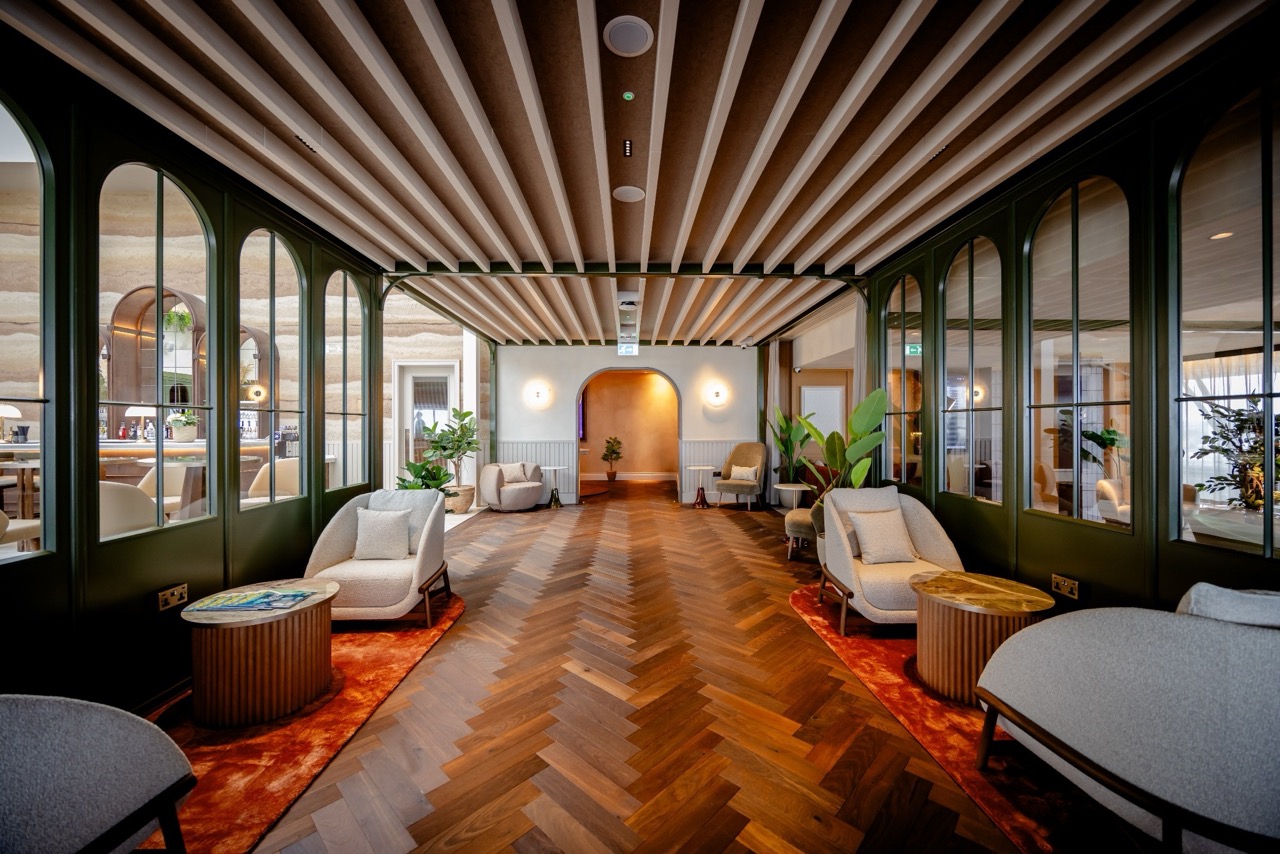
“Lounges in particular are evolving from being seen as purely exclusive spaces, to catering to a wide range of traveller needs. While high-value segments like ALTs will be the most frequent users of a premium ecosystem, it should be designed to serve all travellers.
“Its use may vary according to needs – a business traveller might be looking for a quiet space to work whilst a couple on their honeymoon might be looking for a memorable and special experience – but the ability to effectively target and provide access to premium services for all traveller segments will be critical for airport revenue growth.” ✈
 The Moodie Davitt Report also publishes Airport Hospitality World, the latest edition to our wide-ranging, market-leading travel retail and airport non-aeronautical revenues publishing and event portfolio. Airport Hospitality World covers all forms of airport lounges across international and domestic terminals, including various definitions as follows:
Plus other hospitality-related platforms:
Excitingly, the long-established Airport Food & Beverage (FAB) + Hospitality Conference & Awards will embrace Airport Hospitality World from the 2026 edition – the event’s 15th anniversary. |