
 |
Distell is growing its profile in Africa and other key regions with enhanced routes to market and a portfolio of well-differentiated brands, says MD Richard Rushton |
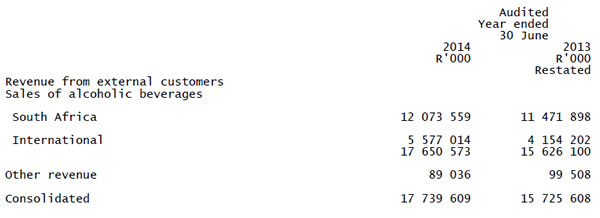
South African spirits and wine producer Distell has posted a +12.8% increase in revenue to R17.7 billion (US$1.65 billion) for the year ended 30 June 2014, with sales volumes up by +3.1%. Net profit grew by +40.7% to R1.52 billion (US$0.14 billion) in the 12-month period.
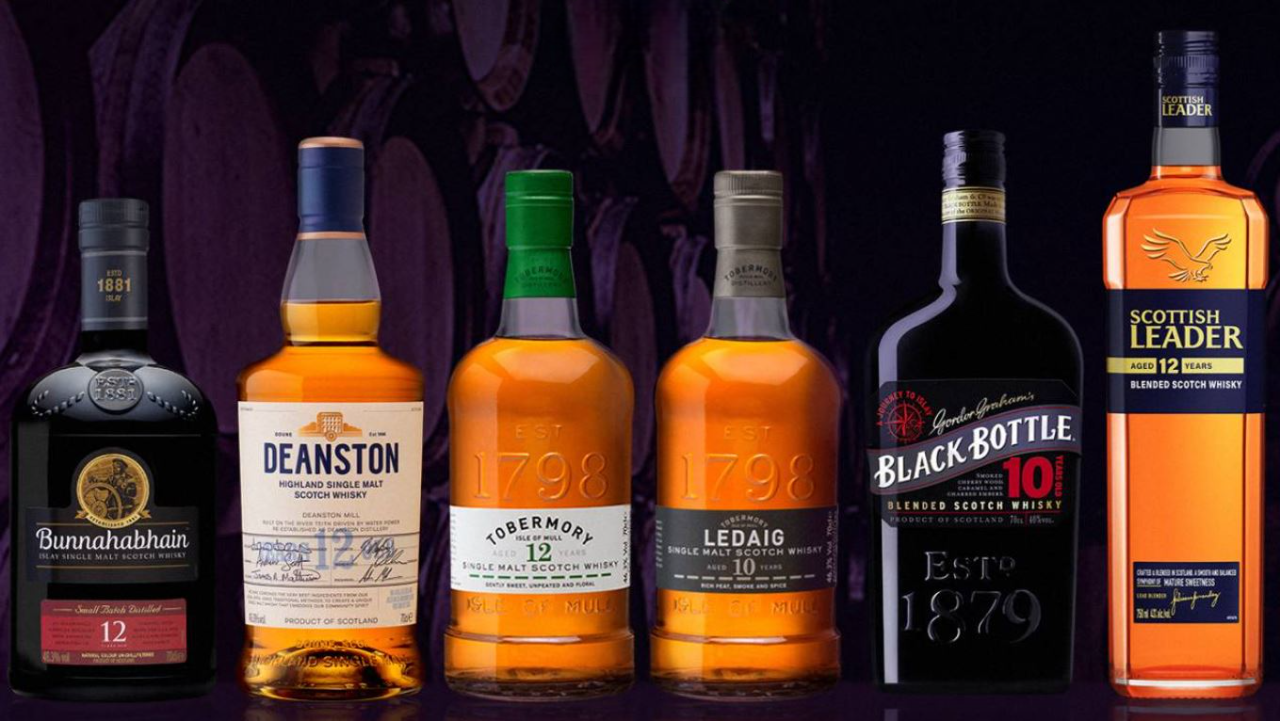
Both the domestic and international markets had contributed to the revenue increase, which had also been impacted by a weaker Rand and the incorporation of the Burn Stewart Distillers (BSD) Scotch whisky business, acquired in April 2013.
In South Africa, the company had managed to maintain its 21% value share of the total liquor market, even with the entry of additional players and competitor products. Revenue rose +5.2%, with sales volumes up +2.6% in the face of declining disposable income and excise duty hikes that were ahead of inflation.
“Our decision to exercise price restraint, together with our broad portfolio offering of both premium and accessible brands enabled us to compete and grow effectively in the market, despite mixed results in some segments,” explained Distell Managing Director Richard Rushton.
The cider and ready-to-drink portfolio, led by star performer Hunter’s, continued to deliver good growth despite a slowdown in the growth rate compared to previous years.
The spirits portfolio showed a volume decline, primarily as a result of the depressed performance of South Africa’s brandy category. This has been countered to an extent by “healthy sales” of the Bisquit cognac range, Rushton said, as well as growth by local whisky brands Bain’s Cape Mountain Whisky and Three Ships.
Amarula has also extended its portfolio with the launch of Amarula Gold as a companion to Amarula Cream. Launched in March, the new 30%abv clear, golden spirit has reportedly been very well received, with demand exceeding the company’s expectations. “This new brand extension is heightening Amarula’s visibility and strengthening brand equity at a time of intensified competition in the cream liqueur category,” Rushton said.
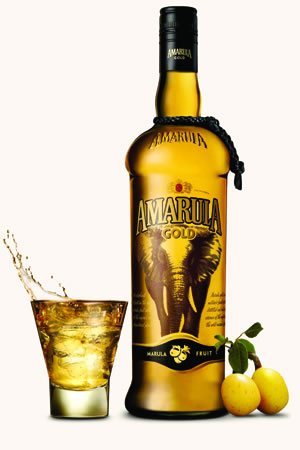 | 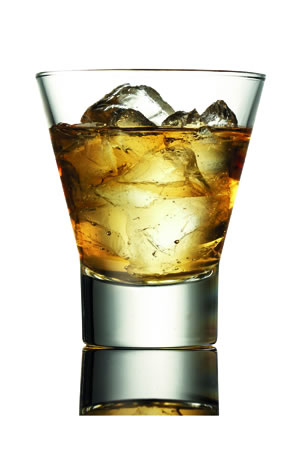 |
The newly launched Amarula Gold is “heightening Amarula’s visibility and strengthening brand equity at a time of intensified competition in the cream liqueur category,” Distell says | |
Sales volumes of the wine portfolio reflected modest growth, with gains among brands such as Durbanville Hills, Zonnebloem and Fleur du Cap, as well as estate brands Neethlingshof, Allesverloren and Uitkyk.
Sub-Saharan African markets, excluding South Africa, continued to deliver strong results with volume growth across all categories. The region contributed 49.6% to foreign revenue.
Rushton elaborated: “We achieved revenue growth of +20.0% on the continent, while sales volumes rose by +9.4%. This was despite several disruptions to trade, intensified competition from the major global players and a stepped-up presence of cheap Indian imports, as well as the imposition of high import duties in several countries.”
 |
He confirmed that good progress was being made to raise the company’s in-market production in key markets to address vulnerabilities to import duties and to improve product availability at competitive pricing. A bottling line had been commissioned in Ghana and land had been purchased in Nigeria and Angola with plants scheduled to come into operation in 2015 or shortly thereafter. In addition, after year-end, the purchase of a 26% stake had been confirmed in the formerly government-owned KWA Holding East Africa Limited (KHEAL), following the passing of legislation in July 2014 to permit its privatisation.
International business outside Africa produced subdued revenue growth, as market conditions proved “extremely difficult”. Overall, sales revenue, excluding BSD, rose +6.9%, mostly on the back of Rand depreciation.
“We were, however, able to achieve notable gains in wine in key strategic markets such as the US and once again, Amarula was the only South African representative on the Impact Databank World’s Top 100 Premium Spirits Brands for 2013,” Rushton noted.
Looking ahead, Rushton said the company was expecting “a modest improvement” in trading conditions led by the recovery in advanced economies, which was driving emerging economy exports.
 |