
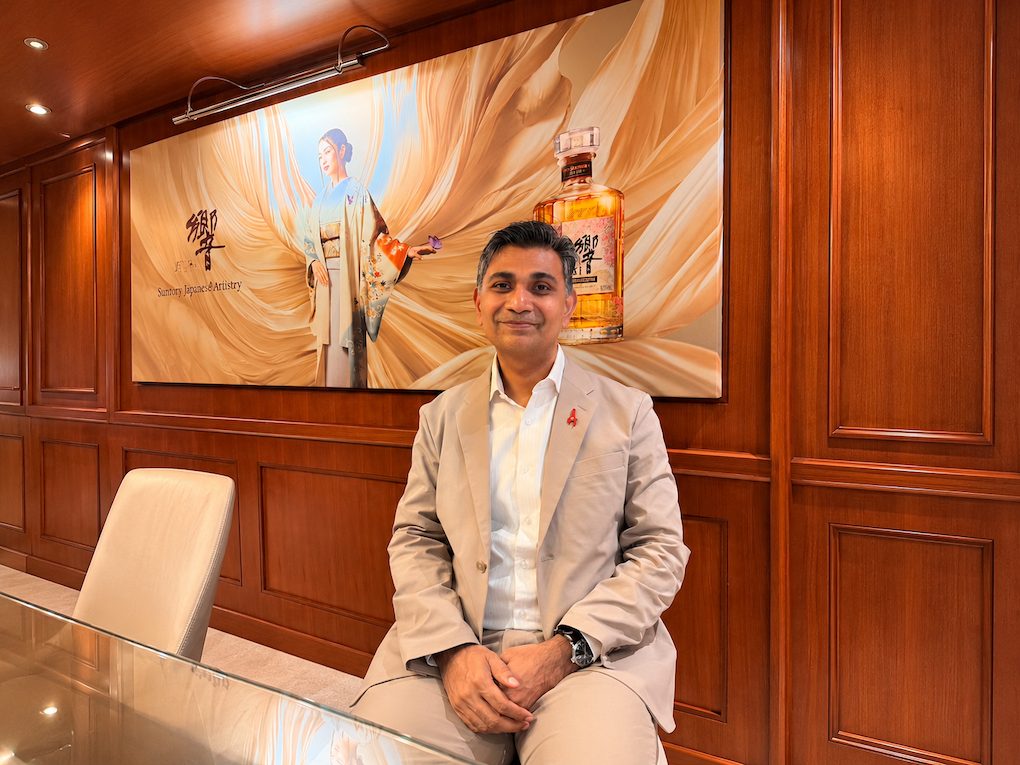
Introduction: Travel retail is Suntory Global Spirits’ “brand-building powerhouse”, with a remit that extends beyond sales.
As spirits shoppers become more selective about what they buy and why, Revenue Growth Director, Global Travel Retail Ashish Sagar discusses adapting the offer across price points. He illustrates how the company is recruiting consumers through storytelling-driven and locally relevant travel retail-exclusives (TREXs) and underlines its role in developing the Japanese spirits category in travel retail.
The Moodie Davitt Report: How is Suntory Global Spirits performing in travel retail, and what is driving growth?
Ashish Sagar: It has not been an easy year, but we have been doing well. Our travel retail business is still growing at a double-digit rate, with growth across almost every region. That is encouraging given the decline we are seeing in the category.
The House of Suntory has performed well both in whisky and gin. We are also seeing good results from our bourbon portfolio, particularly Maker’s Mark.
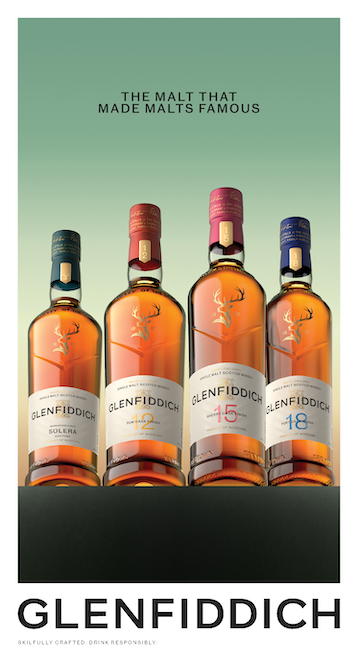
Scotch has been more challenging, as it has been for our peers. Some of the markets most affected are particularly important for Scotch.
What factors are affecting the Scotch decline, and how are you addressing this challenge?
One of the biggest factors is the situation in the Middle East. Indian shoppers account for a significant proportion of travellers through the region, and their purchases are heavily weighted towards whisky. The decline in passenger traffic has therefore affected the category, particularly Scotch.
We are also seeing challenges in consumer spending. Within Scotch, the standard and deluxe segments are growing much faster than malts.
There are still pockets of growth. We are seeing good results from Laphroaig, particularly following the launch of the TREX Laphroaig 12 Year Old and our work with Willem Dafoe.
Our response starts with understanding shoppers’ needs. For some, the priority is better value. With the cost of living presenting challenges, there is greater demand for affordability, which we are addressing through Teacher’s whisky and other ranges.
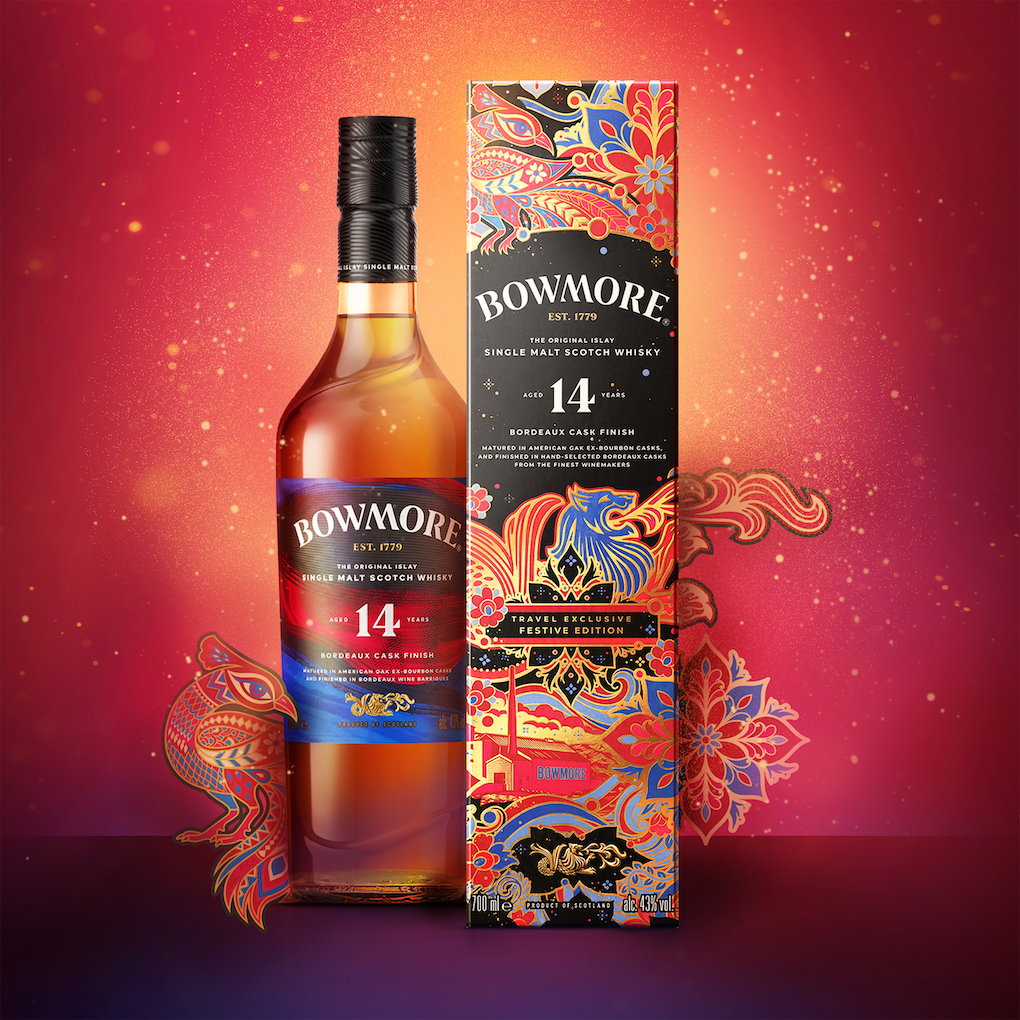
Other consumers are looking for exclusivity or collectability. We are also exploring how Bowmore can play a bigger role by communicating its heritage and distinctive flavour profile.
Alongside this, we need to engage shoppers throughout their journey, starting before they reach the airport. We are increasing our digital outreach to help them make purchasing decisions more quickly and easily.

How are TREX releases helping you address those different consumer needs?
This year, we launched Hibiki 12 Year Old as a TREX, 11 years after it was discontinued. Priced at US$188, the 12 Year Old addresses consumer demand for a more accessible age-statement from Hibiki. It comes in a striking printed bottle, adding value for gifting and collectors.
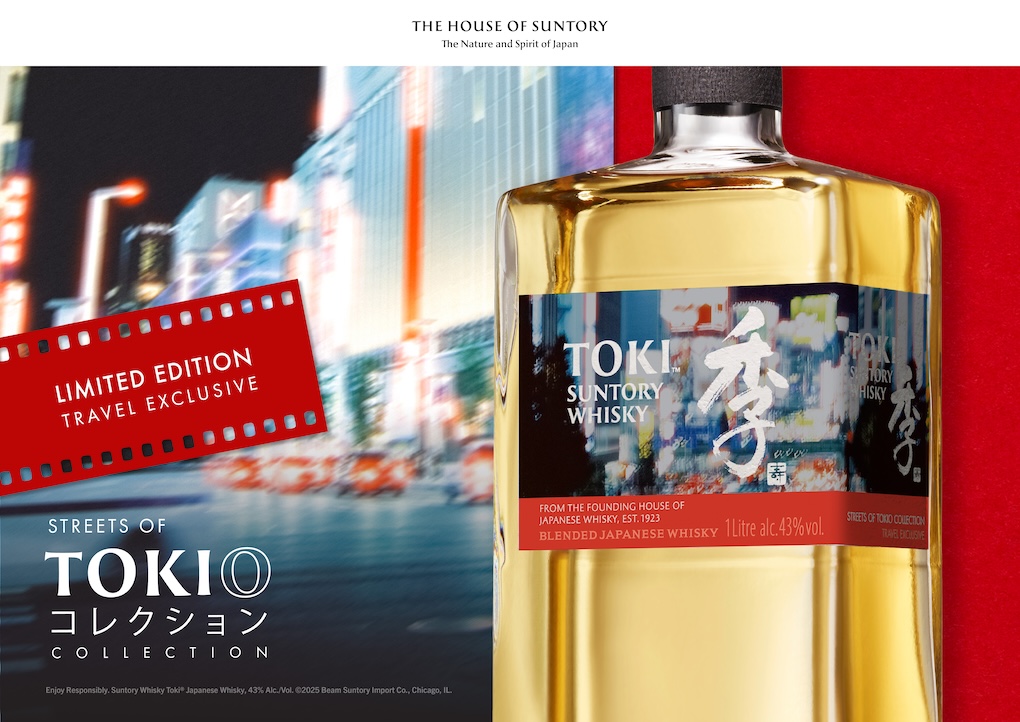
Japanese whisky has the potential to expand both at the upper end and at more accessible price points. Toki plays that entry-level role as the most accessible House of Suntory whisky. Consumer feedback has been positive, and our efforts to reach shoppers are paying dividends.
Premiumisation has dominated the whisky conversation for several years. Is demand now shifting towards accessibility?
Both trends are happening. The strongest growth is coming from more accessible whisky price points and from the prestige segment. The middle is being squeezed.
There is a general impression that consumers are trading down, but that is not entirely true. We can see that shoppers are becoming much more selective about what they buy and why. This is where House of Suntory and Japanese whisky have a role to play. They give people a reason to trade up and discover a product they haven’t tried before.
Our portfolio is broadening, from Toki for consumers beginning to explore whisky, through the Hibiki range, to Yamazaki 25 Year Old, Hakushu 25 Year Old and Hibiki 30 Year Old. We are seeing growth across the segments.
The key is communicating the craftsmanship and product quality while helping shoppers navigate the portfolio through education and activations.
How is the House of Suntory’s travel retail footprint evolving?
Our journey in travel retail has been about creating the best shopping environment for consumers.
We started with the House of Suntory shop-in-shop at Singapore Changi Airport, which is now one of our biggest locations. We also have a boutique in Hainan and launched a shop-in-shop in Hong Kong this year.
There is now a House of Suntory pop-up in Paris. We also have a location planned in India and will start something in Shanghai soon. Early next year, we expect to open our first House of Suntory location in Americas travel retail.
What role do these spaces and activations play in developing the Japanese whisky category in travel retail?
As a pioneer and leader in Japanese whisky, our role is to grow and establish the category in travel retail.
Shop-in-shops, boutiques and pop-ups give shoppers a platform to understand and interact with our brands, taste the liquids and make purchasing decisions.
With those foundations in place, we can introduce new liquids and innovations. That is why we brought the Hibiki 12 Year Old back now. Previously, we did not have the right platform to deliver that brand experience. Now we do, and we are seeing phenomenal success with it. We are working with partners to create dedicated Japanese whisky or Japanese spirits categories to make the offer easier to navigate.

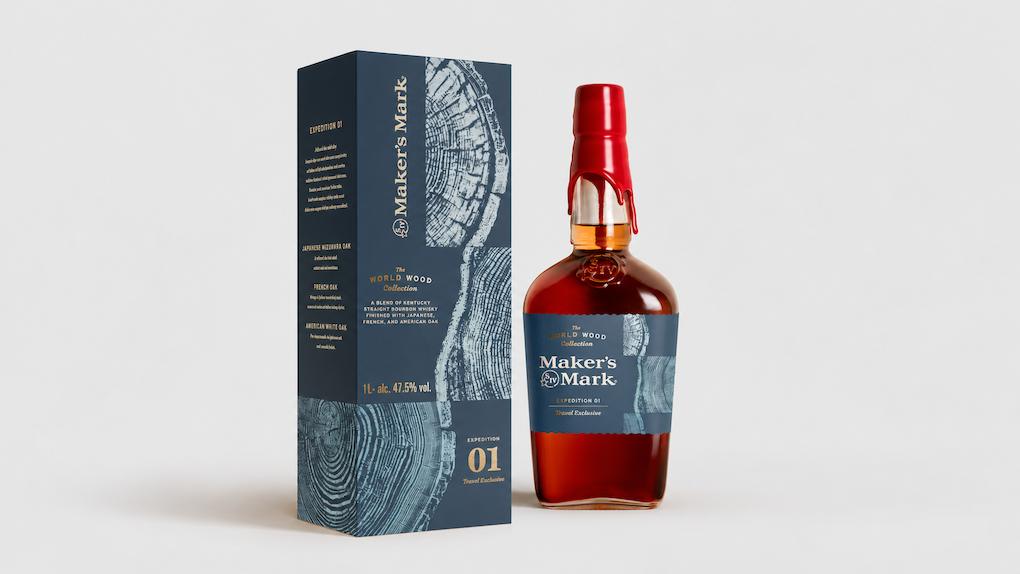
Turning to Maker’s Mark, what is the thinking behind the World Wood launch, the brand’s first whisky?
Maker’s Mark has a history of experimentation. The founding family wanted to create something unique and distinctive, so they burned the family recipe book and started from scratch.
The brand uses red winter wheat, which gives it a different flavour profile from a traditional bourbon. For the first 50 years of the brand, there was no expression other than Maker’s Mark Classic.
When creating the first whisky innovation for Maker’s Mark, there were clear guidelines: we could not change the mash bill, production process or maturation process. So, we experimented with wooden staves placed inside the barrel to influence the flavour.
World Wood is our first TREX range from Maker’s Mark, offering something beyond traditional Maker’s Mark and traditional bourbon.
It comes together in American oak, French oak and Mizunara oak casks. American oak provides vanilla notes and a velvety character, French oak adds cinnamon and baking spices, and Mizunara contributes a spicy character.
It will come to market at the end of this year and is one of our most exciting upcoming launches.

How will you bring that story to life for travellers?
Maker’s Mark is already well established in travel retail, but we increasingly need to look beyond the airport or shop floor when launching a product.
This will be a 360-degree campaign, using digital media to reach consumers alongside activations on the shop floor.
We will also use our retail partners’ customer relationship management programmes to communicate the story. The launch will span multiple stages of the shopper journey and different media channels.
What are your biggest travel retail priorities for the coming year?
Travel retail is Suntory Global Spirits’ brand-building powerhouse and that is the role it will play in years to come. We will continue delivering the best brand-building experiences for our brands and consumers.
Our second priority is developing the Japanese spirits category. Alongside traditional retail opportunities, we are looking at how we work with customers through digital platforms.
The third is working with our partners to deliver quality, sustainable growth in the year ahead. ✈