
DENMARK/INTERNATIONAL. Menzies Aviation is accelerating the global evolution of its Pearl Lounge network, using a major new flagship at Copenhagen Airport to redefine how independent premium lounges compete in an increasingly experience-driven market.
In this exclusive on-location interview with our Senior Business Editor Mark Lane, Senior Vice President, Pearl Transformation Jo Harrison discusses the company’s expansion priorities, localisation strategy, sustainability challenges and why operational scale, flexibility and partnership models are becoming central to the next phase of premium airport hospitality.
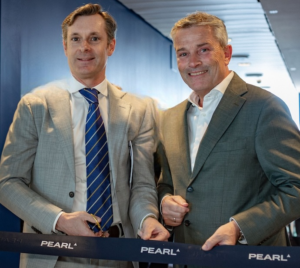
When Menzies Aviation opened the redesigned Pearl Lounge at Copenhagen Airport on 1 May, the project represented far more than the refurbishment of a single premium facility.
The 800sq m lounge – now the largest in the company’s global Pearl network – is intended as a blueprint for the next phase of Menzies Aviation’s premium hospitality ambitions.
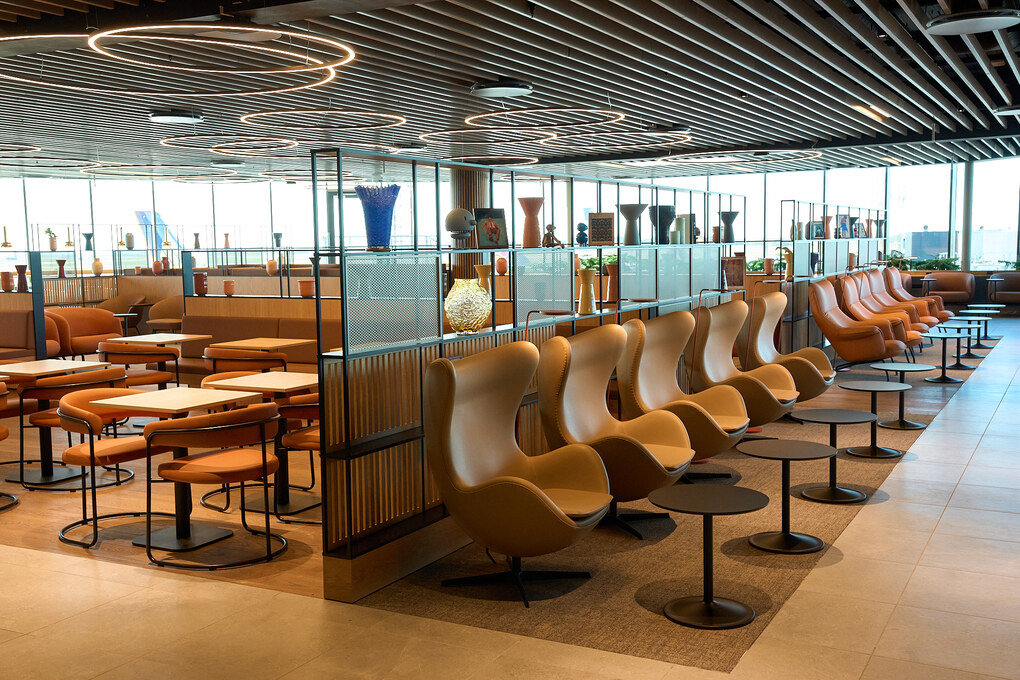
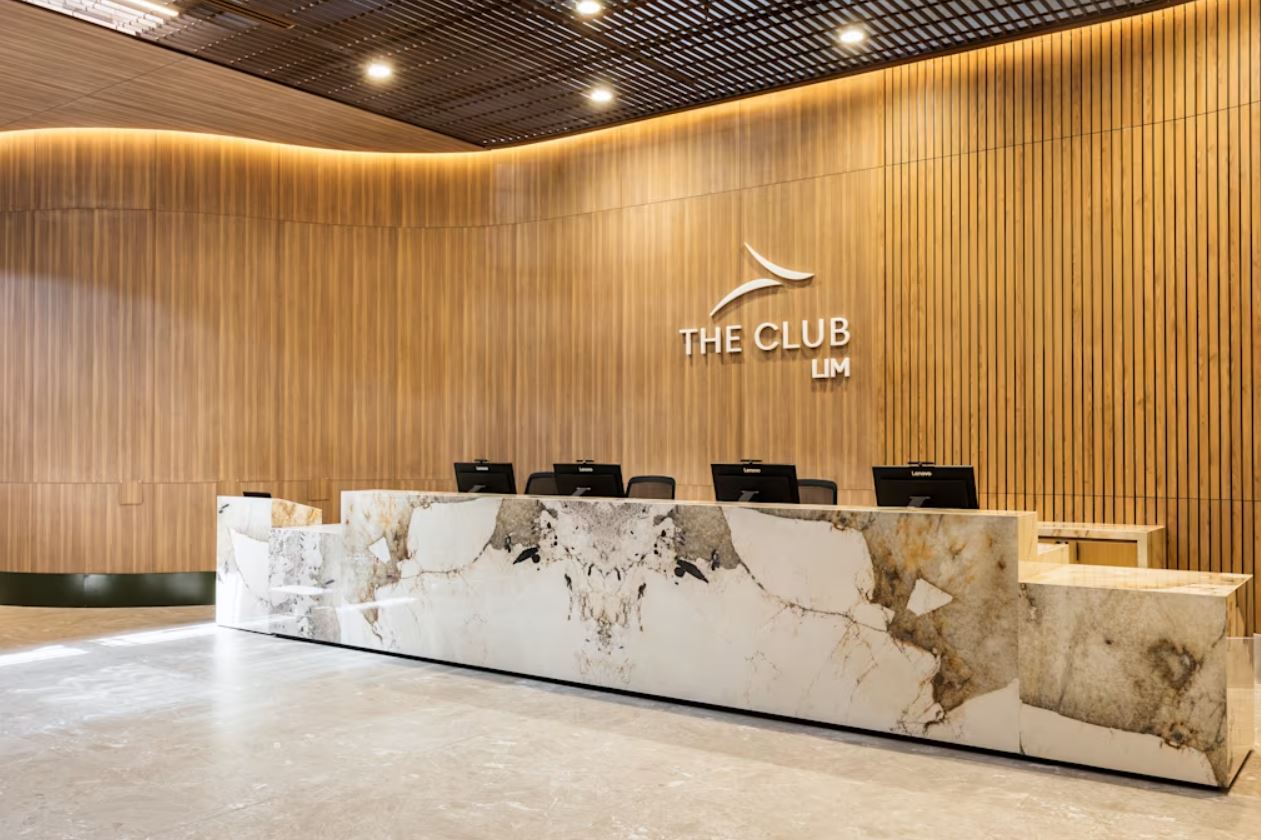
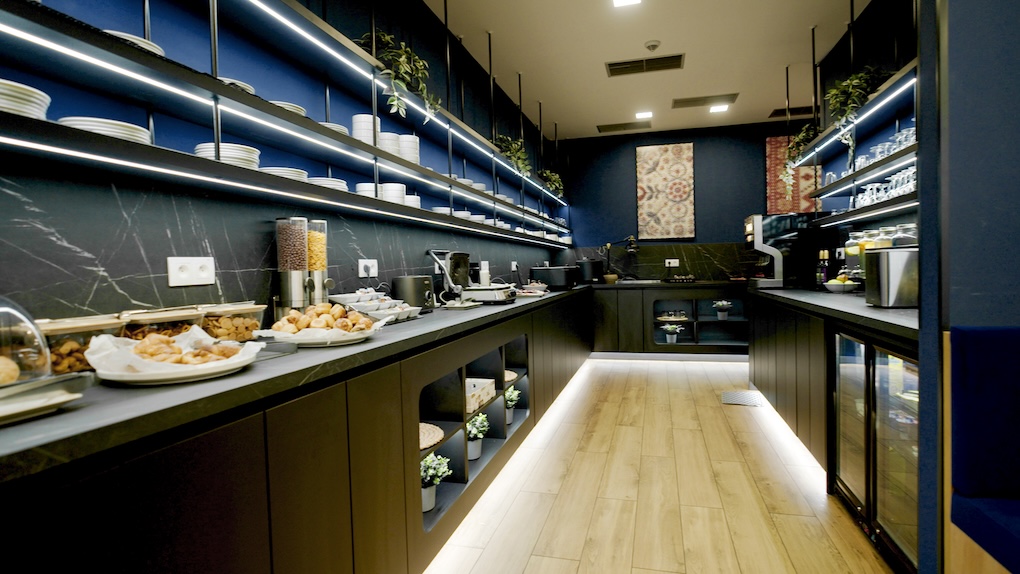
Following a three-month refurbishment backed by a €2.7 million (US$3.13 million) investment, the facility combines Nordic-inspired design, expanded food & beverage, segmented guest zones and upgraded operational technology, forming a showcase for what the company describes as a global transformation project.
For Menzies Aviation Senior Vice President, Pearl Transformation Jo Harrison, the Copenhagen opening signals a broader shift in how independent lounges are positioning themselves within the airport ecosystem.
Speaking during the preview event on 30 April at Copenhagen Airport to The Moodie Davitt Report, the exclusive media in attendance, Harrison outlines how the company is balancing global consistency with local relevance, the markets that have become a strategic growth priority and how the role of airport lounges continues to evolve post-pandemic.
“We want guests to immediately recognise the quality and service standards of a Pearl Lounge wherever they are in the world,” Harrison notes. “But at the same time, lounges should never feel identical from one market to another.”
That tension between standardisation and localisation sits at the centre of the Pearl Lounge strategy. Across its network of 52 lounges in 18 countries, Menzies Aviation is building a globally recognisable premium hospitality brand while deliberately avoiding a templated approach.
According to Harrison, several core elements remain consistent across every location: service philosophy, operational standards, sustainability principles and the overall guest experience. Around those fundamentals, however, the company is allowing significant flexibility.
“Airports are gateways to the world, and each one has its own culture, passenger profile and operational dynamics,” she explains. “We adapt design, materials, food & beverage and elements of the operational model to reflect the local environment and the needs of that specific airport.”
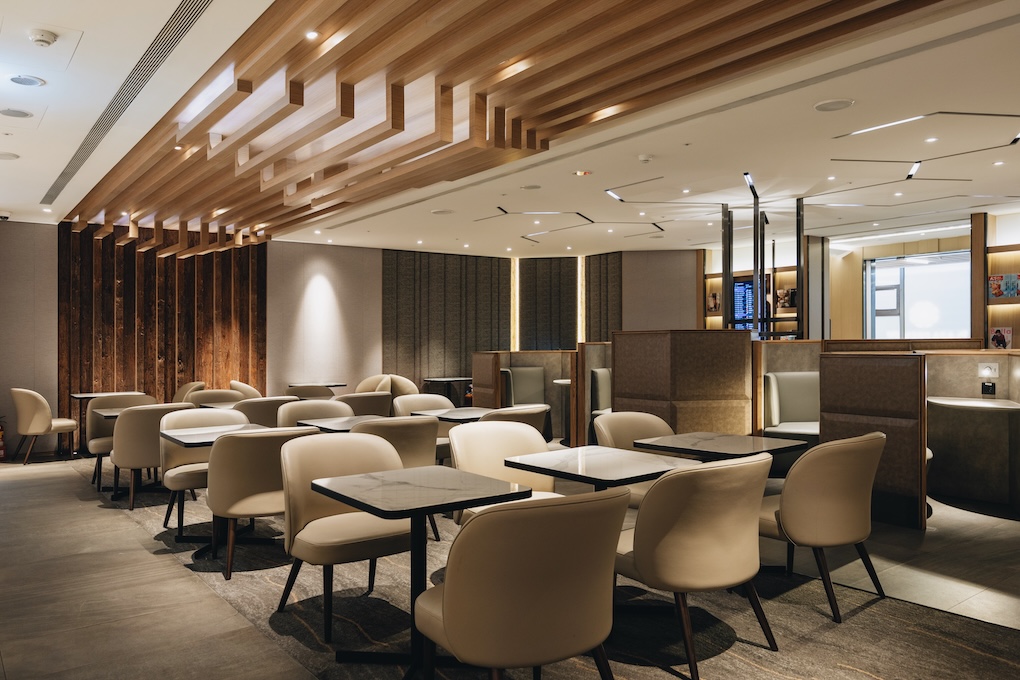
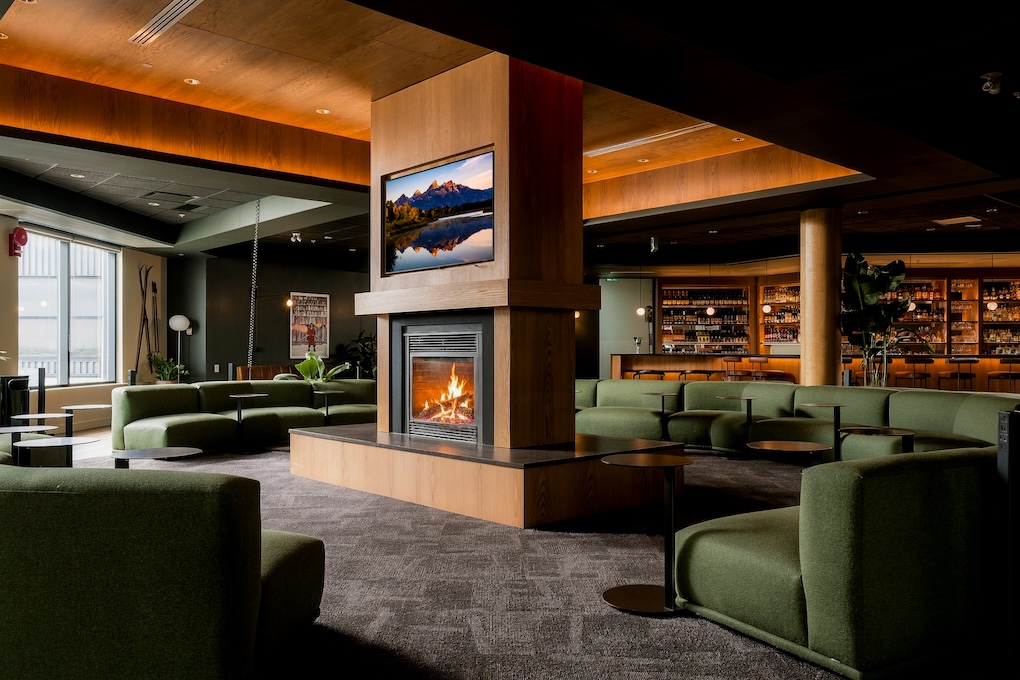
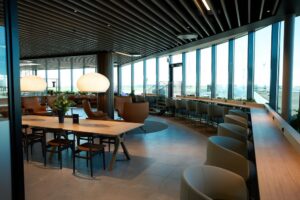
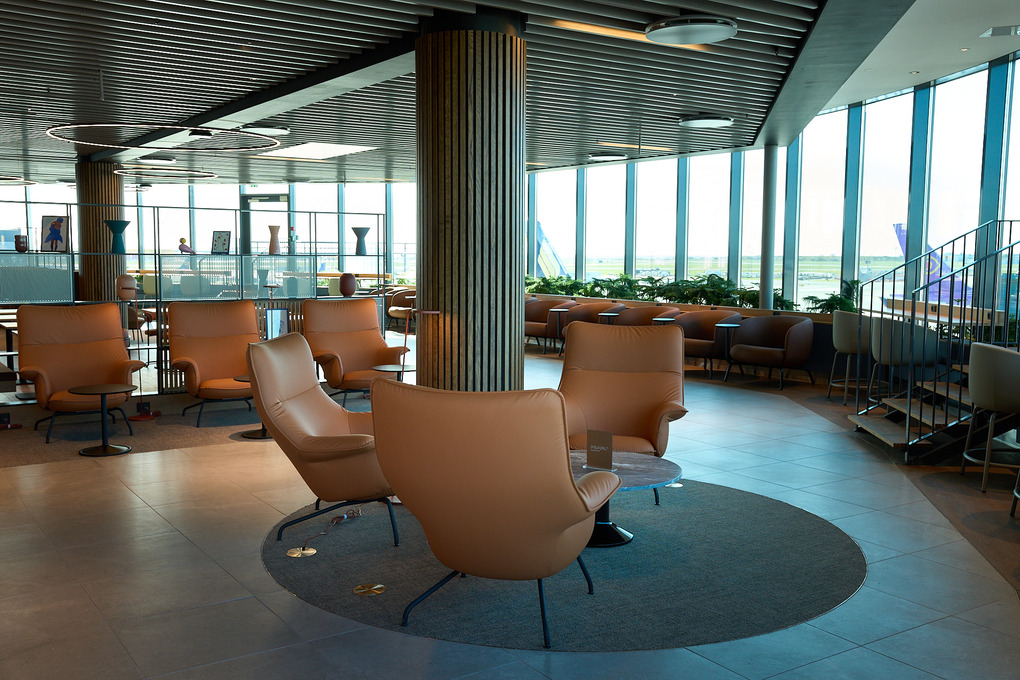
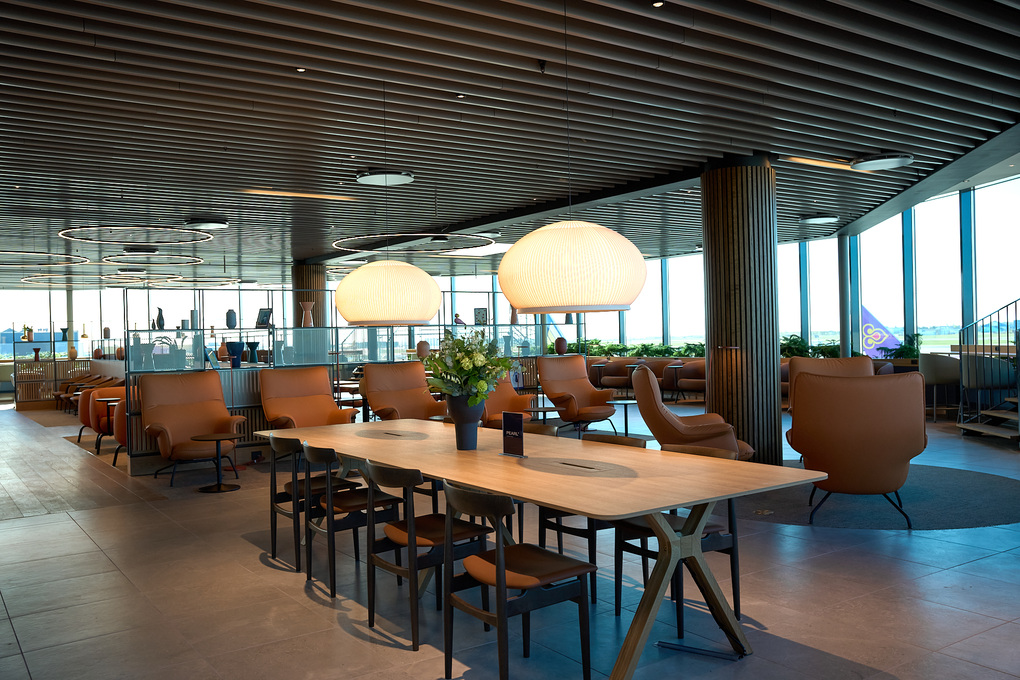
That philosophy is visible throughout the new Copenhagen lounge. The design language leans heavily into Scandinavian minimalism, using light woods, muted tones and open sightlines to create a distinctly Nordic atmosphere.
Large airfield-facing windows maximise natural light while zoned seating areas separate dining, relaxation and work functions.
The emphasis on zoning reflects a broader rethink of how Menzies Aviation lounges are being used. Harrison says the industry is moving away from the traditional ‘one-size-fits-all’ lounge environment towards more bespoke experiences designed around different passenger needs and behaviours.
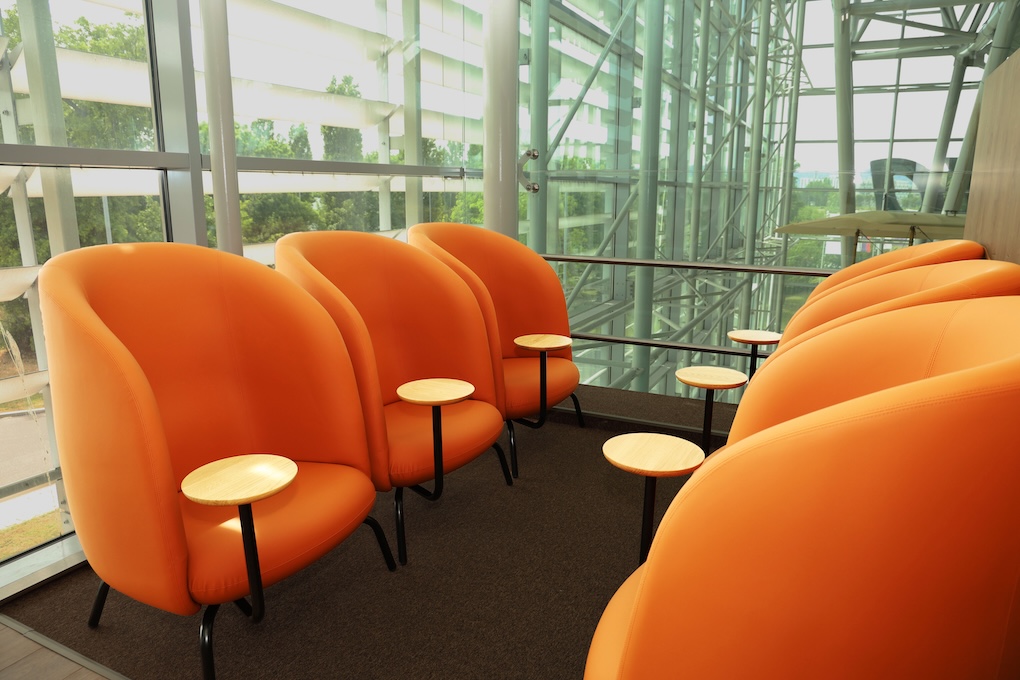
“We’re exploring how different zones within a single lounge can offer more tailored experiences for distinct passenger segments,” she notes. “That reflects a broader shift towards a more nuanced, experience-led approach.”
The Copenhagen project also forms part of a wider multi-year refurbishment and rebranding programme across the Pearl Lounge portfolio.
Harrison identifies the Middle East as a major focus over the next two to three years, citing both strong long-term aviation growth and increasingly sophisticated passenger expectations.
At the same time, Menzies Aviation is turning significant attention towards the Americas following its acquisition of G2 Secure Staff, a move that materially much expands the company’s operational footprint across North and South America.
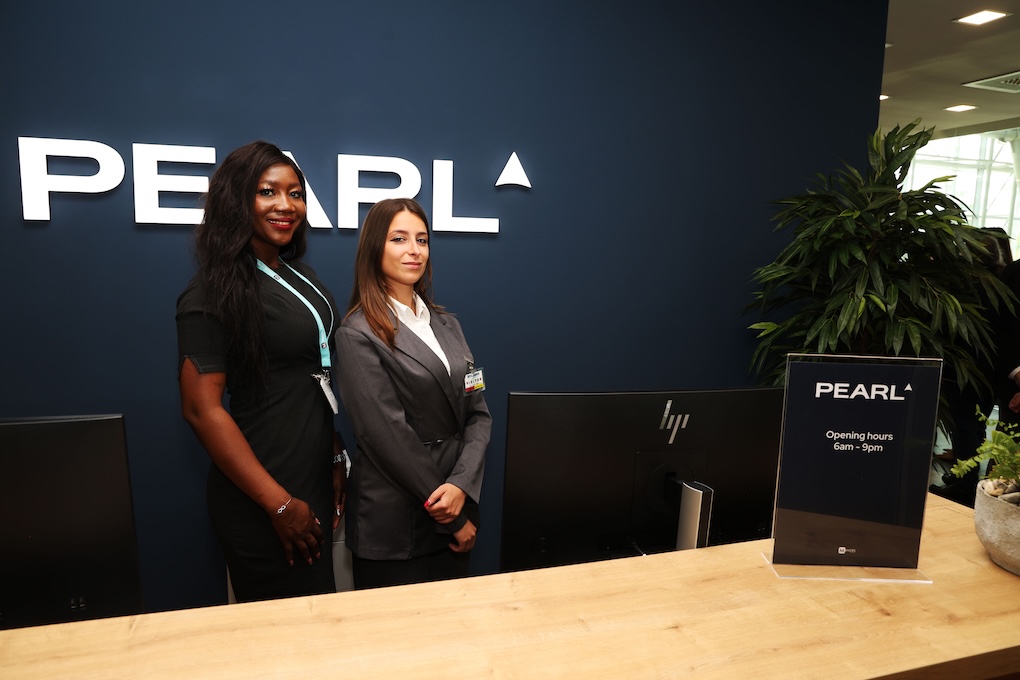
“The Americas has become an important strategic focus,” Harrison says. “The acquisition creates new opportunities to expand our lounge presence across both North and South America, particularly in major airport and hub environments.”
Partnerships will be central to that expansion strategy. Harrison points repeatedly to collaboration with airports, investors and commercial partners as critical to scaling the Pearl Lounge network while maintaining premium positioning.
That collaborative approach may also prove increasingly important as competition intensifies within the lounge sector.
Airlines are currently investing heavily in proprietary premium lounges, particularly at hub airports where loyalty programmes and premium traffic can justify significant capital expenditure. Yet Harrison believes the independent lounge sector remains strongly positioned because of its ability to serve a wider passenger demographic.

“Airline lounges are typically built around loyalty ecosystems, meaning access is often limited to premium passengers or those with specific status or co-branded cards,” she says. “A large proportion of travellers remain underserved.
“As an independent, multi-user model, we provide airports, airlines and partners with the ability to offer a high-quality premium experience to a much broader passenger base,” Harrison explains.
She believes the sector is increasingly moving towards partnership-led models where operational expertise and scalability matter as much as brand ownership.
“We’re operating at the intersection of quality, flexibility and partnership,” she says.
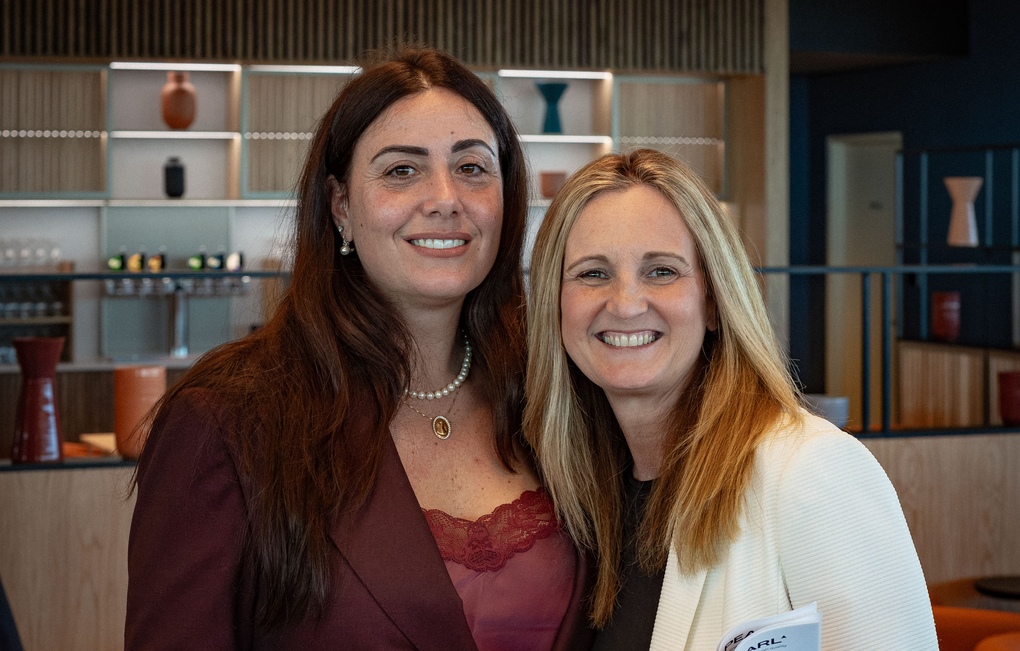
Technology is another area where the company sees both opportunity and caution. Across the premium lounge industry, operators are investing heavily in digital access control, pre-booking systems, dynamic pricing and personalised guest interfaces designed to streamline operations and maximise revenue.
Menzies Aviation is pursuing many of the same tools, but Harrison is careful to position technology as an enabler rather than the centrepiece of the experience.
“Technology is shaping the next generation of Pearl Lounges by making the guest journey more seamless while enabling our teams to focus on service,” she says.
“The ambition is to make interactions as effortless as possible, with simple, responsive solutions that enhance the overall journey without adding complexity.
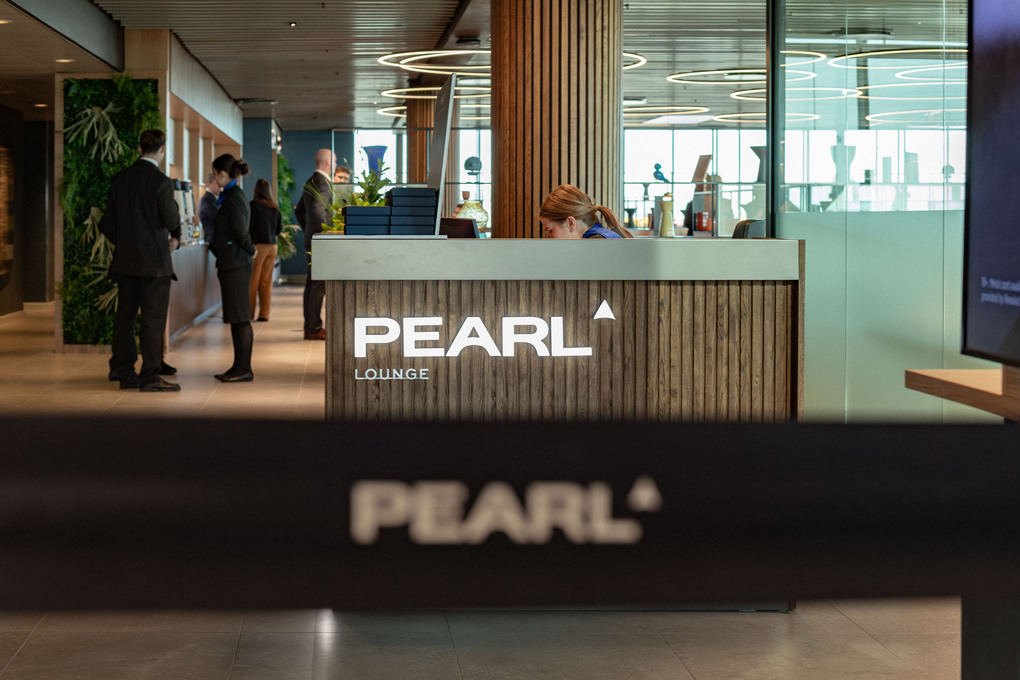
“A lounge remains a hospitality product, and the human element is essential,” she stresses. “Our approach is to use technology to remove friction and improve operational quality, while ensuring the environment remains warm, welcoming and service-driven.”
That balance between operational efficiency and guest experience also shapes Menzies Aviation’s sustainability agenda. The company’s ‘All In’ environmental strategy is heavily referenced throughout the Copenhagen project, particularly through local sourcing, waste reduction and more sustainable food & beverage operations.
Yet Harrison acknowledges that creating genuinely low-waste lounge environments remains operationally difficult.
“One of the biggest challenges is demand unpredictability,” she says. “Lounges operate in a highly volatile environment, with flight delays, cancellations and peak fluctuations making it difficult to accurately forecast food, beverage and consumable requirements.”
For lounge operators, there’s the age-old problem that overproduction directly creates waste, while underproduction risks undermining the premium experience. Harrison describes achieving the right balance as a constant operational challenge requiring “continuous monitoring and discipline”.
Infrastructure limitations across airports add further complexity. Not every airport has robust recycling, composting or waste separation systems, meaning sustainability efforts within lounges do not always align with downstream waste management capabilities.
“This makes close collaboration with airport partners essential,” Harrison contends.
Passenger behaviour presents another challenge. Self-service buffet formats can encourage over-selection, particularly among time-pressured travellers. Menzies Aviation is attempting to mitigate that through smarter layout design, portioning strategies and subtle behavioural prompts, although Harrison concedes it is difficult to eliminate entirely.
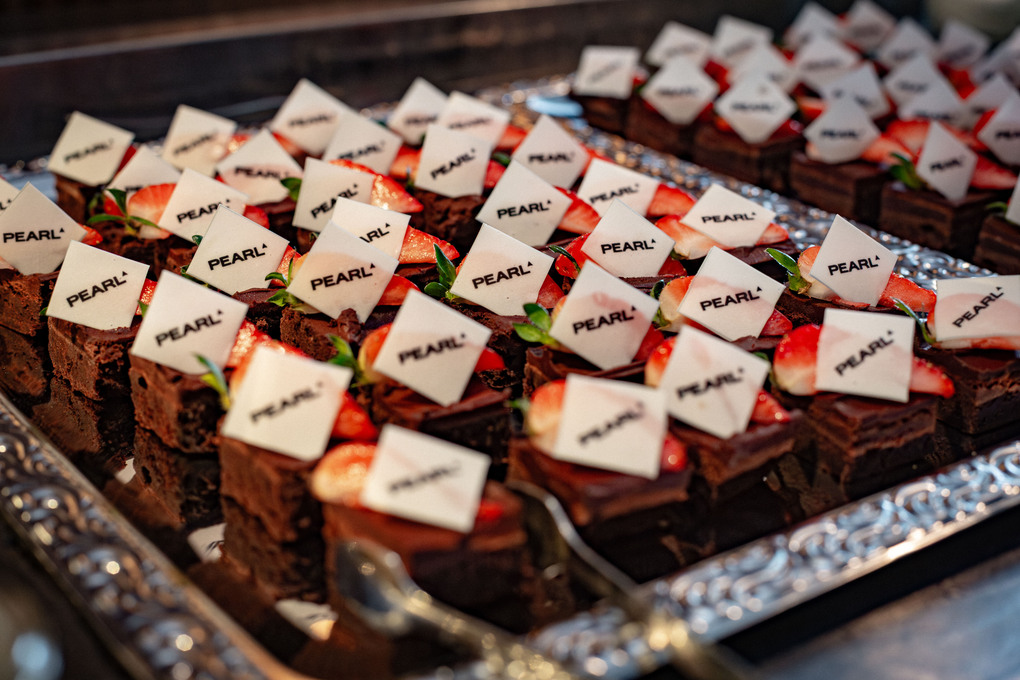
Local sourcing, while environmentally beneficial, also introduces additional complexity compared with centralised procurement models. However, Harrison believes the trade-off remains worthwhile because it reduces transport impacts while enhancing product freshness and reinforcing local identity.
“Ultimately, the challenge isn’t defining the sustainability vision,” she says. “It’s aligning unpredictable demand, infrastructure limitations, operational constraints and human behaviour.”
Underlying many of these strategic decisions is a broader shift in passenger expectations following the pandemic.
According to Harrison, the lounge audience today is both broader and more demanding than it was six or seven years ago. Premium lounge access is increasingly viewed as an attainable travel enhancement rather than an exclusive airline loyalty benefit.
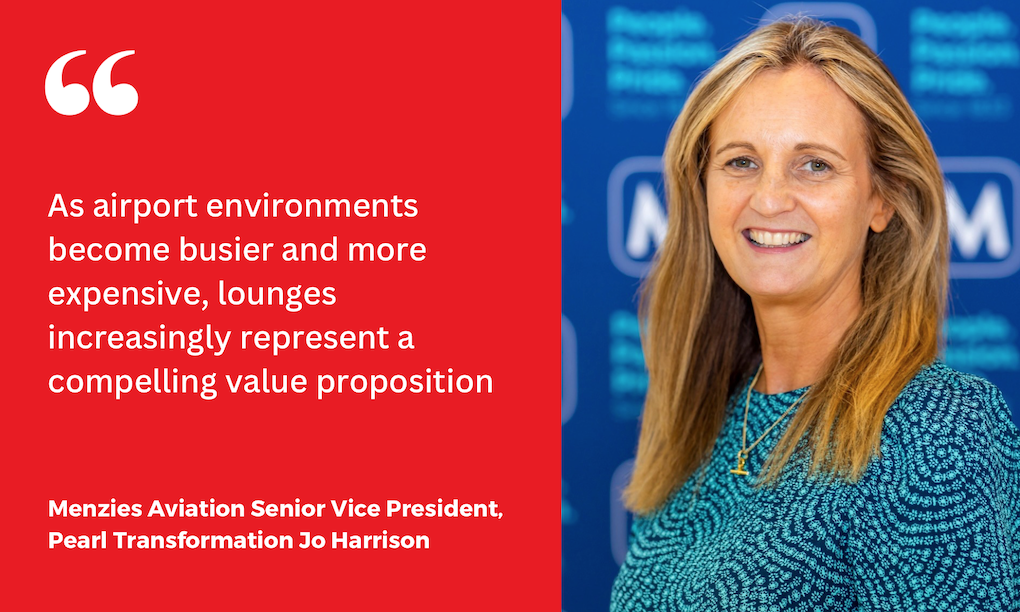
“As airport environments become busier and more expensive, lounges increasingly represent a compelling value proposition,” she says.
Passengers are also becoming more selective in what they expect from premium environments.
“It’s no longer just about visual appeal,” Harrison argues. “Guests are looking for consistency, authenticity and quality across the entire journey.”
The pandemic accelerated demand for personal space, privacy and comfort, trends that have directly influenced the Copenhagen lounge design. More individual seating, flexible layouts, enhanced charging access and quieter zones all reflect changing traveller expectations.
“We’re seeing a more diverse and discerning customer base,” Harrison says. “That’s driving us to think more carefully about how we balance accessibility, experience and value.”
At Copenhagen Airport, that philosophy is now being tested in real time. For Menzies Aviation, however, the significance of the project extends well beyond the Nordics’ busiest travel hub.
The lounge serves as both showcase and statement: an indication of how the company intends to position Pearl within an increasingly competitive and experience-driven premium travel market. ✈
Menzies Aviation’s Copenhagen lounge perspectiveIn this interview, Menzies Aviation Vice President, Lounges Europe & Global Lounge BID Support Giovanna Perucatti explains how the newly redesigned Pearl Lounge at Copenhagen Airport is serving as both flagship and testing ground for the future development of the company’s global lounge network. She discusses changing passenger expectations, the operational challenges of balancing premium experience with rising demand, and how localisation, flexibility and smarter space design are shaping the next generation of airport lounges.
According to Menzies Aviation Vice President, Lounges Europe & Global Lounge BID Support Giovanna Perucatti, the revitalised Pearl Lounge at Copenhagen Airport is designed as both flagship and laboratory for the future evolution of the Pearl network. Now with a capacity for more than 180 guests, the refurbishment was driven by mounting demand pressures at Copenhagen Airport and changing passenger requirements around premium airport hospitality. 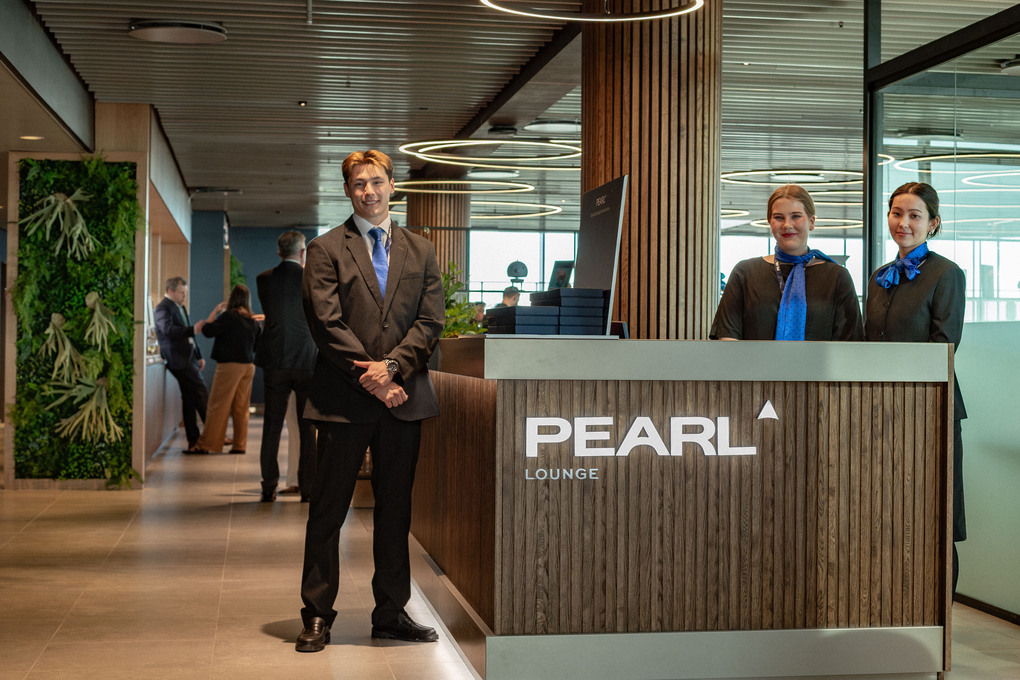 “The scale of the Copenhagen lounge reflects both demand and changing passenger expectations,” Perucatti says. “We’d seen strong organic growth in our customer base, combined with regular peak periods where the lounge was reaching capacity and, at times, guests had to be turned away.” The redesign focuses heavily on improving space efficiency while maintaining a premium feel. Seating layouts have been reconfigured to improve passenger flow during busy periods, with more individual options integrated into high-traffic areas. Charging points are embedded throughout the lounge to support increasingly digital and work-focused passenger behaviour. Food & beverage has also been segmented more carefully around differing traveller needs, Perucatti explains. “We’ve significantly expanded the food & beverage offering to cater to different passenger flows – from time-pressed business travellers to leisure guests seeking a more relaxed, experience-led environment.”
Localisation is central to the Copenhagen concept, from Nordic-inspired interiors to regionally sourced food & beverage partnerships. However, Perucatti argues that localisation only works if passengers genuinely connect with it beyond aesthetics. “For us, localisation has to be felt, not just seen,” she says. “We measure that through real passenger feedback, particularly via partner scorecards and direct input on our food offering.” The company continuously adjusts selections throughout the day according to route profiles and passenger demographics, using feedback loops to refine the offer over time. Perucatti describes the approach as being closer to a boutique hotel model than a conventional airport lounge.
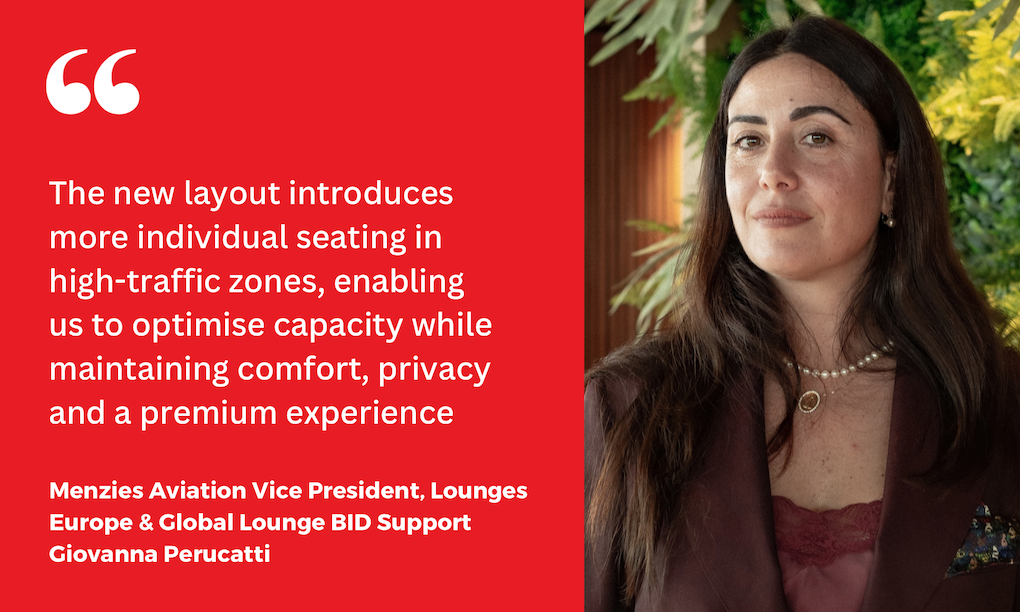
“We use local materials, suppliers and culinary partnerships to tell a story of the location,” she says. “While working with local suppliers isn’t always the most cost-efficient approach, it supports our sustainability priorities and allows us to offer fresher, more seasonal products.” Although the lounge has only been open for a short period following the three-month closure, Menzies Aviation expects the redesign to improve guest satisfaction, dwell time and commercial performance. “Previously, certain seating configurations led to inefficiencies at peak times, with areas underutilised despite high demand,” Perucatti says. “The new layout introduces more individual seating in high-traffic zones, enabling us to optimise capacity while maintaining comfort, privacy and a premium experience.” Managing peak-time traffic remains one of the biggest operational challenges for premium lounges globally, particularly as access models diversify through programmes such as Priority Pass and premium credit card partnerships.
At Copenhagen, however, Perucatti says airline contracts still account for the majority of lounge demand, providing greater predictability than some heavily third-party-driven markets. “Combined with our real-time lounge management system, this allows us to closely monitor occupancy and passenger flow, ensuring we can balance access with a consistently high-quality guest experience,” she notes. “With the continued growth of credit card programmes and global partnerships, walk-in access now represents a relatively small share of traffic – around 4% on average,” Perucatti adds. “Our priority is always to protect the core guest experience and maintain the right level of exclusivity.” Operationally, Copenhagen now serves multiple functions within the wider Pearl Lounge network. It is both the flagship European location and a live testing ground for future concepts around passenger flow, sustainability, digital integration and seating strategy. 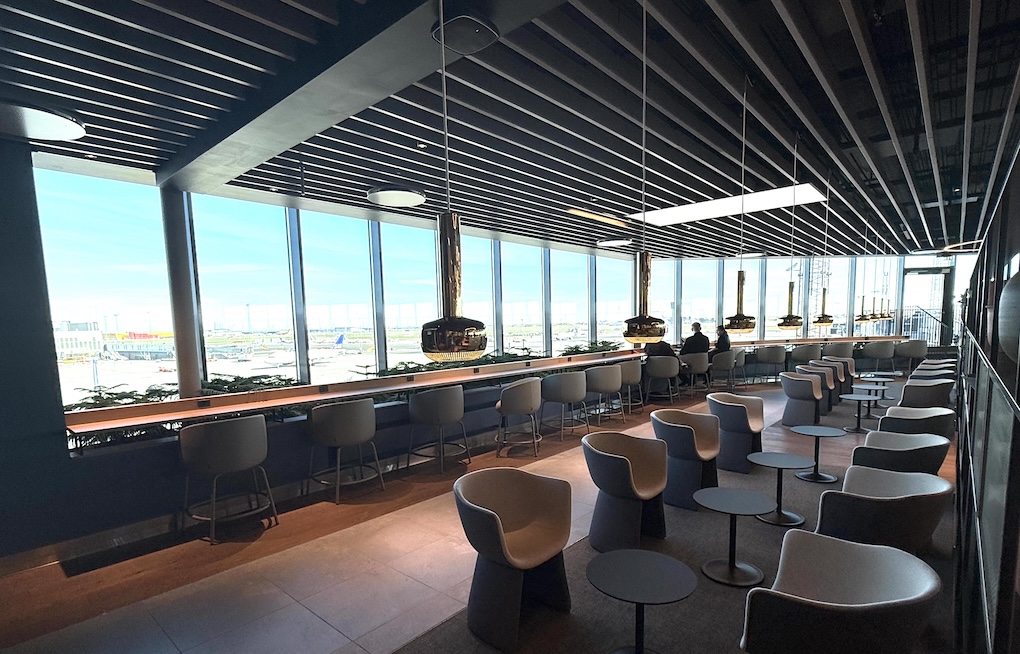 “It represents the future direction of the Pearl Lounge brand and serves as a showcase for our approach to design, localisation and guest experience,” Perucatti says. “At the same time, it functions as a testbed, allowing us to trial new concepts with lessons that can be rolled out across the wider network.” “The focus was never simply to create a high-capacity lounge,” Perucatti concludes, “but to develop a scalable premium experience that can set the benchmark for future Pearl Lounge developments.” ✈ |

 The Moodie Davitt Report is delighted to announce Airport Hospitality World, the latest edition to its wide-ranging, market-leading travel retail and airport non-aeronautical revenues publishing and event portfolio. Airport Hospitality World covers all forms of airport lounges across international and domestic terminals, including various definitions as follows:
Plus other hospitality-related platforms:
Excitingly, the long-established Airport Food & Beverage (FAB) + Hospitality Conference & Awards will embrace Airport Hospitality World from the 2026 edition – the event’s 15th anniversary. The event will take on an extended form, featuring an exhibition and the ultimate one-stop airport hospitality and food & beverage conference and awards platform. |