 |
INTERNATIONAL. The way ancillary travel products and airline tickets are sold, marketed and purchased will fundamentally change in 2016, according to a new report.
The main driver of this will be the adoption of an airline standard called New Distribution Capability (NDC), according to the report from OpenJaw Technologies called “˜Travel Retailing Takes Off: NDC’s Impact and Other Travel Retailing Trends for 2016′.
The report says NDC is an XML-based data transmission standard that “significantly improves communications capabilities among the different participants in the travel ecosystem”. It provides airlines, travel agents and distribution partners with access to the same information about available inventory, fares, routes, seat awards and upgrades. This will allow each to sell, upsell and package an array of travel-related products and services.
“With NDC, travel purchases will evolve away from a series of one-off transactions with separate vendors into seamless, bundled and personalised travel packages – creating new sources of revenue for airlines and agents and a more transparent shopping process for travellers,” the report says.
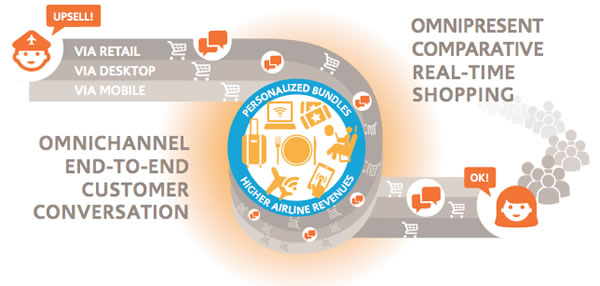 |
One benefit of the adoption of NDC will be the ability to personalise offers and opportunities to customers. However, this activity is time consuming, so data-driven strategies such as predictive analytics and machine learning will also come to the fore in 2016, according to the report.
“Travel-based predictive analytics uses real-time behavioural data from digital interactions, such as online searches and selections, to help understand customer intent and predict which products will best meet a customer’s need,” the report notes.
Although passengers are initially unlikely to be aware of the impact and implications of the NDC initiative as it rolls out in 2016, OpenJaw says the changes are nevertheless intended to be “profound”. “The airline industry and all related travel partners can take advantage of data, information, emerging technologies and business-building opportunities that materialise across the travel spectrum.”
The report concludes: “The anticipated changes will bring the travel industry into the mobile-empowered, data-enriched, omnichannel marketplace of 2016 – creating new opportunities for growth within the industry, and crafting even more pleasurable experiences for the passengers who get on board.”