

CHINA. At around 7% of Lagardère Travel Retail revenue (FY 2024 figures), Greater China represents a key regional platform – and a firm strategic growth target – for the global travel to dining powerhouse. But before China can extend its share of the retailer’s business, current sluggish trading, influenced heavily by weak consumer confidence, must be managed.
In its full-year results presentation in February, Lagardère Group highlighted solid recovery in Asia Pacific but slow growth in China.
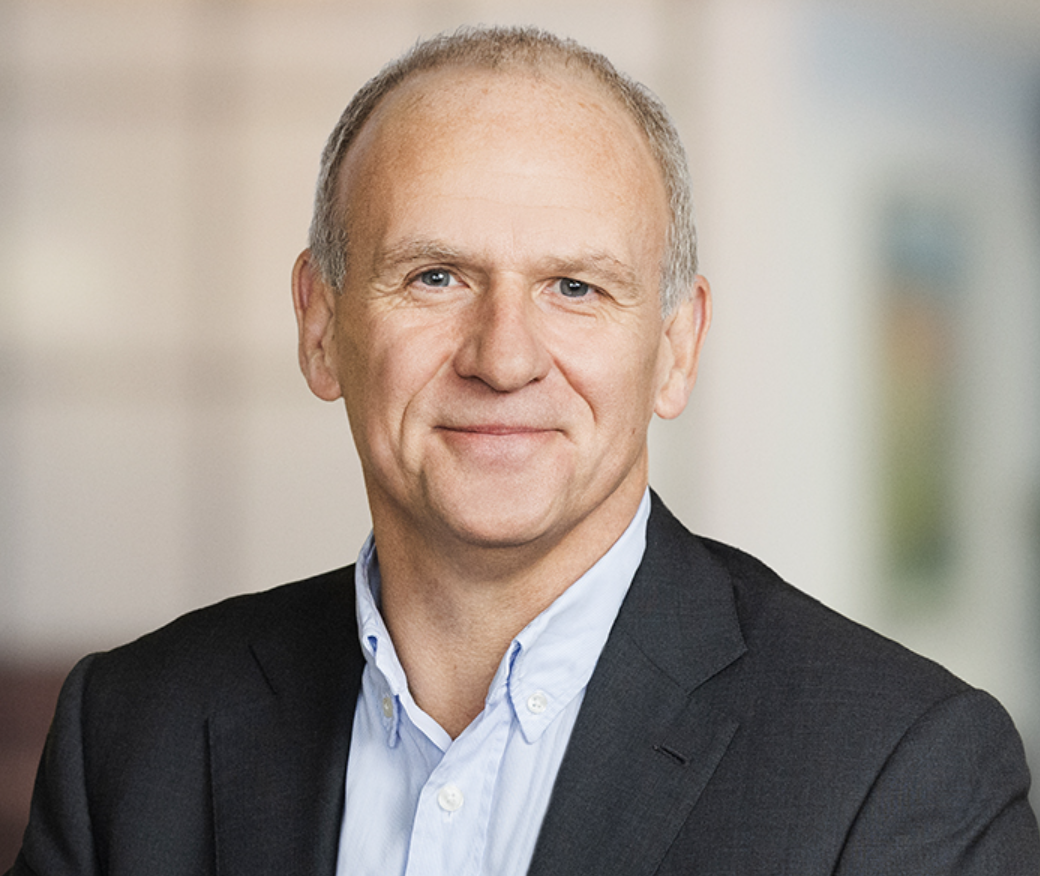
Speaking to The Moodie Davitt Report, Lagardère Travel Retail CEO North Asia Keith Tam says that trading conditions remain difficult.
“Passenger numbers are expected to maintain steady growth across our network of 22 airports in China,” he notes. “However, the pessimistic economic outlook in China is contributing to a noticeable decline in the appetite for consumption, impacting various brands and categories.”

He adds: “The post-COVID sales surge sustained the business throughout the summer, but the momentum began to significantly decline starting in August and has continued through to the pre-Chinese New Year period. While we remain optimistic about China in the long term, the next two years are anticipated to be challenging.”
On the Lagardère Travel Retail footprint, which has expanded much in the past decade, Tam says that no significant changes are expected in 2024.
He adds: “We experienced losses in some locations where airports opted to allocate prime spaces for brand-direct operations. While this appears to be a trend in the top five airports, it may not be sustainable for others. I believe that economic conditions and brands’ own network rationalisation efforts will limit the longevity of this trend.”
That in turn may present further opportunities for specialist travel retailers such as Paris-based Lagardère, which has made strong in-roads into the duty paid air and rail channels in China in recent years.

The company, says Tam, is also looking past current market weakness to the expected upturn down the line.
“We have made significant investments in people and into rebuilding the core of our retail foundation. The impact of these efforts will be felt gradually but consistently across our platforms and by our brand partners.”
And there is reason to be upbeat about both duty paid and food & beverage as growth channels for the future, he notes.
“Duty paid retail is the primary segment in China’s travel retail market. Over the next two years, we plan to continue investing in platforms when the conditions are favourable and our brand partners express interest. This strategy applies across all categories. Despite the current slump, our optimism about China in the long term remains steadfast, and it doesn’t alter our view or appetite for growth in this part of the world.”


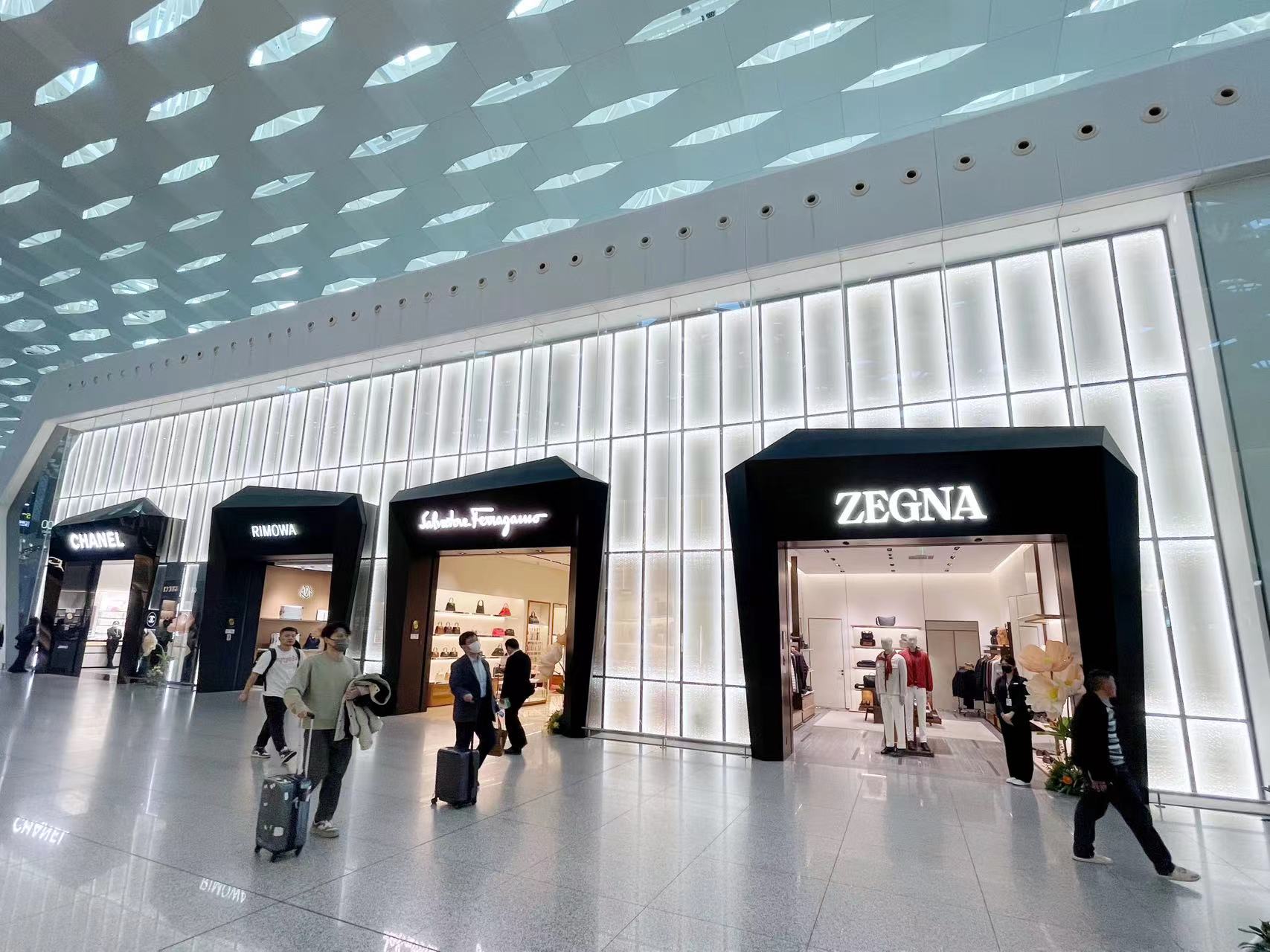
Certain brands continue to gain traction, says Tam, highlighting lifestyle labels such as lululemon, Arcteryx (pictured above) and others.
“In the coming years, brands that successfully evoke positive emotions in customers through their purchases will thrive. This involves offering products that align with a healthy, active lifestyle, purchases that represent the classics with quality fabrics and easy styles.”
Shop formats where the retailer leads on digital are also part of the playbook. An example is the launch last year of the ‘travelwell’ store concept at Hong Kong International Airport. The 80sq m store was designed to offer passengers a seamless shopping experience through contactless grab-and-go purchases of products including packaged food, souvenirs, drinks and travel essentials.
Tam says: “This is undeniably the future, where a 24-hour operation is essential. Currently, customers are curious enough about the process that they don’t mind buying a few items to experience the buying process. Overall, we are committed to continuing to invest in new, innovative concepts to improve the customer experience.”

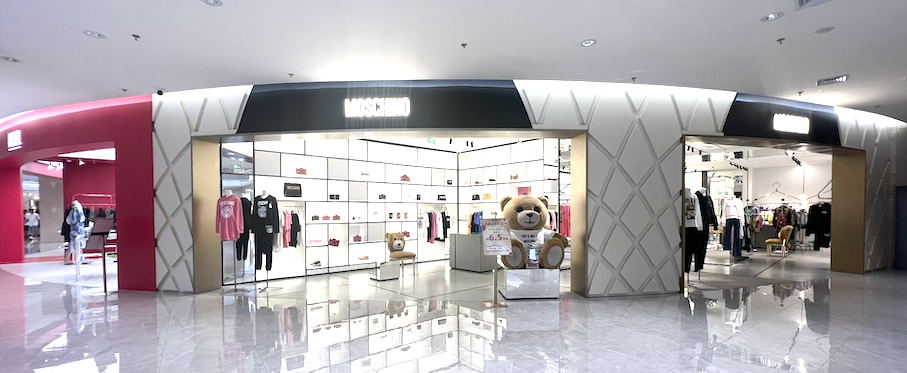
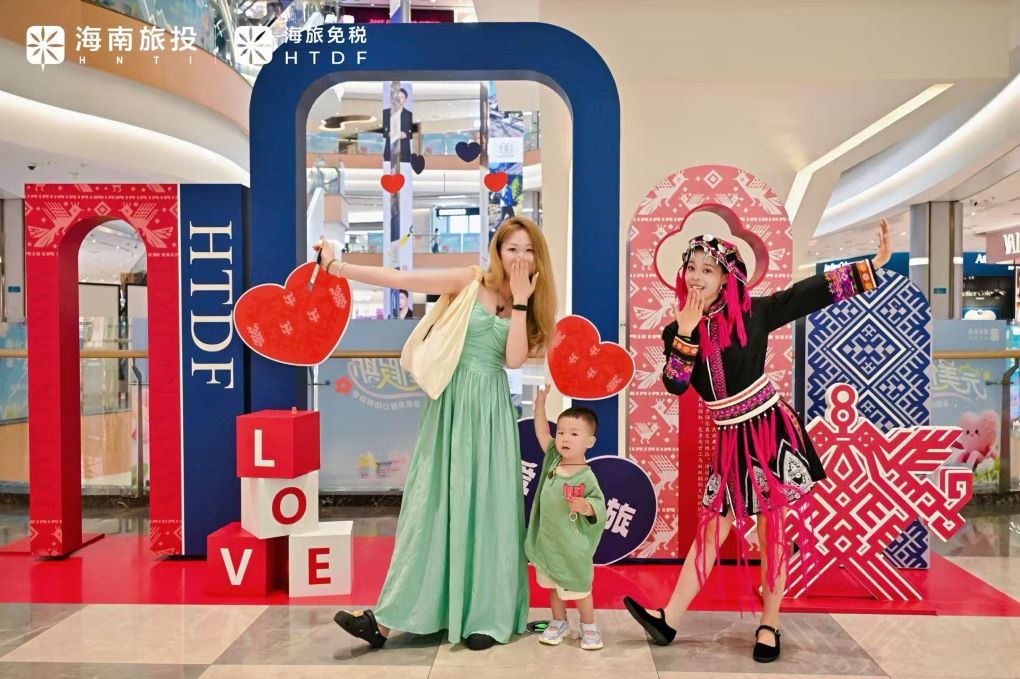
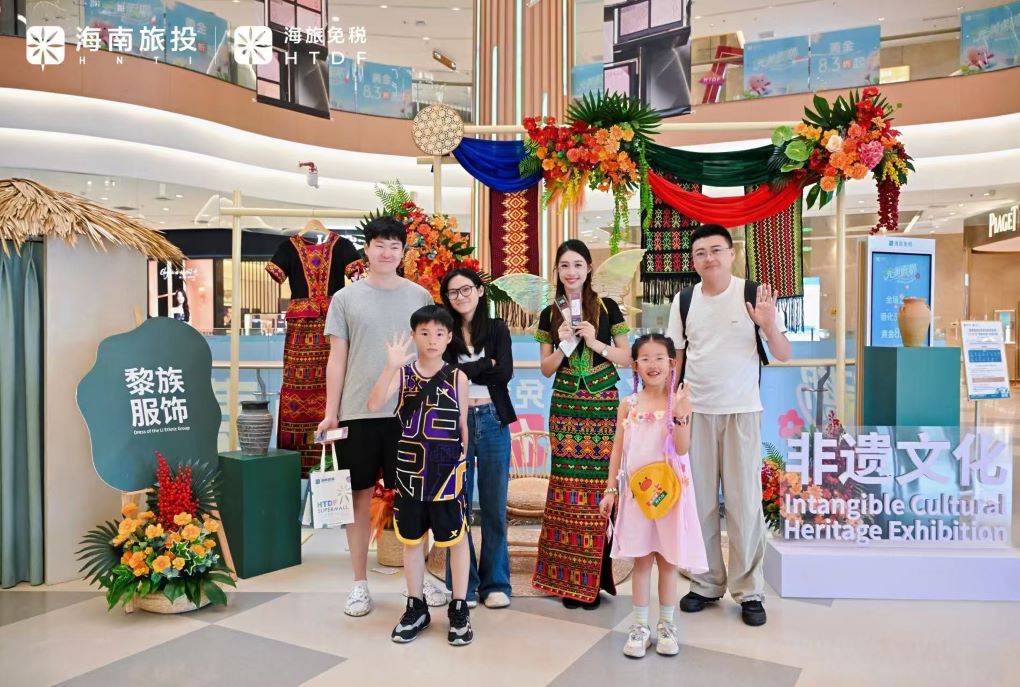
The Hainan offshore duty free market remains an important focus for the company. Lagardère Travel Retail has been working with Hainan Tourism Investment Duty Free Company since 2020, and in 2022 partnered with CNSC for the second phase of its store development in Sanya.
Commenting broadly on the Hainan business today, Tam says: “Hainan is a red ocean, a highly competitive market with intense competition among operators. The ultimate beneficiary of this competition is the consumer, which is a positive aspect.
“Hainan arguably boasts the lowest Prices & Charges (P&C) in the world after all the deals and offers that are in that market. Operators bear the cost pressure, and it benefits brands financially. While this [is positive], it disrupts the pricing structure in the domestic Chinese market and the broader region. Brands that refrained from participating in the Hainan trend can still maintain a normal business in the domestic Chinese market.”
Assessing how the China market will evolve, and how travel retailers and brand owner should adapt, Tam offers this view: “The retail business in China has been on an upward trend for the past two decades. The current slump is probably the first serious one with no real government stimulus in sight yet. The Chinese market is still dynamic, and we can feel that people still have money to spend, but there is an issue with confidence.
“At this stage, everyone in the market needs to focus on the fundamentals of retail, making customers feel that we are in love with the brands that we carry. It was probably too easy previously. Now the operators in the market need to do the hard work of changing organisational behaviour to anticipate, serve, be excited to engage and create a positive impression.
“Those operators who can make customers feel special and well-cared-for will emerge as winners. We also invest in innovation to continue to make the customer’s journey more fluid. The ability to build and reinforce this customer-centric culture is now key.”
*This article first appeared in The Moodie Davitt Magazine. Click here for access and turn to page 19. ✈️