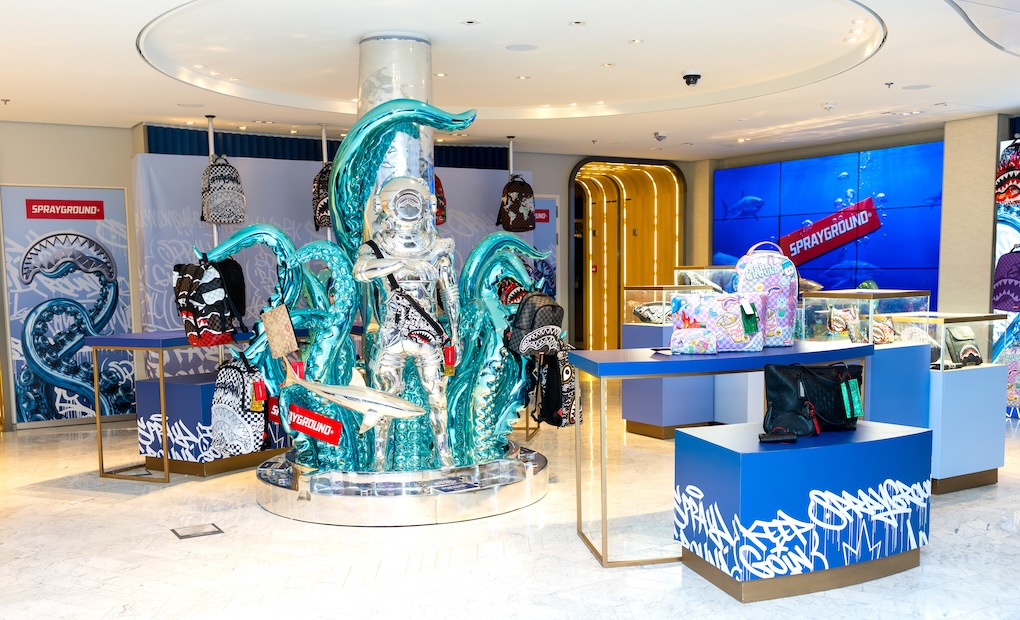



Introduction: Long-time Foreo Global Travel Retail Director Gary Leong is returning to TFWA World Exhibition in Cannes next week with his own company, Gulf Pacific, to meet existing and prospective brand partners.
Leong spent seven years with Foreo in travel retail (plus a wider global retail remit), pioneering a division dedicated to the channel.
During that tenure the Global Travel Retail division sold 5.5 million units of the Luna Mini 2 (US$764 million) alone, together with blockbuster successes across other SKUs.
In 2024, as reported, Shanghai-based Leong launched Gulf Pacific, a company that provides comprehensive services across retail, branding, media, manpower solutions and food & beverage.
Gulf Pacific was created to help businesses capture opportunities in travel retail, particularly in Asia Pacific.
It also leverages Leong’s insights into how ecommerce and digitalisation are influencing consumer behaviours and how these can be used to improve conversion.
In Cannes, Leong will be representing Coeur de Lion (for Asia Pacific) and fellow Aeternum Holding brand Danish jewellery house Sif Jakobs.
Just before the show, Leong shared his latest thoughts on the market with The Moodie Davitt Report.
Gary, you’ve no doubt got a hectic week ahead in Cannes. What are the key themes on your mind?
Gary Leong: Let’s start with China. It seems everyone is solely focused on the Chinese, where they travel to and what they will spend on.
Why so little focus on Vietnamese, Thai, Malaysians, Indonesians? After all, they make up a huge part of the southeast Asia market alone. And what about South Korea? I’m going to be talking a lot about these opportunities.
You possess an acute knowledge of the Chinese traveller, not a single consumer as so often you see described but a wide range of profiles, desires and expectations. How are you reading the market?
We know they are super savvy these days and they do their research before a trip. Red Note (Xiaohongshu (小红书) and AI are used extensively. From all the data, shopping spending is not ranked very high compared with the halcyon days. So, why is everyone hoping that the Chinese will still drop by and buy their products?
Chinese do their research before a trip on where their hotel is, which area, which district and then they find interesting restaurants and sight-seeing nearby.
This equates to documenting that moment in photo at the restaurant (food photography) and at the scenic sights (selfie). These are the kinds of experiences that draw many Chinese on their travels.
Then there’s value. On Red Note, there are travellers whose content brings you to Europe’s pharmacies and shows readers the recommendations on best beauty buys. A simple cream or lotion perhaps. And much more.
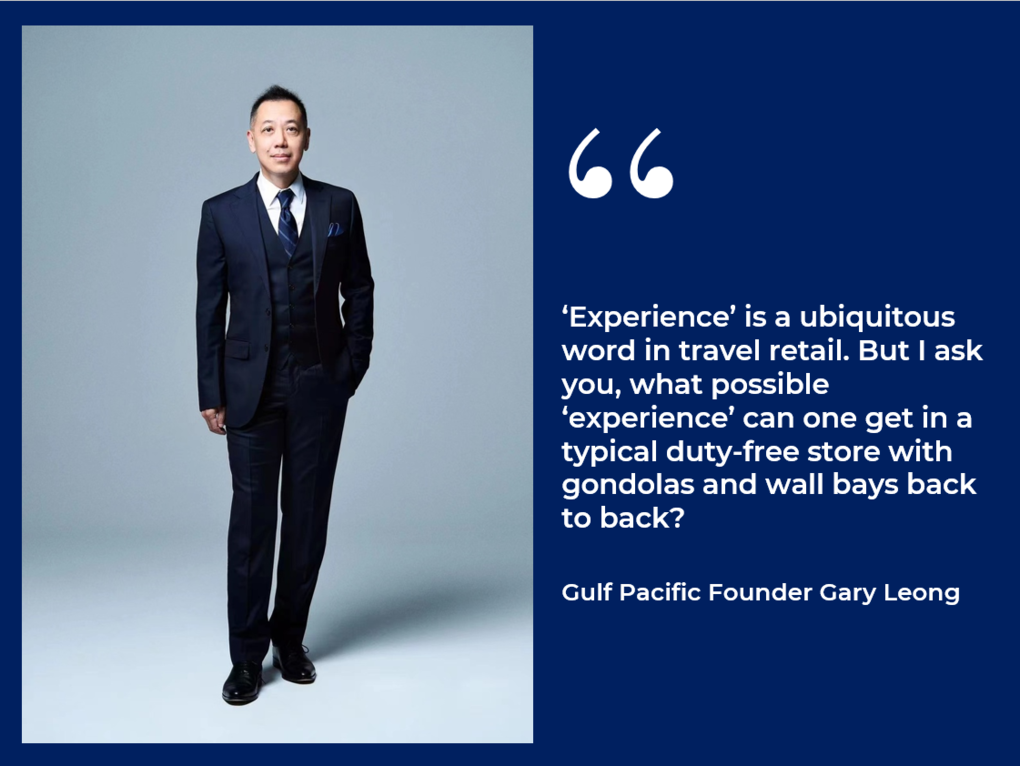
‘Experience’ is a ubiquitous word in travel retail. But I ask you, what possible ‘experience’ can one get in a typical duty-free store with gondolas and wall bays back to back? The environment is still the same. Real estate has largely not evolved in travel retail.
So who has?
Let me give you an example that really nailed it.
Malaysia Airports’ early 2026 ShopLAH campaign – which you covered extensively on The Moodie Davitt Report – was designed to support the Visit Malaysia 2026 tourism initiative and boost spending and visibility on local brands, showcasing the country’s myriad offerings.
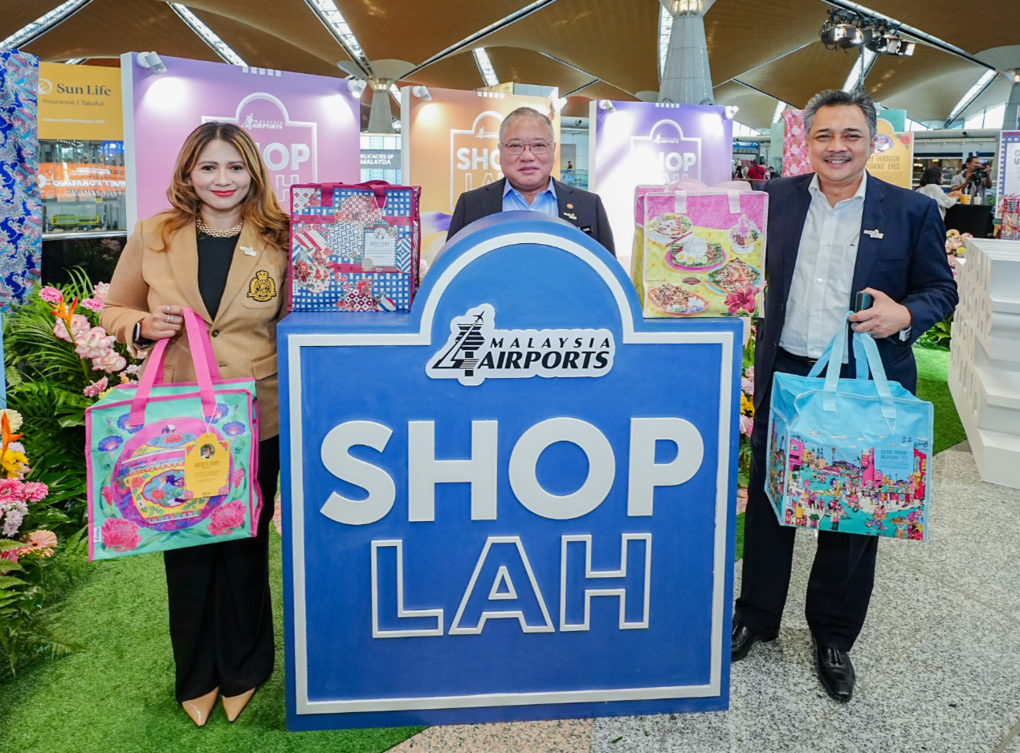
Note the words of Malaysia Airports Managing Director Dato’ Mohd Izani Ghani, who said, “By activating airport retail as part of the journey, we are reinforcing our airports as gateways that connect tourism, business and Malaysian identity, in line with our broader aim to position Malaysia as the most connected country in Asia Pacific.”
Kudos to the whole organisation, including Hani Ezra Hussin, Senior General Manager Commercial Services and team.
Travellers want to bring a part of the journey back home with them. A memory, an experience, a souvenir.
You will have seen the giant, yellow teddy bear art sculpture installed at Hamad International Airport named Lamp Bear and created by Swiss artist Urs Fischer.
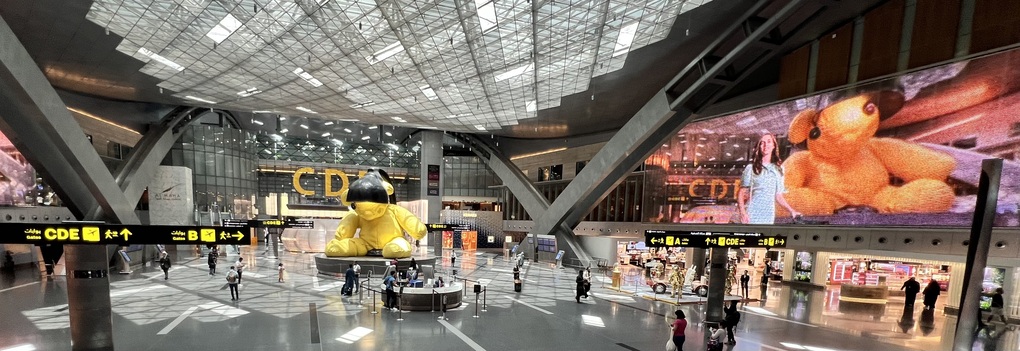
This is an iconic feature and perhaps one of the first true experience-based concepts that allows travellers to engage with the centrepiece of the airport.
Take a look at what Shinsegae Duty Free did with its K-pop Demon Hunters activation this April, involving a huge pop-up that Gen Z can relate to.
The activation was smack in the middle of the beauty hall at Shinsegae Duty Free.
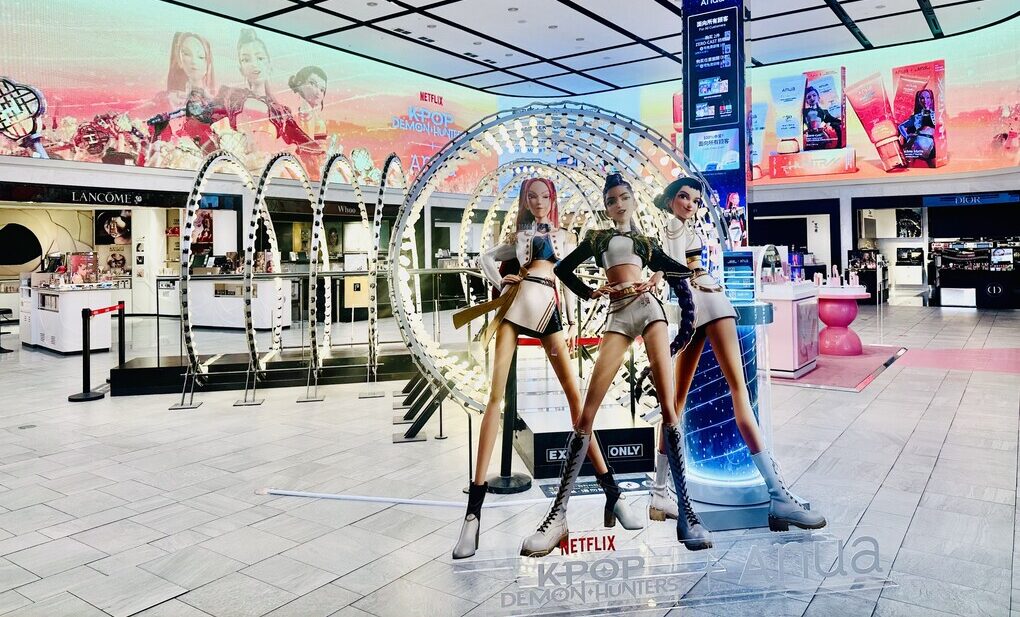
Incidentally, while going through the Sif Jakobs jewellery (which I represent) celebrity collaboration file, I realised they had worked with Arden Cho, the Korean American actress who is the voice behind Rumi of the KPop Demon Hunters.
Another key point relates to whether we are chasing leads based on data provided.
I read with interest that China Marketing AI, by China Trading Desk, has released its updated China Outbound Travel Market Outlook 2026, raising its high-case in-destination traveller spend estimate to US$295.9 billion after incorporating Q1 actuals.
“Travel retail cannot afford to wait until the traveller arrives,” commented China Trading Desk Founder & CEO Subramania Bhatt. “By then, many category preferences, brand choices, and itinerary decisions have already been shaped. The advantage goes to partners that engage earlier.”
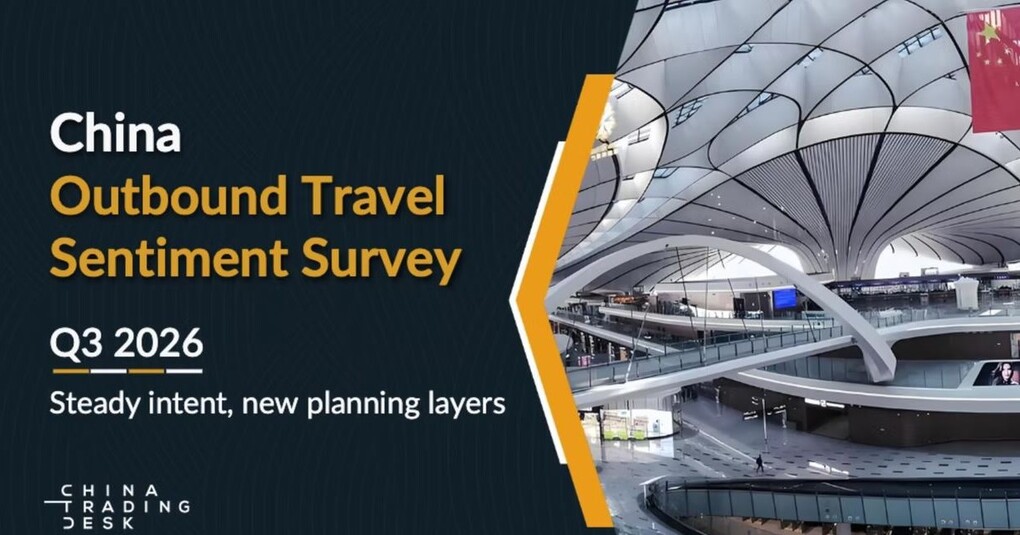
It was an interesting piece but I am unsure whether it solves any issues for any retailers. It creates the ‘FOMO’ effect (fear of missing out ).
The big numbers feature in such reports give the impression that, for example, ‘October holidays are coming and xxx amount of Chinese will travel. Get ready.’
Does this help retailers in any way? In a way it is saying, “I’ve come up with the numbers, the rest is up to you to convert.”
So, everyone reading these figures ( brand or retailer) will obviously get excited and do as much as they can to push sales during any peak travel period.
Hence FOMO. But we all know it’s not just conversion. Tastes have changed. Impulse buying in duty free has decreased and Chinese travellers could be looking for items that may not necessarily be in a duty-free store.
Shouldn’t we stop, take a step back and actually look at how this generation lives in its own environment?
Look at the hard facts and the true daily data of a Chinese individual:
- What they earn
- Their disposable income
- What they save
- What they spend daily on food and transportation ( a fraction vs the western world )
- What they actually eat and drink
- Family savings for a holiday
- The silver-haired individuals (sponsored by sons and daughters or own savings)
- If they do purchase, what would they buy overseas?
And for GenZ or Millennials when they travel:
- What can they buy apart from already purchasing on their own preferred ecommerce platforms?
- If they have done their research prior to flying, what are they going to spend on food and sightseeing, and lastly what they will buy with their savings?
- A existing product already available in China or content from Red Note or other social media that tells them the Best Buy from local pharmacies.
What about Gen A?
I live 40+ km away from the city centre in Shanghai. I could take a car for the commute but often jump on the subway for pure convenience’s sake and beating the traffic.
Just 11 stops, 40 minutes and a cost RMB 6 (US$0.90) for a single journey.
On many occasions in the mornings and late afternoons, I see young children being taken to school or returning by their mothers. During the journey, these little kids (aged no more that 6-7 years) are reciting their English homework on the subway.
English is my first language and these kids have the proper pronunciation of the English language.
What does this tell you about the situation ten years from now? That this generation will be even more advanced than what we see travelling currently.
They will be bi-lingual and beyond. Will there still be need for translation apps or basic Chinese lessons for sales assistants? ✈