 |
Dubai International: New Concourse A will propel traffic to new heights |
UAE. The three major international airports of the United Arab Emirates could reach a passenger throughput of 80 million in 2012, according to analysis of the market by CAPA-Centre for Aviation. [Note: Dubai International’s new Concourse A will be the subject of a special book by Moodie Corporate – see below for details.]
Each of Dubai International, Abu Dhabi International and Sharjah International has achieved double-digit growth in traffic in the first nine months of this year, hitting a combined 59 million passengers. If their current growth rates continue over the last quarter, combined traffic may reach 80 million, projects CAPA. This would be four times the amount of traffic they handled in 2002 and double the amount they handled in 2006.
CAPA noted: “With each achieving double digit growth, a combination of large order books for the local airlines and an increasing fleet of foreign carriers attracted to the market, the UAE airports are fast approaching the total airport traffic of New York City’s system, stagnating at a little above 100 million passengers annually.”
Dubai, the largest of the locations, remains on course to become the world’s largest international airport for passenger traffic. As reported, traffic for the first nine months hit 42.5 million, an increase of 13.4% year-on-year. It posted double-digit increases in seven of those nine months.
Also in the nine months, Abu Dhabi International handled 10.9 million passengers, up by +19.8%, while Sharjah recorded a +12.5% increase to 5.6 million passengers.
CAPA also noted the growth in the premium passenger market among the Gulf’s airports, driven by the expansion of the major carriers, Emirates and Etihad (as well as Qatar Airways out of Doha).
CAPA said: “With the rapid growth of the “˜super-connector’ airlines in the Gulf region, premium traffic has become increasingly important in the Middle East. The joint attractions of geographical convenience and superior service standards (including high frequency widebody service to most major cities in the world) has allowed the airlines and airports in the Middle East to divert premium traffic away from traditional sixth freedom hubs in Europe and Asia.”
It added that Heathrow Airport boasts a strong proportion of premium seats flown, at around 16% (including premium economy), citing figures from Innovata, against a world average of 7%.
The leading UAE airports also feature high value markets, with 12.4% of seats through Dubai being premium, and 11.5% at Abu Dhabi. In nearby Doha International, the figure is also high at 10.3%.
The analyst also underlined how the UAE is building one of the world’s leading airport systems, fuelled by huge airport and airline investments in infrastructure, while traditional hub systems such as London struggle with capacity constraints.
CAPA said: “London still plays home to the world’s busiest air transport system, yet the UAE’s airports are rapidly catching up. Passenger flows in the UAE doubled over the past five years and are forecast to double again by 2020, reaching more than 150 million a year.
“London’s five major airports handled 133 million passengers last year. However, growth in the southeast of England is constrained by airport capacity, and the seeming intractable political opposition to new airport development or the expansion of existing facilities. New York’s major airports handled 105.5 million, and growth over the past three years has averaged just +1.5% growth, also approaching their own capacity limits.”
 |
Abu Dhabi, Dubai and Sharjah airport traffic 2008 to 2012 (estimate) |
For the full CAPA analysis, click here.
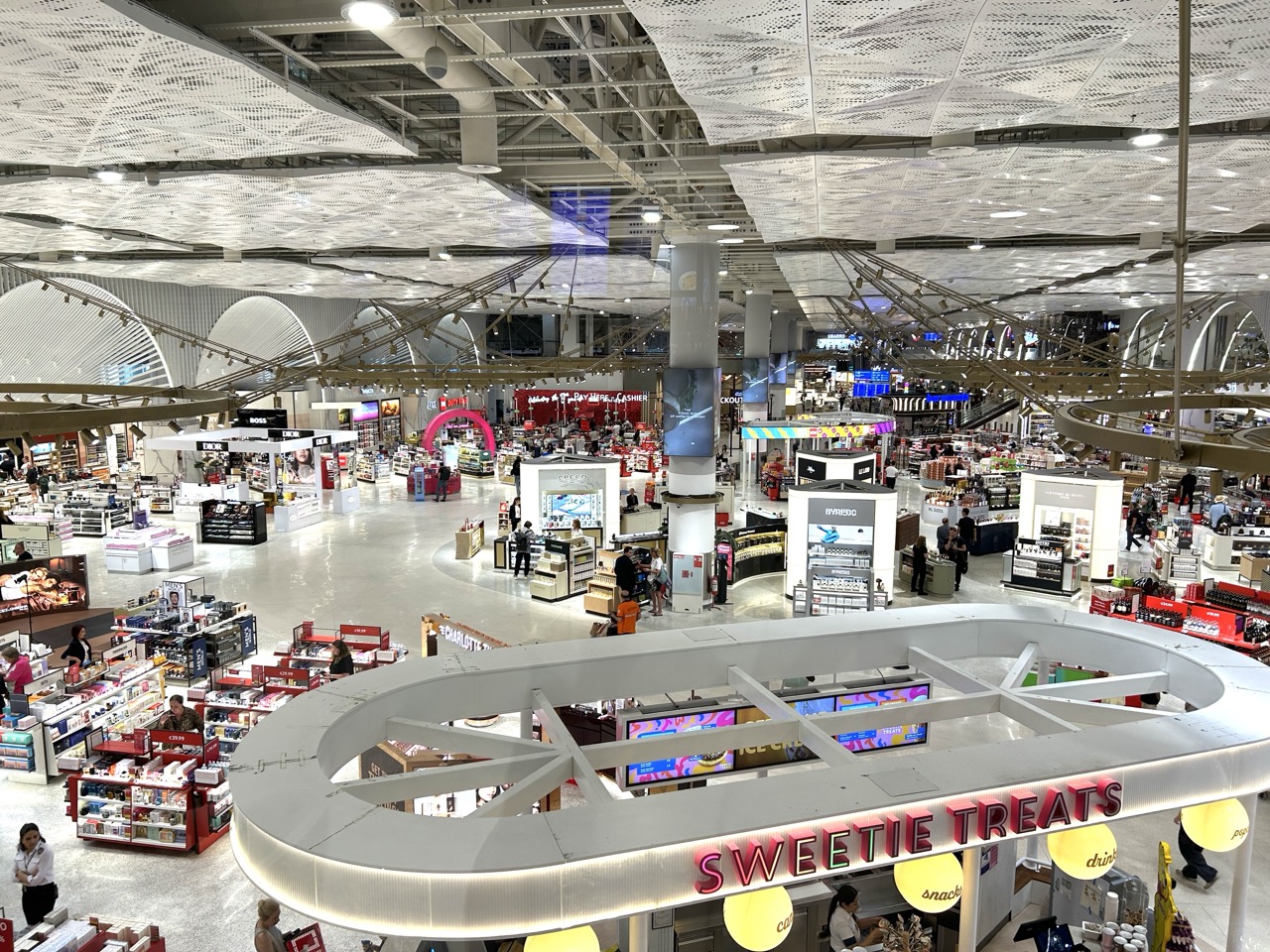
Note: As reported, the rapid growth of Dubai International, and in particular the opening of its new Concourse A in early 2013, will be the subject of a special book published by Moodie Corporate.
This high-quality A4 production will tell the tale of one of the world’s great contemporary air terminals, the first purpose-built A380 facility, focusing particularly on its ambitious commercial offer.
Besides hard copy distribution to Dubai Airports stakeholders and business partners (including Dubai Duty Free, Emirates and Emirates Leisure Retail) and to a database of the world’s top airports and retailers, the publication will also be produced digitally and e-mailed to The Moodie Report’s entire 7,000 reader database (and be permanently archived at www.TheMoodieReport.com)
For advertising details please contact Helen.Pawson@TheMoodieReport.com
[houseAd5]