
Global spirits company Bacardi has outlined five macrotrends reshaping cocktail culture and the wider spirits sector in this year’s Cocktail Trends Report (click here to download).
These include the rise of the ‘daycap’ or a shift from the traditional nightcap to late-afternoon drinking occasions; a renewed appetite for in-person socialising and redefined social connections; a growing focus on sense of place and ethically sourced ingredients; the increasing value of experience-driven IP; and the return of bold luxury.
In the seventh edition of its annual report, the world’s largest privately held international spirits company has once again partnered with strategic foresight consultancy The Future Laboratory.
The report combines findings from Bacardi’s consumer and brand ambassador surveys, input from bar and restaurant operators and The Future Laboratory’s own independent analysis.
The findings highlight the importance of cocktails as an outlet for creativity and connection, even in a challenging economic climate.
Among the key consumer groups, Gen Z drinkers fuel this trend as their rising spending power and preference for a sense of community, flexibility and playful luxury reshape the category.
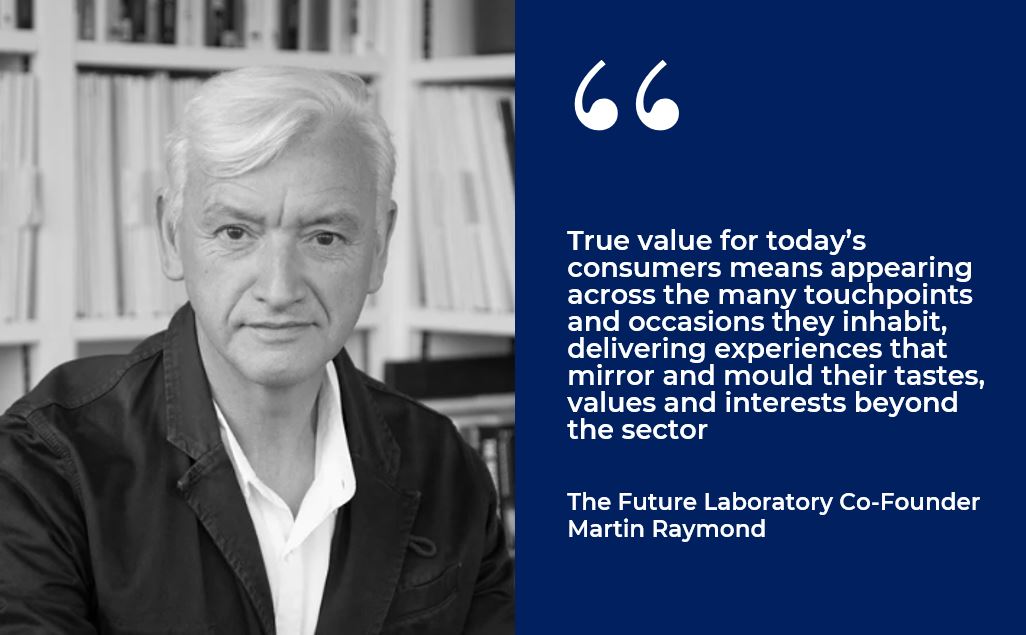
The Future Laboratory Co-Founder Martin Raymond said: “Brands are delving beyond traditional frontiers to capture consumers’ attention and their spend. True value for today’s consumers means appearing across the many touchpoints and occasions they inhabit, delivering experiences that mirror and mould their tastes, values and interests beyond the sector.”
‘Afternoon Society’
A key finding with direct relevance to travel is the rise of the ‘daycap’, reflecting a shift in drinking behaviour among Gen Z adults.
Travelling consumers looking to enjoy moments of ‘micro-celebration’ and earlier in the day drinking during their vacation could be a key promotional opportunity, for example.
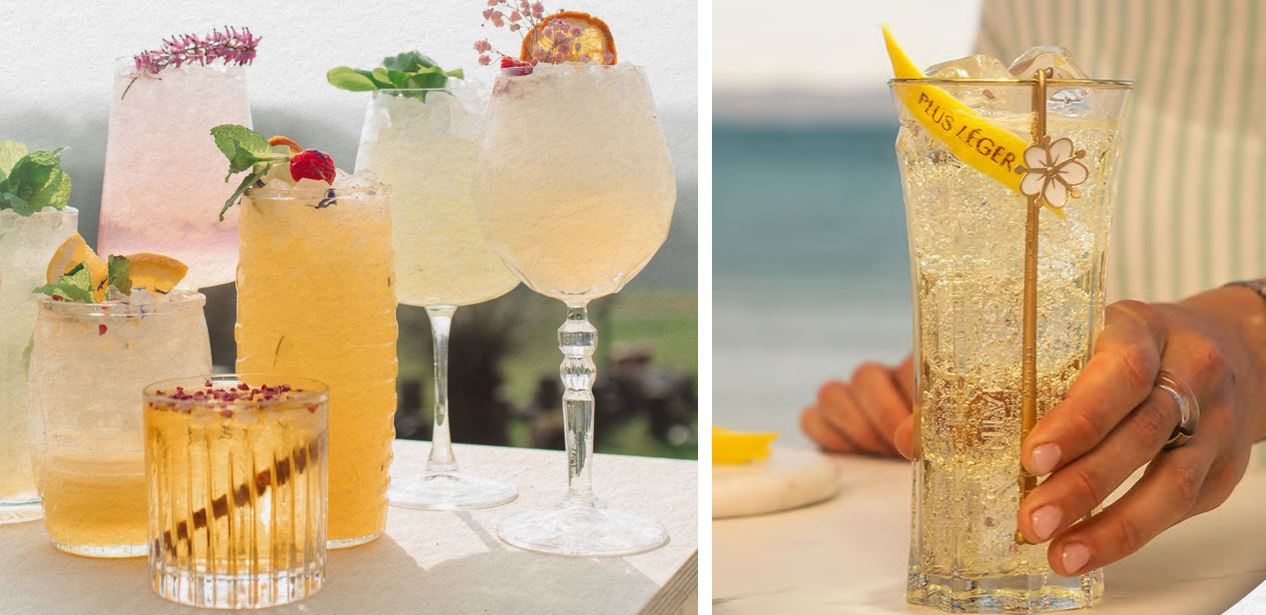
Rather than reducing consumption, this consumer group prefers earlier indulgences and lower-ABV drinks, creating opportunities for brands to tap into what is dubbed as ‘sweet treat economy’ focused on small celebrations and mindful indulgence.
Bacardi Vice President for Global On-Trade Sean Kerry said, “For this new cohort, indulgence doesn’t mean excess – it means intention.”
Cocktail occasions are starting earlier for Gen Z, reflecting a preference for mindful indulgence and casual, post-work socialising. The ‘Thursday is the new Friday’ mindset is prompting brands and retailers to update their offerings to meet these changing routines.
The trend is reflected in key global markets, with 40% of consumers in Spain and India, 32% in Italy and Australia, and 30% in France reporting similar behaviours, according to the Bacardi Global Consumer Survey (GCS).
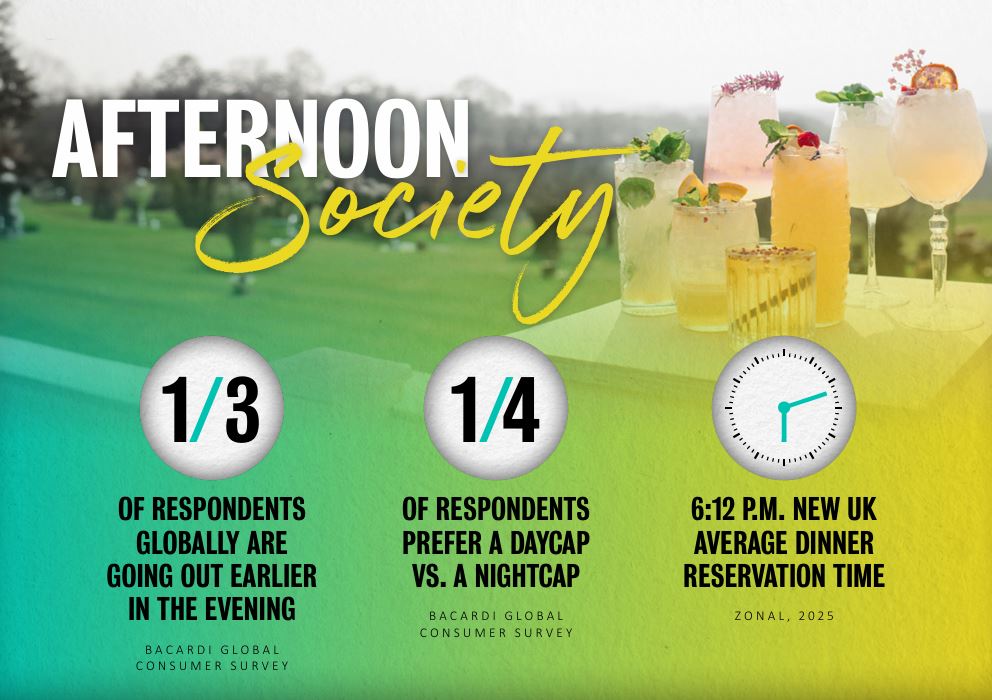
Younger consumers lead this shift, with over half in France (51%) and more than a third in the USA (34%) adjusting their routines toward earlier evening occasions.
As consumers move toward earlier drinking, post-work bookings are on the rise. In the UK, the majority of dinner reservations now take place before 6:30pm, highlighting the emergence of the daycap.
By 2026, around one-third of consumers in markets such as Germany, Spain, Canada and the UK are expected to follow this trend, while nearly half of Dutch Gen Z individuals favour it over the traditional nightcap.
‘Snackable sips’
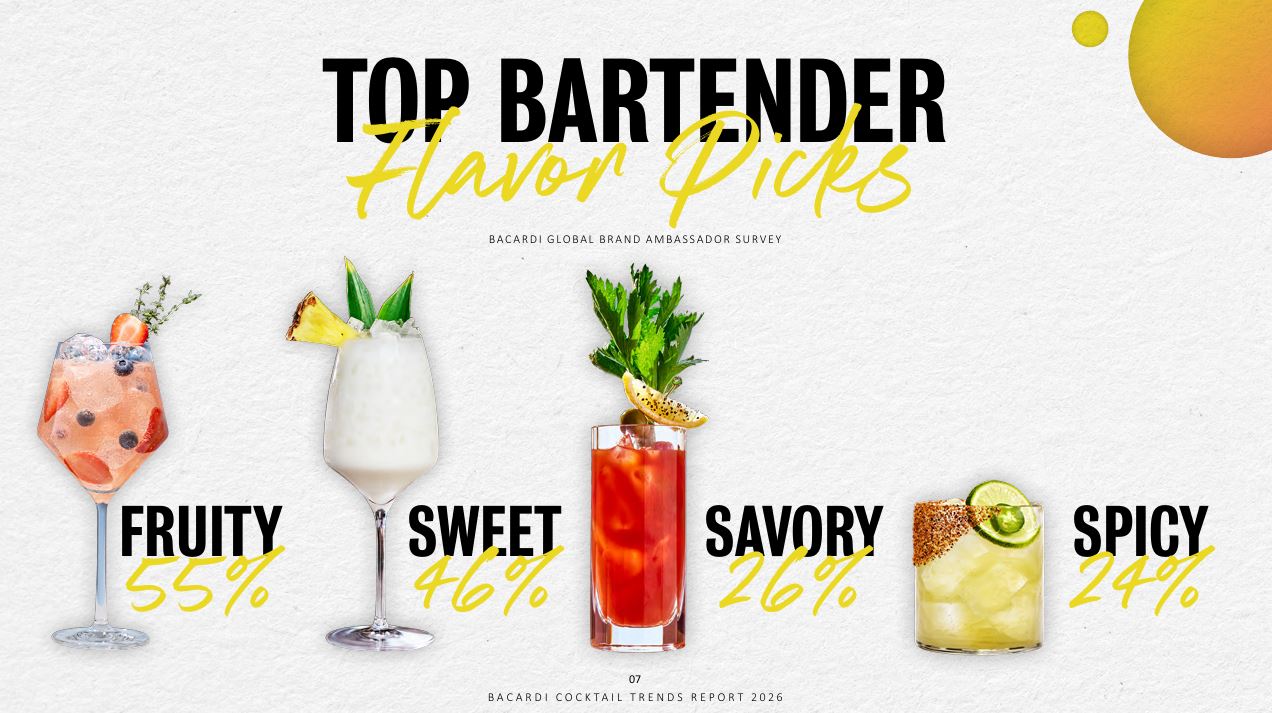
Consumers are shifting toward smaller-format cocktails that prioritise flavour, ritual and indulgence.
From mini Martinis and low-ABV sippers to dessert-and-drink pairings, bars across the globe are adapting to this sweet treat approach, offering measured, intentional experiences that elevate everyday drinking.
The trend is particularly evident in Spain, where 43% of younger consumers plan to drink more neat spirits and cocktails over the next 12 months, according to the Bacardi GCS.
Small-format serves combined with flavour-forward profiles are driving a cocktail culture that is cooler, lighter, more playful and aligned with evolving consumption patterns, according to the report.
Gen Z is also propelling a shift toward evening cocktails inspired by daytime flavours, favouring low-ABV, flavour-forward serves that mirror their values and moods.
Many of these young adult consumers are switching between alcoholic and non-alcoholic options in the same session. Rather than avoiding bars, younger drinkers are frequenting venues more often, reshaping cocktail culture around earlier, intentional and experience-led moments.
‘Rewilding connections’
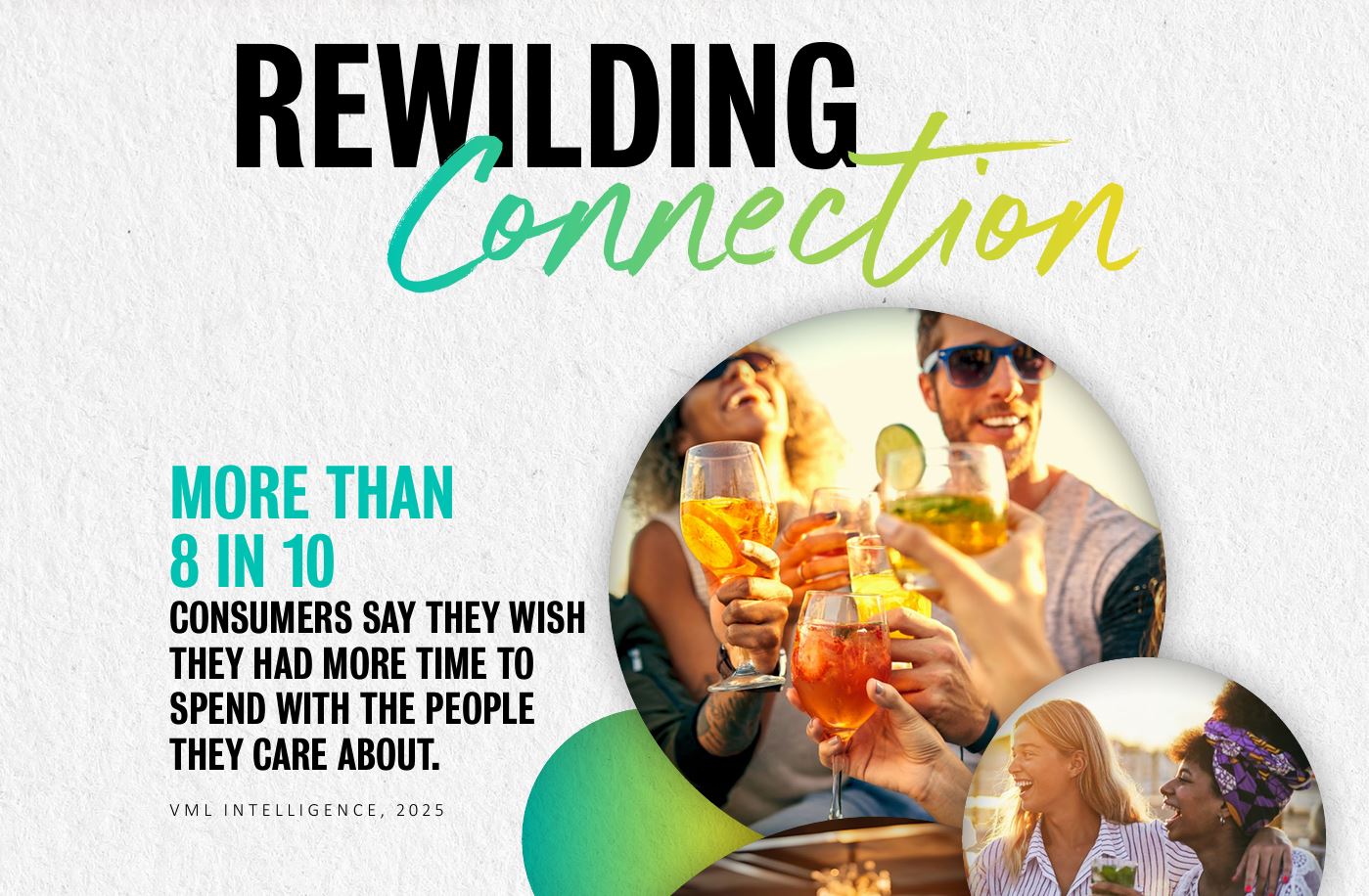
A shift toward mindful, in-person socialising is emerging, particularly among Gen Z.
These consumers are seeking intentional, screen-free experiences and in-person gatherings that prioritise presence, creativity and community, where cocktails are a thoughtful complement to the moment, not the main event.
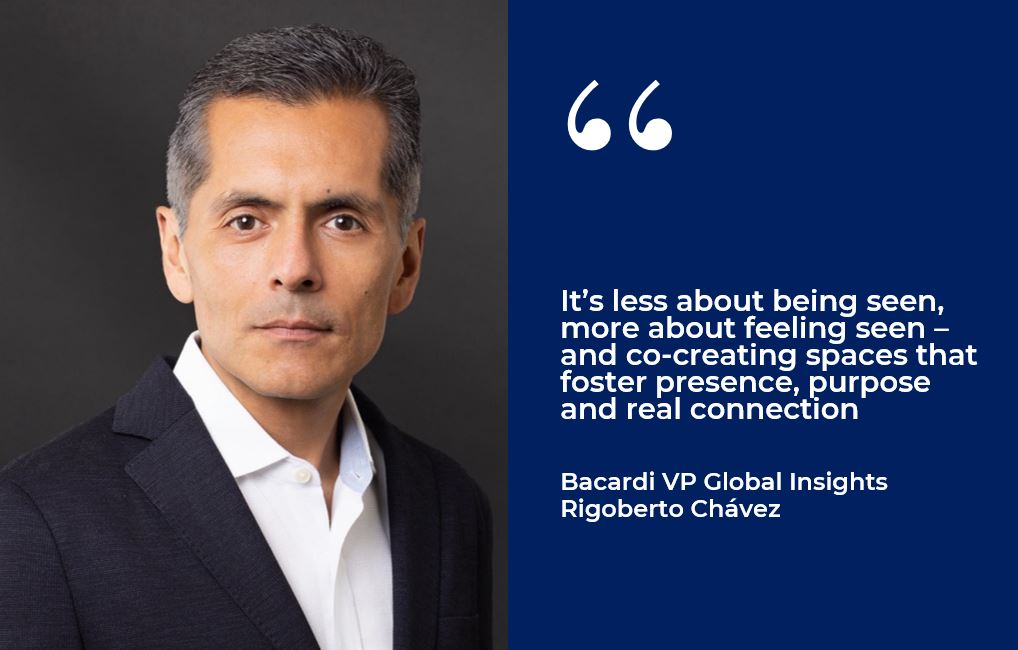
Bacardi VP Global Insights Rigoberto Chávez said, “It’s less about being seen, more about feeling seen – and co-creating spaces that foster presence, purpose, and real connection.”
With 85% of consumers expressing a desire for more quality time with the people they care about, brands and venues that create screen-free, community-focused moments are tapping into a growing demand for deeper connections.
People-first placemaking
Driven by a strong desire for community, culture and connection, Gen Z is transforming everyday ‘third places’, such as cafés, libraries and galleries, into community-driven experiences.
49% of legal-drinking-age (LDA) Gen Z visit these spaces weekly, favouring joy-filled gatherings that blend culture, creativity and cocktails over traditional venues.
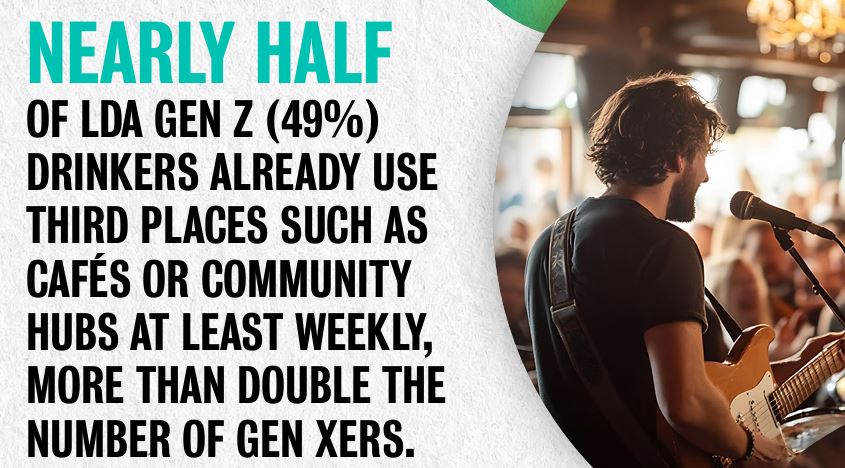
This shift is fuelling robust growth for alternative hubs, which now generate +19% more drinks volume per month than conventional hospitality outlets and are becoming essential channels for engagement.
Experiential, culture-driven gatherings, such as coffee clubbing, Reading Rhythms and game nights, are driving strong engagement, while brands are leveraging these occasions to meet consumers in cultural and lifestyle contexts.
Attendance growth at these events is notable, with Eventbrite reporting a +150% increase globally in 2025 and +1,800% in Houston.
Ice-breaker serves
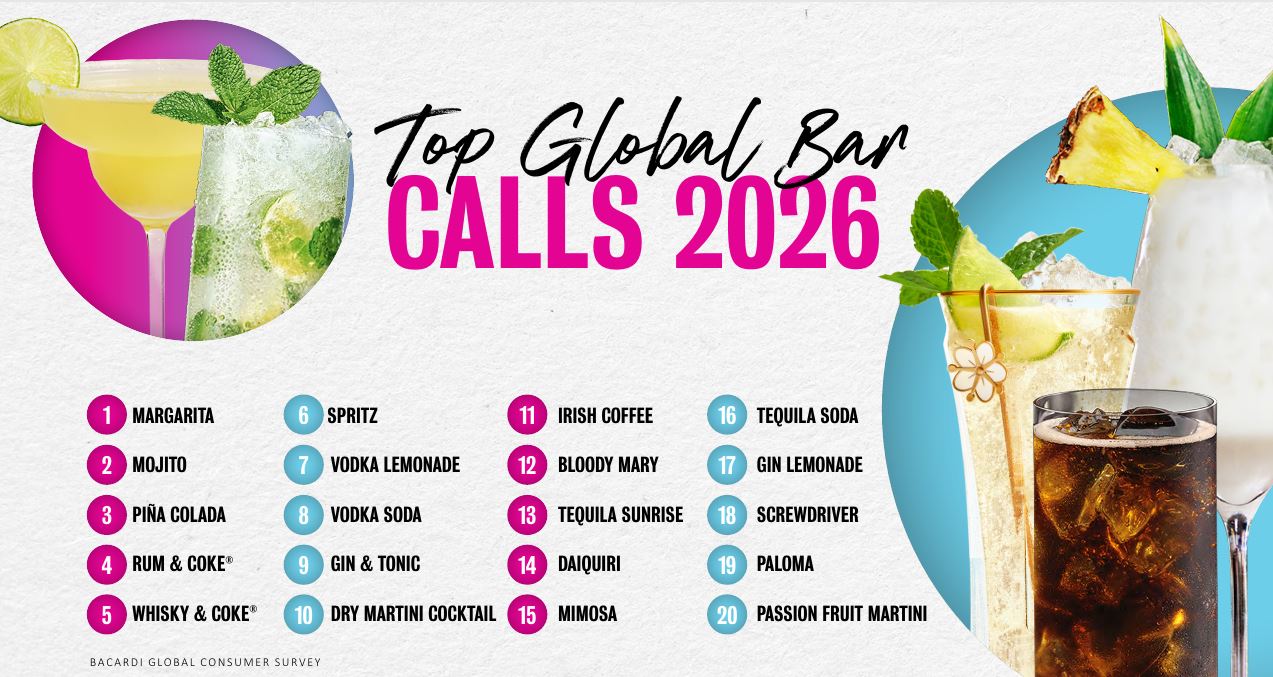
The study also highlights how drinks are evolving into tools for social connection as socialising becomes more intentional.
From immersive tasting experiences to shareable RTDs, cocktails are shifting from statement drinks to social rituals that encourage community and cultural engagement.
Bars are experimenting with narrative-driven formats and intimate settings, while portable RTDs extend these experiences to house parties, festivals and other community-focused occasions.
‘New localogy’
In its latest report, Bacardi has identified the New Localogy movement as a response to evolving consumer demand for community-rooted, place-driven cocktails.
Bars are transforming into laboratories of local flavour, using micro-farms, regional ingredients and innovative techniques to elevate popular spirits while highlighting its local environment.
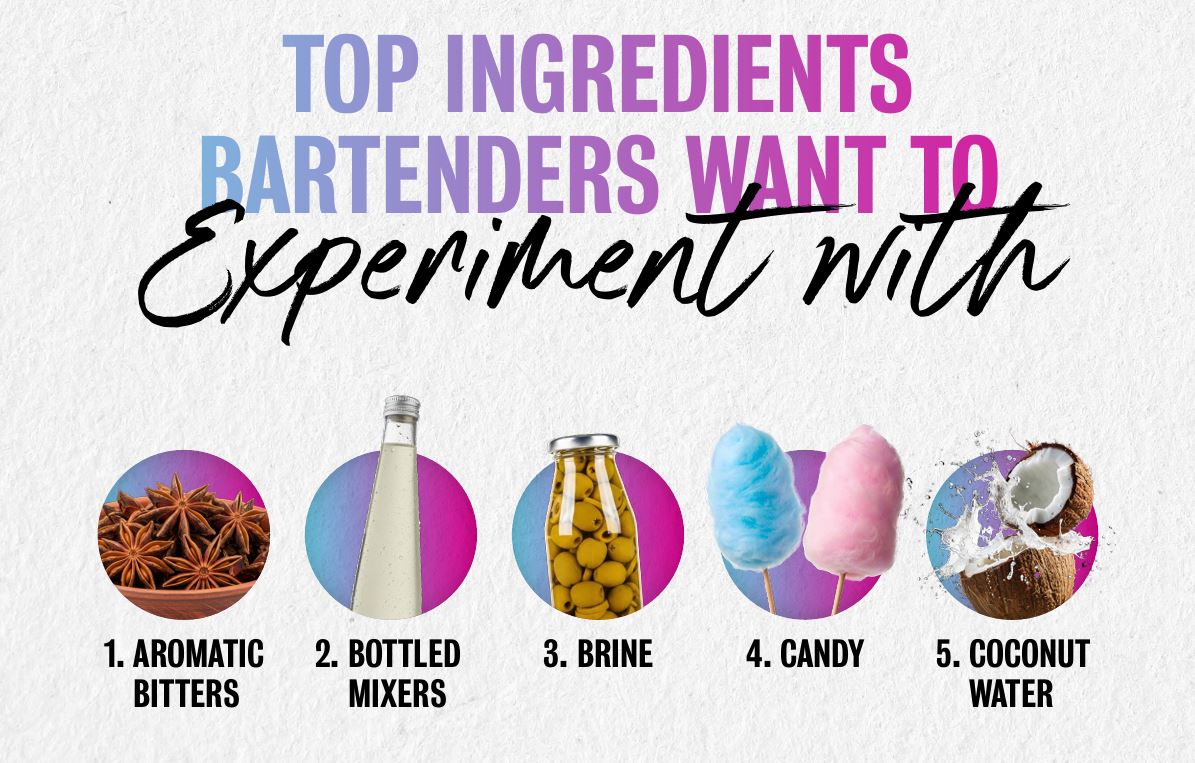
Shifting regulations and consumer expectations are driving the adoption of transparent sourcing and detailed product information, with bars and brands adopting QR-coded data, improved sourcing and storytelling.
As consumers increasingly value provenance and product details, these measures elevate both compliance and experience.
Living laboratories

A new drinks ecosystem is transforming bars and restaurants into innovation hubs, blending science, gastronomy and local ecology to deliver immersive cocktail experiences.
With buying local a top priority for both consumers and venues, brands are going beyond conventional sustainability to create hospitality that is both ecology-driven and flavour-focused.
Ingredients work harder
Maximising flavour while minimising waste has become a priority for bars and dining venues, which are now embracing multi-dimensional ingredient use – fresh, fermented, distilled or infused.
Bacardi North America Director of Advocacy Adrian Biggs said, “By layering techniques and reimagining single ingredients across serves, bars are crafting richer, more responsible experiences that honour both taste and the planet.”
For example, a bar in London highlights ingredient versatility with its menu, using seasonal fruits, vegetables and herbs in multiple ways.
By layering techniques and perspectives, bars are turning ingredients into multidimensional stories, extending their use to meet rising consumer demand for both innovation and sustainability.
The Liquid Experience IP
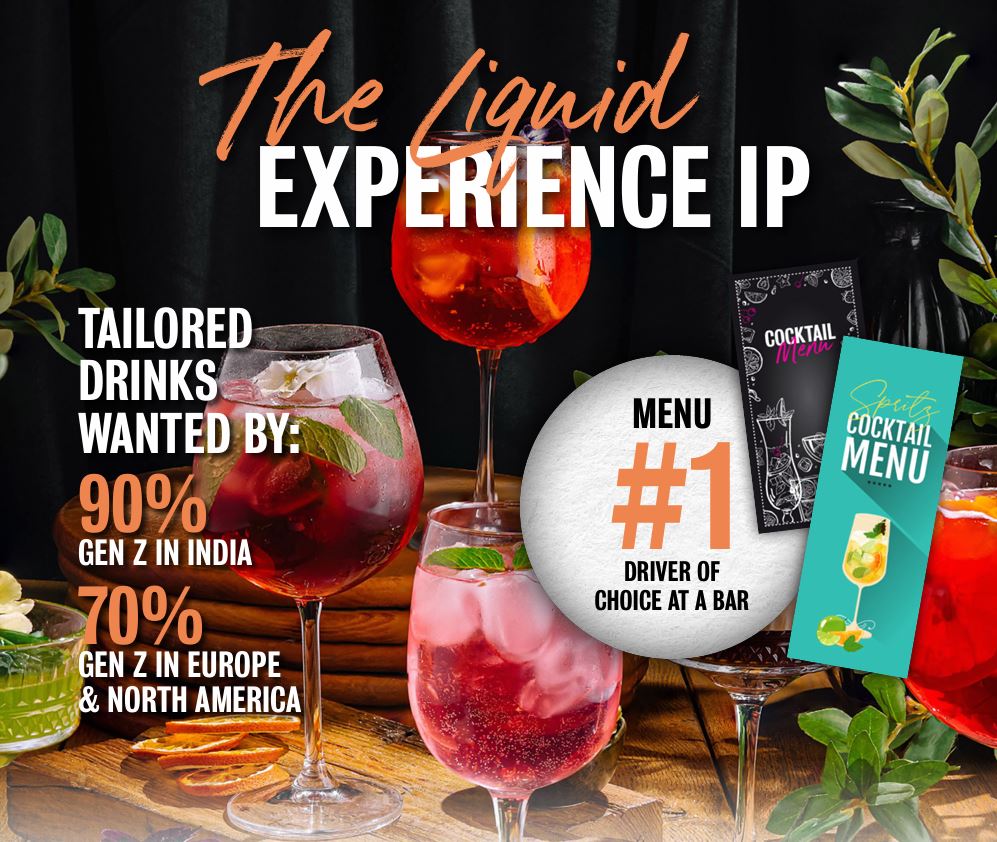
The concept of ‘Liquid Experience IP’, where cocktails themselves become brandable and licensable assets, is capturing consumer attention by turning drinks into curated, shareable experiences with emotional and cultural impact.
This trend is playing out in Bacardi’s major 2025 global travel retail activations this year – including Patrón’s collaboration with Karan Aujla with Ospree Duty Free in Mumbai earlier this year and with Ushuaïa Ibiza over the summer at Spanish and UK airports.
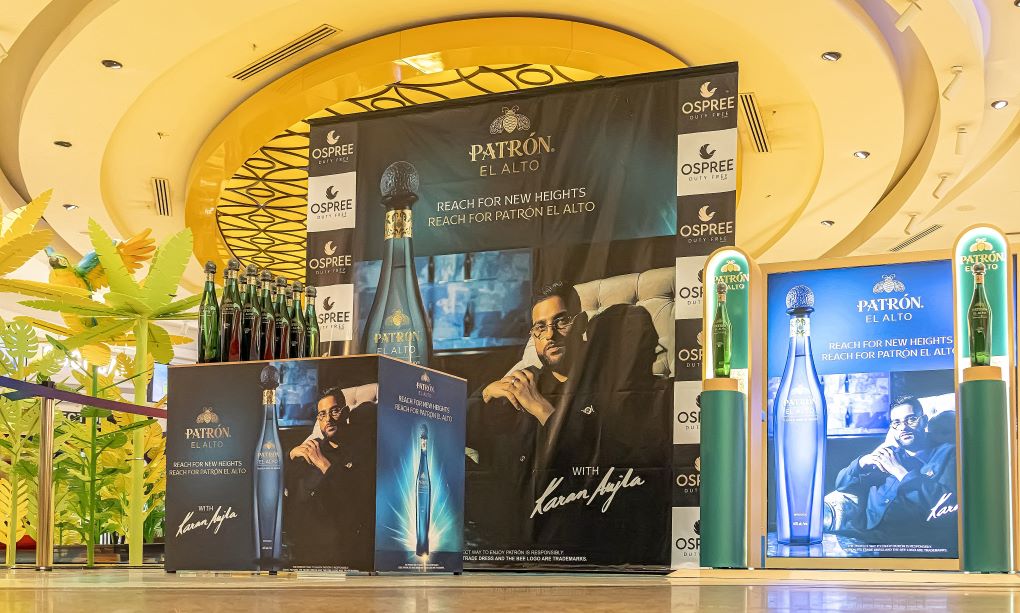
As consumers increasingly prioritise culture and experiences over mere consumption, these curated drink experiences offer brands a strong offering to build relevance, emotional loyalty and value in selective spending markets.
Bombay Sapphire Global VP Natasha Curtin said, “Premium today goes beyond price tag – it’s about cultural cachet and emotional connection.”
The research shows that culture drives both intent and spend. Brands engaging consumers emotionally through culturally relevant activations can double purchase intent, with 70% of connected consumers investing twice as much.
For Gen Z, such cultural touchpoints are important, with 60% turning to friends’ social posts when choosing where to eat and drink.
Living cocktails
Cocktail culture is becoming a lifestyle movement, with consumers drawn to immersive, identity-driven experiences.
Brands that reflect these values see higher spend, particularly among younger and emerging markets, highlighting the growing importance of experiential spaces.
In Europe, entertainment-led activations stand out, with almost 60% of respondents confirming these as the most effective method for increasing sales and customer traffic (Bacardi GBAS).
The menu as medium
Menus have become effective storytelling tools and an important factor of consumer choice at the bar, surpassing word-of-mouth recommendations in key markets, including France (50%), Germany (45%) and Canada (41%) (Bacardi GCS).
In response, bars are turning menus into immersive media.
As they evolve, menus are set to become dynamic tools that guide choice while highlighting bartender expertise, yet personal enough to preserve the skill and artistry that define cocktail culture.
More is more mixology
This appetite for elevated experiences is driving premiumisation amid a strategic shift toward maximalist, high-energy environments that emphasise immersive atmospheres and bold flavours.
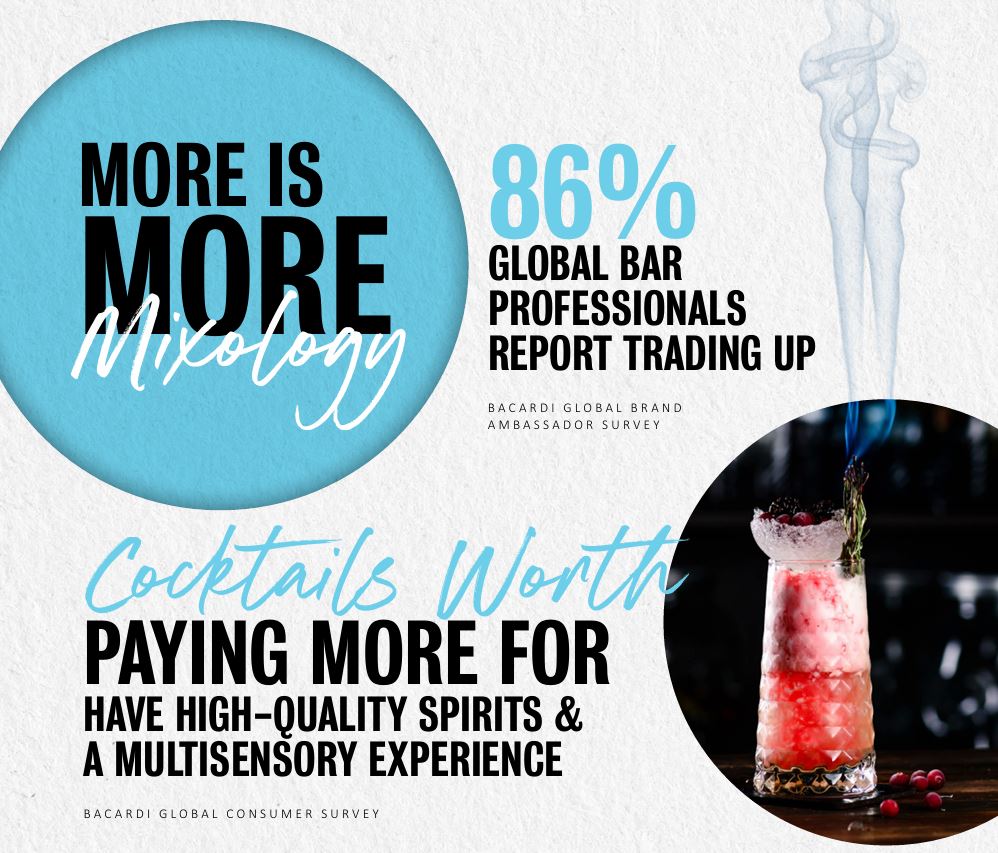
Consumers worldwide are seeking memorable, high-impact moments, with a higher demand for cocktails and premium spirits in occasions. In Germany and Spain, cocktails have overtaken Champagne, while in Mexico, the USA and the UK, 37%, 31% and 26% of consumers, respectively, choose spirits for celebratory events (Bacardi GCS).
Premiumisation is accelerating in bars worldwide as 86% of professionals are focusing on higher-quality spirits and cocktails, with tequila ranked as the number one growth driver (Bacardi GBAS).
Experiential Opulence
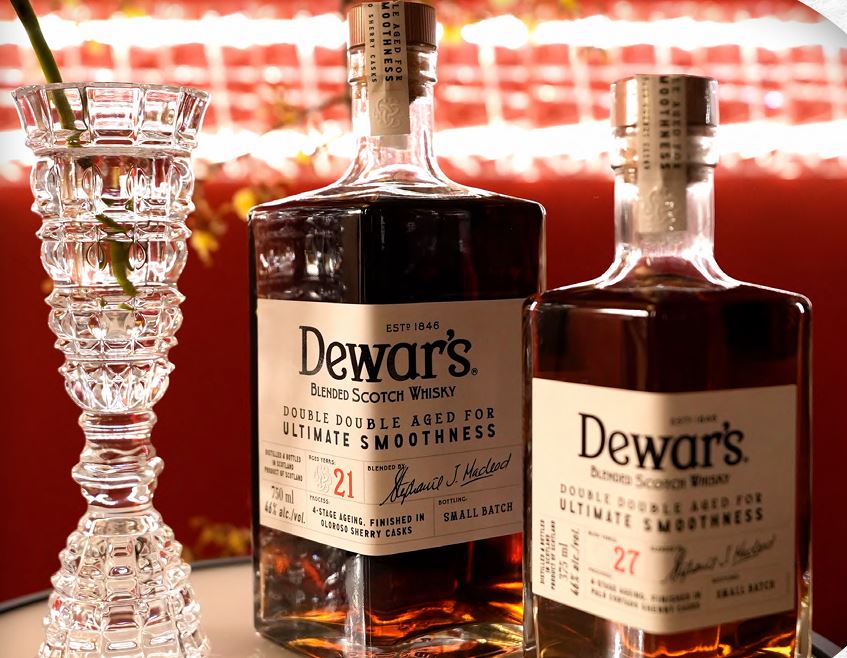
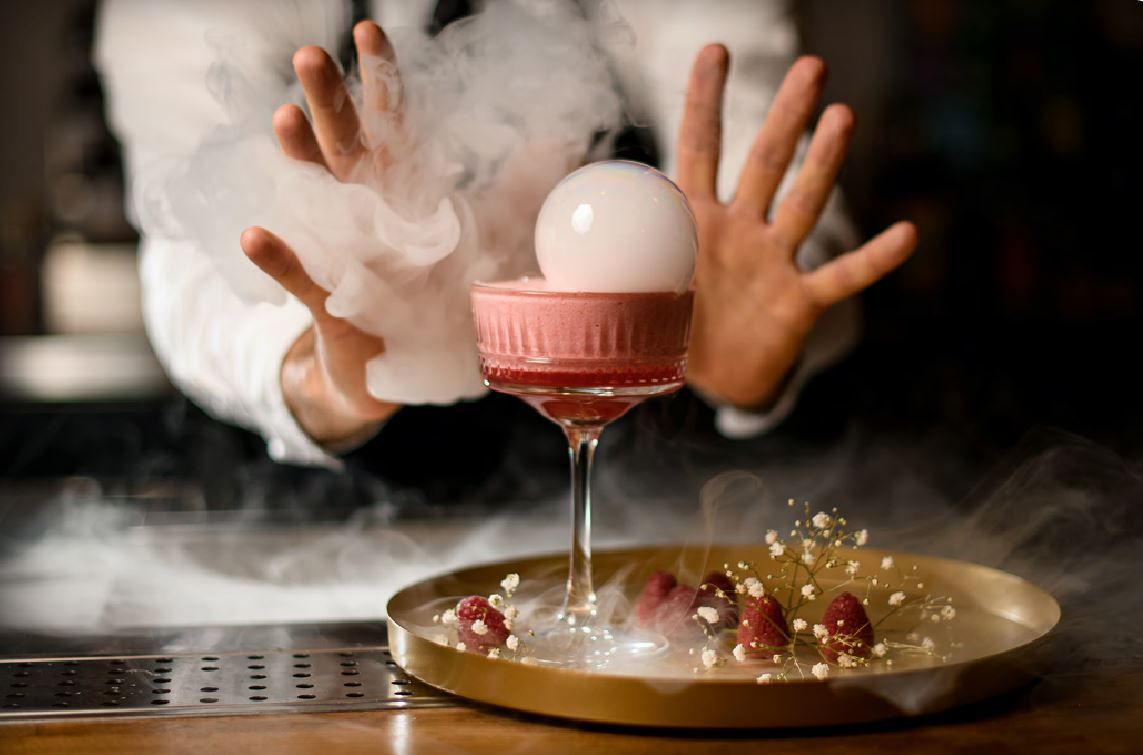
Moving beyond lavish atmospheres, experiential opulence is elevating cocktails into interactive, multi-sensory performances that combine drink, art and theatre.
This indulgence resonates with consumers, with 31% of young adult drinkers in the UK, 28% in Spain and 27% in the Netherlands willing to spend more for multi-sensory experiences (Bacardi GCS).
Fantastical flavours
Consumers are also moving toward bold, unexpected flavours as a form of escapism.
With 71% agreeing that ‘the real world feels surreal’, cocktails are being reinvented from traditional recipes into creative, imaginative experiences.
Rich flavours drive engagement, with 40% of consumers saying intense tastes create an impressive experience and 22% actively seeking intense flavours.
Building on this year’s focus on connection, 2026 will see cocktails evolve into tools for creativity, cultural engagement and personal expression. With Gen Z at the forefront, brands are expanding into new formats and venues, redefining premium to include authenticity, sustainability and storytelling.
The Future Laboratory Co-Founder Martin Raymond concluded: “The cocktail is evolving from product to performance. It’s a creative act – one that reflects how people want to express themselves, connect with others, and celebrate culture in new, fluid ways.” ✈