
UK/US. British American Tobacco (BAT) has announced that its US bio-tech subsidiary, Kentucky BioProcessing (KBP), is in the process of developing a potential vaccine for COVID-19. The vaccine is already in pre-clinical testing.
BAT said it is hopeful that, “if testing goes well”, and with the right partners and support from government agencies, between 1 and 3 million doses of the vaccine could be manufactured per week, commencing in June.
It pointed out that KBP remains a commercial operation, but the intention is that its work around the COVID-19 vaccine project will be carried out on a not-for-profit basis.
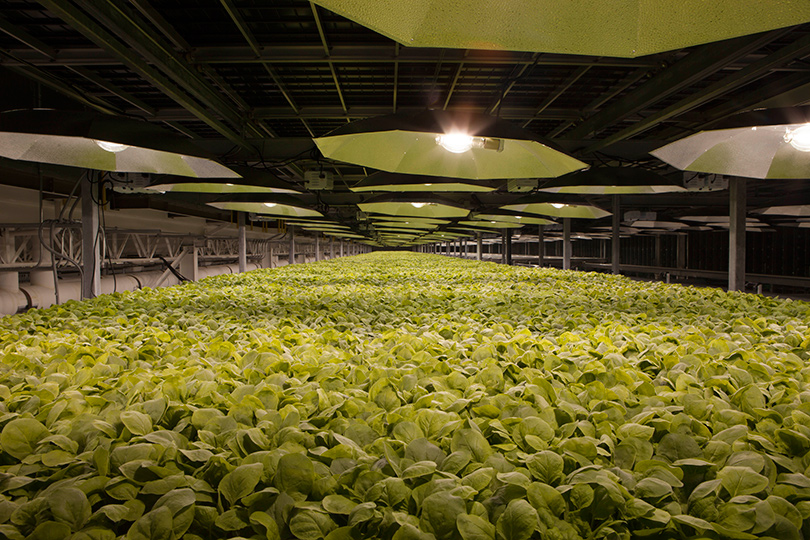
The developing vaccine uses BAT’s proprietary, fast-growing tobacco plant technology which the company claims has several advantages over conventional vaccine production technology.
Prominent among these potential advantages is the fact that tobacco plants can’t host pathogens which cause human disease.
Further, BAT said the process will be faster because the elements of the vaccine accumulate in tobacco plants much more quickly, at a rate of six weeks in tobacco plants versus several months using conventional methods.

The other advantages pointed out by BAT are that the vaccine formulation KBP is developing remains stable at room temperature – unlike conventional vaccines which often require refrigeration – and it has the potential to deliver an effective immune response in a single dose.
“Vaccine development is challenging and complex work, but we believe we have made a significant breakthrough with our tobacco plant technology platform and stand ready to work with governments and all stakeholders to help win the war against COVID-19.” – BAT Director of Scientific Research Dr David O’Reilly
KBP recently cloned a portion of COVID-19’s genetic sequence which led to the development of a potential antigen – a substance which induces an immune response in the body and, in particular, the production of antibodies. This antigen was then inserted into tobacco plants for reproduction and, once the plants were harvested, the antigen was then purified, and is now undergoing pre-clinical testing.
BAT Director of Scientific Research Dr David O’Reilly said: “We are engaged with the US Food and Drug Administration and are seeking guidance on next steps. We have also engaged with the UK’s Department for Health and Social Care, and BARDA in the US, to offer our support and access to our research with the aim of trying to expedite the development of a vaccine for COVID-19.”
He added: “Vaccine development is challenging and complex work, but we believe we have made a significant breakthrough with our tobacco plant technology platform and stand ready to work with governments and all stakeholders to help win the war against COVID-19. We fully align with the United Nations plea, for a whole-of-society approach to combat global problems.
“KBP has been exploring alternative uses of the tobacco plant for some time. One such alternative use is the development of plant-based vaccines. We are committed to contributing to the global effort to halt the spread of COVID-19 using this technology.”
BAT’s US subsidiary, Reynolds American Inc, acquired KBP in 2014, with the aim of using some of its unique tobacco extraction technology to aid further development of its new category non-combustible products.
In the same year, KBP was credited as one of the few companies with an effective treatment for Ebola, having manufactured biopharmaceutical drug ZMapp with California-based company Mapp BioPharmaceuticals in partnership with the US Biomedical Advanced Research and Development Authority.