

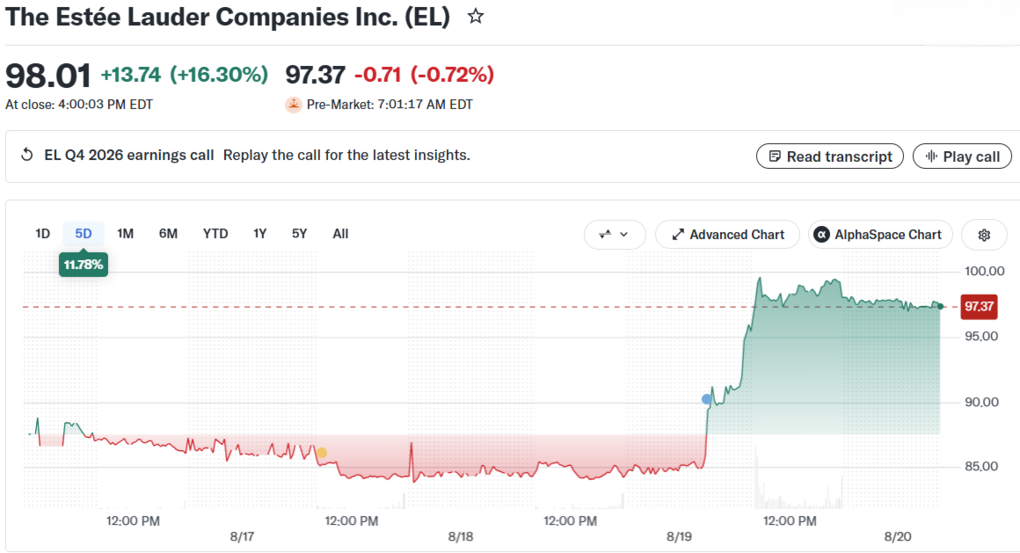
Travel retail’s fast-reviving fortunes represented a key theme during The Estée Lauder Companies’ (ELC) full-year earnings call yesterday (19 August)
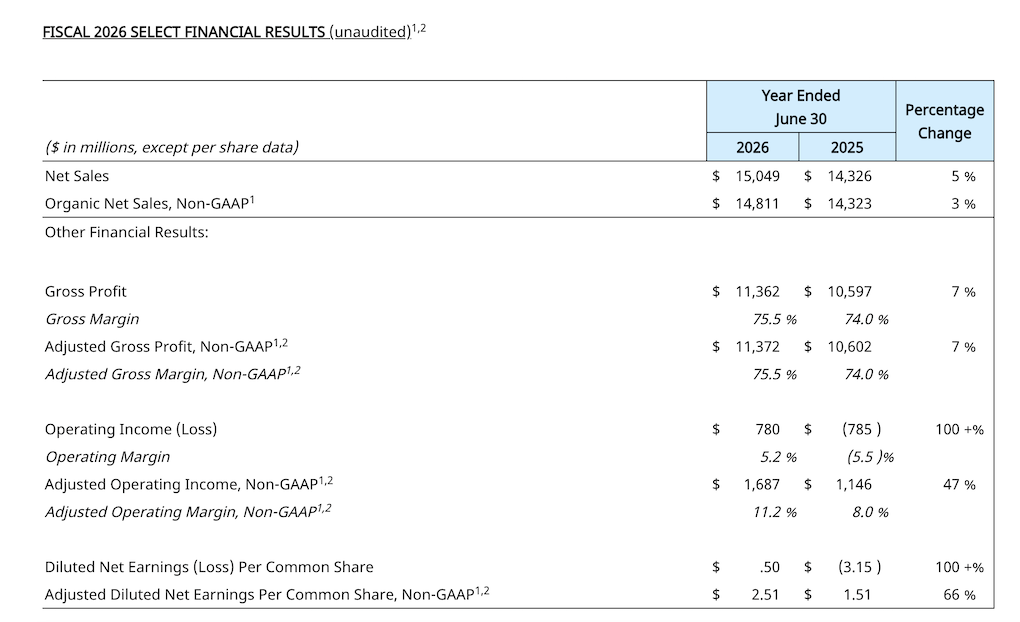
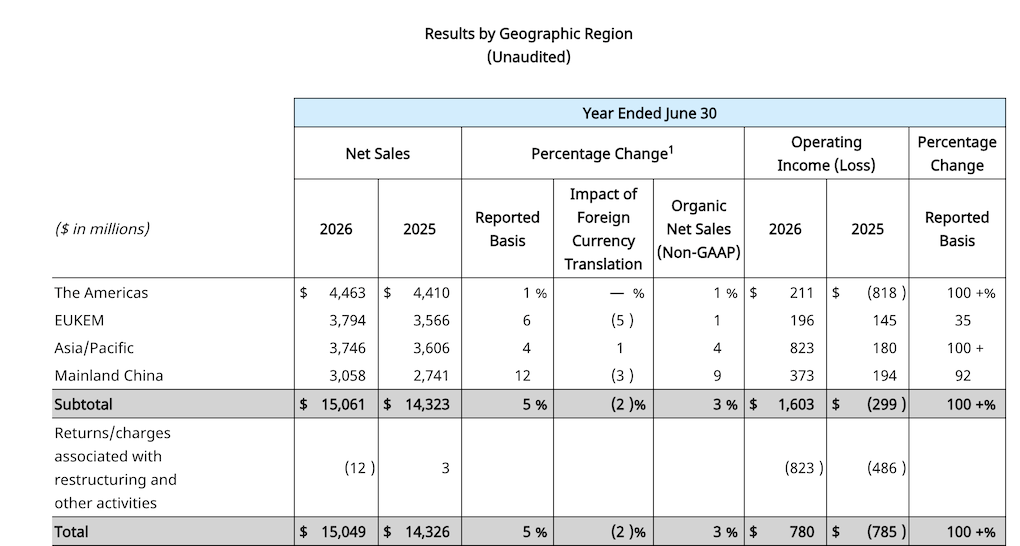
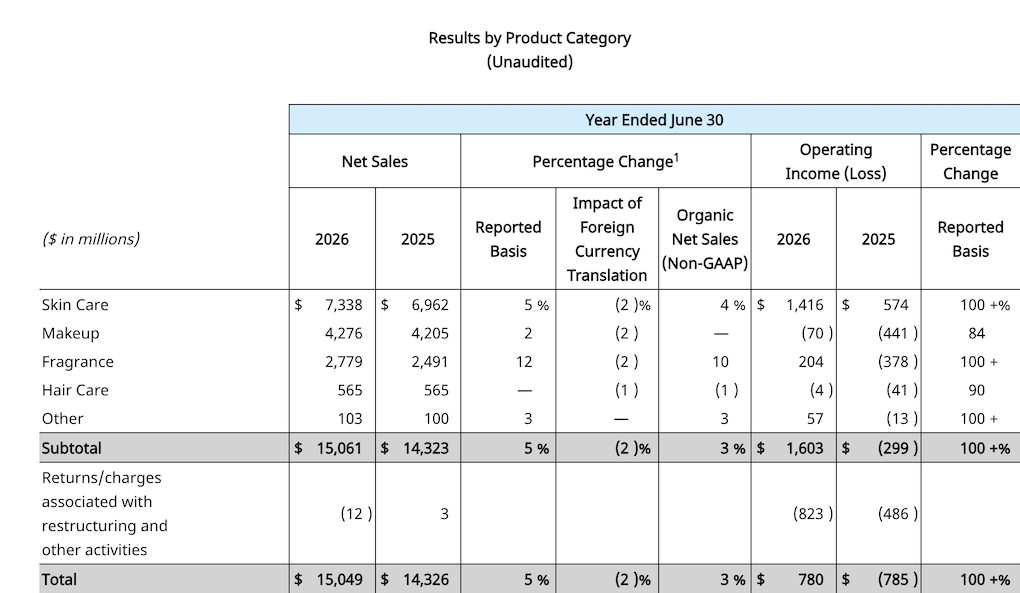
As reported, ELC posted a +5% year-on-year increase in group-wide reported sales (organic +3%) to US$15 billion for the full year and a strong profitability rebound (see table below) with travel retail’s improved performance playing a key role.
Speaking during the earnings call, The Estée Lauder Companies President and CEO Stéphane de La Faverie revealed more details of how global travel retail returned to growth in the year.
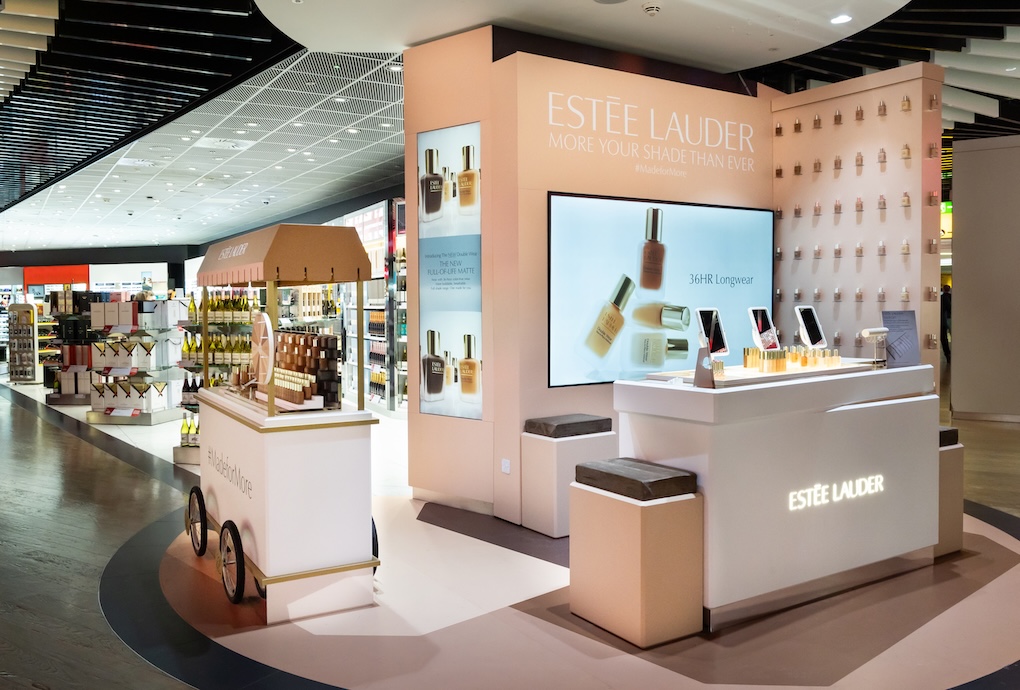
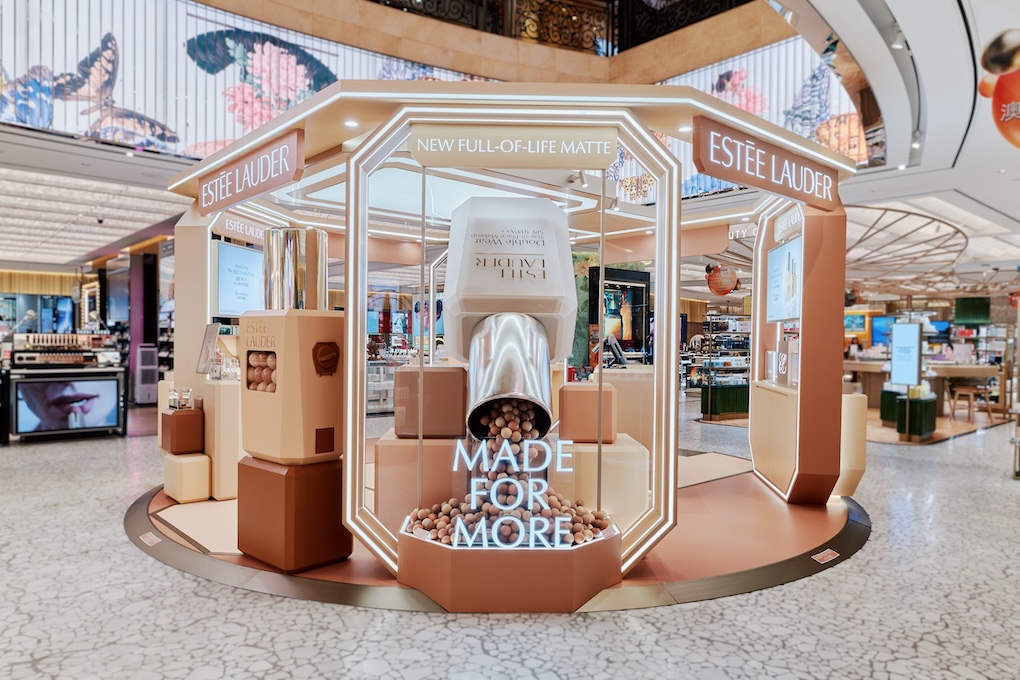
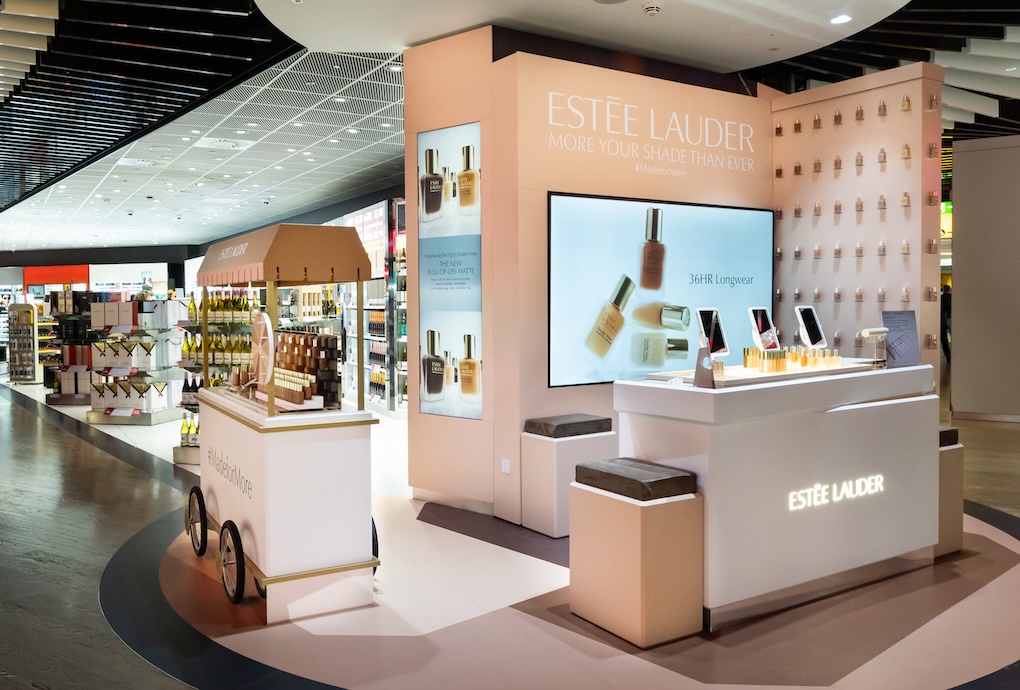
This rebound was fuelled in part, he said, by the company’s investment in “experiential retail” across Mainland China and South Korea.
Asked for clarity on Asian – and Hainan, in particular – inventory levels and how they may affect the positive organic sales outlook, de La Faverie replied: “I want to be very clear, and I reiterate what I’ve said many, many times – we are shipping to demand. So our inventory is in a very good place in travel retail.”
Building on that point, he added: “Now I’m very happy to report another [piece of] good news in travel retail. For the first time in three years, for the month of June and the month of July we are back into positive territory for travel retail globally, led by Hainan that was in double-digit growth in the fourth quarter.
“That [growth] was also there in Q3, but we are [also] seeing great momentum in Korea, in Hong Kong and in Southeast Asia in travel retail.”
Travel retail also performed strongly in the Americas, helping to offset some of the “headwind” being experienced in the traditionally strong Middle East region, de La Faverie noted.
“So the [pure] retail is strong in travel retail, and we are managing inventory to the demand,” he continued. “Travel retail represents about 15% of our business, and we intend to just keep it in line with industry standards.”
Travel retail represented approximately 15% of reported sales in fiscal ’26, similar to the channel’s global Prestige share. That is a significantly reduced percentage from 28% just five years earlier, underlining how the company has normalised its business by moving away from a hitherto over-reliance on the daigou reseller sector in the key Korean and Hainan markets.
De La Faverie then responded to a key question (posed by Christopher Carey of Wells Fargo Securities) asking how ELC was balancing management of the Mainland China domestic business versus Asia travel retail in order to deliver more consistent growth in both areas over the coming year.
“When it comes to the TR visibility, we have a very clear system in place today,” de La Faverie said, emphasising the strength of the revamped leadership team headed by President – Asia-Pacific Region and Travel Retail Worldwide Matthew Growdon and anchored by two key regions – East (out of Singapore) and West (London).
“We’ve really accelerated experiential retail in travel retail. So you are going to see us doing a lot more activities in the East and in the West. We’ve accelerated the deployment of our brand in the West, especially led by the fragrances.
“You’re seeing a lot more visibility on Jo Malone, on Tom Ford, on Kilian Paris, on Le Labo, at many, many airports in the Americas and EMEA. And when it comes to the management of the East, we have a system in place that allows a clear coordination of activities between Mainland China and travel retail China.
“That is done in conjunction between Joy Fan, who is the leader [President & CEO] of China and Matthew Growdon [President – Asia-Pacific Region and Travel Retail Worldwide]… where they meet regularly to coordinate launches, activities and [for example] how we go at 11/11 versus 6/18 between the travel retail and in the local market.
“So it’s a very sophisticated model that allows us to really make sure that we’re managing the total China ecosystem and looking at it from Mainland China [domestic] to travel retail [China] – alongside the Chinese travellers around the world – in a very coordinated model.”
That approach, he said, allows ELC to delight the Chinese consumer wherever they are and to ship to the demand wherever it is. ✈
|
 On the record with Stephane de la Faverie