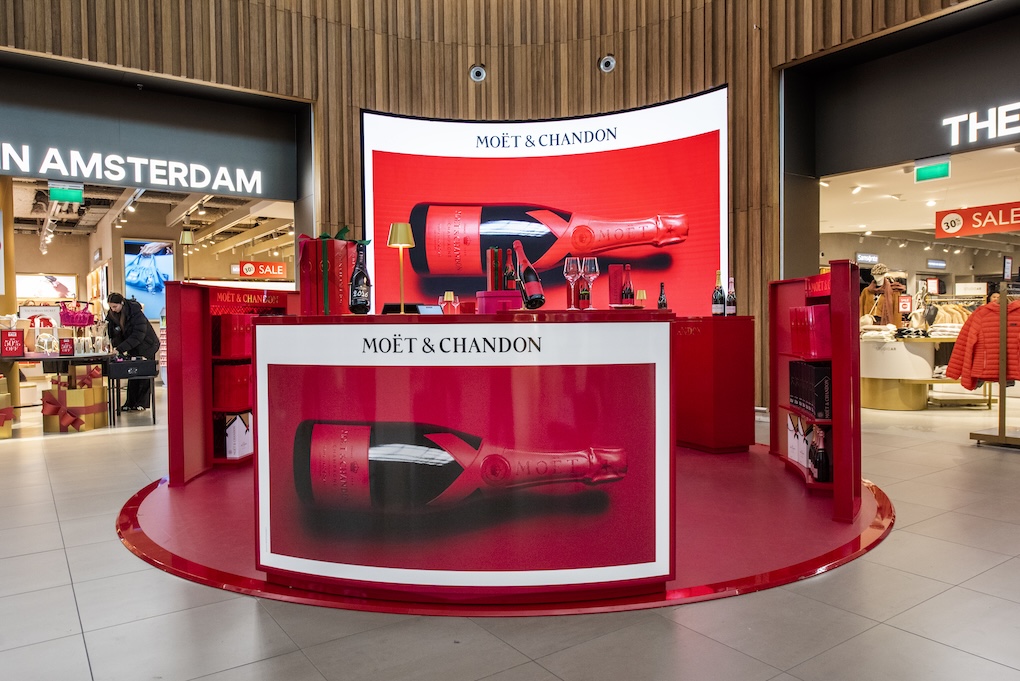
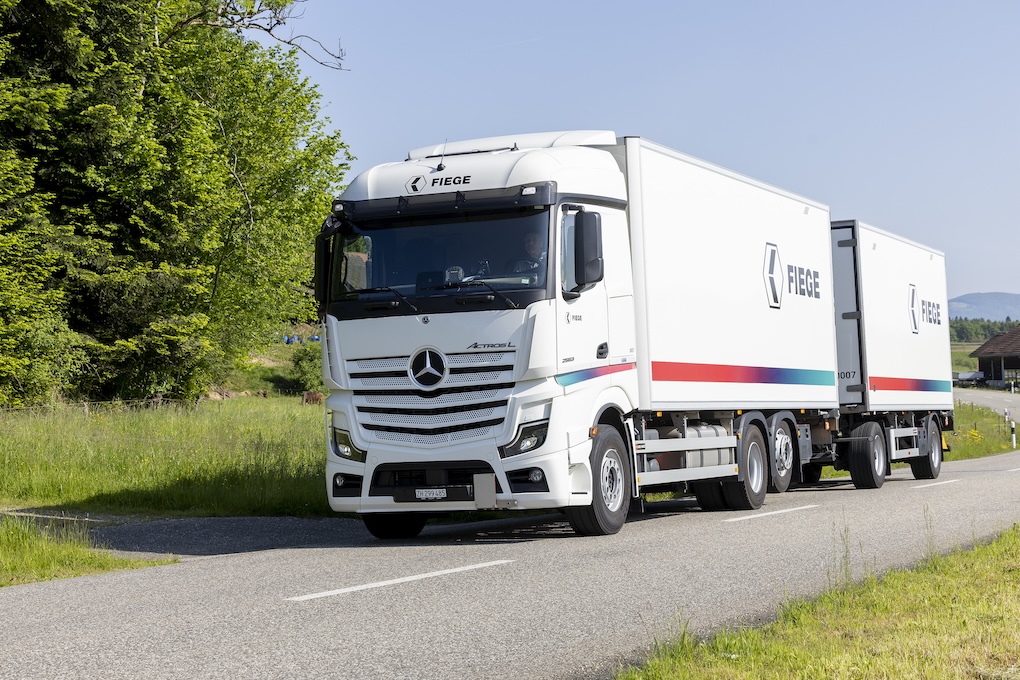
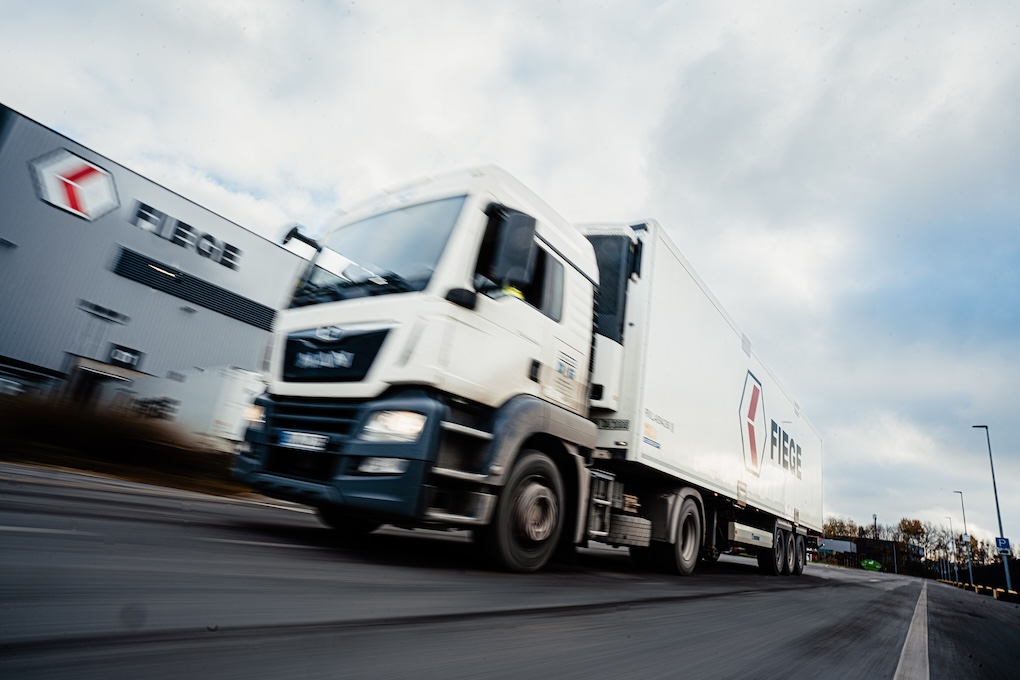
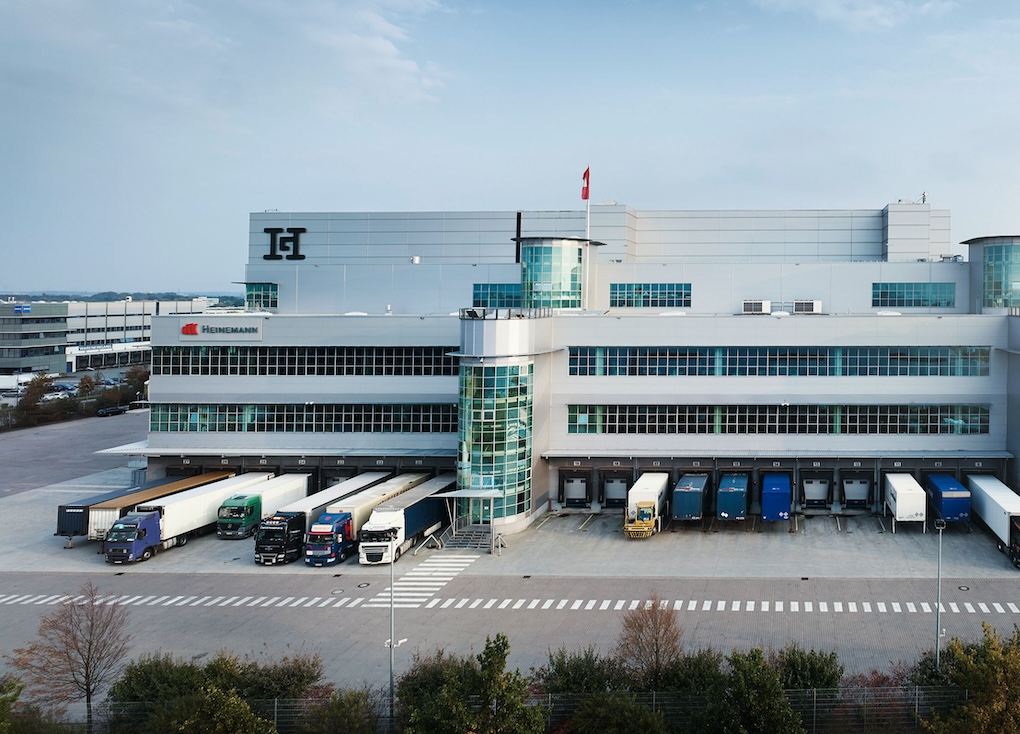
GERMANY. Diageo Global Travel and Gebr. Heinemann are employing logistics company Fiege’s hydrotreated vegetable oil (HVO) transport to deliver Diageo spirits to Gebr. Heinemann travel retail locations across Germany.
This trial involves heavy goods vehicles (HGV) running on biofuel instead of diesel, resulting in reduced environmental impact.
HVO is an intermediate solution for long-haul HGV decarbonisation produced from waste organic feedstocks such as used cooking oil. The traditionally diesel-powered HGVs do not require any modification to run on this fuel.
Trials have shown that using HVO instead of diesel reduces CO2 emissions by -88%.
In this instance, the HVO transport in Germany has the potential to save up to 85 tonnes of CO2 emissions annually by switching Heinemann’s Diageo deliveries to those carried out by Fiege’s HVO transport.
Diageo Global Travel Managing Director Andrew Cowan said: “There is no escaping the fact that Diageo products in the travel retail channel are moving around with a carbon cost.
“The more solutions we can find to reduce the carbon impact of the movement of our goods – and test and trial with our partners methods, which significantly reduce the amount of CO2 produced – the better.”
“We are so pleased that Heinemann was so receptive to trialling this. I hope we can expand beyond this first trial as we seek to do more to bring our ‘Society 2030: Spirit of Progress’ environmental ambition to life with customers and partners like Fiege and Heinemann in more locations.”
Gebr. Heinemann Director Compliance & Corporate Responsibility Saskia Möller added: “The project is driven by a common vision and aligned goals: We want to significantly reduce CO2 emissions in the supply chain, and we will do this by bringing together all supply chain stakeholders. The use of HVO as a truck fuel is an important step.”
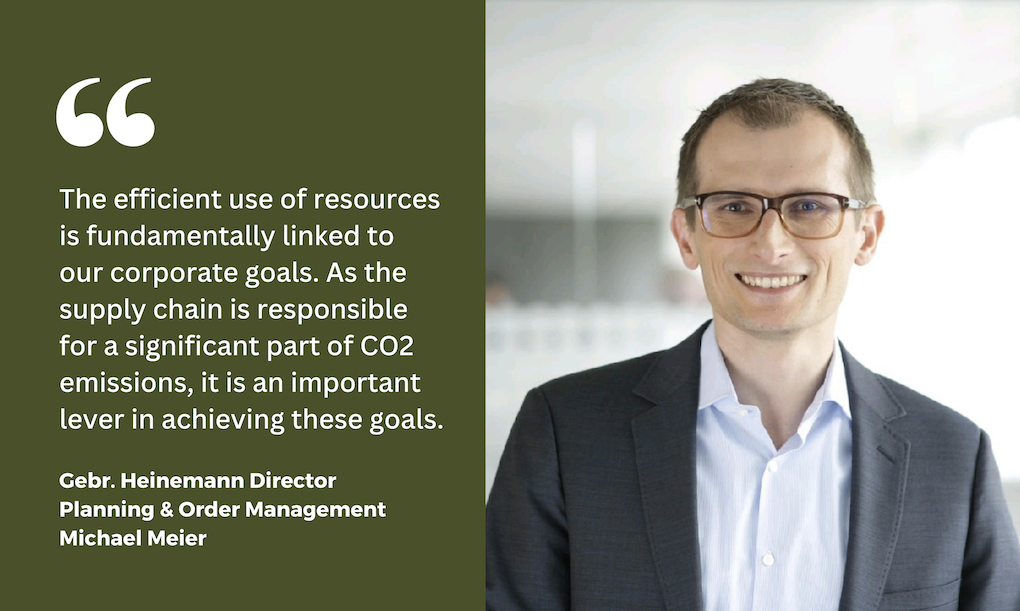
Gebr. Heinemann Director Planning & Order Management Michael Meier commented: “The efficient use of resources is fundamentally linked to our corporate goals. As the supply chain is responsible for a significant part of CO2 emissions, it is an important lever in achieving these goals.
“It requires collaboration of equally ambitious parties, and we are happy that we are able to realise this project together with our partners.”