

UK. Fever-Tree Retail Operations Director Craig Maitland speaks exclusively to The Moodie Davitt Report Senior Business Editor Mark Lane about the new London Gatwick Fever-Tree Bar & Kitchen, lessons learned from earlier concepts launched at Edinburgh and Manchester airports, and the premium drinks brand’s ambitions to build a scalable international airport hospitality business.
Fever-Tree is targeting international expansion of its airport hospitality concept as the premium drinks specialist opens its third airport venue – and its most comprehensive food & beverage proposition yet – at London Gatwick.
The new Fever-Tree Bar & Kitchen in the South Terminal builds on the brand’s airport presence at Edinburgh and Manchester. But Retail Operations Director Craig Maitland tells The Moodie Davitt Report the longer-term ambition is much bigger than developing a collection of UK airport bars.
“The real opportunity is to create a scalable model that can travel internationally,” he says. “Our strategy has always been about using a small number of flagship locations to create a model that can ultimately be taken into international airports and other high-footfall travel environments around the world.”
Fever-Tree, famed for its tonic range and already distributed in more than 100 countries, is actively exploring expansion through partnerships with experienced airport concessionaires and operators, Maitland reveals.
“The focus is on establishing a framework that can be adapted to different markets while retaining the elements that make the concept successful: premium long mixed drinks, strong local spirit partnerships, quality food and a distinctive sense of place,” he adds.
From airport bar to Bar & Kitchen
Gatwick marks a significant evolution of the concept. Edinburgh, opened in 2022, established the dedicated Fever-Tree airport bar, while the larger Manchester Airport Terminal 2 location, unveiled in January in a prime position immediately beyond Avolta’s new World Duty Free store, broadened the drinks repertoire and developed the physical proposition.
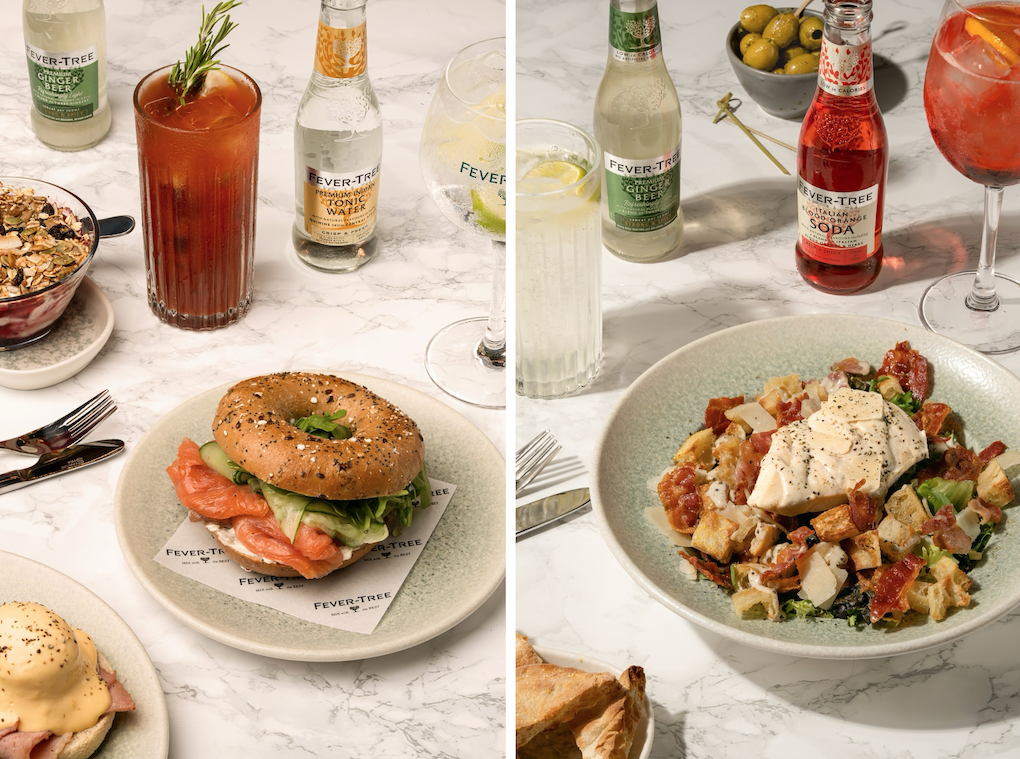
Gatwick takes another step with an all-day Bar & Kitchen offer spanning breakfast and barista-made coffee through to sharing plates, evening dining and an extensive drinks menu.
“The biggest learning is that passengers want something that feels distinctive, but it still has to work brilliantly as an airport operation,” Maitland explains. “They may have ten minutes or an hour, they may be travelling alone or with a family, and they could be looking for breakfast, a celebratory drink or simply somewhere comfortable to pause.”
He says Fever-Tree has deliberately avoided simply replicating its previous airport locations.
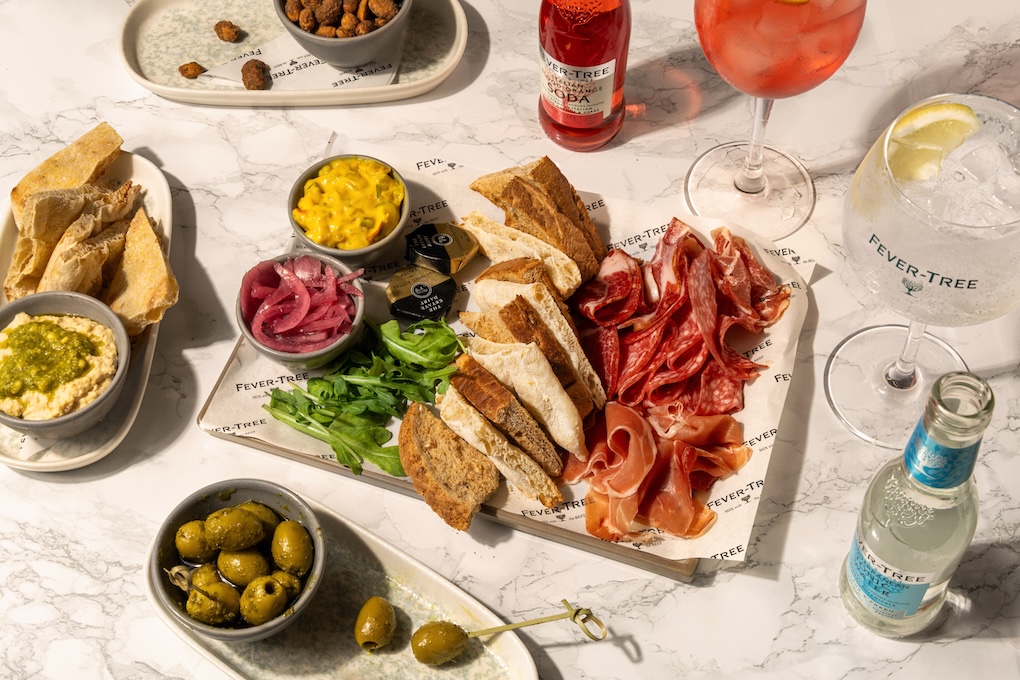
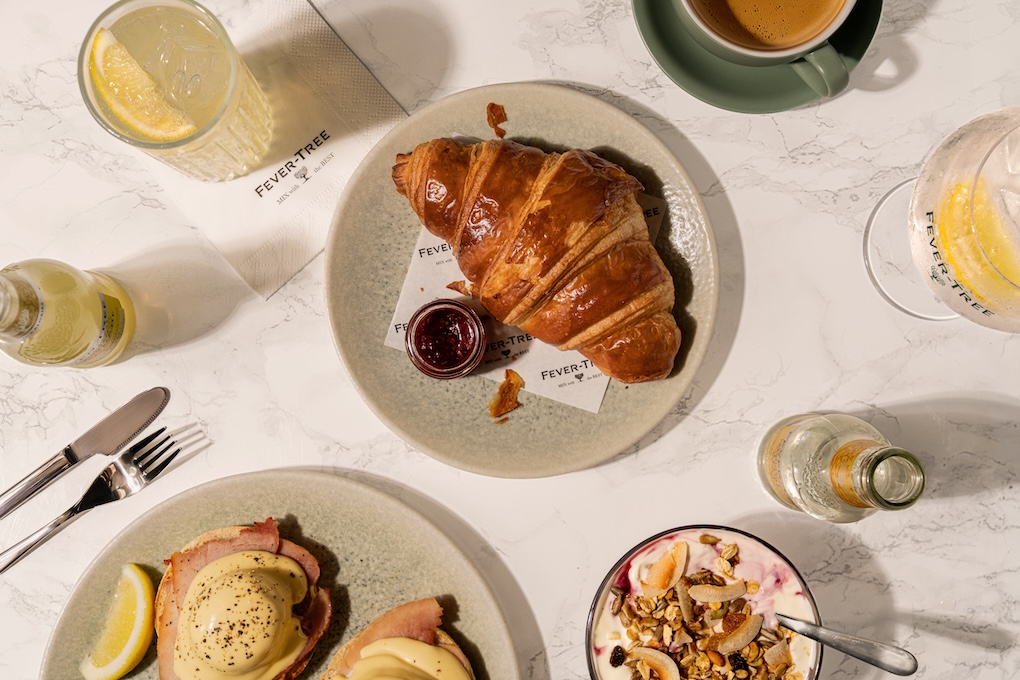
“Edinburgh proved there was an appetite for a properly executed, drinks-led concept with a strong identity. Manchester allowed us to evolve that into a larger, purpose-built space and broaden the range of long mixed drinks, cocktails and alcohol-free options.
“We have taken those lessons into Gatwick, but we have not simply copied either site. Gatwick is our most complete food and drink proposition so far.”
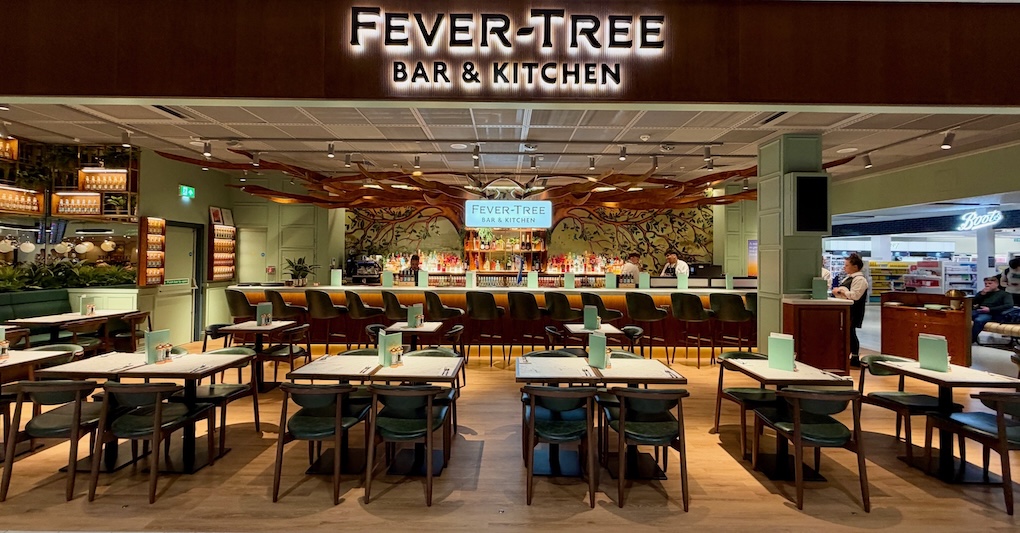
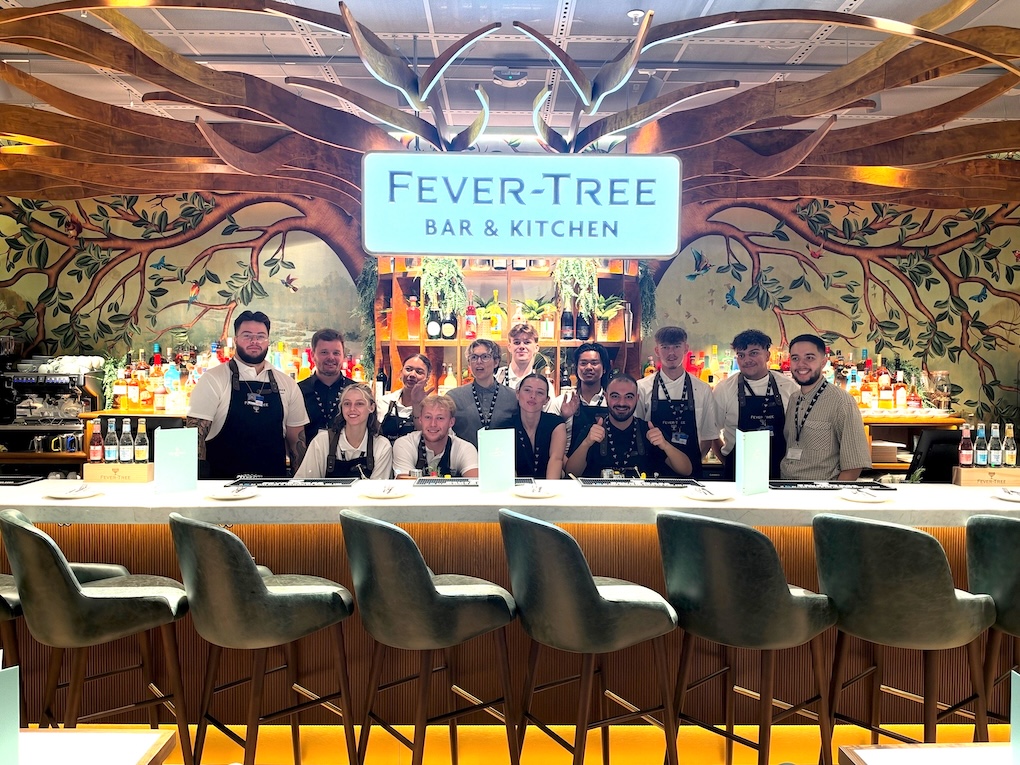
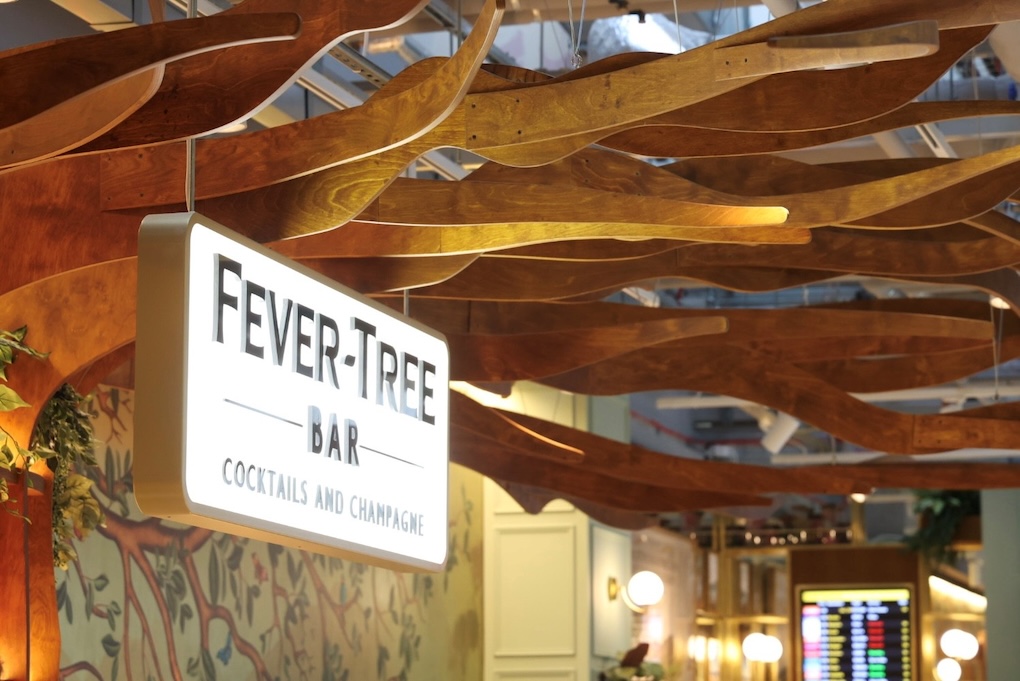
The venue features an open kitchen and broader mix of seating alongside the signature Fever-Tree canopy and natural, botanical design cues.
The drinks menu combines Fever-Tree products with local and national spirits, complemented by cocktails, Champagne, wines, beers and alcohol-free serves.
Noting London Gatwick’s status as one of Europe’s leading international gateways, Fever-Tree Co-Founder and CEO Tim Warrillow says the concept brings together “everything that defines our brand today, from premium long mixed drinks and cocktails to adult soft drinks, quality food and relaxed hospitality”.
Manchester performance builds confidence
Maitland says trading at Manchester since opening has been “very encouraging”, reinforcing Fever-Tree’s confidence in the concept and wider airport opportunity, although the company is not disclosing site-level financial figures.
He acknowledges its position immediately after duty free as an advantage but stresses: “That only creates the opportunity. The bar still has to give people a reason to stop.”
The formula, he says, combines a recognisable premium brand, striking environment, wide-ranging drinks menu and consistent execution.
“It is not simply a G&T bar,” Maitland notes. Mules, Spritzes, Palomas, Highballs and cocktails sit alongside Champagne, beer, premium soft drinks and alcohol-free alternatives.
“Importantly, it is not reliant on one drink, one type of traveller or one time of day.”
That versatility is central to Fever-Tree’s airport strategy.
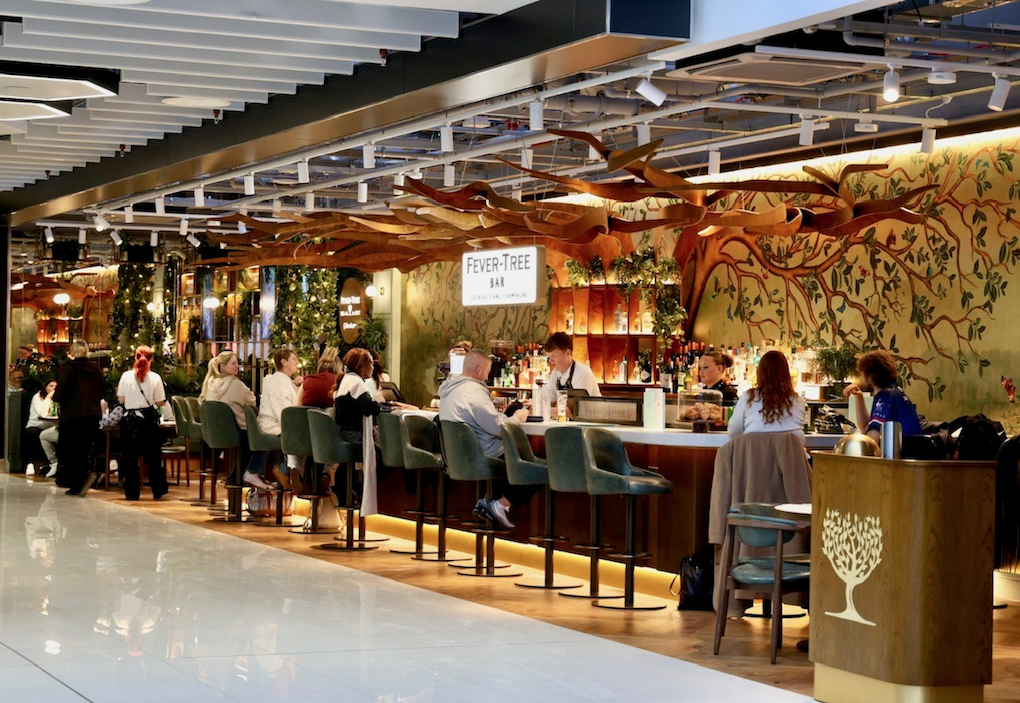
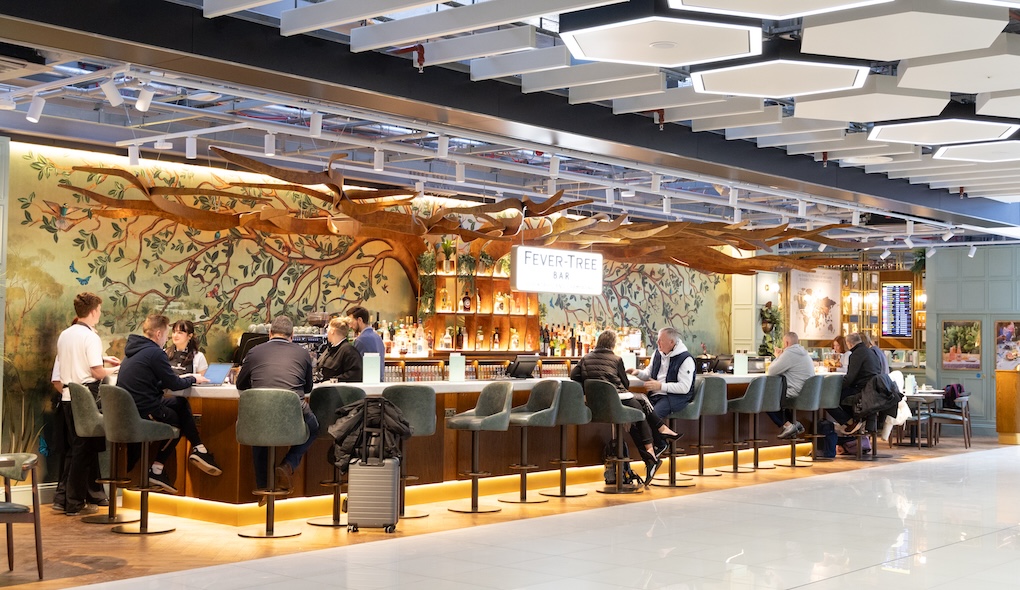
“Airports are naturally occasion-led,” Maitland says. “For many people, the trip starts once they are through security, and they are prepared to spend a little more on something that feels like a treat or marks the beginning of a holiday.
“That suits Fever-Tree because our whole proposition is about elevating the drinking occasion.”
The brand also aims to capitalise on airport dwell time by creating destinations rather than purely transactional branded bars.
“If the environment is welcoming and the service is good, people want somewhere to pause rather than simply transact,” Maitland says.
London Gatwick Chief Commercial Officer Jonathan Pollard says the new venue adds choice to the airport’s F&B offer while celebrating local and regional producers by pairing their products with Fever-Tree’s mixer portfolio.
“We’re committed to continually enhancing the passenger experience,” he says, adding that the partnership will help more passengers “enjoy high-quality food and drink before they fly”.
A model designed to travel
Maitland sees considerable potential to transfer the concept internationally.
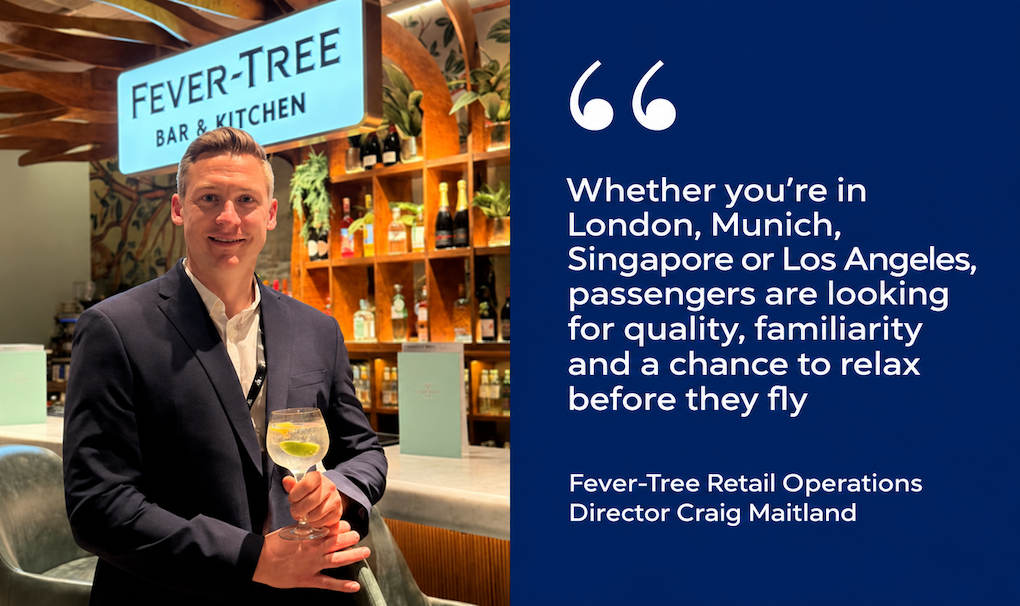
“In many ways, airports are one of the most internationally consistent hospitality environments in the world. Whether you’re in London, Munich, Singapore or Los Angeles, passengers are looking for quality, familiarity and a chance to relax before they fly.”
Importantly, international expansion would not mean imposing an identical Fever-Tree offer in every airport.
Around 40% of the menu can be tailored to local tastes, Maitland reveals, allowing venues to showcase regional spirits, producers and drinking trends while retaining a consistent Fever-Tree core.
“The model is deliberately flexible,” he says. “That’s why our focus now is on building relationships with the right airport and concession partners.”
The airport estate also has strategic value beyond direct commercial returns. Maitland describes the bars as “live innovation and learning environments” where Fever-Tree can test seasonal ideas, identify successful serves and track consumption patterns across the day.
They also provide a physical showcase for the brand.
“They allow people to experience Fever-Tree as we intend it to be served: the right spirit pairing, plenty of ice, the right garnish and a well-trained team,” Maitland says.
He is careful not to overstate the connection between that experience and subsequent purchases elsewhere.
“I would not try to claim a direct sales conversion we cannot prove, but the bars clearly give us a valuable physical showcase in front of a large and internationally diverse audience.”
Edinburgh proved the concept, Manchester expanded it and Gatwick has now broadened it into an all-day food & beverage proposition. The next step in Fever-Tree’s airport journey could take the brand considerably further afield.