


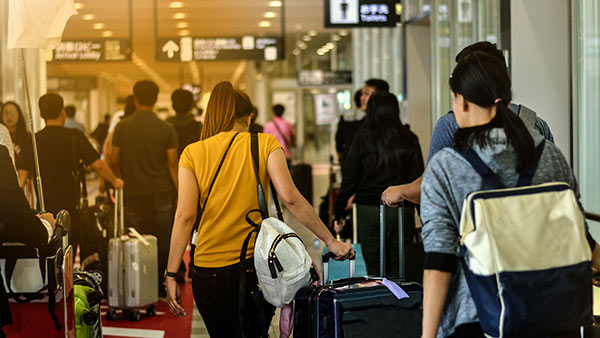
INTERNATIONAL. Global tourist arrivals climbed by +20% year-on-year to reach 97% of the numbers registered in pre-pandemic 2019, according to the latest World Tourism Barometer by the UN World Tourism Organization (UNWTO).
The number of tourists travelling internationally during the first three months of the year stood at 285 million, reflecting the strong rebound of global tourism, which is expected to exceed 2019 levels by the end of the year.
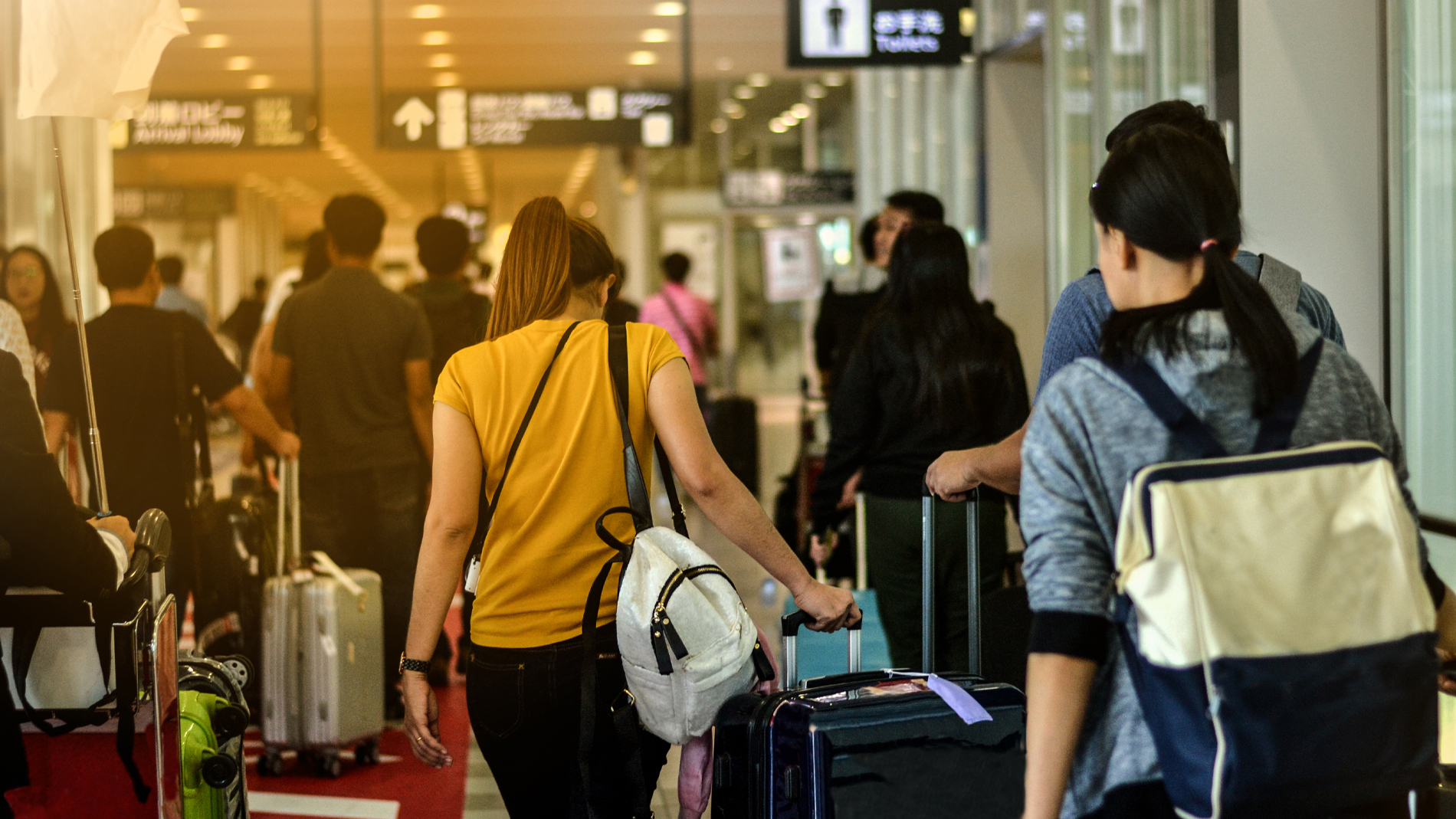
The robust recovery was led by the Middle East, which posted a +4% year-on-year rise in international arrivals in Q1, surpassing pre-pandemic figures by +36%. The region recorded the most notable improvement last year, becoming the first to return to pre-pandemic numbers.
Europe, the world’s most-visited destination, saw international arrivals go beyond 2019 levels for the first time (+1% from Q1 2019). The region welcomed 120 million international tourists in the January-April period, supported by intra-regional demand.
Tourist arrivals in Africa were +5% higher than in Q1 2019, and up +13% year-on-year.

In the Americas, tourist arrivals bounced back to 99% of 2019 levels.
A rapid recovery in global tourism was seen in Asia Pacific with arrivals hitting 82% of pre-pandemic levels, after recovering 65% in 2023.
UN Tourism Secretary-General Zurab Pololikashvili said: “The recovery of the sector is very welcome news for our economies and the livelihoods of millions. Yet it also recalls the need to ensure adequate tourism policies and destination management, aiming to advance sustainability and inclusion, while addressing the externalities and impact of the sector on resources and communities.”
By subregions, North Africa led the growth in Q1 with international arrivals reaching 23% of pre-pandemic figures. It was followed by Central America (+8%), the Caribbean and Western Europe (both +7%).
Tourist arrivals in Southern Mediterranean Europe surpassed pre-pandemic levels by +1%, while South America nearly returned to 2019 levels. Northern Europe reached 98% of 2019 figures, while Subsaharan Africa and North America both recovered 95%.

Data cited by the UNWTO suggests that many destinations across the world continued to achieve strong results in Q1 2024, including Qatar (+177% versus Q1 2019), Albania (+121%), Saudi Arabia (+98%), Tanzania (+53%), Curaçao (+45%), Serbia (+43%), Turks and Caicos (+42%), Guatemala (+41%) and Bulgaria (+38%).
The solid growth in global tourism was also reflected by the UN Tourism Confidence Index, which reached 130 points (on a scale of 0-200) for the January-April period, above the expectations (122) expressed for this period in mid-January.
The latest UNWTO data highlights the economic impact of recovery. International tourism receipts reached US$1.5 trillion in 2023, marking a complete recovery of pre-pandemic levels in nominal terms, but 97% in real terms, adjusted for inflation.
Several regions posted sharp increases in international tourism receipts during the year, with Europe generating the highest in 2023 with destinations earning US$660 billion, +7% above pre-pandemic levels in real terms.
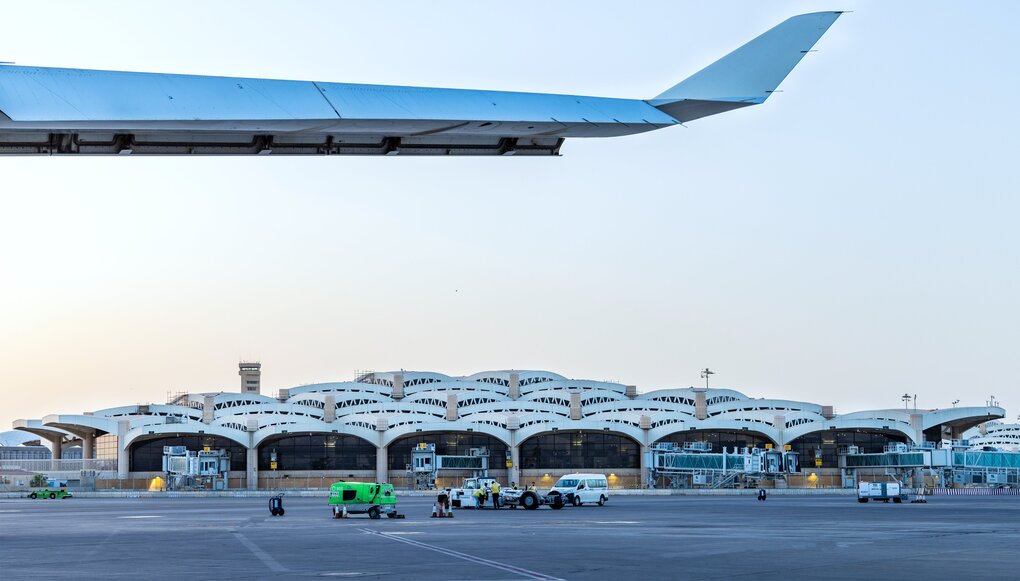
Receipts in the Middle East surged by +33%, surpassing the figures recorded in 2019. The Americas recovered 96% of its pre-pandemic earnings in 2023 and Africa 95%. Asia Pacific earned 78% of its pre-crisis receipts, a notable result when compared to its 65% recovery in arrivals last year.
The strong rebound of global travel demand is also reflected in the significant growth in total export revenues from international tourism, including both receipts and passenger transport, which hit US$1.7 trillion in 2023. The figure reached almost 96% of 2019 figures in real terms.
Tourism-direct GDP also rebounded to pre-pandemic levels, reaching an estimated US$3.3 trillion last year, equivalent to 3% of global GDP.
Destinations which saw the most notable results in terms of tourism receipts during Q1 compared to 2019 levels (based on available data) included Serbia (+127%), Türkiye (+82%), Pakistan (+72%), Tanzania (+62%), Portugal (+61%), Romania (+57%), Japan (+53%), Mongolia (+50%), Mauritius (+46%) and Morocco (+44%).

Looking ahead, strong travel demand, increased air connectivity and a stronger recovery of Asian markets are expected to underpin a full recovery in global tourism by the end of 2024.
The positive outlook is echoed in the latest UNWTO Tourism Confidence Index survey, amid the bright prospects for the upcoming summer season. Almost two-thirds (62%) of tourism professionals suggested better or much better results for May-August compared to the same period of the previous year. Some 31% expect the same performance as in 2023.
Despite the continued recovery in global tourism, the UN Tourism Panel of Experts warned of economic and geopolitical headwinds, which may significantly impact international tourism and confidence levels.
Citing IMF’s latest World Economic Outlook (April 2024), UNTWO indicated a “steady but slow” economic recovery, though mixed by region.
The lingering inflation, high interest rates, volatile oil prices and disruptions to trade are likely to continue to affect transport and accommodations costs.
UNTWO said: “Tourists are expected to continue to seek value for money and travel closer to home in response to elevated prices and the overall economic challenges, while extreme temperatures and other weather events could impact the destination choice of many travellers. This is increasingly mentioned by the UN Tourism Panel of Experts as a concern for the sector.
“Uncertainty derived from the Russian aggression against Ukraine, the Hamas-Israel conflict and other mounting geopolitical tensions, are also important downside risks for international tourism.
“As international tourism continues to recover and expand, fuelling economic growth and employment around the world, governments will need to continue adapting and enhancing their management of tourism at the national and local level to ensure communities and residents are at the centre of this development.” ✈