

NORTH AMERICA. Technology, intelligence and experience company PMY Group, which has been transforming live event environments since 2009, has its sights set on expanding further in the airport space, saying its solutions can support commercial revenue growth.
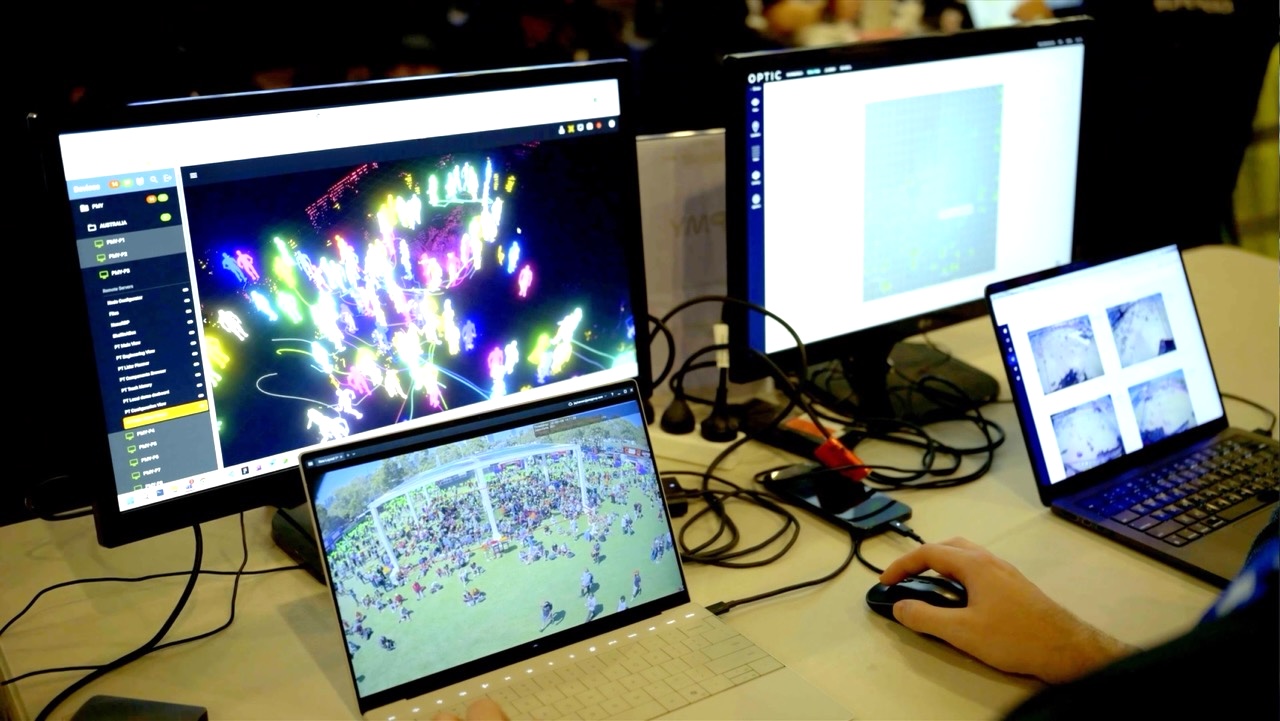
PMY’s crowd intelligence platform Optic gives airports, retailers, venues and event operators real-time understanding of people and their behaviour, the company told The Moodie Davitt Report.
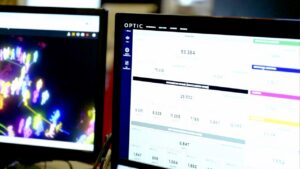
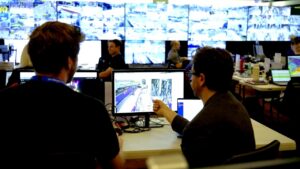
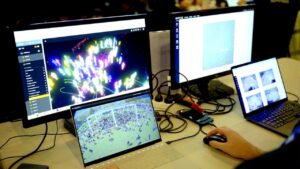
The technology analyses crowd movement using existing CCTV systems, LiDAR sensors and data sources including ticketing to provide insights into guest behaviour, queue lengths, dwell times and operational bottlenecks.
Optic has already been deployed at Vancouver, Calgary and Kelowna airports in Canada, and at big events such as the Australian Formula 1 Grand Prix, Winter Wonderland in the UK, and at the home of the New York Mets baseball team in the USA.
PMY Chief Technology Officer Joe Costanzo says the company’s solution helps airports extract more value from the assets, infrastructure and data they already have.
“Our crowd intelligence platform Optic helps airport operators understand how people move through terminals in real time, including details on where queues form, where passengers dwell, where they hesitate, and how those patterns change throughout the day,” says Costanzo.
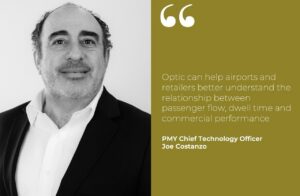
“That intelligence can support better operational decisions, from queue management and staffing through to cleaning, maintenance, wayfinding and terminal planning. It can also help airports and retailers better understand the relationship between passenger flow, dwell time and commercial performance.”
He noted one of the biggest commercial opportunities for airports is increasing the quality of time passengers have after security.
“If passengers move through processing more efficiently and with less stress, they are more likely to engage with dining and retail.
“For retailers, the value is not just counting traffic. It is understanding the journey: which areas attract attention, where customers dwell, how activations perform and how layout or product placement changes can influence interaction and lead to conversion.”
Costanzo says PMY’s ambition is for Optic to become the intelligence layer airports use to connect passenger movement, operational data, and spatial data, helping them run more efficiently, improve the traveller experience and unlock stronger commercial outcomes.
Addressing why PMY’s sport and major event experience translates well to aviation, Costanzo says: “Major events, stadiums and airports all share a common challenge: they are busy live environments where decisions need to be made quickly, using trusted information.
“PMY has more than 30 years’ experience helping major stadiums and events manage crowds in real time, and that capability translates naturally into aviation.”
He adds, “The airport opportunity is particularly compelling because Optic can frequently leverage existing infrastructure, including CCTV, and combine it with other data sources where required. That means airports can begin building a richer intelligence layer without necessarily needing large-scale new hardware investment.”
Vancouver Airport has used Optic since 2023 to better understand traveller flow and wait times across domestic terminal security checkpoints. The platform delivers insights within seconds, allowing staff to monitor conditions in real time and to respond to changing demand.
The technology can support queue management and operational decision-making. For example, passenger volumes within terminal spaces can inform heating, ventilation and air-conditioning requirements, helping teams align energy consumption with occupancy levels.
Optic data has also been integrated into the airport’s digital twin environment, enabling operations teams to model passenger movements and analyse the impact of flight schedules, weather disruptions, staffing changes and other operational variables.
At Kelowna Airport, the platform is used more broadly to understand passenger movement throughout the terminal, including how travellers interact with retail and hospitality offerings.
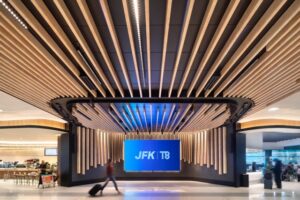
PMY has also been delivering technology design and integration projects for airport operators globally, including recent work at New York JFK Terminal 8.
Costanzo says PMY supported retail management company ASUR Airports across several technology initiatives in T8, including the design and delivery of ‘The Show’, the terminal’s dedicated entertainment and activation space featuring a large-format LED video wall, integrated AV systems and cloud-based content management. [Click here for our recent on-location report.]
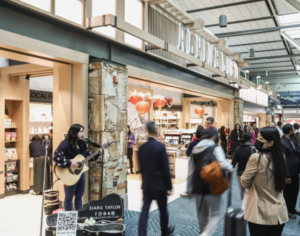
This central space was designed to host a rotating programme of content, including local live performing talent; streaming content such as live sport or seasonal films and providing a quality setting for brand activations taking place throughout the year.
PMY also supported the implementation of interactive food & beverage ordering kiosks and managed the end-to-end technology delivery of Terminal 8’s interactive digital wayfinding network.
The wayfinding solution (powered by PAM software) enables passengers to interact with cutting-edge smart navigation mapping technology to plan their route through the airport.
It also allows navigation instruction to be handed off to passengers’ mobile devices, while also giving ASUR visibility on the back-end to review engagement statistics, usage patterns and passenger flow data to support improvements to the terminal journey.
Costanzo says: “Our expertise across crowd intelligence, technology design and experience helps airport operators and retail precincts better understand, plan for and manage the movement of people. Drawing on decades of experience delivering complex live environments around the world, we help clients create safer, more efficient and more commercially successful places.” ✈