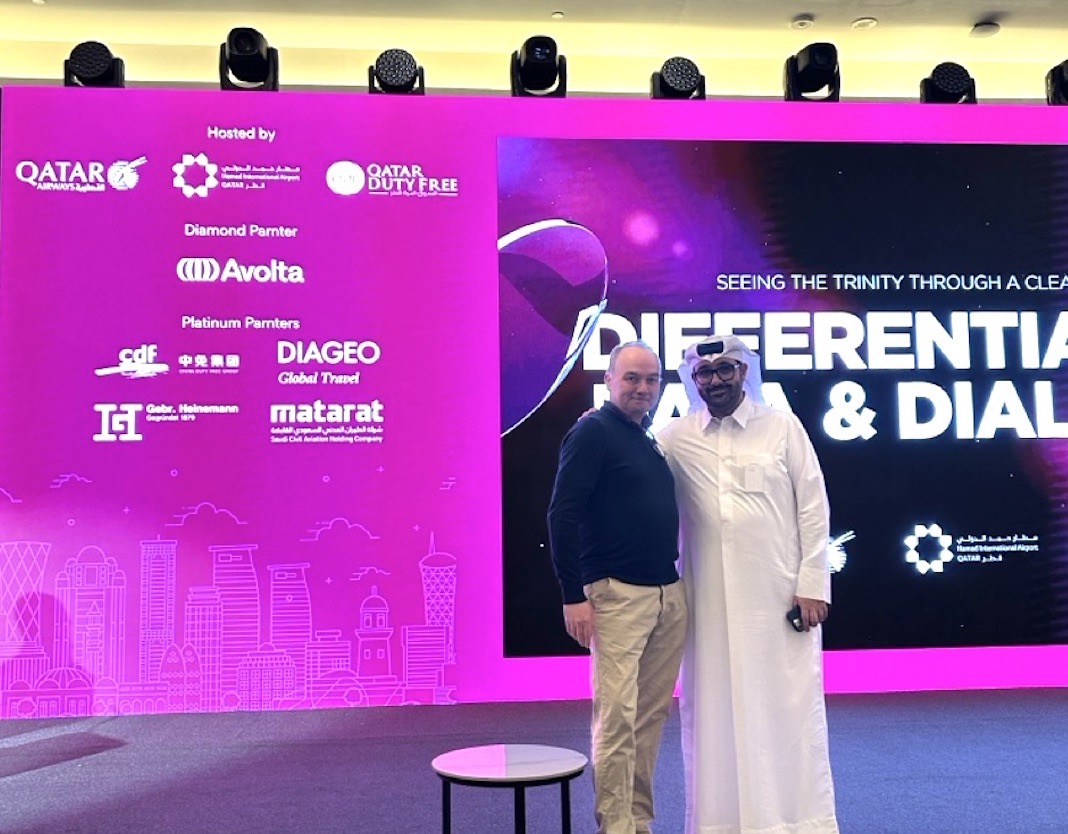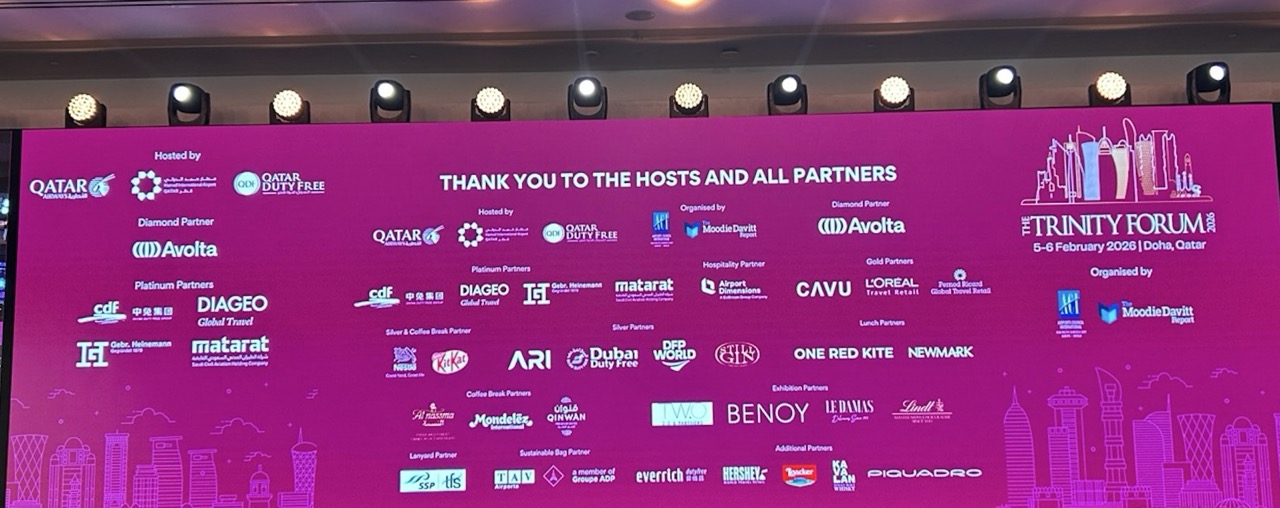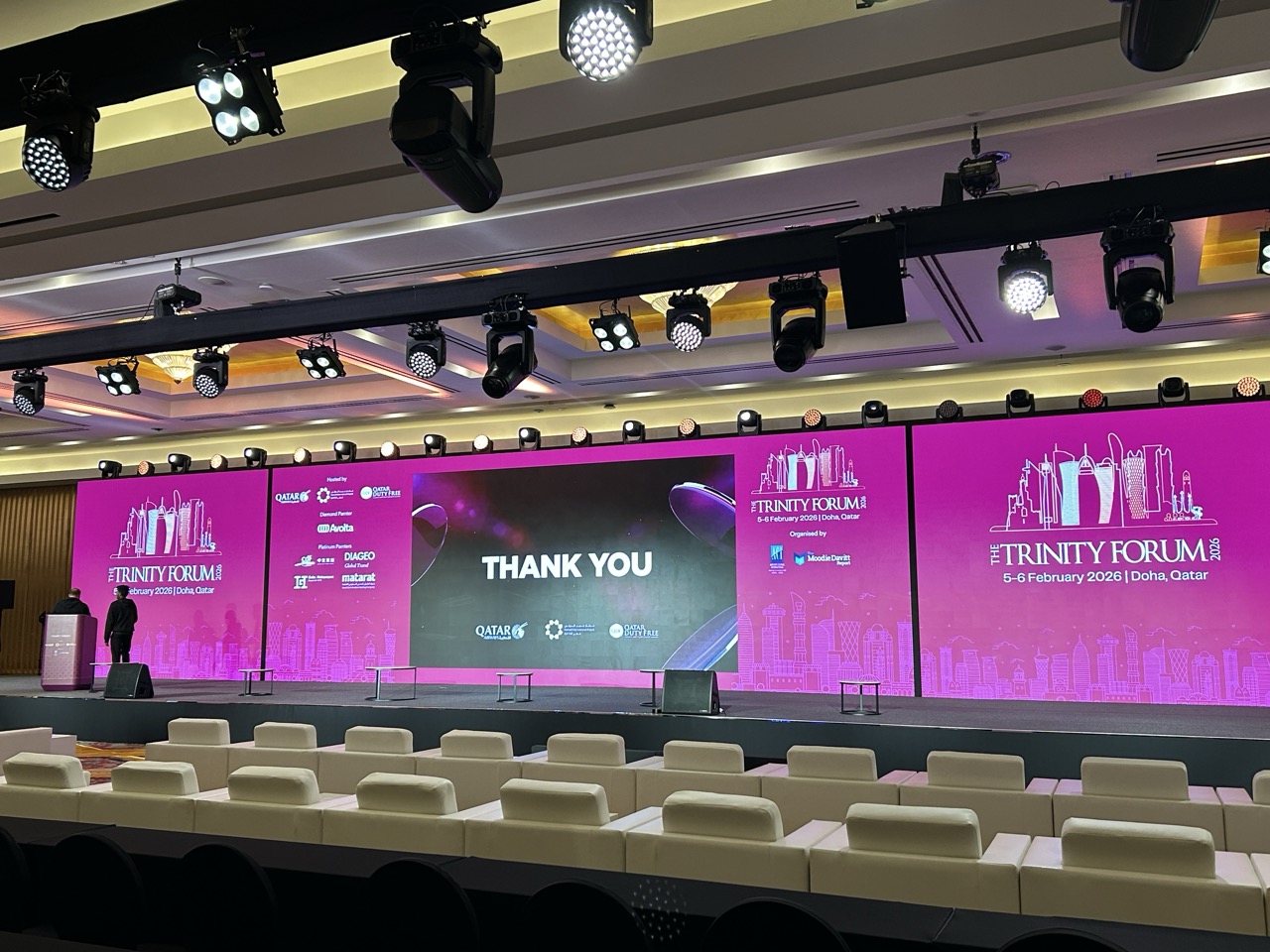


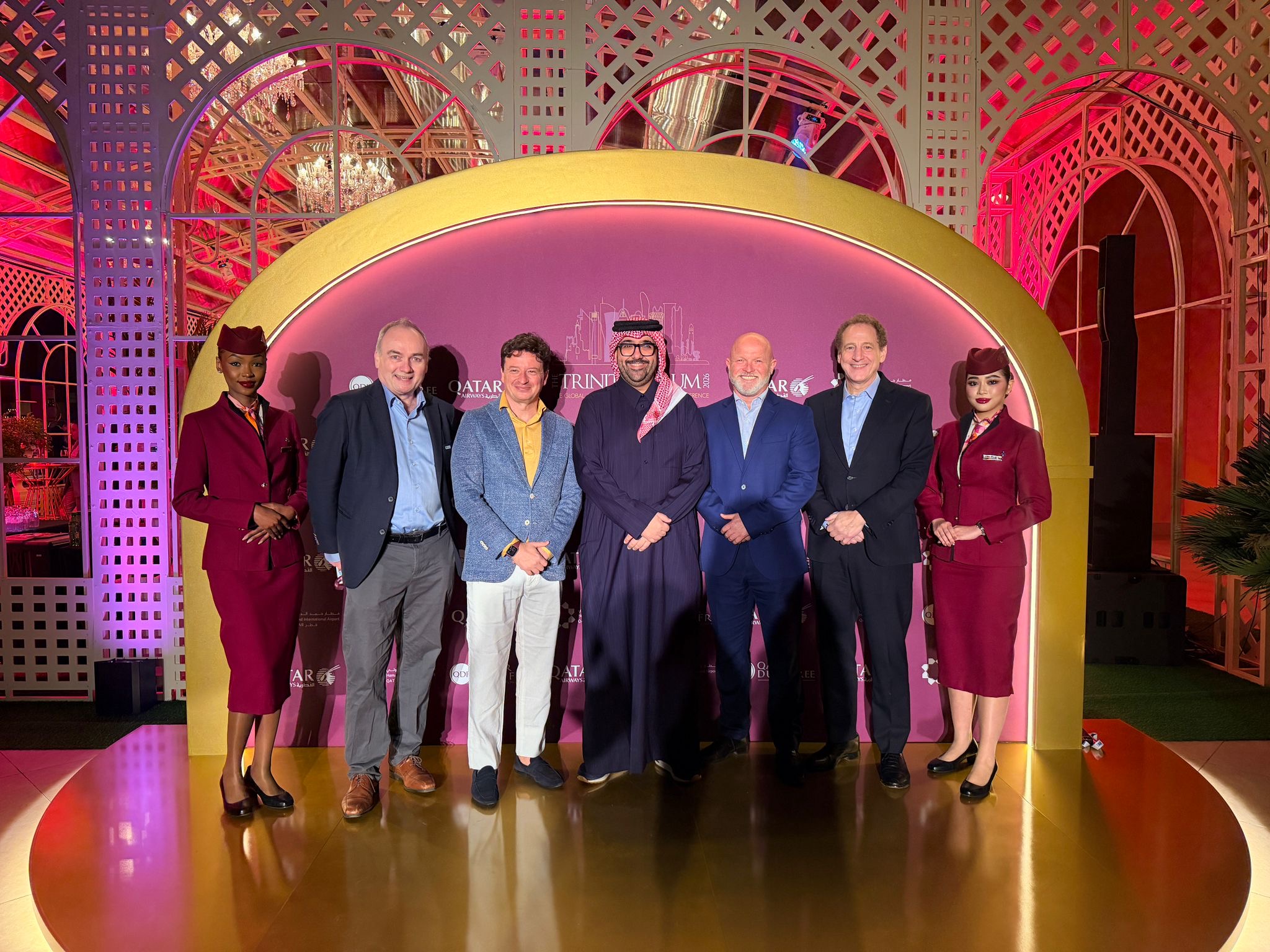
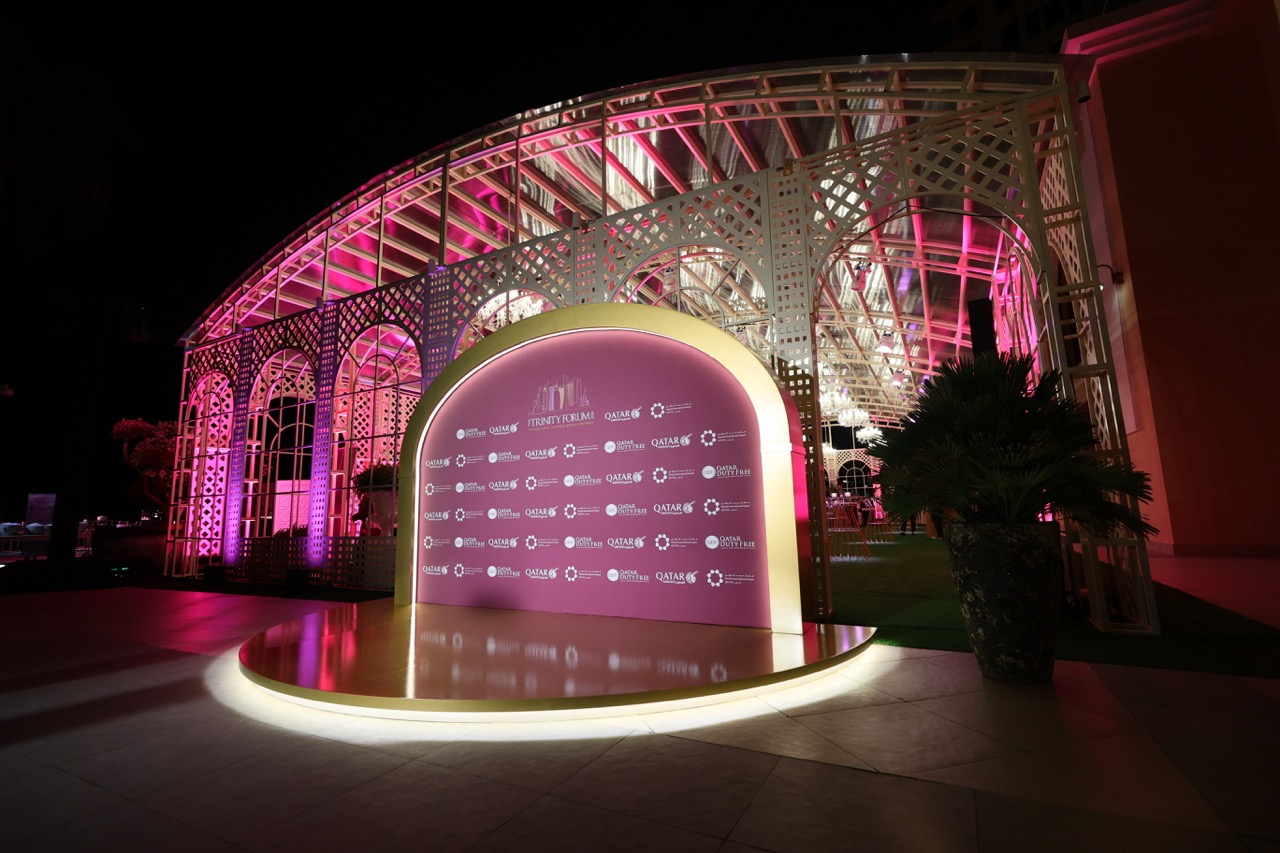
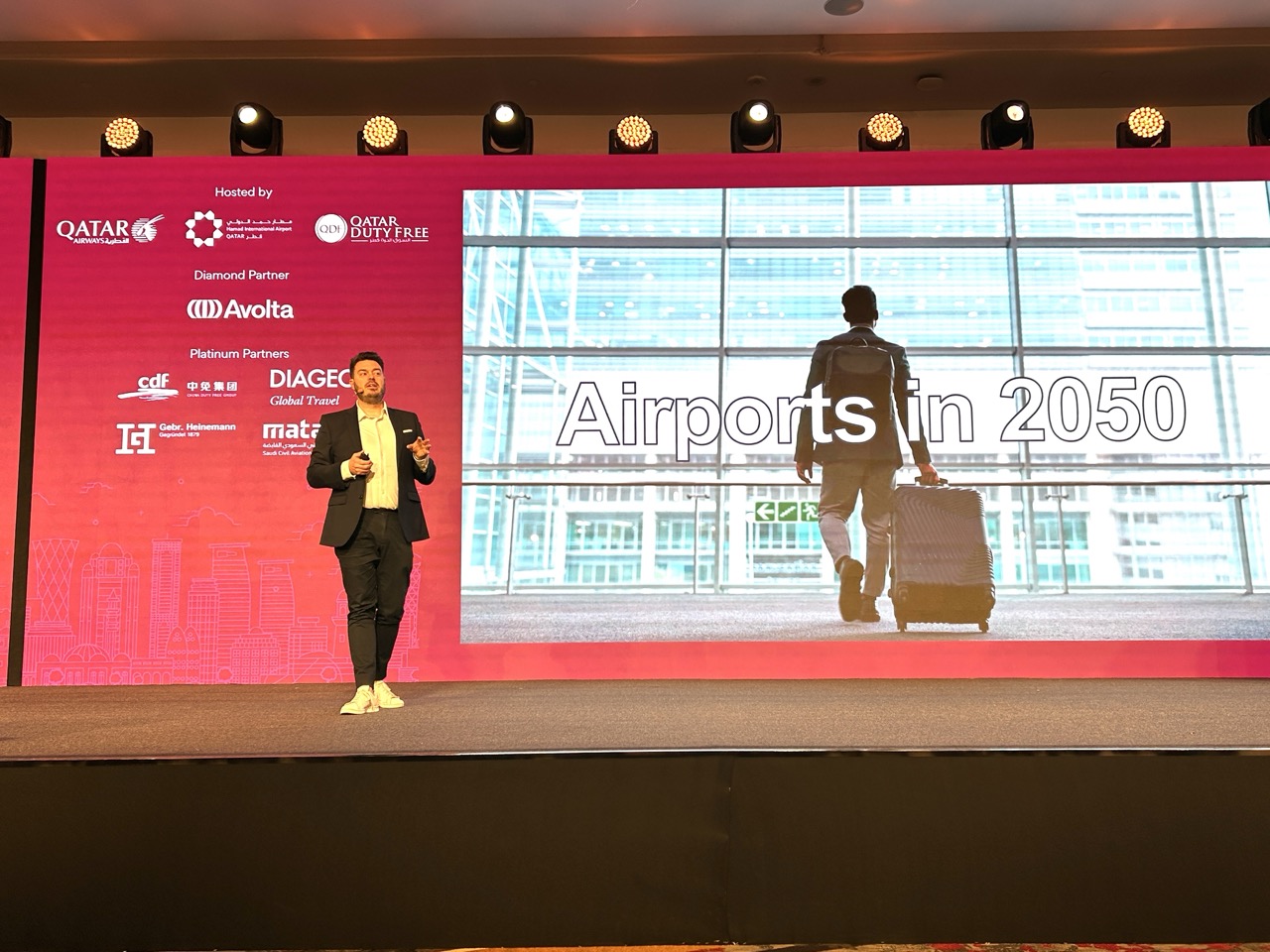
QATAR. Welcome to our coverage of The Trinity Forum 2026, which came live from The St. Regis, Doha (5-6 February), hosted by Qatar Airways, Hamad International Airport and Qatar Duty Free.
The Trinity Forum is owned by The Moodie Davitt Report and co-organised in a highly successful long-term partnership with Airports Council International (ACI) Asia Pacific & Middle East and ACI World. From 2026, ACI Europe also joins as a partner, which marks a significant enhancement to the event’s scope and influence.
Below we capture highlights of a packed, high-quality agenda from the world’s most influential airport commercial revenues conference.
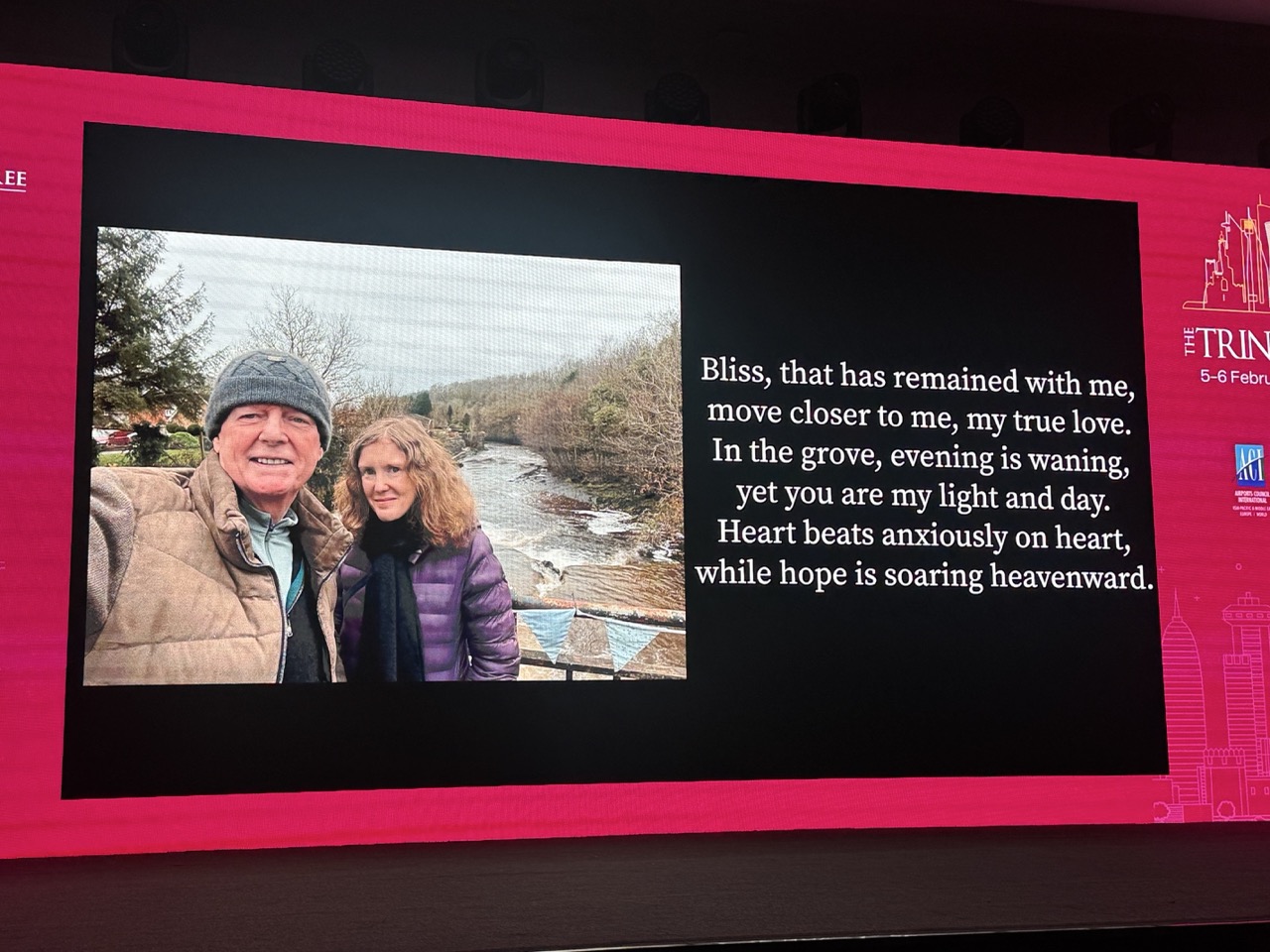
The first day began on a sombre tone as The Moodie Davitt Report President Dermot Davitt paid tribute to his colleague, Chief Operating Officer Sinead Moodie, daughter of The Moodie Davitt Report Founder & Chairman Martin Moodie. Sinead tragically passed away on Sunday (1 February) after a valiant seven-month fight against cancer.
Below (most recent at the top) you can find snapshots of the event.
Friday, 6 February
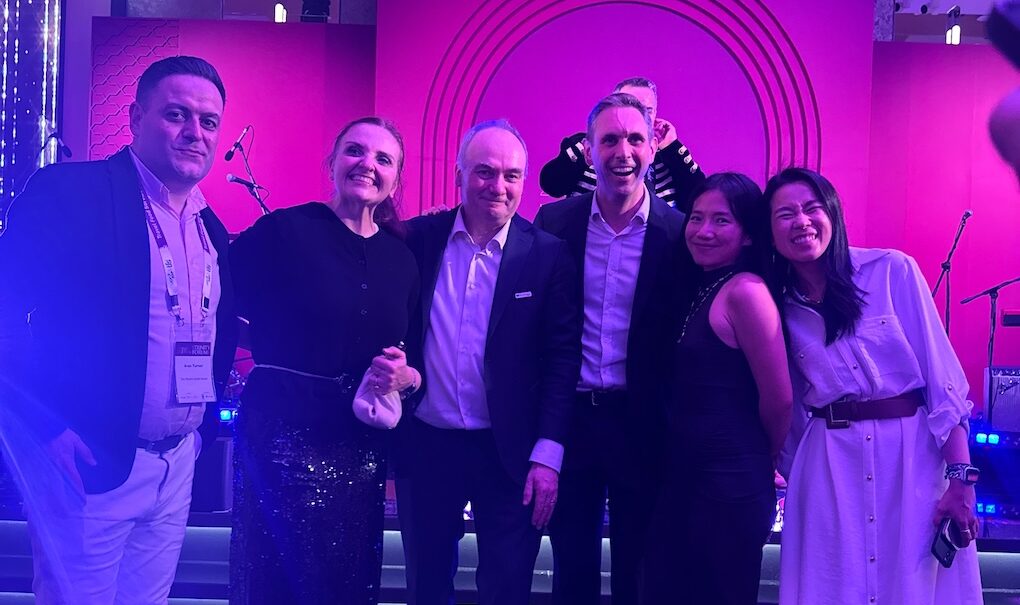
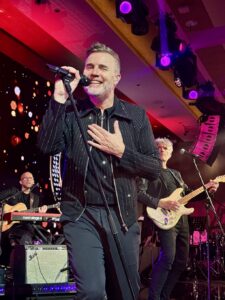
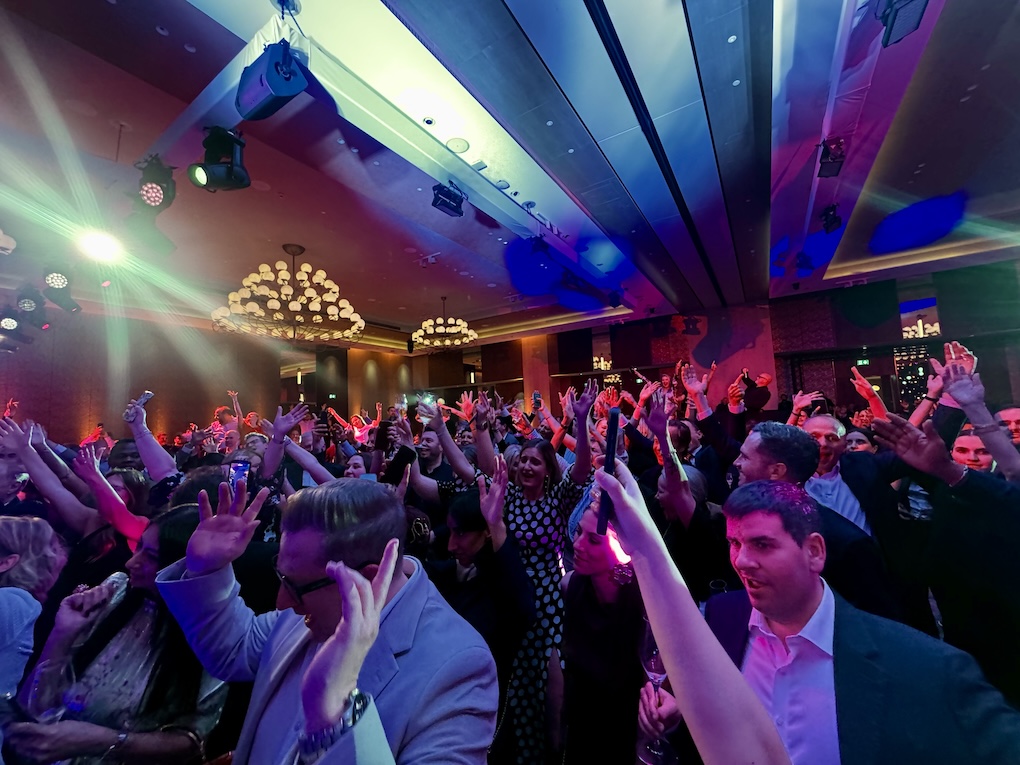
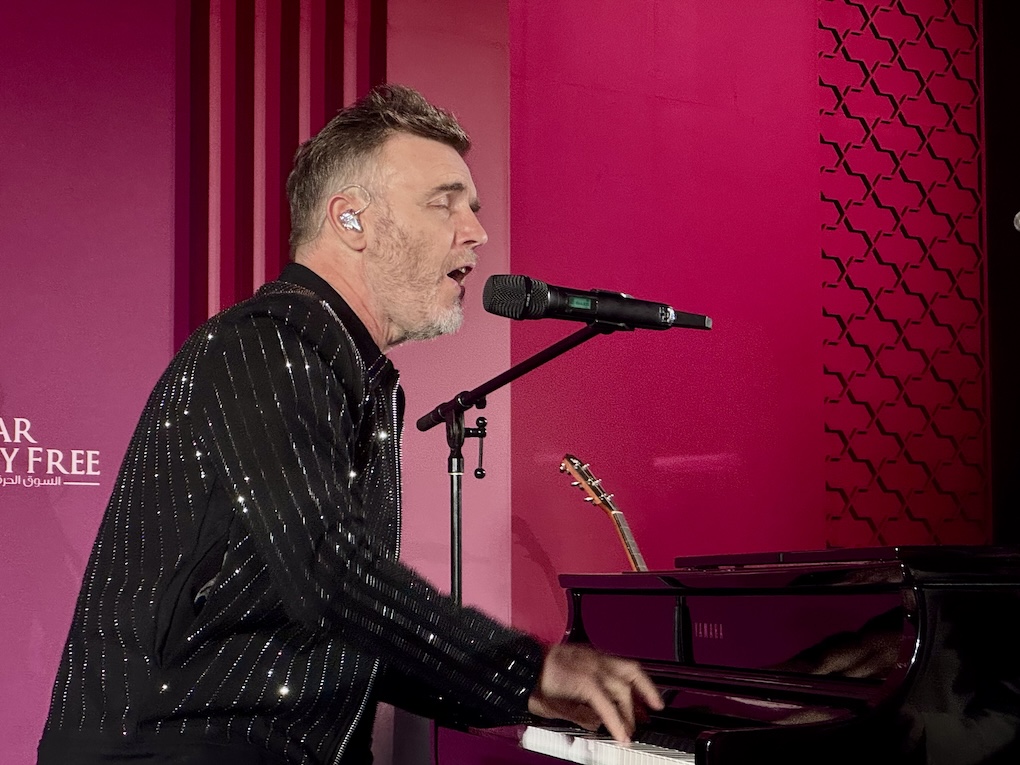
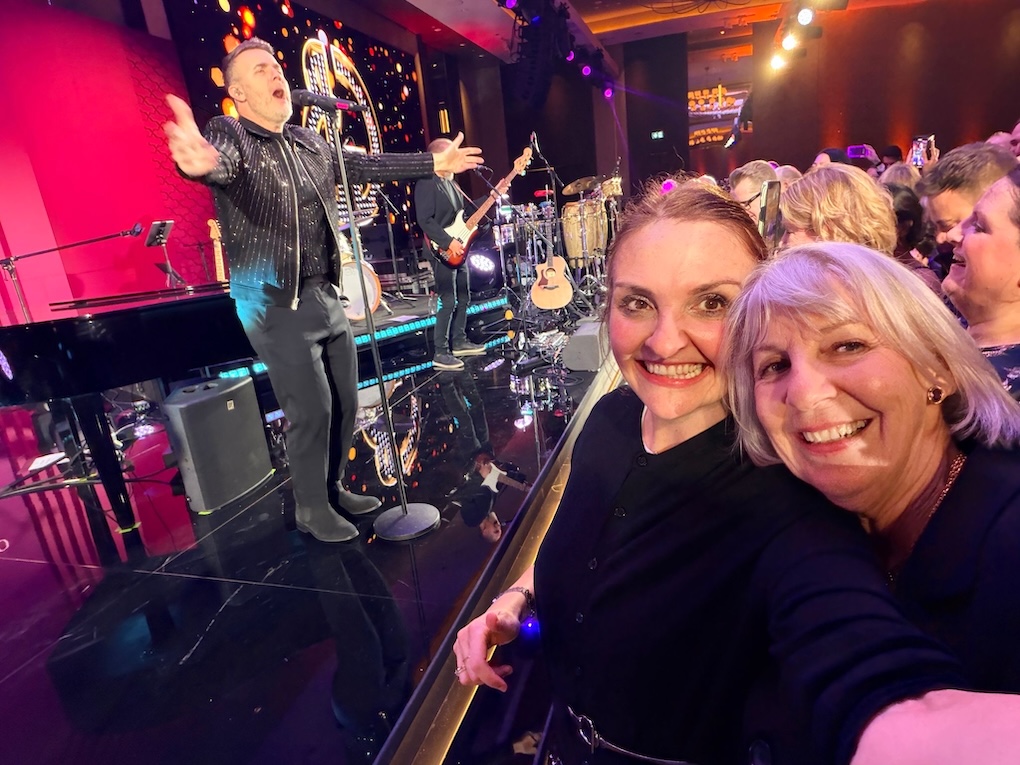
The Trinity Forum 2026 closed on a high note with a surprise performance from singer-songwriter and Take That star Gary Barlow, delivering a memorable finale to the Doha gathering.
The acclaimed performer’s appearance brought delegates together in a celebratory moment with his set providing a fitting and uplifting conclusion to two days of collaboration, discussion and networking.
The Trinity Prize unveiled
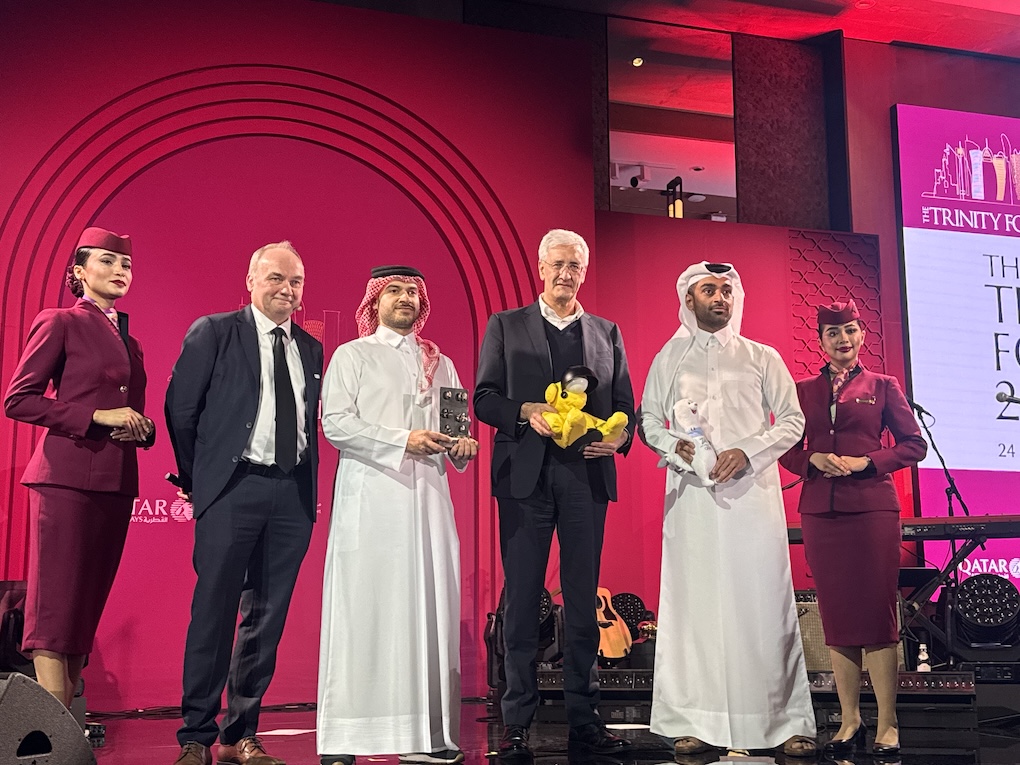
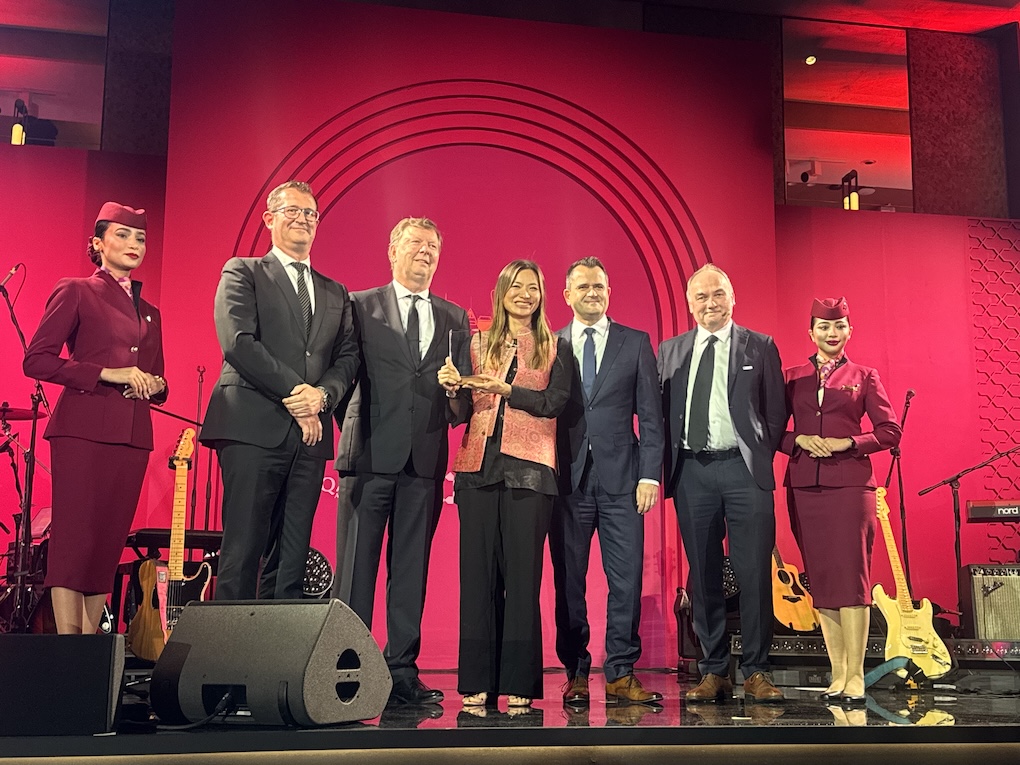
During the gala dinner, The Moodie Davitt Report President and Editorial Director Dermot Davitt presented the two winners of The Trinity Prize 2026 for Outstanding Stakeholder Collaboration.
As noted earlier, our industry is so overflowing with awards that we decided – in line with The Trinity Forum’s select positioning – to call these distinguished accolades The Trinity Prize.
Our first Trinity Prize of this year’s event was presented during The Trinity Forum this afternoon, as we honoured a special individual for their Outstanding Contribution to the Airport Commercial Revenues Sector – Changi Airport Group Executive Vice President of Commercial Peck Hoon Lim
Introducing the first of tonight’s two accolades, he said: “A Trinity partnership? Well, yes. But more. A Quaternity partnership perhaps? Well, yes… but more. How about a Pentarchy partnership – in other words, a five-fold collaboration that brought together a brand, a retailer, an airport… an airline… and a far-reaching social media platform?
“It was a channel first for the region, featuring a fantastically exuberant pop-up inspired by nightlife and music culture. It combined the experiential, the educational, a voyage of discovery across multiple touchpoints across every touchpoint of their journey – from inflight media to digital platforms and interactive retail spaces.
“The project also served as a platform for the brand’s admirable and acclaimed campaign against partner violence. What an astoundingly well thought out and successful collaboration – uniting airline, airport, retailer, brand and media partners.
“The first of our two winners for The Trinity Prize 2026 for Outstanding Stakeholder Collaboration goes to….
“L’Oréal Travel Retail, Avolta and Ezeiza International Airport for YSL Beauty Light Club.”
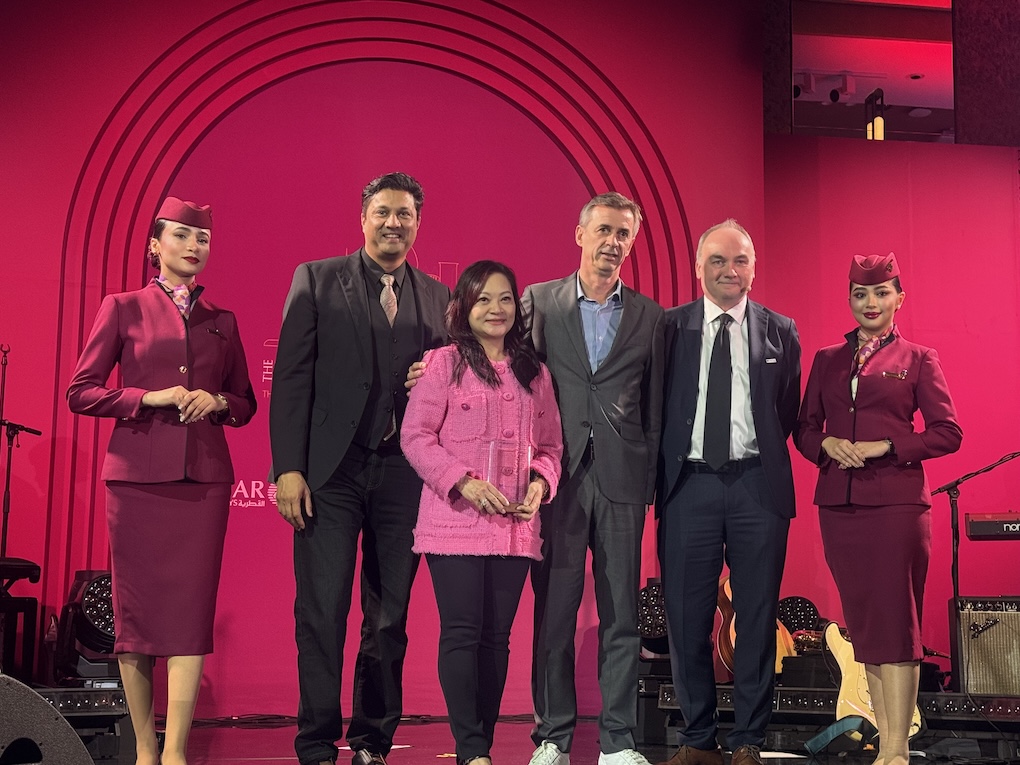
Presenting the second winners, Davitt said: “This airport and this retailer partnered with a brand that is almost too hot to touch and yet everyone – and I mean everyone, young and old – wants to touch. Joy, discovery and culture, all in one gloriously infectious concept.
“Travel retail exclusivity? Tick. On-trend? Tick. Positive for an airport’s revenue and its reputation? Double tick. Successful? More ticks than you could fit into the brightest student’s schoolbook.
“Our second Trinity Prize 2026 for Outstanding Stakeholder Collaboration goes to…. Qatar Duty Free, Hamad International Airport and Pop Mart for the 100sq m Pop Mart boutique at the airport’s North Node, one of the great commercial successes of recent times in an airport environment.”
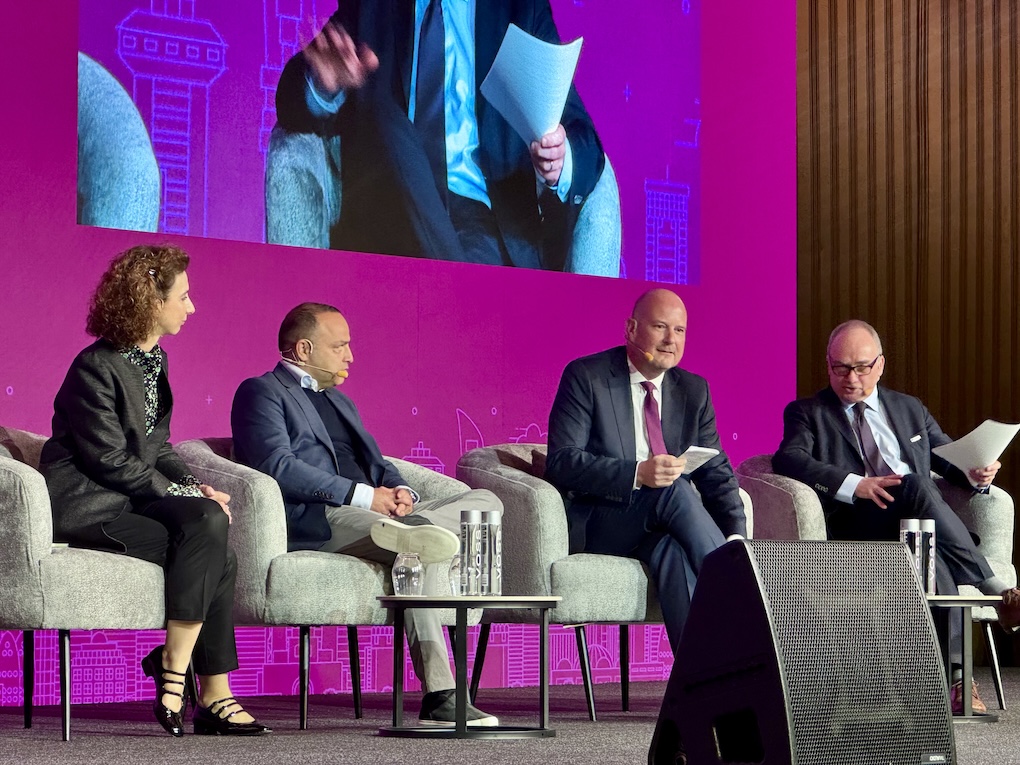
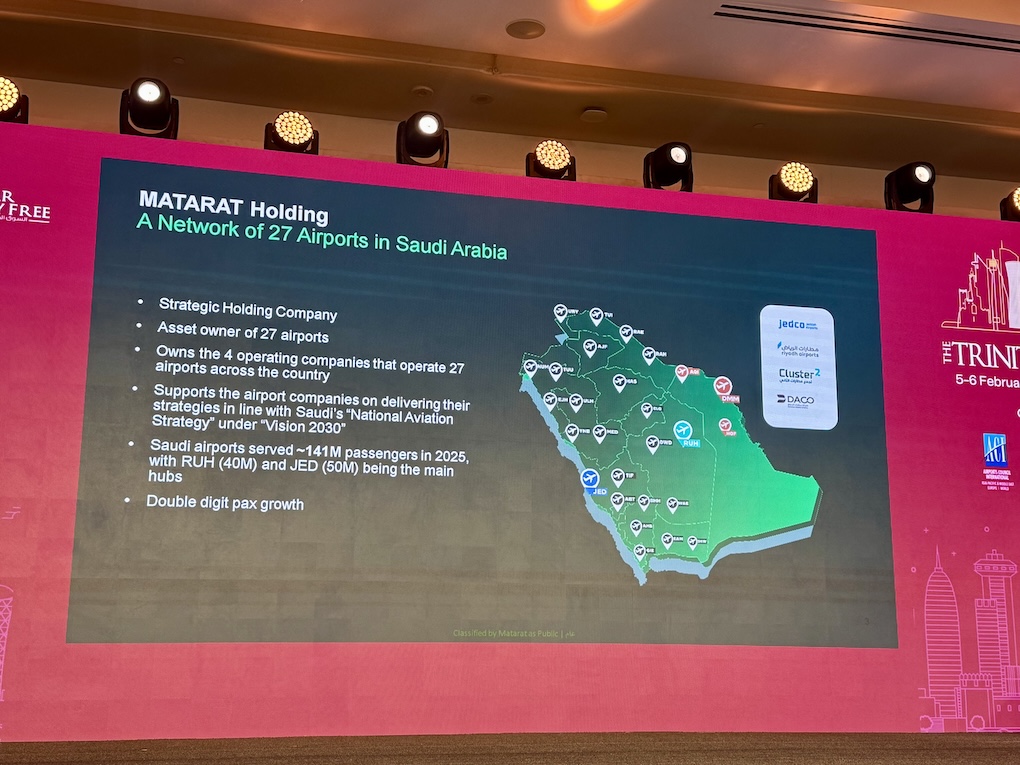
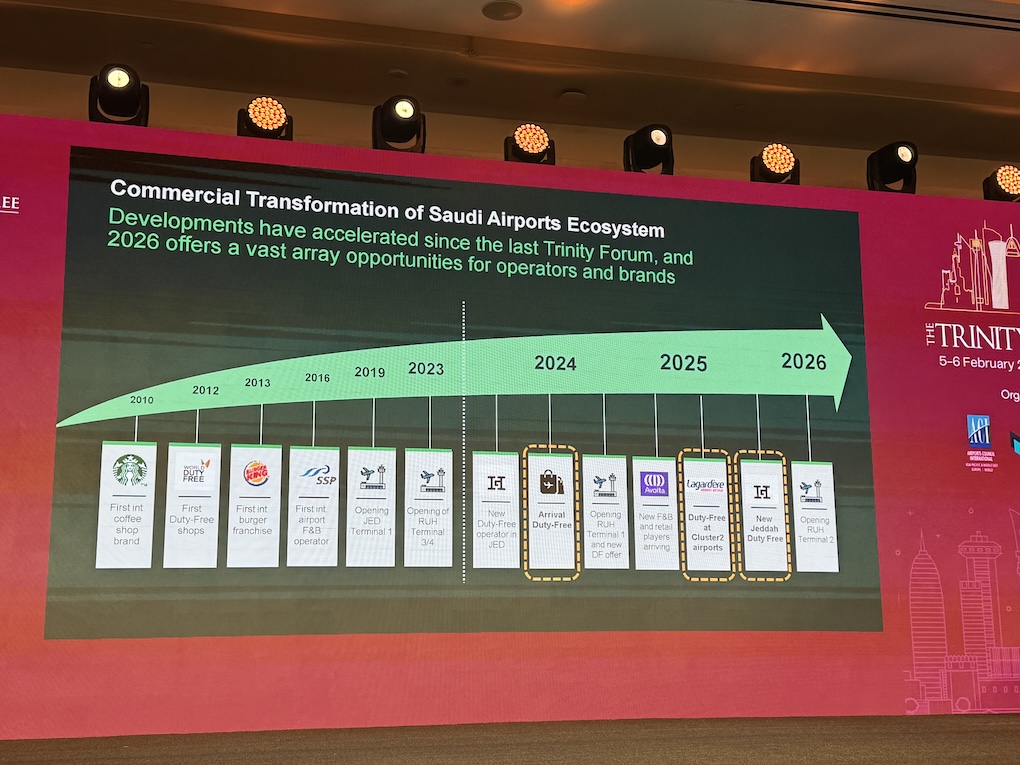
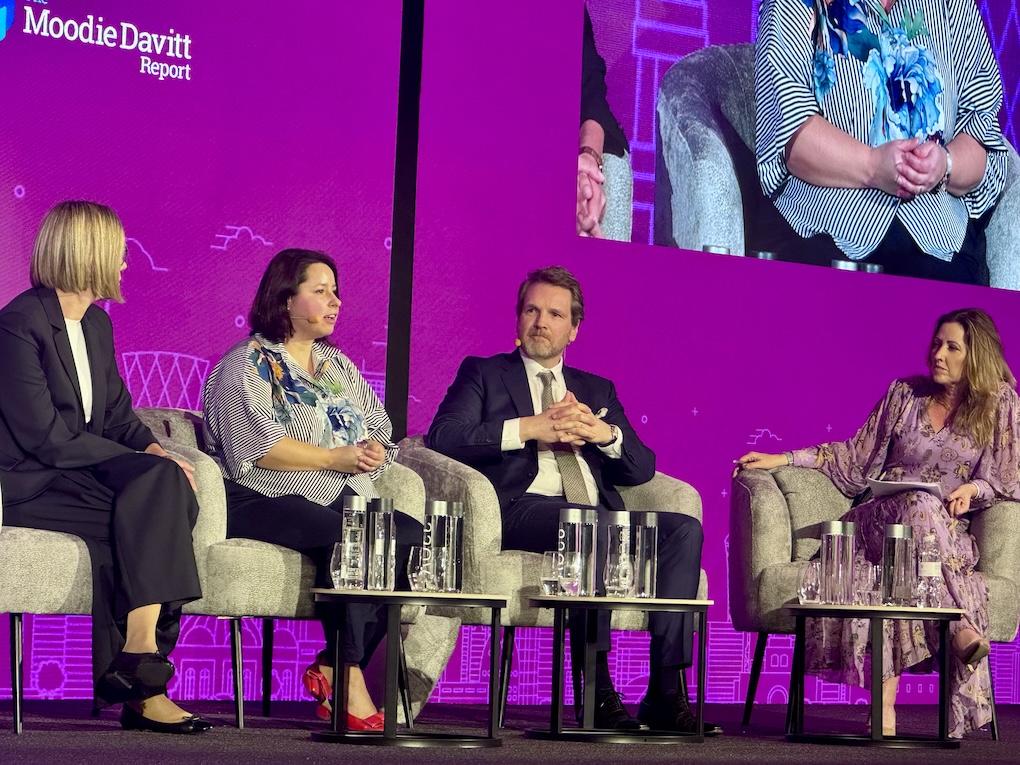
In the final session of The Trinity Forum, leaders from MATARAT, Lagardère and Heinemann discussed the rapid growth and commercial transformation taking place across Saudi Arabia’s airport network.
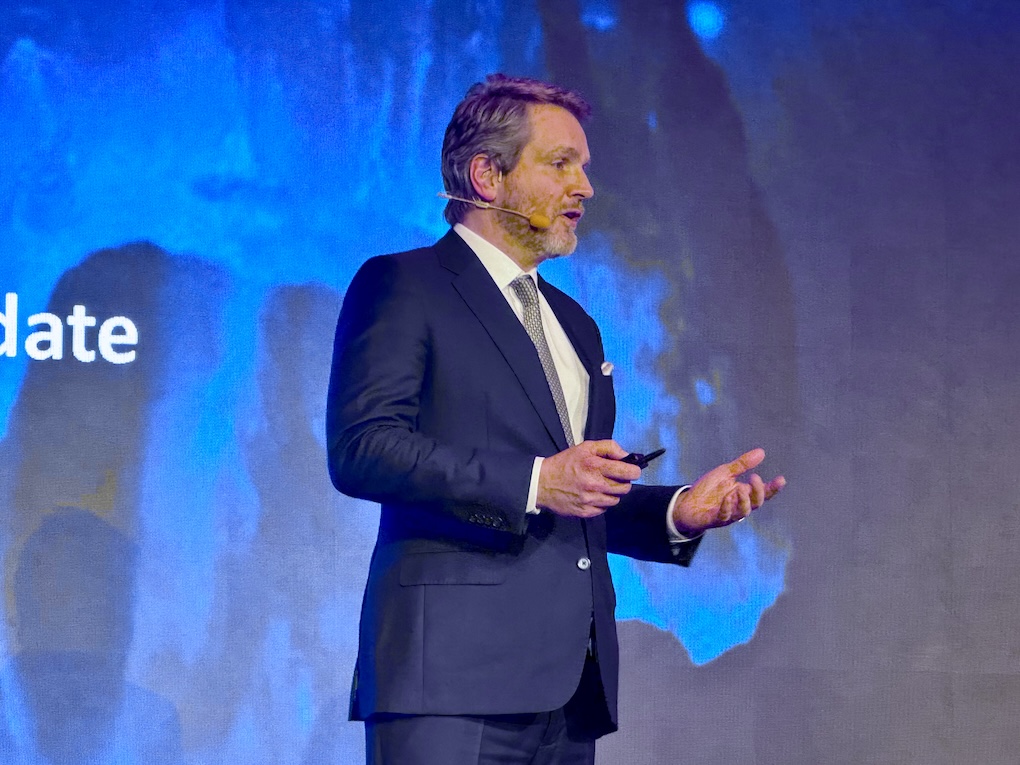
Presenting an overview of MATARAT Holding’s business in Saudi Arabia, General Manager Commercial Non-Aero Marcus Spahn said: “We operate 27 domestic and international airports and oversee several operating companies across the network. Altogether, this represents a market of 141 million passengers last year.
“For comparison, the equivalent figure two years ago was 112 million, so we have achieved +5% growth over that period, outpacing the wider industry. This reflects the momentum we are seeing in Saudi Arabia.”
Commenting on the major developments across the MATARAT Holding from the past year, Spahn said: “We have more than doubled the number of airports in our network offering duty free. We will also look at the commercial transformation of one of our key airports.”
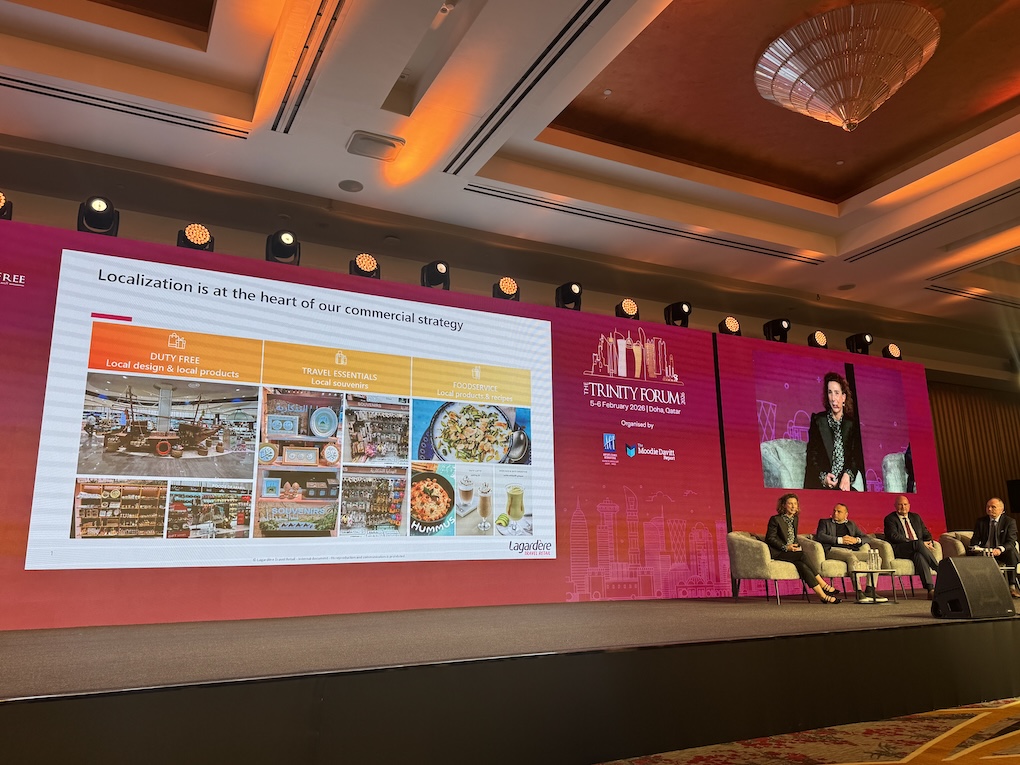
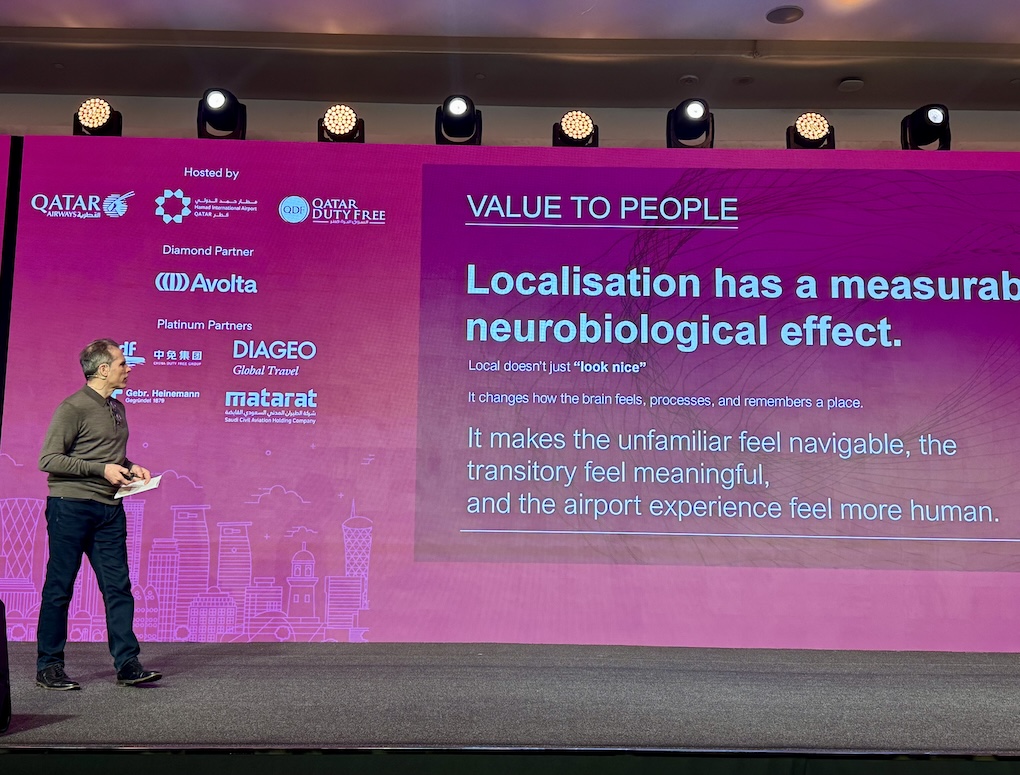
Lagardère Travel Retail Saudi Arabia CEO Mélanie Guilldou talked about the importance of localisation and sense of place to the company’s strategy in Saudi Arabia. She said: “Last year we operated five airports, and this year we are expanding further. We are also developing more localised product ranges.
“Each city has a unique identity, and we want to reflect this in our stores and product offer.
“Travellers often want to take home gifts, which is an important part of the culture. This means expanding our range of locally relevant products and categories to better meet passenger expectations.”
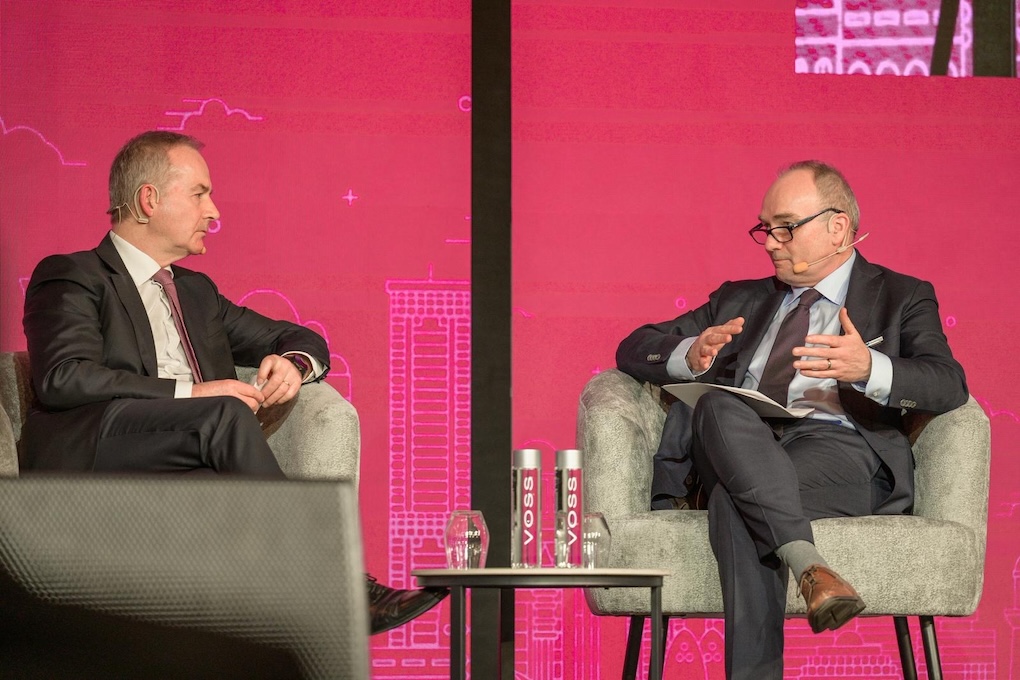
Offering insights into Heinemann’s business in the Kingdom, Heinemann Middle East Africa CEO Bernard Schlafstein said: “We currently operate a smaller 150sq m shop, where tobacco represents majority of sales during peak periods. To better showcase the full assortment, we implemented a digital ‘endless aisle’ solution, which has worked very well.
“As a result, we are shifting the focus away from tobacco and expanding other categories. We also plan to transform the shop by enlarging the main store and further reducing the tobacco offer. We are very excited about the Saudi Arabia opportunity and are exploring other categories such as fashion and destination merchandise. The opportunities are endless.”
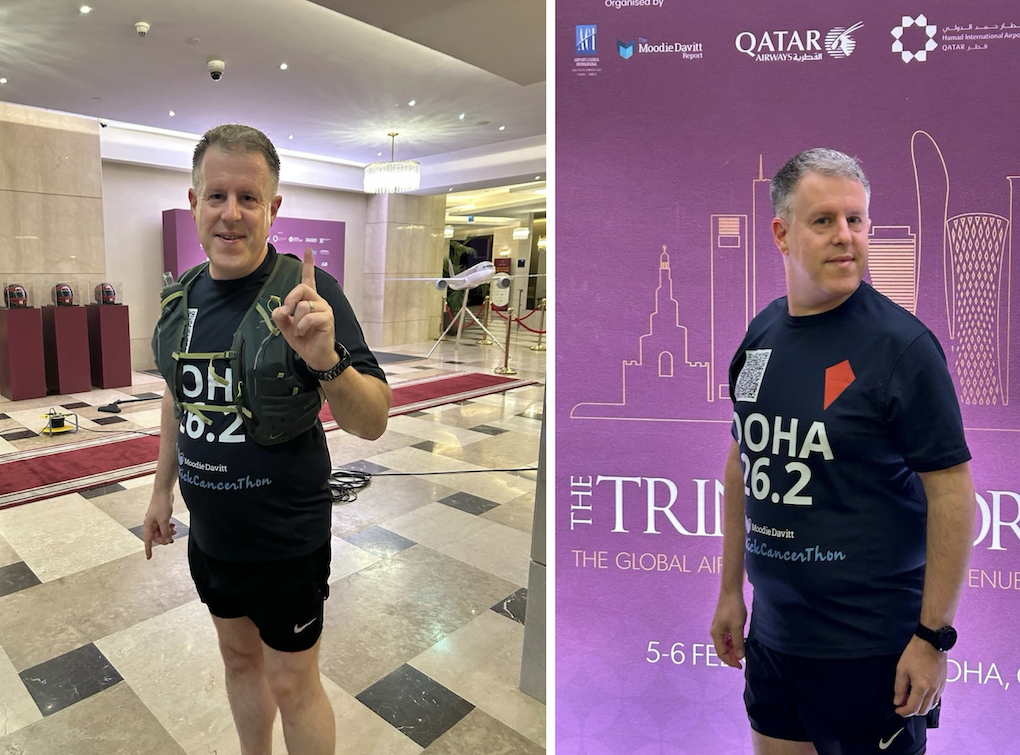
Importantly, Guilldou announced a regional initiative to support #KickCancerthon that will involve the majority of the key players in Saudi Arabian travel retail, including MATARAT Holding, Heinemann, SSP and King Khalid International Airport in Riyadh.
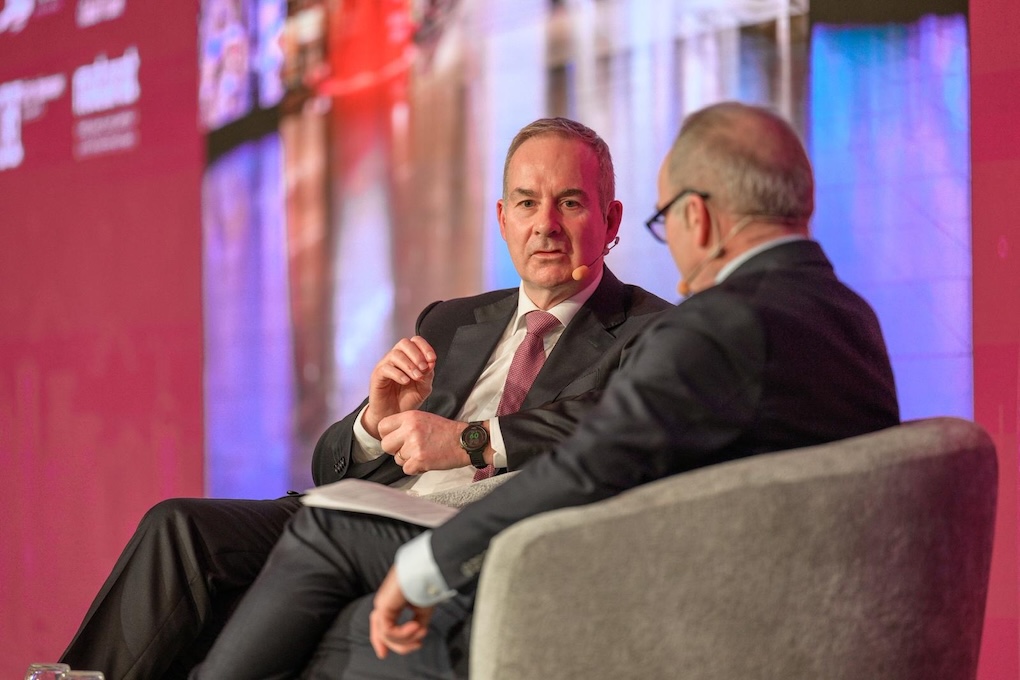
ARI Chief Executive Officer Ray Hernan reflected on value and how ARI continuously evolves its offer to improve conversion, relevance and long-term growth. He said: “Fundamentally, we are trying to measure success, communication and value as an industry. But we have to ask ourselves: are we doing a good job when only one in four passengers makes a purchase in our stores?
“I have been in the business for eight years and, despite a great deal of change, we have not moved the needle enough,” he added. “Price still matters. Around 26% of passengers cite it as a key reason to buy in airports.
“Over the past two days we have consistently heard that value is much broader than price. It also includes exclusivity, convenience, engagement and the experiences that slow down the customer journey and encourage exploration.”
Hernan continued: “For us, sustainable growth is not just about increasing average transaction value; it is about improving penetration.
“Last year we invested heavily in customer insights to better understand what value means to passengers. One key learning was that price perception is as important as price itself. Airports are confusing environments and travellers are surrounded by expensive touchpoints, so it can be difficult to convince them that duty-free offers good value. We have not cracked that challenge yet, but we are working on it.”
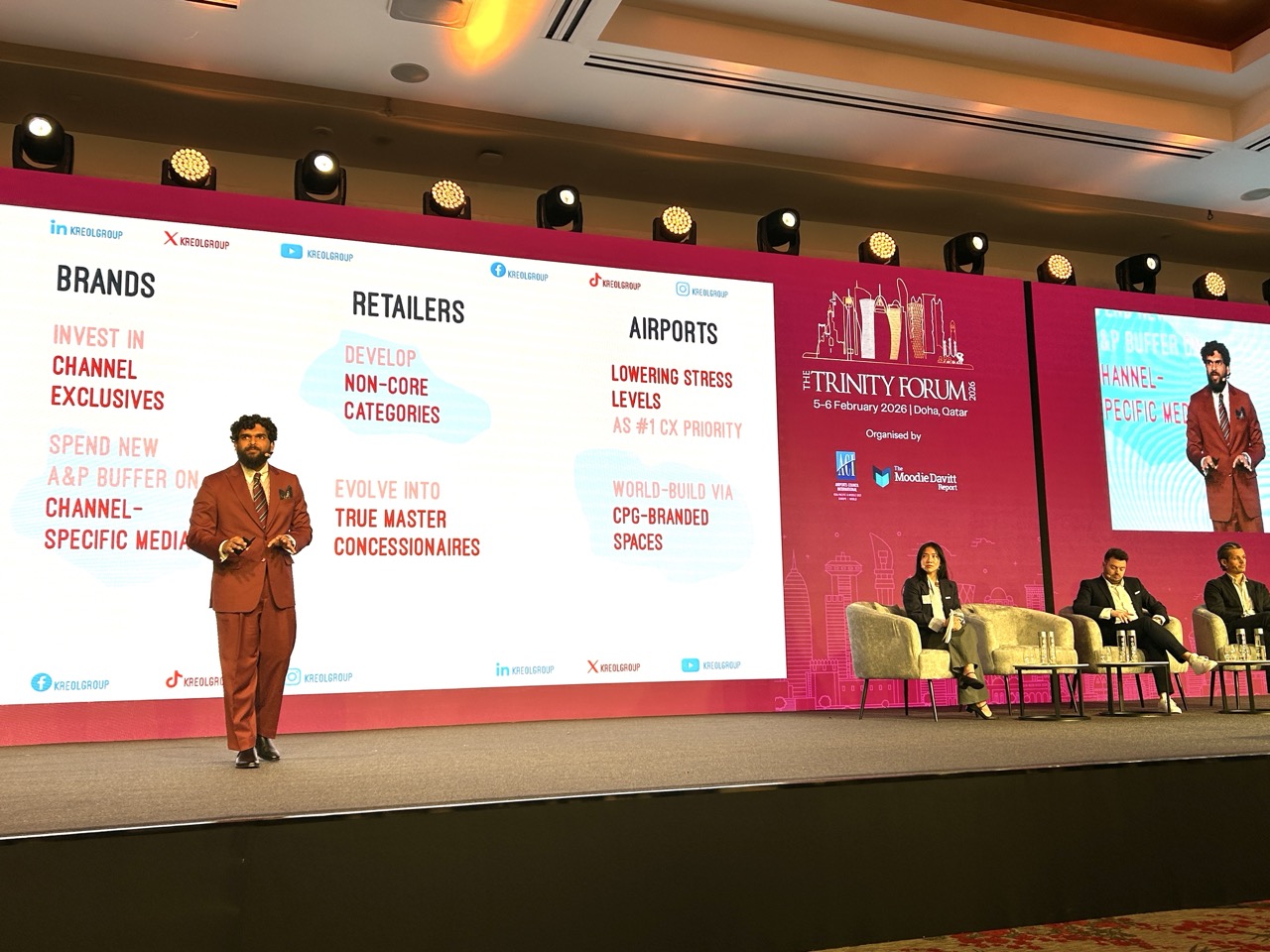
He added: “Brands play a critical role in this journey. As a family business, we challenge brands to deliver more exclusives and channel-specific products. The most successful brands treat travel retail as a unique global showcase. Others still see it simply as another distribution channel, which is not what operators want.
“We need more exclusivity and more investment across airports of all sizes, not only the largest hubs.
“Relevance and alignment with consumer values remain inconsistent across the industry. After listening to discussions over the past day and a half, there is strong commonality in our messaging. The customer is effectively telling us: stop talking and start doing. Airport retail is complex, but there is significant low-hanging fruit if we collaborate more effectively.”
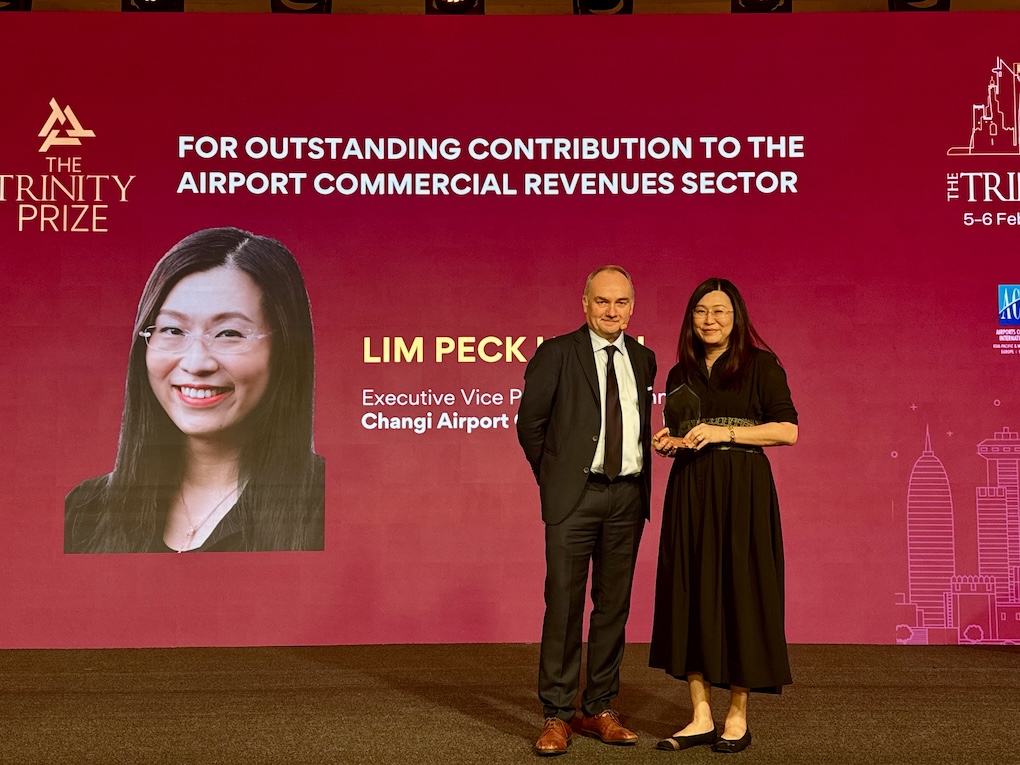
The Moodie Davitt Report today unveiled a new addition to The Trinity Forum – The Trinity Prize. The initiative takes several forms and will also be a highlight of tonight’s Gala Dinner.
Our industry is so overflowing with awards that we decided – in line with The Trinity Forum’s select positioning – to call this distinguished accolade The Trinity Prize.
Our first Trinity Prize of this year’s event was presented this afternoon, as we honoured a special individual for their outstanding contribution to the airport commercial revenues sector.
The Moodie Davitt Report President Dermot Davitt said: “Our recipient has given stellar service to the airport commercial revenues sector on so very many levels over many years. This individual is a senior leader responsible for one of the world’s great airport’s outstandingly successful commercial strategy, from duty free to food & beverage to a myriad range of stellar consumer services both on-airport and online.
“Our recipient’s constant presence at The Trinity Forum over many years underlines not only a great commitment to our industry but a constant search to improve the offering to the diverse consumer profile this extraordinary international gateway provides.”
He added: “We can think of few individuals in our industry with a more acute ability to manage the balance between maximising concession sales and enhancing the passenger shopping experience. Our recipient’s relentless focus on exclusivity of the airport offer and global premieres has made this airport truly a consumer delight.
“Oh, and by the way. Glass ceiling? What glass ceiling? Ladies and gentlemen, The Trinity Prize for Outstanding Contribution to the Airport Commercial Revenues Sector 2026 goes to… Changi Airport Group Executive Vice President of Commercial Peck Hoon Lim.”
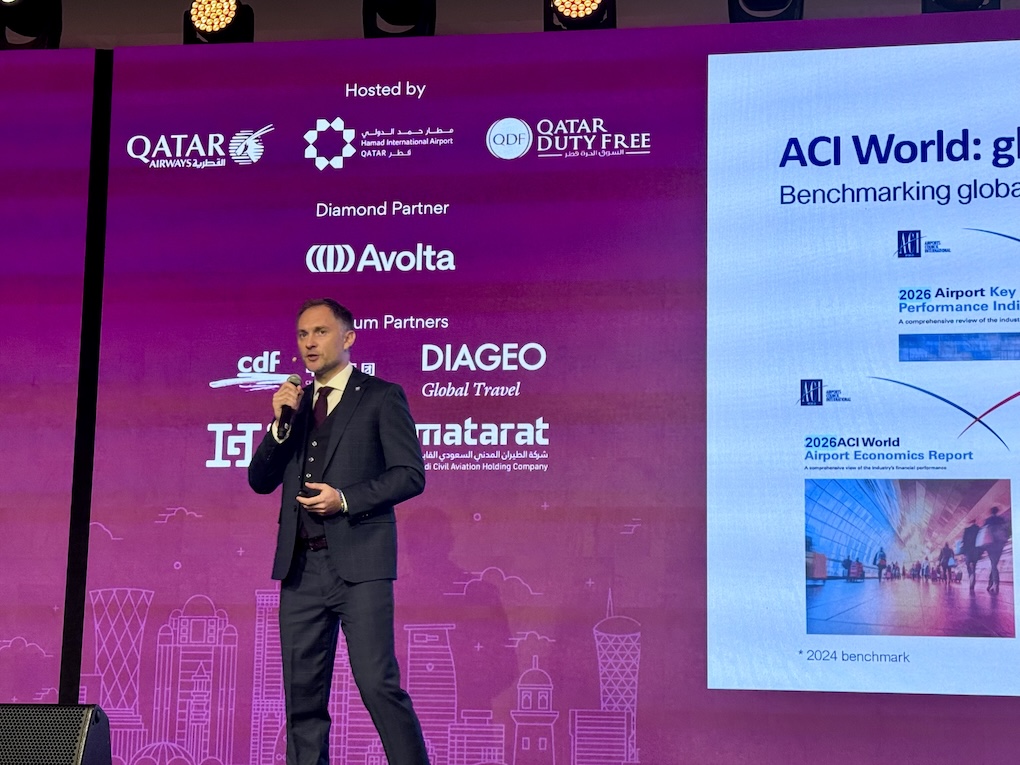
ACI World Senior Director, Economic Policy & Airport Business and ANARA Secretary Slava Cheglatonyev highlighted the current state of airport non-aeronautical revenues, underlining how the recovery in passenger traffic has outpaced the rebound in airport income.
He said, “Passenger numbers surpassed pre-pandemic levels in 2024, yet total airport revenues remained around 2% below 2019 levels and non-aeronautical revenues lagged even further at around 9% below pre-crisis performance, with revenue per passenger continuing a long-term decline.
“Retail and parking remained the largest contributors to non-aeronautical income, supported by F&B and real estate, but the outlook pointed to a slower, traffic-lagging recovery in airport revenues overall.”
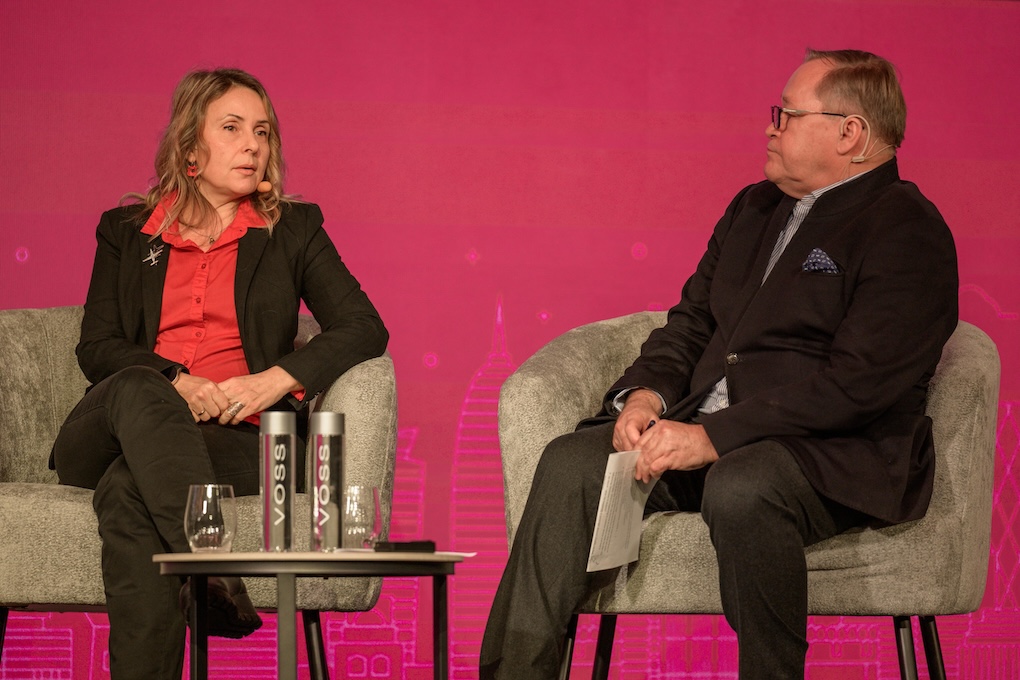
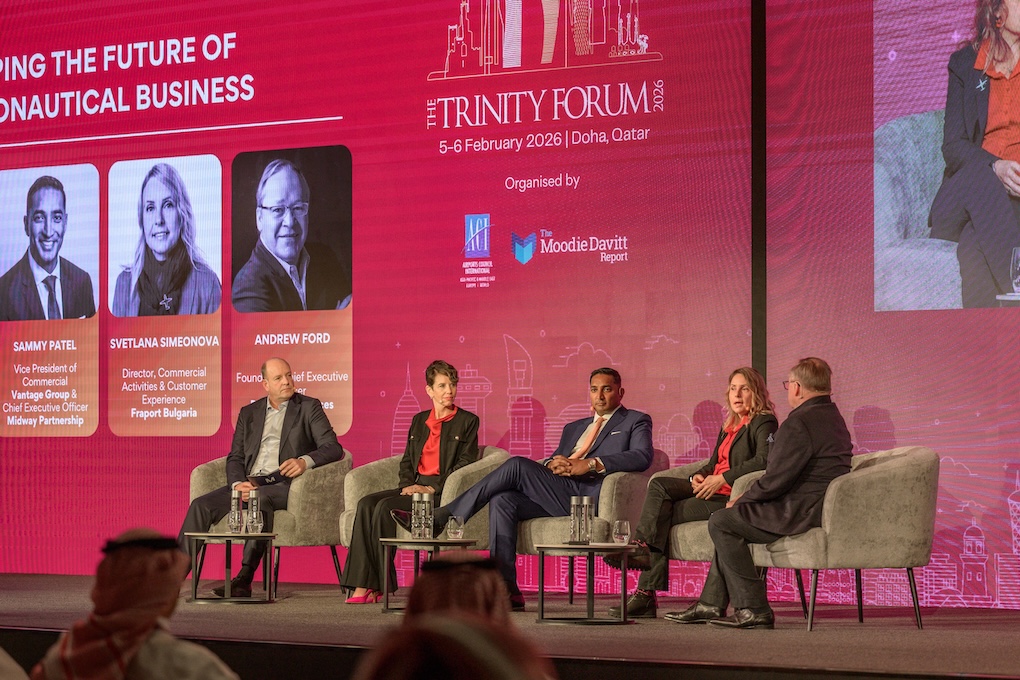
Panellists discussed the biggest trends that will shape the future of airport non-aeronautical revenues with a focus on the growing importance of lounges, sense of place and localisation. They also discussed the challenges faced by airports in terms of space and infrastructure and how flexibility, trust and collaboration across the Trinity can address those challenges.
On lounges, SSP America Vice President, Business Development Jennifer Juul said: “We’re using the term lounges in a similar way as we use the term for F&B. I think we would be well-served to differentiate the terminology to better understand the applications, benefits and what it can mean for our guests on their journeys.”
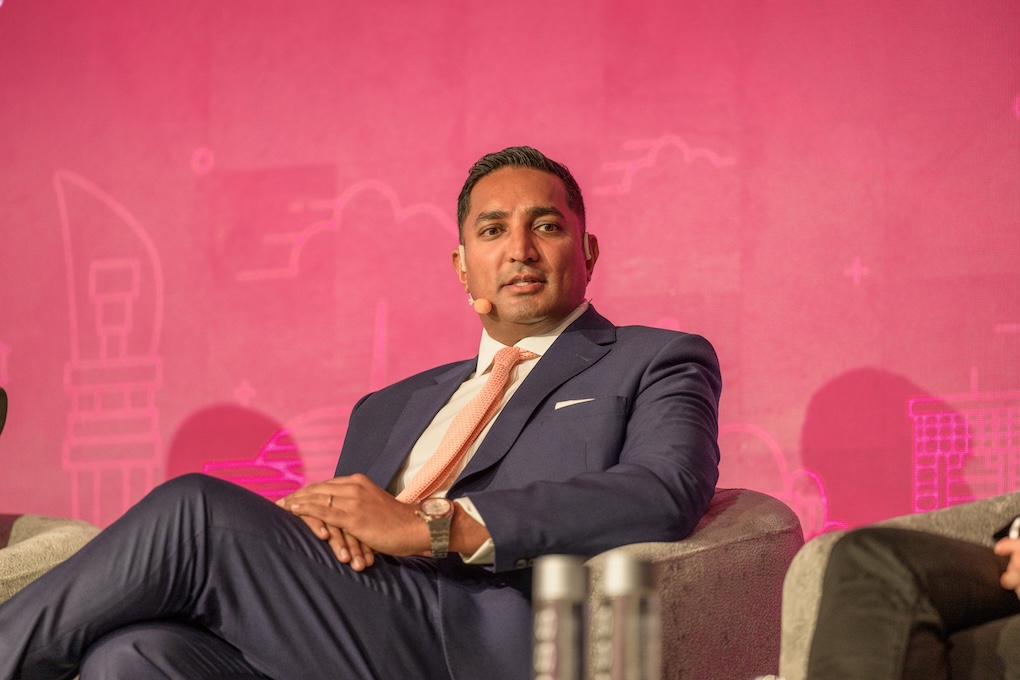
Munich Airport Chief Commercial Officer and Chief Security Officer Jan-Henrik Andersson added: “As demand for lounges grows, space becomes more limited. It is important to remember that retail and duty free should not lose their USPs. There are ways to grow depending on how willing you are to connect, engage and understand customer insight.”
Commenting on how best to deal with space challenges in airports, Vantage Group Vice President of Commercial & Midway Partnership Chief Executive Officer Sammy Patel commented: “Flexibility is important and we are trying to build things in a modular fashion as we can.”
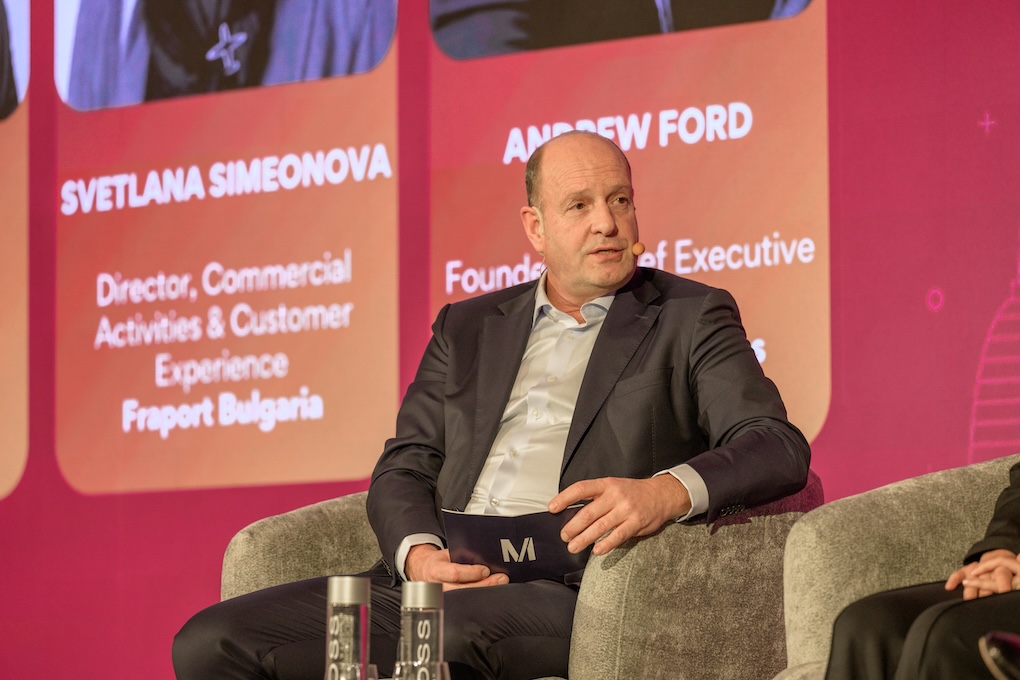
Speaking on the importance of localisation, Fraport Bulgaria Director, Commercial Activities & Customer Experience Svetlana Simeonova added: “Duty free is not about discounts, it’s about experience and localisation. We’re not talking about cheap souvenirs, we need to connect with local producers and sell something in duty free that connects with local heritage.”
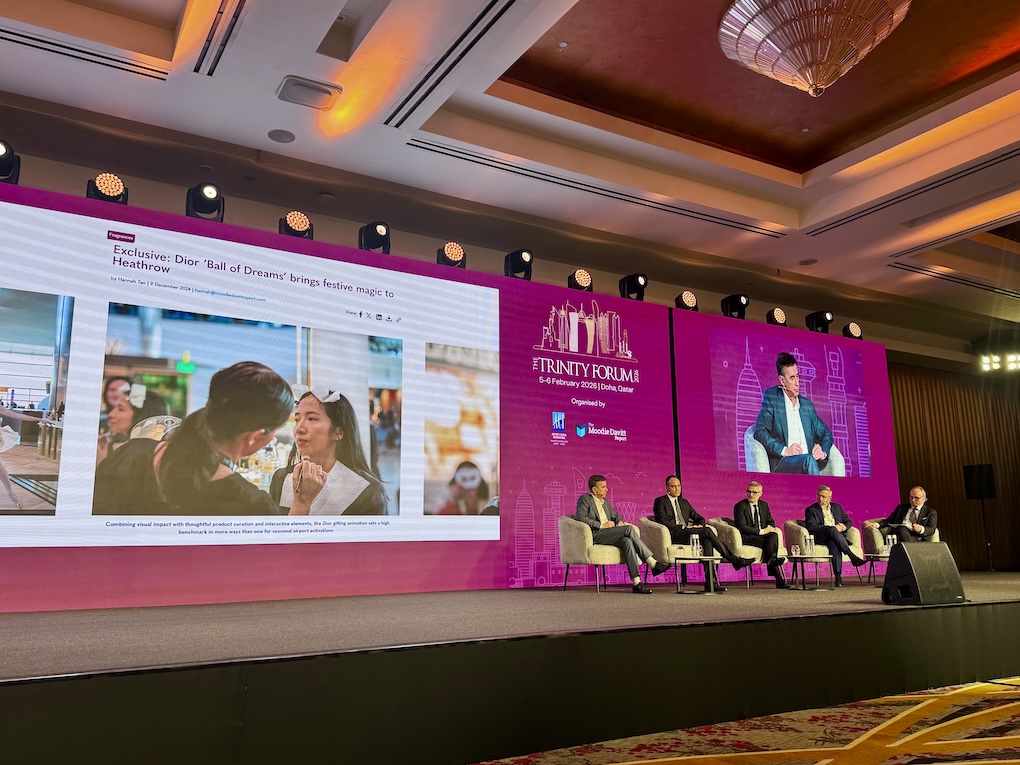
In a fascinating roundtable session, Heathrow Retail Director Fraser Brown; Avolta Global Director of Beauty Antonin Carreau; Parfums Christian Dior Managing Director Global Travel Retail Leonardo Ferracina; and JCDecaux Marketing & Business Development Director Jérôme Lepage talked about how their Quaternity partnership led to the success of the 2024 Dior Ball of Dreams animation in Heathrow Terminal 2.
As reported, the multi-storey Dior Ball of Dreams animation showcased the brand’s triple-axis portfolio of fragrance, makeup and skincare. Designed to captivate and engage travellers during the holiday season, the space blended luxurious retail theatre with elegant aesthetics inspired by the opulence of a festive ball in Versailles.
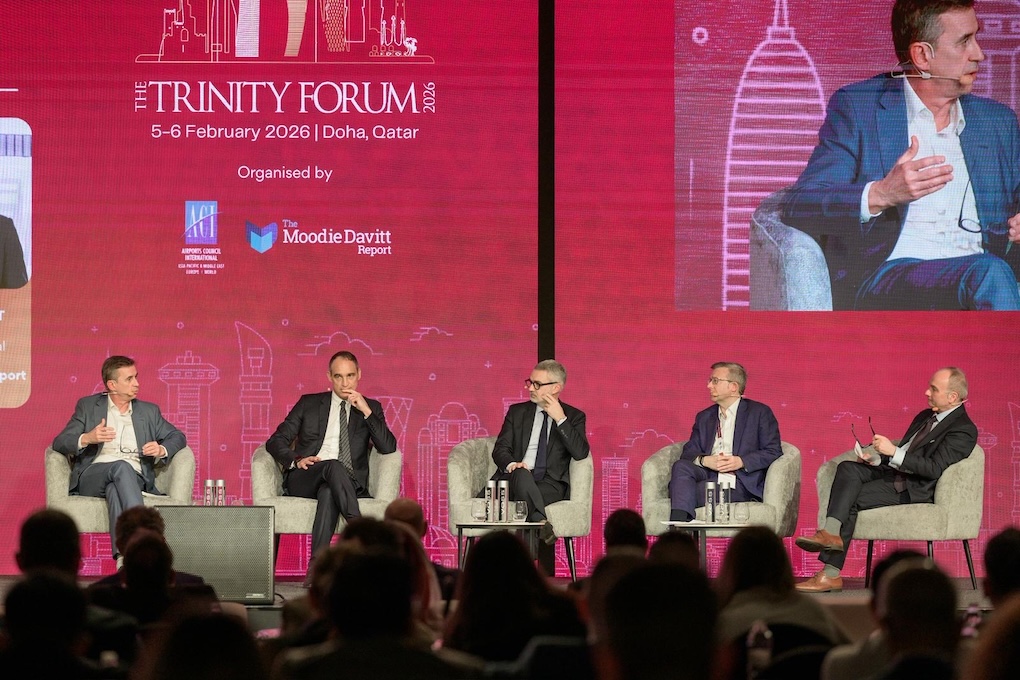
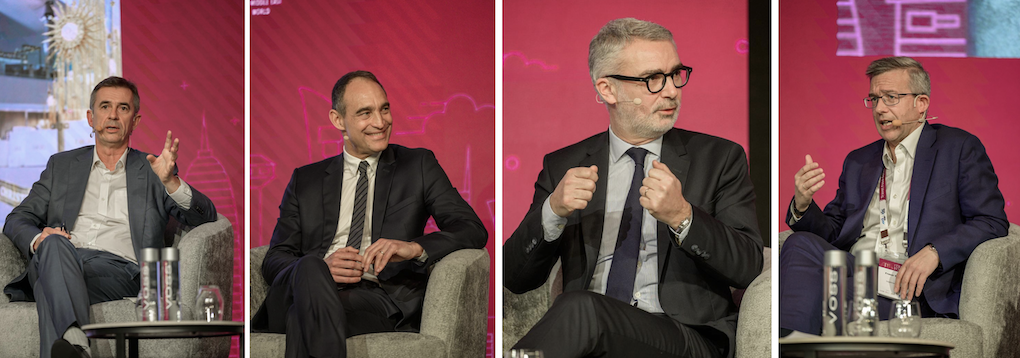
Using Dior Ball of Dreams as a case study, the partners discussed a shift “from a Trinity to a Quaternity” – a four-way partnership model designed to drive conversion through fully integrated communication across the airport ecosystem.
The discussion emphasised the importance of trust, data sharing, resource alignment and leadership in unlocking stronger commercial results. It also addressed the challenges of multi-partner collaboration and the lessons learned for delivering more impactful Quaternity launches in future.

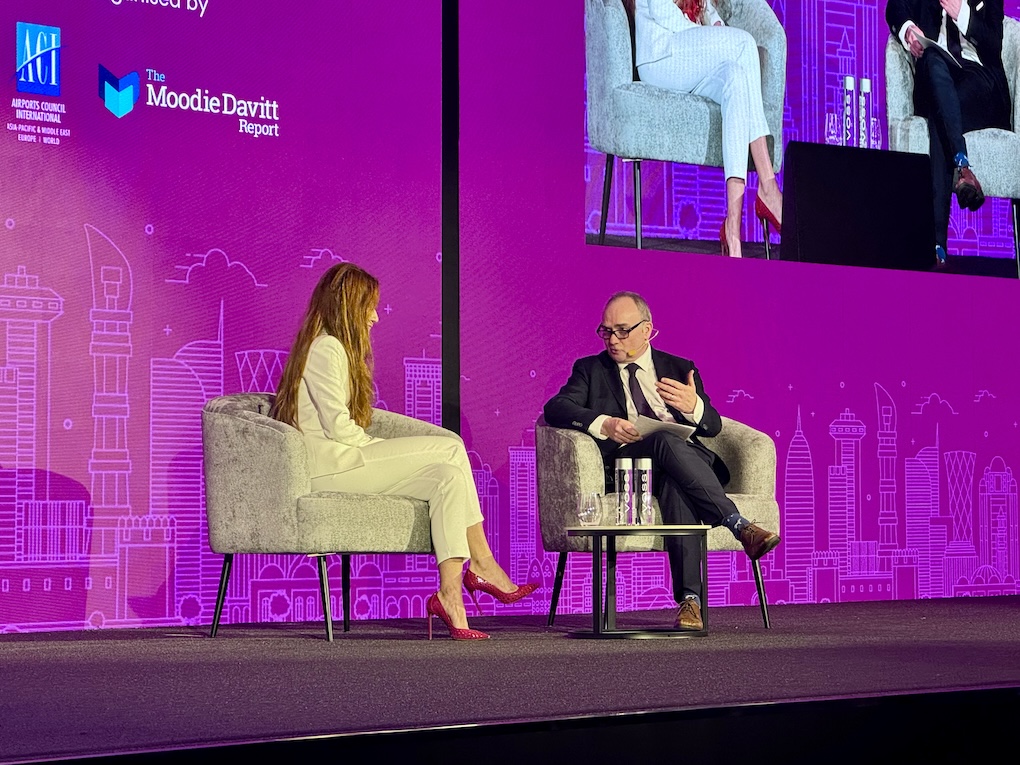
Philip Morris International (PMI) Global Travel Retail Vice President Beste Ermaner talked about how the company is reshaping the future of travel retail and its mission to create a smoke-free future.
She noted four key factors that will influence the future: the impact of macroeconomic challenges; geopolitical instability; changing expectations among travellers plus digital disruption.
She said: “I’m very optimistic about the future of our industry and feel privileged to work in it. It is dynamic, challenging and complex, but I believe that complexity creates more opportunities than threats.
“Looking ahead, I see three key levers,” she added. “The first is a relentless focus on consumer experience and true consumer centricity – delivering the right engagement and the right experiences.
“As we heard in the morning sessions, there are impressive examples of how the full value chain can come together to create exceptional, consumer-focused experiences. The examples shared on stage were truly inspiring.”
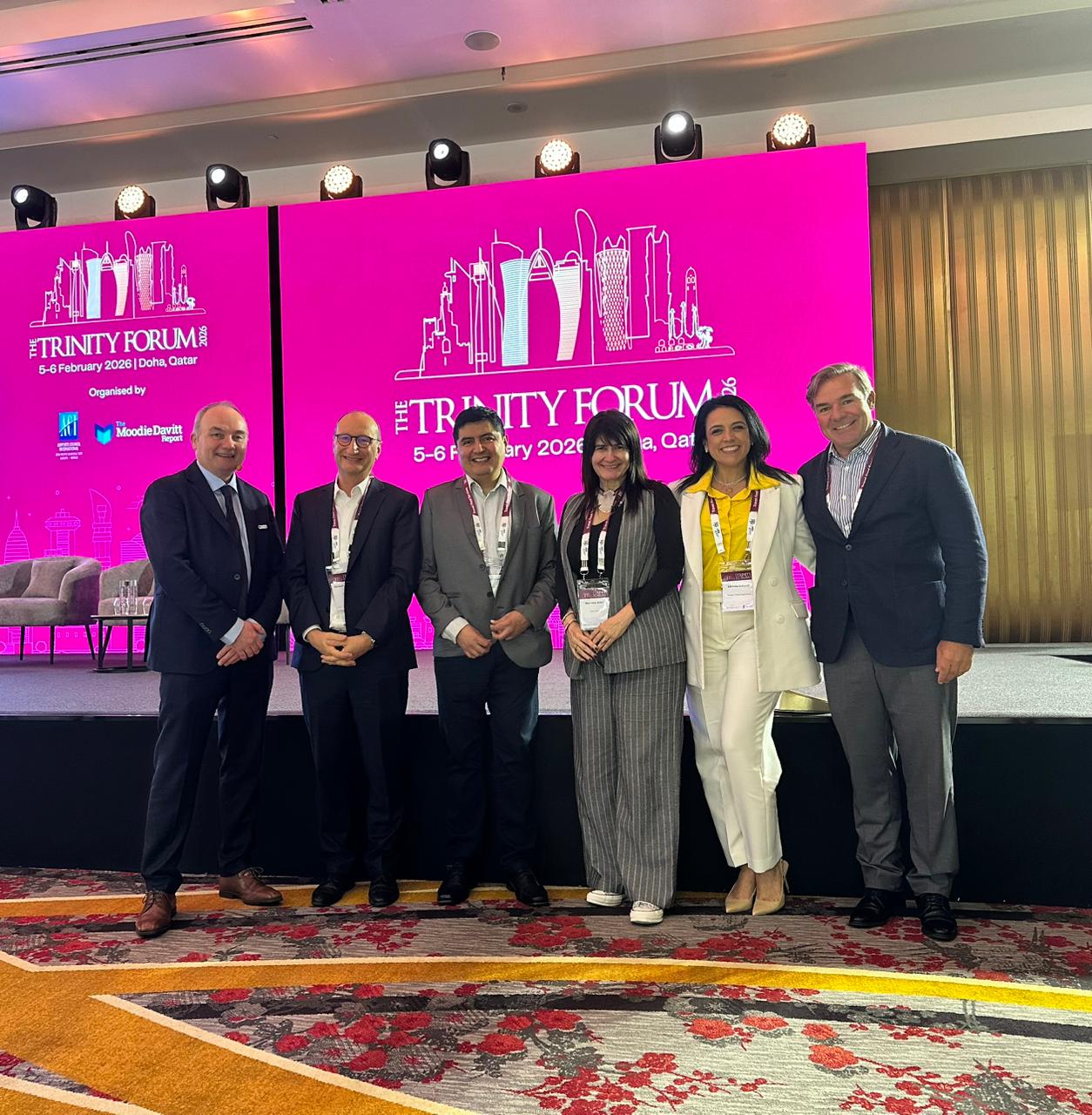
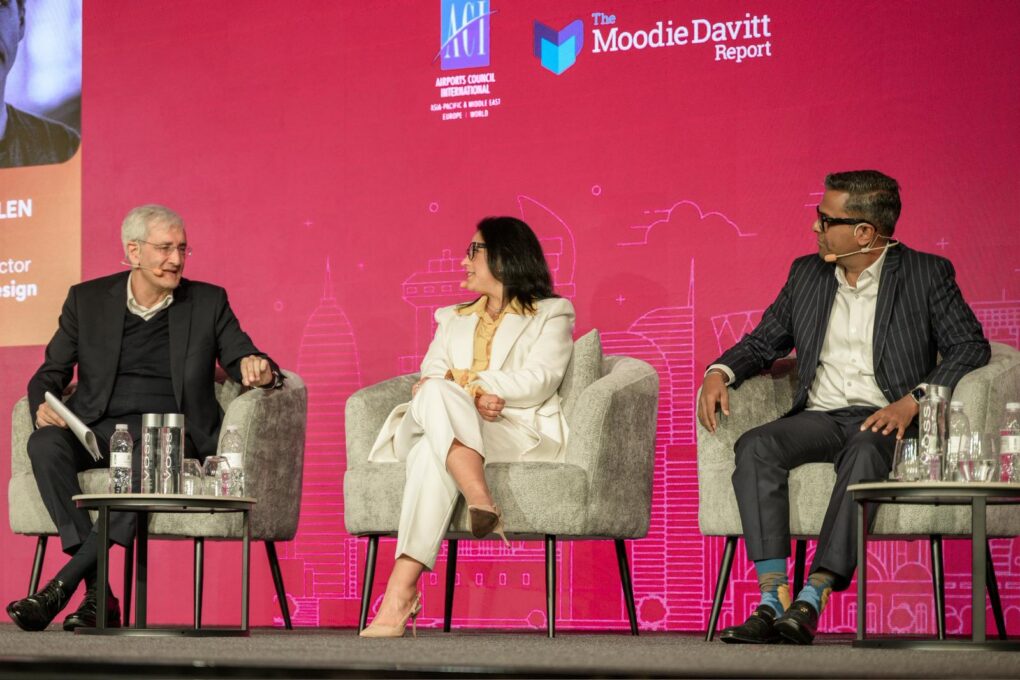
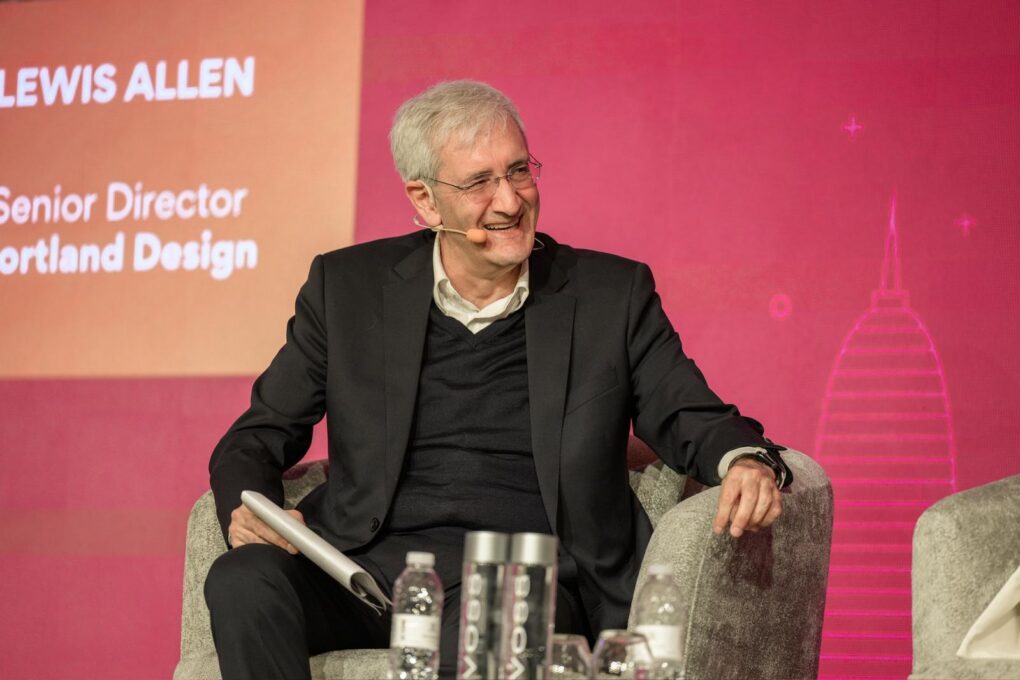
In a session moderated by Portland Design Associates Senior Director of Environments Lewis Allen, SEA Milan Airports Chief Commercial Officer Luigi Battuello, Bangalore International Airport Vice President Commercial Development Pravat Paikray and Morpho Travel Experience Chief Executive Officer Adriana Echandi each underlined the growing importance of localisation, storytelling and experience-led design in shaping the future airport commercial model.
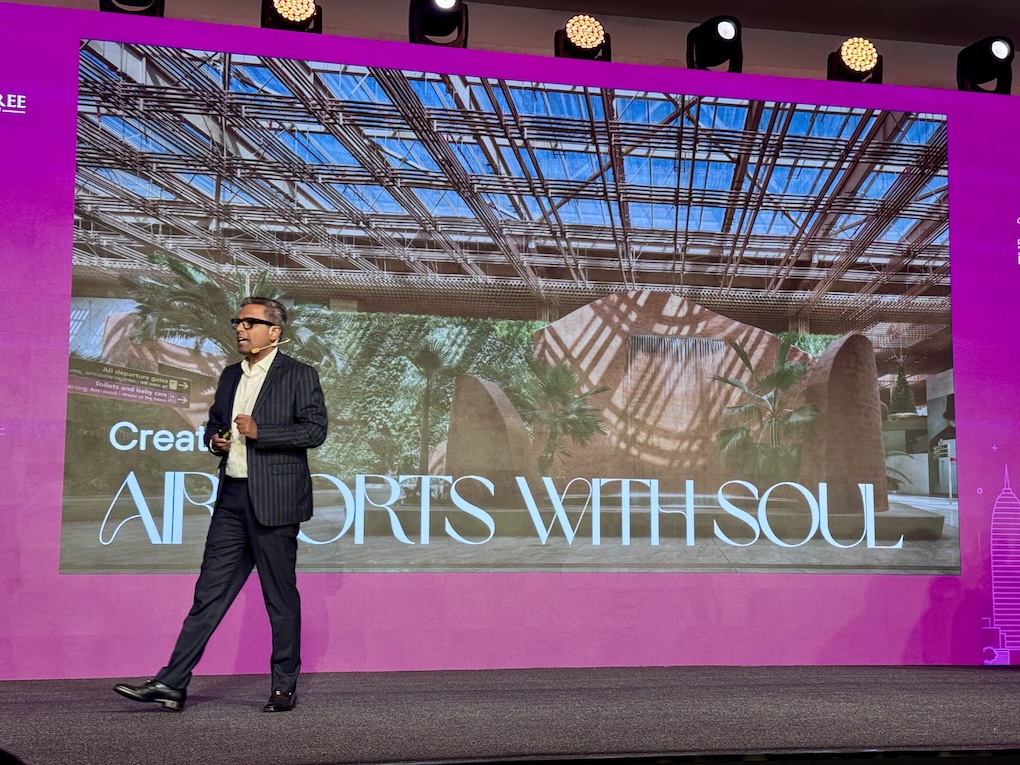
Paikray asked an important question during his presentation: Can an airport have a soul? He talked about Bangalore International Airport’s holistic programme to offer sense of place and local storytelling through design, retail, F&B and lounges to bring Bangalore’s emotional and cultural heritage to life.
He said: “Our goal at Bangalore International is to reframe the role of an airport. For us, localisation is not just décor, but our distinct identity.”
Battuello explained how Milano Linate and Milano Malpensa are curated as distinct yet complementary retail and F&B destinations, blending global brands with strong local identity to reflect an authentic Milanese spirit. From Malpensa Terminal 1’s luxury environment inspired by the Galleria Vittorio Emanuele to Linate’s contemporary, city-centric offer, the strategy aims to deliver an authentic “ultimate Milanese experience” that connects travellers with Milanese excellence while enhancing commercial performance through sense of place.
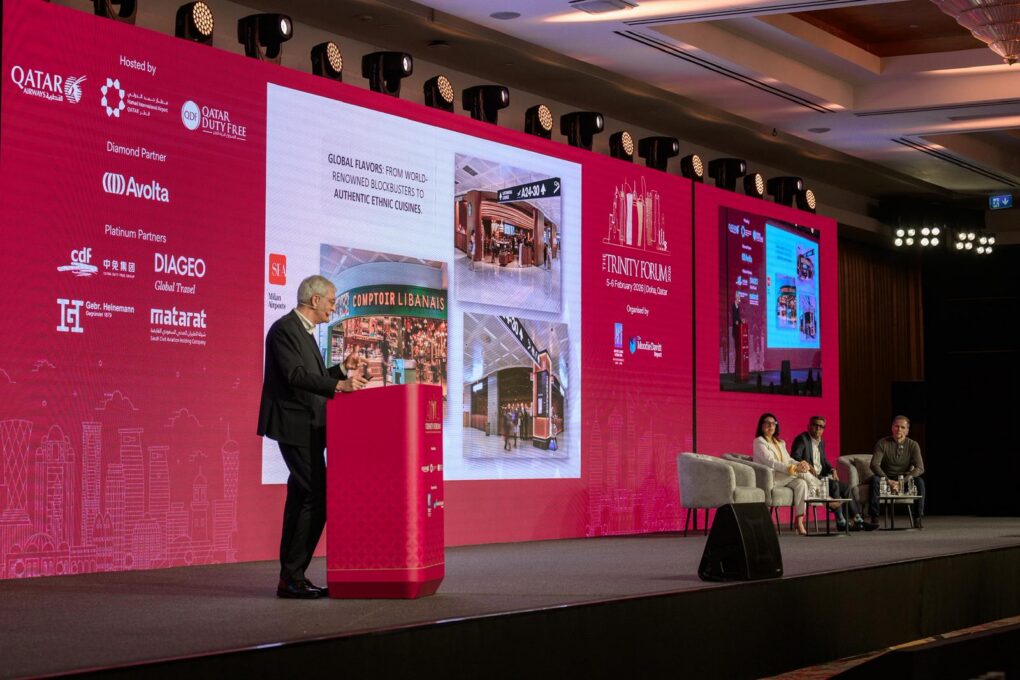
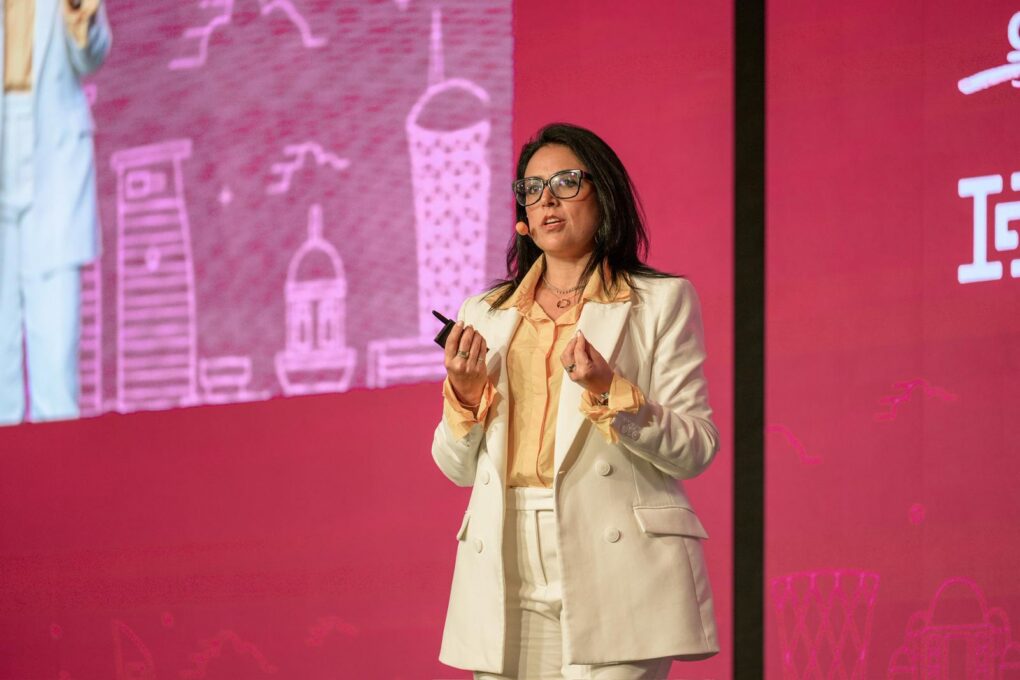
Echandi highlighted the growing importance of experiential retail as a driver of emotional connection, differentiation and commercial performance in travel environments.
She outlined how Morpho blends storytelling, design and cultural authenticity to create immersive concepts that turn airports into discovery-led destinations rather than transactional spaces.
Echandi’s presentation emphasised collaboration with airport and brand partners, the power of local culture and craftsmanship, and the role of flexible, experience-led formats in increasing engagement, dwell time and revenue while delivering more meaningful journeys for travellers.
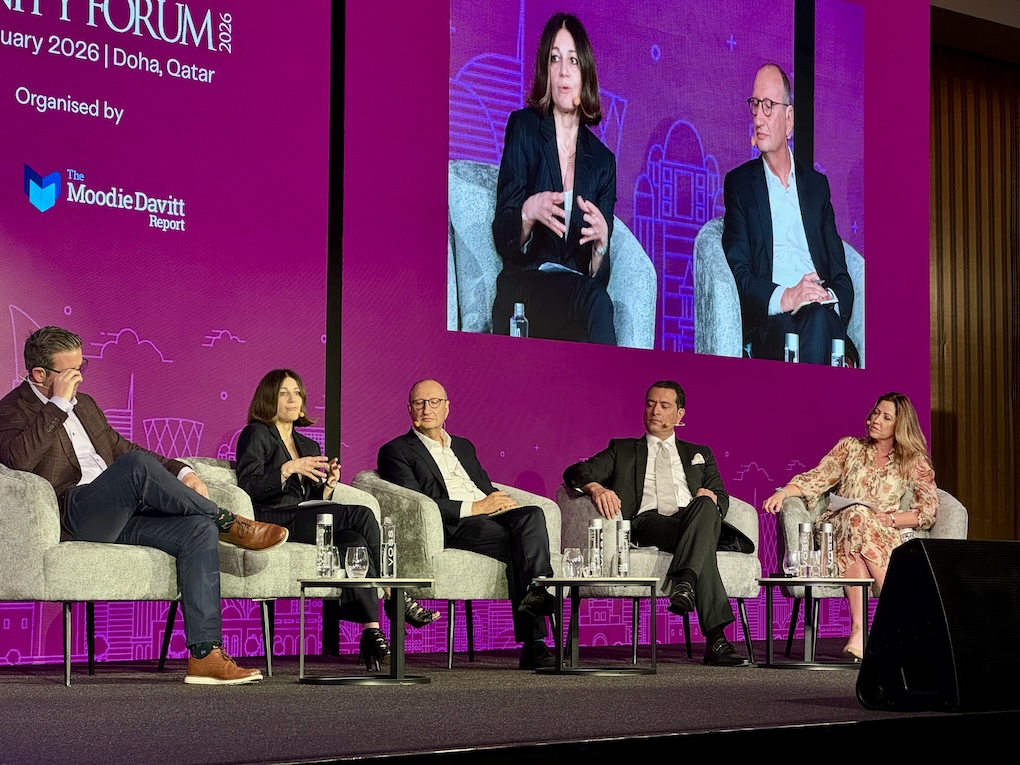
Airport Dimensions Chief Growth Officer Chris Gwilliam presented insights from research on 11,165 travellers across 17 markets. He highlighted the growing importance of affluent leisure passengers, 75% of whom use lounges, and their rising contribution to travel retail.
He concluded that the future of airport retail lies in integrating lounges, digital touchpoints and retail into a connected, experience-led ecosystem that captures spend earlier and more effectively.
JFK International Air Terminal Vice President Customer Experience & Commercial Belinda Jain outlined how JFK Terminal 4 is being transformed into a world-class, experience-led gateway, placing lounges, partnerships and a strong sense of place at the heart of its commercial strategy.
She highlighted how T4’s expanding lounge collection is driving premiumisation and unlocking new hybrid revenue streams through co-created retail moments, luxury shop-in-lounge concepts, targeted media and brand partnerships.
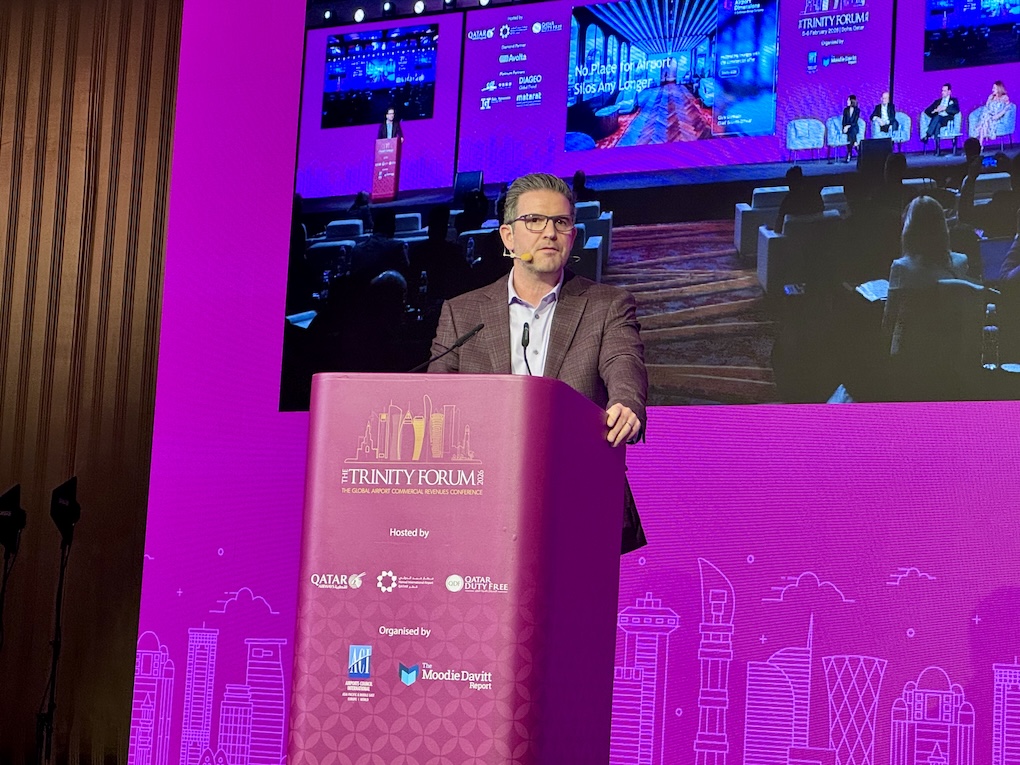
Lima Airport Partners Chief Commercial Officer Norbert Onkelbach outlined how the operator is breaking silos by integrating lounges into the wider commercial ecosystem, positioning them as a powerful driver of passenger experience and spend.
The strategy includes major expansion of The Club lounge portfolio, with a 1,800sq m international lounge already operating and two additional lounges set to open in 2026, alongside landside concepts such as the Sleep Over facility. Together, the developments form part of a broader marketplace vision that blends hospitality, retail and dwell-time optimisation to better serve diverse passenger profiles across the airport.
Travel Food Services Global Head of ARAYA Lounges Rajeev Panjwani talked about how to optimise commercial real estate for lounges and how to ensure maximum yield in terms of penetration, revenue per pax and sales per square metre. He highlighted the different benefits of a diverse lounge offer, from common-use lounges to luxury lounges such as ARAYA.
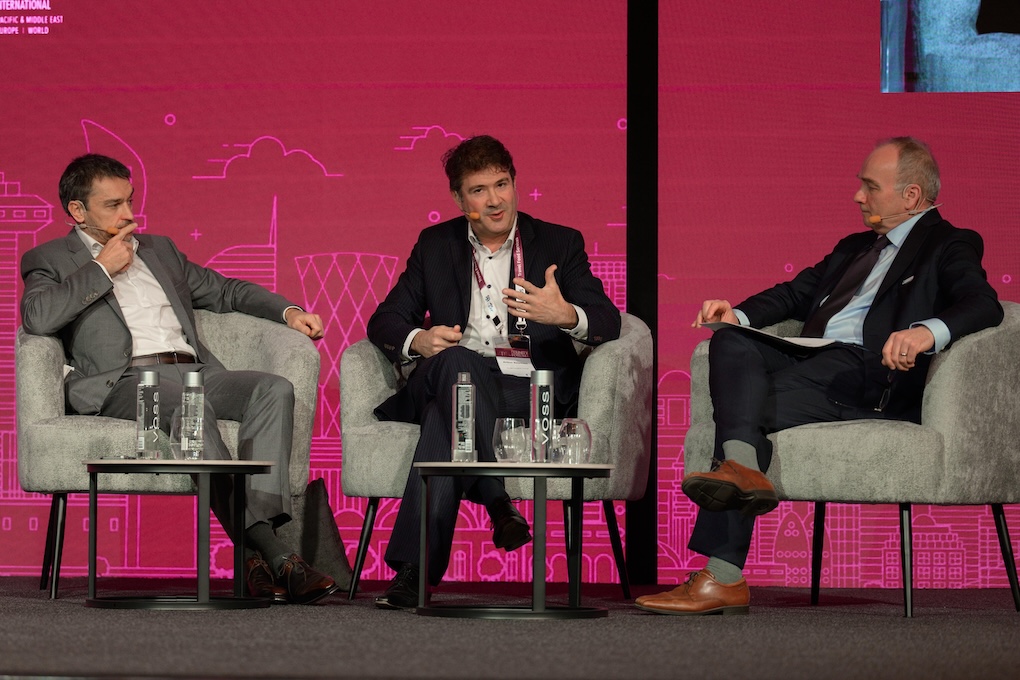
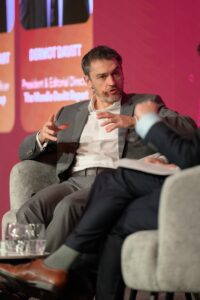
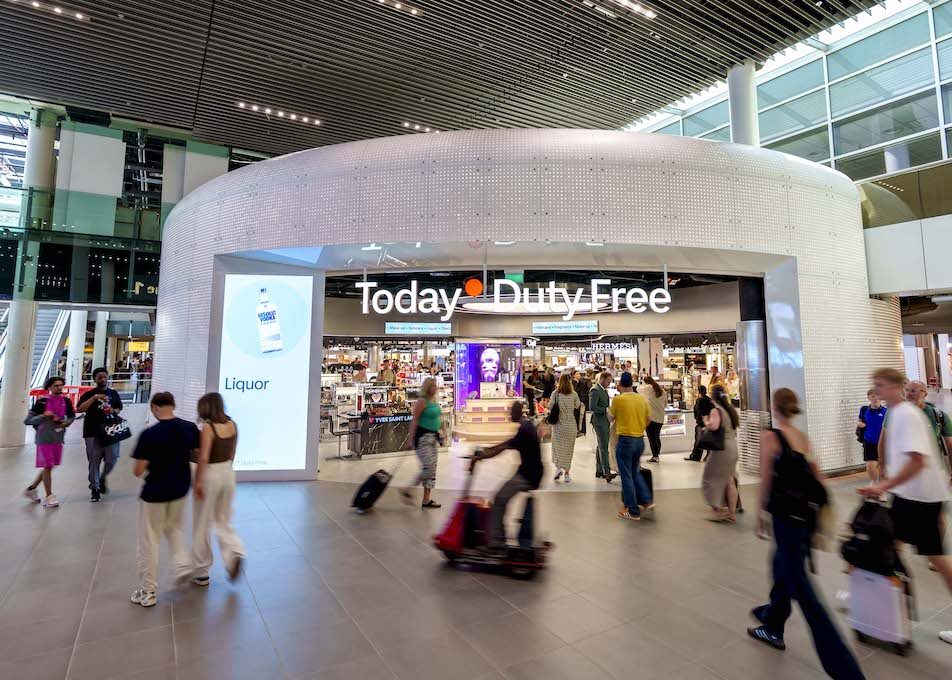
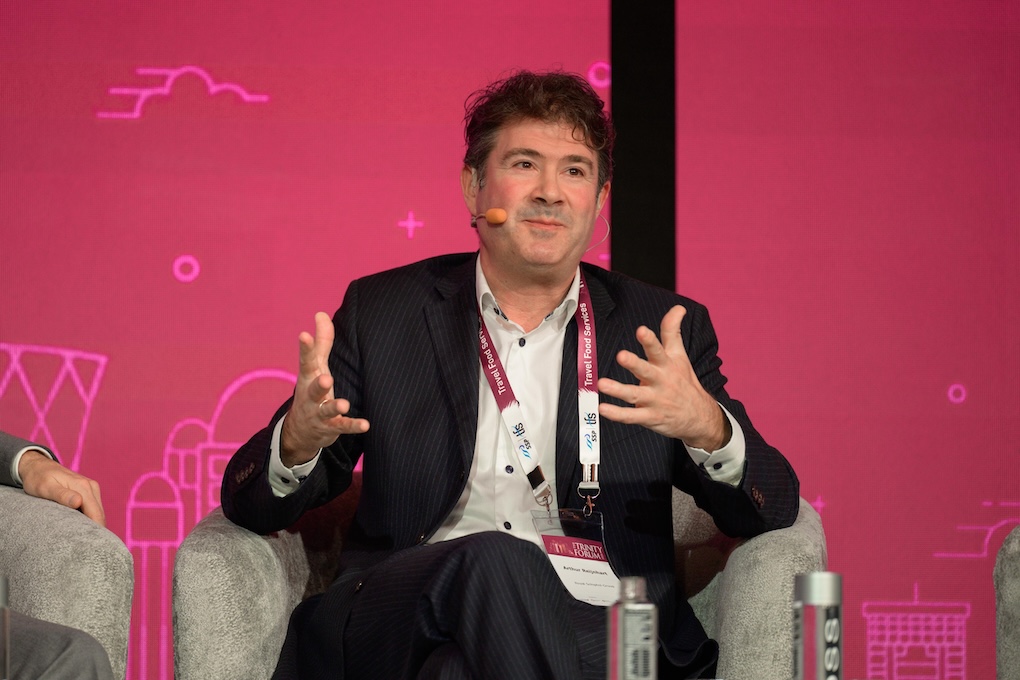
Royal Schiphol Group Chief Commercial Officer Arthur Reijnhart and Lagardère Travel Retail Chief Executive Officer Frédéric Chevalier discussed the vision behind their Today Duty Free joint venture.
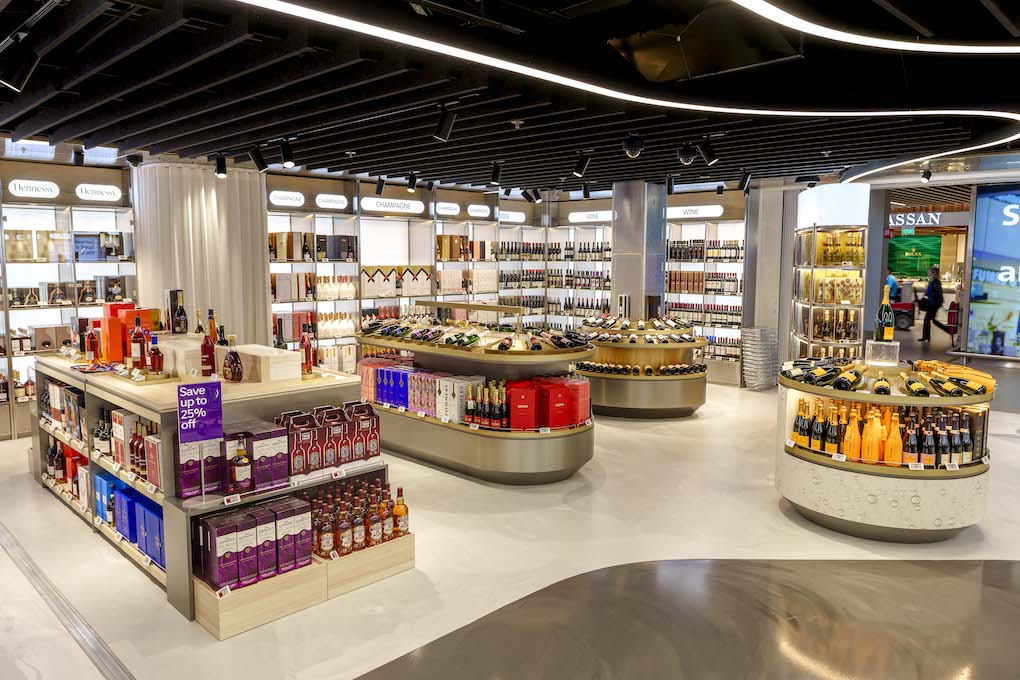
On 1 May 2025, Today Duty Free took over more than 20 stores, combining perfumes & cosmetics and sunglasses spaces with those dedicated to liquor, tobacco & confectionery.
Chevalier said: “The shared vision was to make a decisive break with the past and embark on one of the largest transformation programmes in the industry. We recognised the desire to move faster, to be more innovative and to ensure the vision could be fully delivered. We wanted to transform the scale and depth of the airport’s future development. The magnitude of the transformation ahead is enormous.”
Reijnhart said: “The joint venture was one of the most significant decisions we made last year. Airports do not lightly hand over the keys to the kingdom, but this step was essential.
“At the same time, Schiphol’s retail success had been built on strong entrepreneurship, with partners who had been present since the earliest days of the terminal,” Reijnhart added. “However, the industry has globalised, as have the brands we work with.
“The commercial offer now needs to evolve to reflect this reality. Moving towards a strong global partner such as Lagardère was therefore a logical and necessary step for the future of Schiphol.”
Chevalier added: “We spent a great deal of time discussing how to strike the right balance – how to preserve the airport’s unique identity while elevating branding, quality and the overall offer in line with global developments. As Arthur said, it can feel like we are ‘handing over the keys to the kingdom’, so the question becomes: How do you take the heritage and strengths that have defined Schiphol and bring new energy and expertise to make the offer relevant and distinctive for today’s traveller?
“From our perspective, this transformation goes far beyond retail,” Chevalier added. “It is not simply about selling products; it is about delivering a shared vision and executing it over many years.”
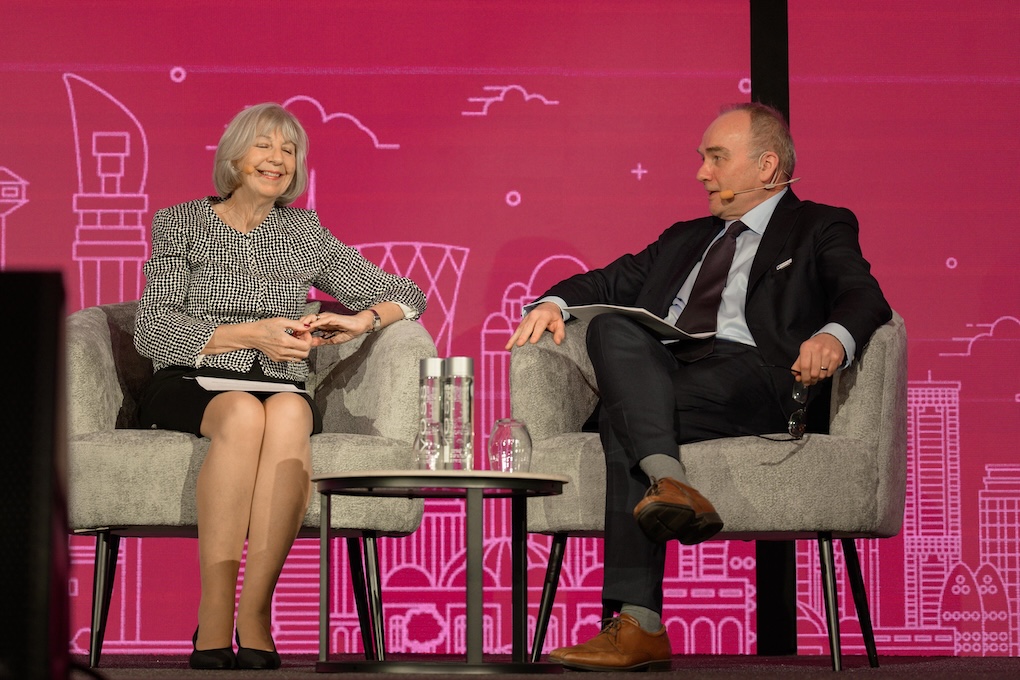
In the first session of the day Duty Free World Council President and TFWA President Sarah Branquinho talked about her work with DFWC on the Illicit Trade Protocol. She said: “Tobacco is a major footfall driver and the entire industry would have suffered. When one domino falls, others follow. If the WHO secures a victory in one area, it will pursue others. We should expect continued challenges to our industry.”
Commenting on her biggest priorities for her one-year term as TFWA President, Branquinho said: “Our industry is evolving, and we must remain progressive and relevant in a rapidly changing world with many competing priorities. Data will be central to this.”
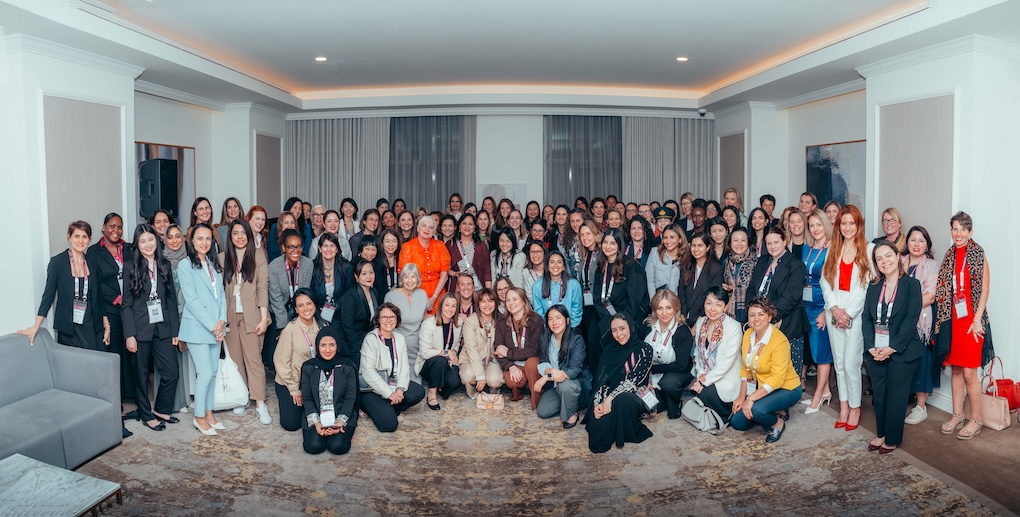
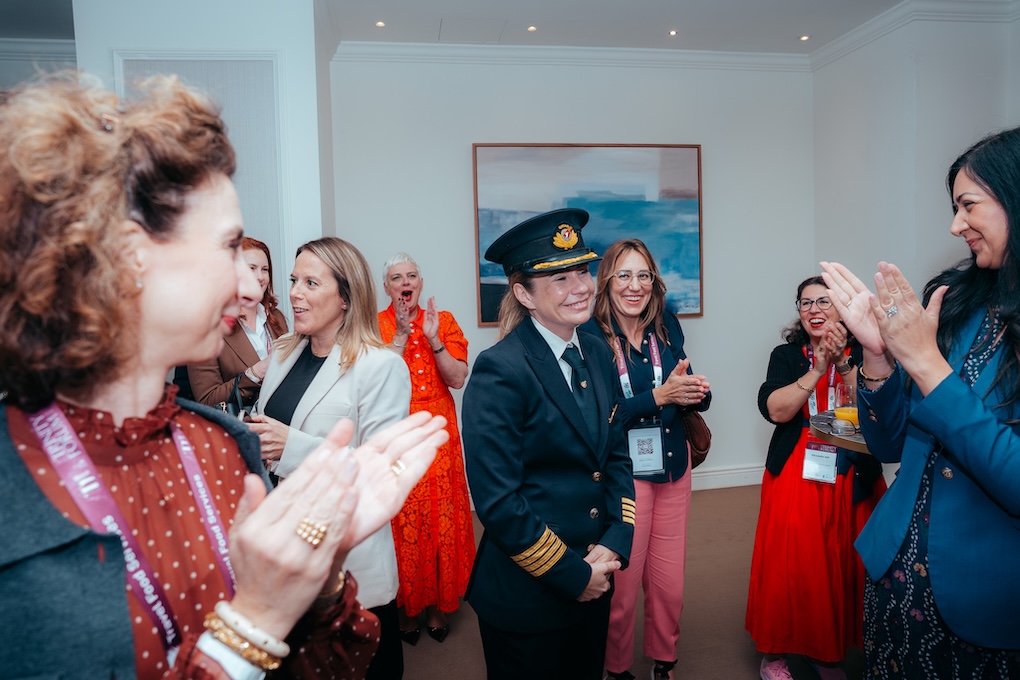
Branquinho also spoke about her work with Women in Travel Retail (WITR) and what the industry can do to better advocate for gender equity. She said: “Visibility is the first step. Events like the one hosted by Qatar Duty Free last night are incredibly important, and it was wonderful to see around 70-80 people from across the industry come together. Seeing successful women actively involved in these events is powerful and inspiring.
“Role models matter,” she added. “We heard from a female pilot at Qatar Airways who spoke about her journey and the encouragement she received from her parents. That kind of belief and support is critical early in a career.”
“This is why mentoring and strong networks are so important. Women in Travel Retail has built a strong mentoring community, with more than 20 mentors supporting the next generation. Creating opportunities, offering guidance and building confidence are essential if we want to see more women reach senior leadership roles.”
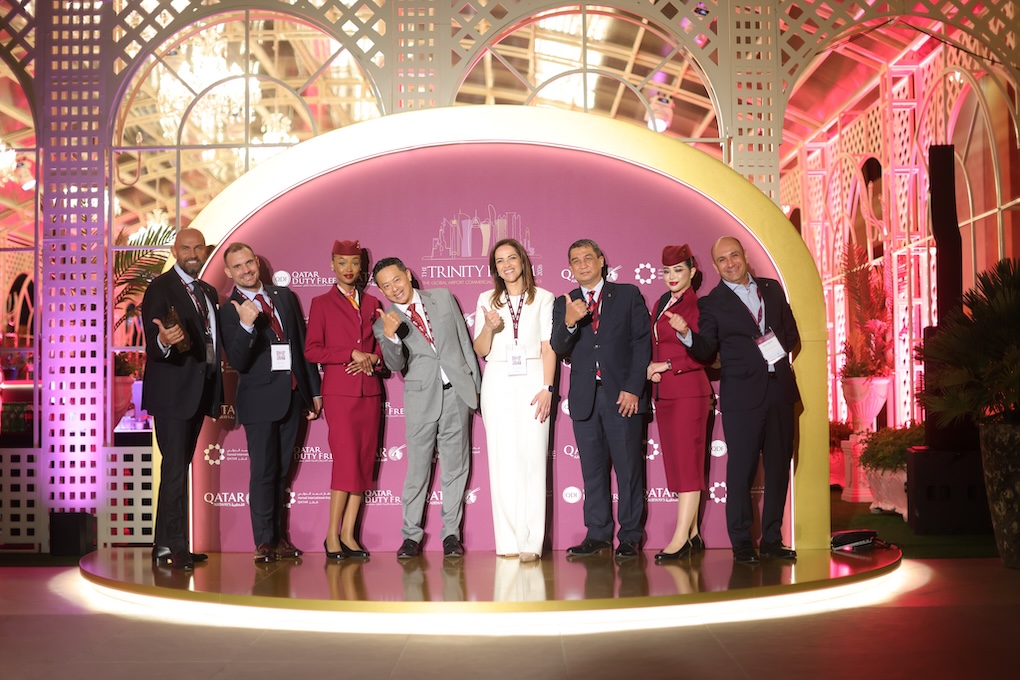
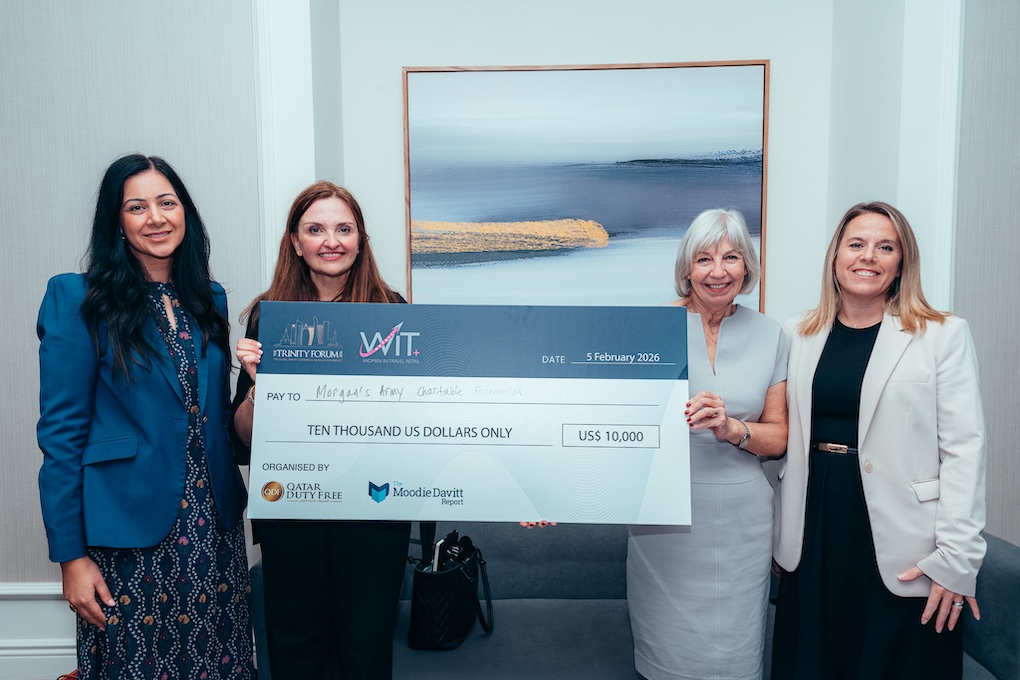
Qatar Duty Free made an extraordinary donation of US$10,000 towards Morgan’s Army, WiTR+’s chosen charity for 2026, a cause nominated by The Moodie Davitt Report Publisher Irene Revilla and Sinead Moodie, the late Moodie Davitt Report Chief Operating Officer, who sadly passed on 1 February.
Based in Wales, Morgan’s Army was founded by Natalie and Matthew Ridler after their son Morgan’s death from cancer, aged three. The charity supports families across South Wales affected by childhood cancer, with a particular focus on the often-overlooked siblings of young cancer patients.
In her speech, The Moodie Davitt Report Publisher Irene Revilla read a message from her colleague, company Founder & Chairman Martin Moodie, who could not attend this year’s Trinity Forum due to the loss of his daughter.
“You will all be aware that Sinead passed last Sunday after the bravest, and most uncomplaining resistance to such a terrible diagnosis,” it read. “She was determined from the get-go that she would define her own karma, not her disease. Morgan’s Army forms part of that karma.
“She also created #KickCancerThon, not in her own name but to help raise visibility and funds for cancer research and related causes globally. The travel retail community has responded magnificently as we join forces around the world to kick cancer where it deserves to be kicked! In the butt and out of the room!”
“I am delighted to donate £1,000 personally to WiTR’s chosen charity, Morgan’s Army and I hope the women – and men – of the travel retail community will also respond with whatever donation they can afford. It is not the sum, it is the thought. Thank you and I hope you might all raise a glass to Sinead tonight in loving memory.”
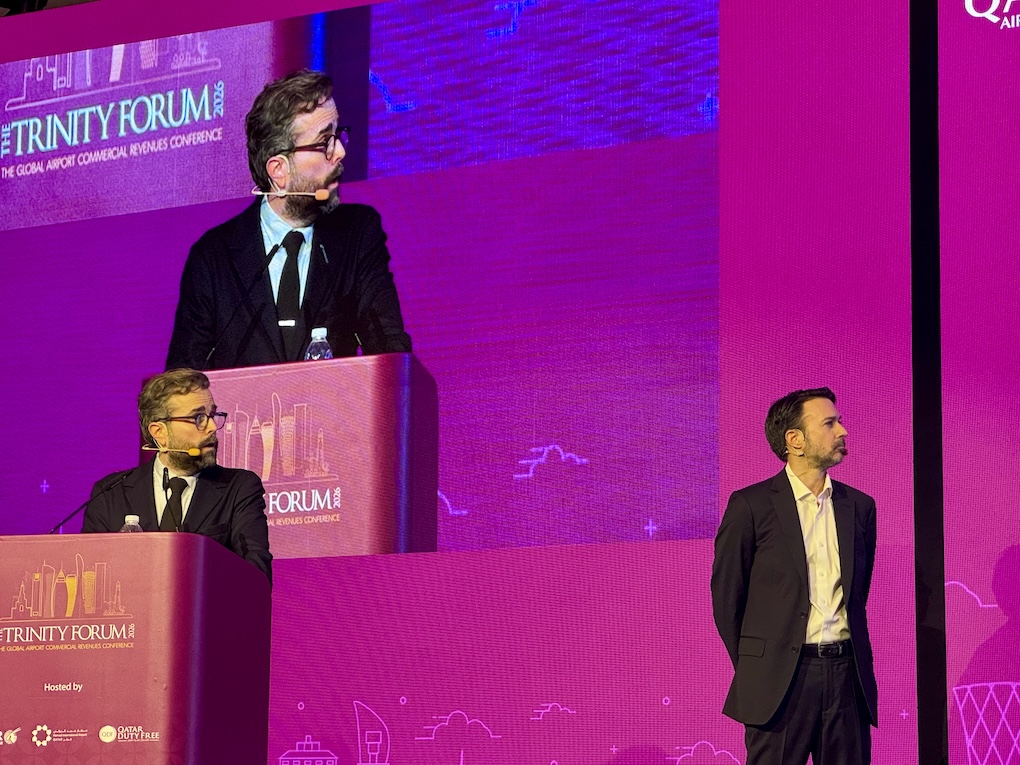
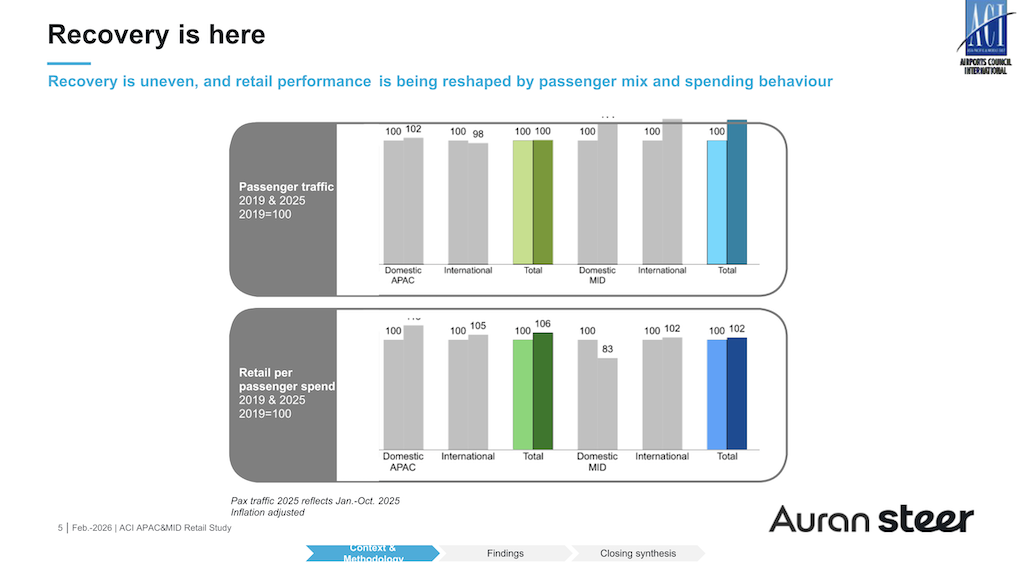
Auran Consulting Founder Kim Gray and Steer Group Director of Infrastructure and Asset Advisory Gonzalo Velasco shared some insights from a research study they conducted for ACI Asia Pacific and Middle East.
The duo said that while travel retail recovery is largely achieved across the regions, future momentum remains uneven and increasingly shaped by shifting passenger mix, spending behaviours and structural constraints within airport commercial models.
Generational differences are becoming more pronounced, with younger travellers prioritising authenticity and experience over price. However, out of all influencing factors that drive incremental purchase, only 2% are related to digital engagement. Gray said, “Experience matters but only when anchored in relevance and value. It should support relevance and value but not replace it.”
Gray and Velasco underlined that the next phase of growth will depend on more tailored retail offers and more flexible, agile commercial frameworks that can adapt to a faster-moving and more diverse passenger landscape.
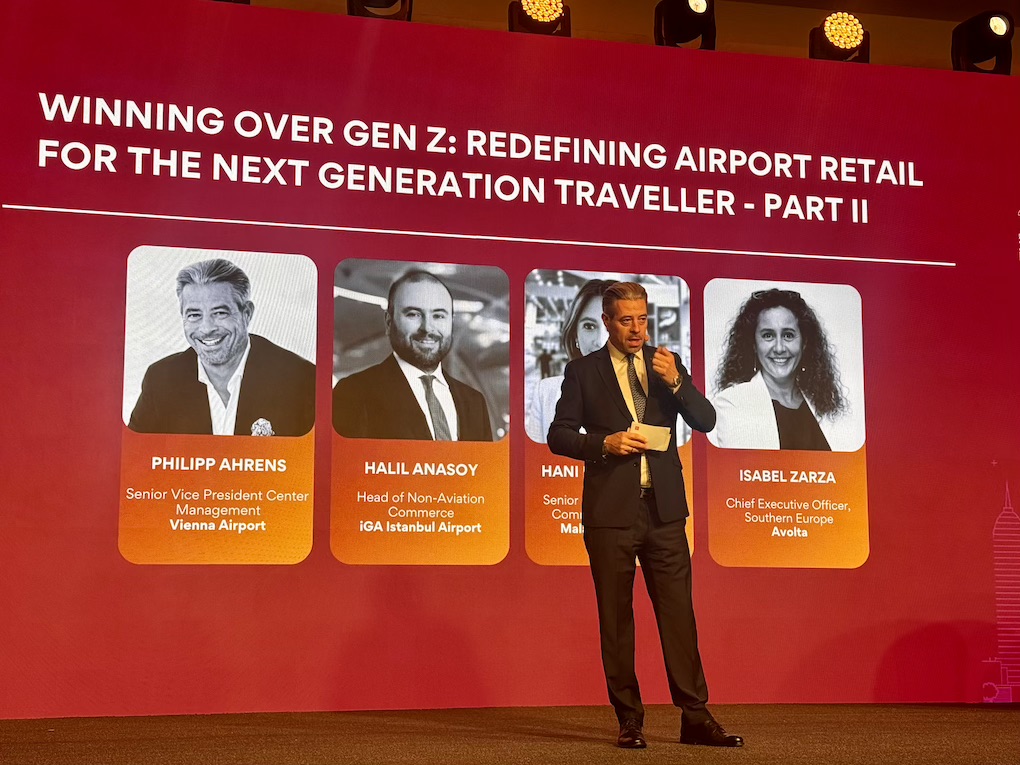
Panelists from Avolta, Istanbul Airport and Malaysia Airports discussed how each of their companies are engaging with Gen Z travellers.
Malaysia Airports Senior General Manager Commercial Services Hani Ezra Hussin shared insights from a recent qualitative study Malaysia Airports conducted with Gen Z passengers. The findings revealed that Gen Z travellers use digital tools for information and research, but still choose to make the purchase at the airport.
“When asked what will make them spend more, the feedback is that they want something made uniquely for them,” Hussin said. “Investing in experiential, sense of place and retailtainment are all key.”
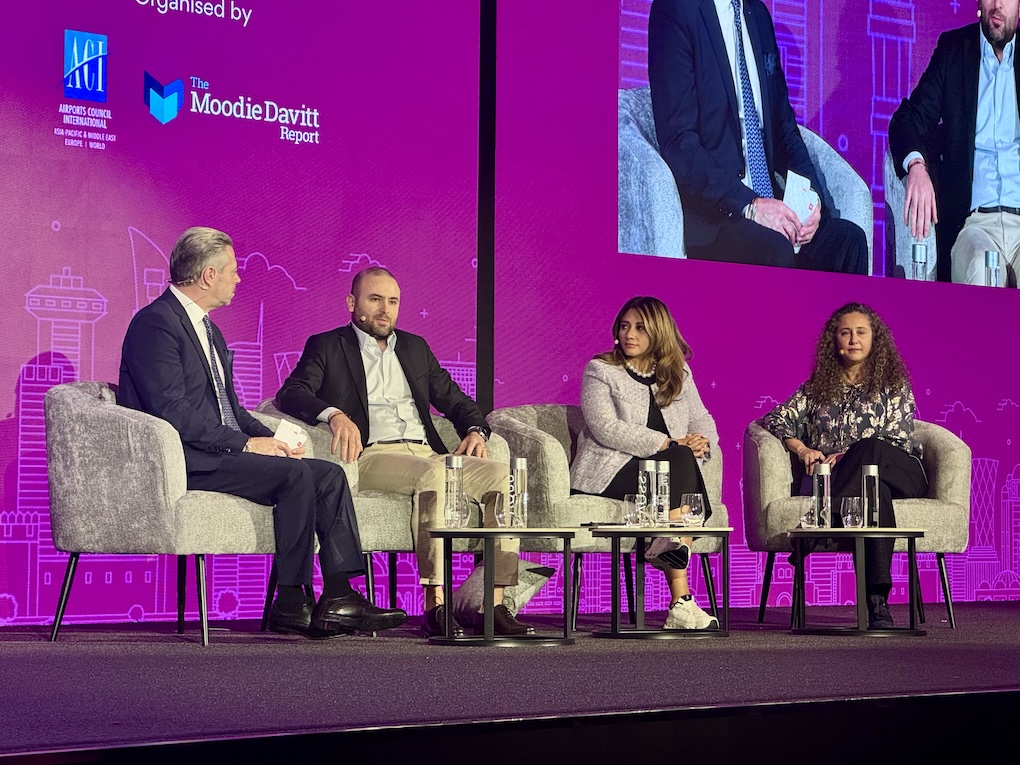
Avolta Chief Executive Officer Southern Europe Isabel Zarza talked about how the company is bridging the worlds of retail and F&B to attract and engage Gen Z travellers. “Gen Z are ready to spend if we can connect with them. At Avolta, we connect through emotions, experience and exclusivity.”
Zarza highlighted the Avolta Hungry Club as an innovative example of how Avolta is connecting with Gen Z travellers through retail and F&B.
She said: “Hungry Club is a huge success because it connects with Gen Z travellers in terms of emotion, experience and can only be found in airports. Most importantly, it succeeds in getting Gen Z travellers to come to the airport early.”
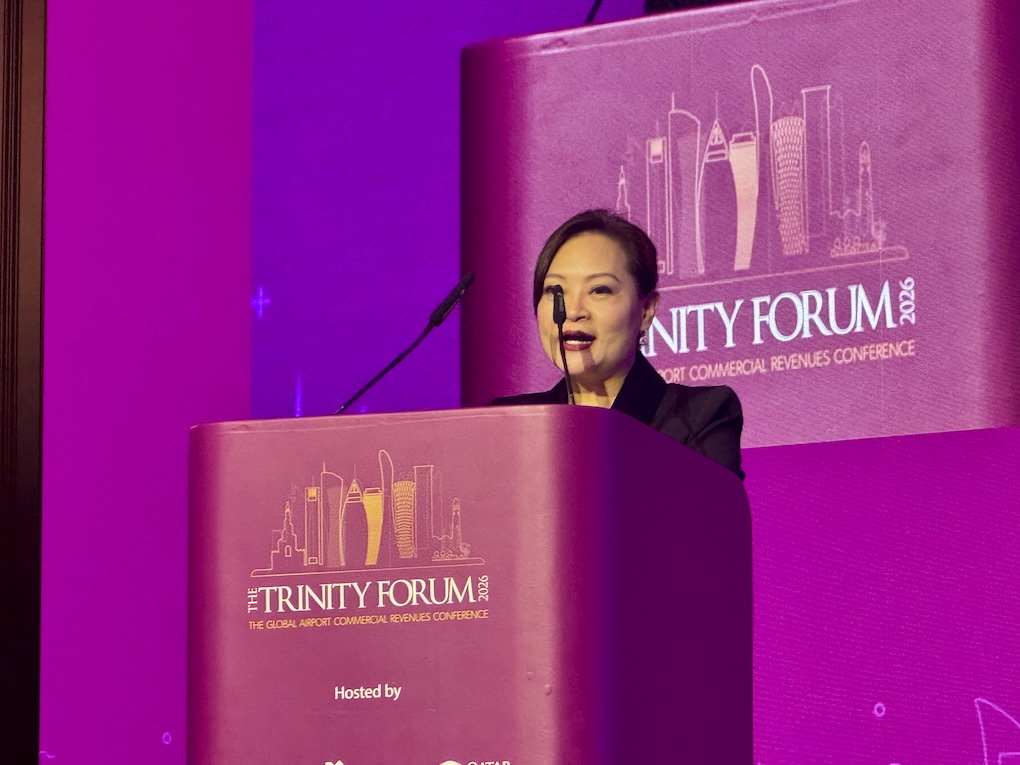
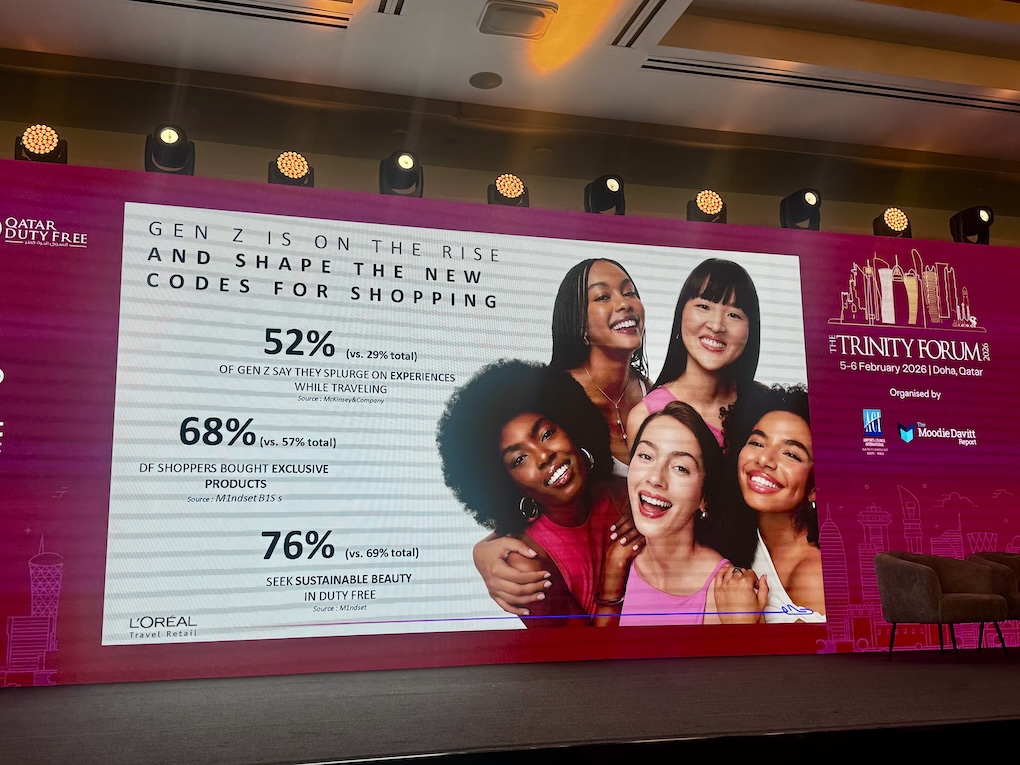
L’Oréal Travel Retail President Eva Yu outlined the beauty powerhouse’s ambition to transform airports from transit points into immersive beauty and entertainment destinations, driven by the rising influence of Gen Z travellers.
With passenger volumes forecast to reach 5 billion by 2030 and 750 million new beauty consumers entering the market, Yu highlighted Gen Z’s amplified expectations around experience, exclusivity and sustainability as key accelerators for the channel.
L’Oréal positions itself at the forefront of the From Waiting Time to Wow Time revolution through travel-exclusive innovation, refill-led growth and phygital, socially shareable activations that extend impact beyond the store.
Yu concluded with a call for deeper industry collaboration – a Pentarchy ecosystem uniting brands, retailers, airports, carriers and digital media partners – to collectively redefine the future of travel retail.
The Moodie Davitt Report President & Editorial Director Dermot Davitt, PT&M Managing Director Éric Trichot and PT&M Associate Director Caroline Maurs revealed a Trinity-inspired initiative to build a global intelligence platform centred on tender information.
Positioned as industry infrastructure rather than a product, the platform will address persistent challenges, including fragmented information, late-stage opportunity discovery and increasingly overlapping tender cycles. It will enable airports to share clearer concession timelines, while operators and brands contribute structured profiles and signal interest ahead of tenders.
The aim is to create a controlled, two-way flow of intelligence that strengthens transparency, improves planning and supports better decision-making across the sector, with Founding Partners now invited to help refine the platform ahead of its operational launch later in the year.
View this post on Instagram
ACI Europe’s Tender Code Modernisation framework sets out a clear case for updating the airport tender framework to reflect today’s far more volatile and increasingly digitalised airport landscape.
The initiative, led by the ACI Europe Commercial Forum, positions the modernised Code as a shift from historic standardisation towards greater flexibility, resilience and shared value creation.
The Code is backed by survey evidence from more than 55 stakeholders across brands, airports, retailers and advisors throughout Europe. It highlights strong cross-stakeholder alignment around evaluation models, stronger customer experience KPIs, improved data transparency and built-in contractual adaptability. It also identifies persistent operational gaps, such as over-reliance on fixed MAG structures and insufficient passenger and sales data.
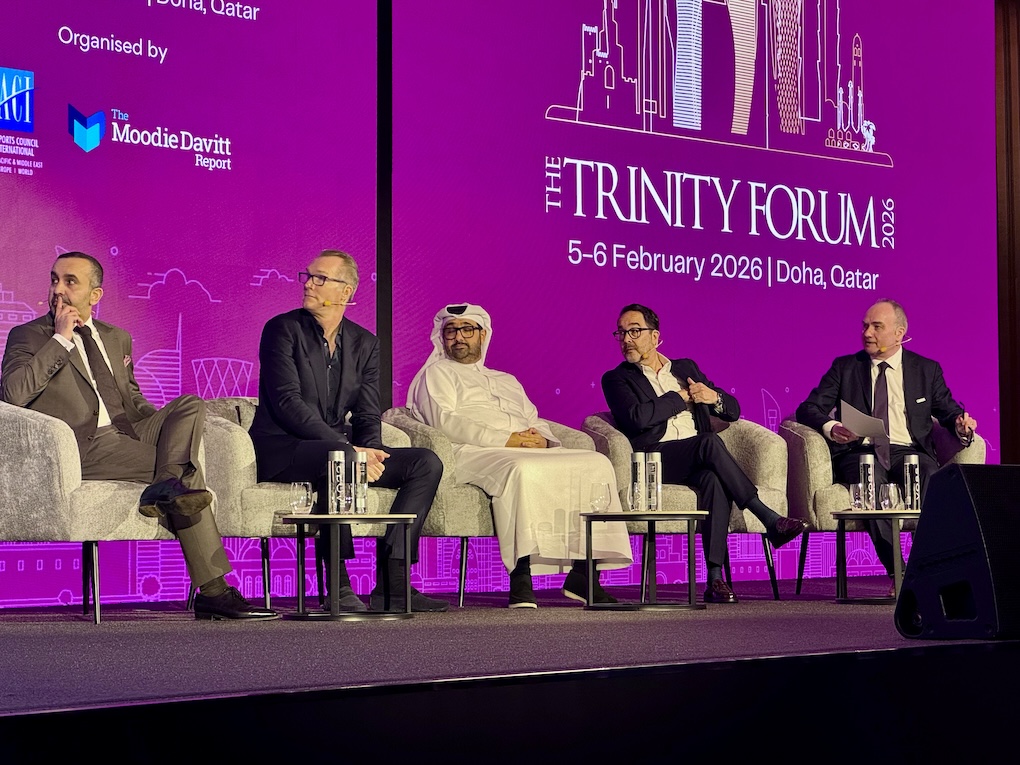
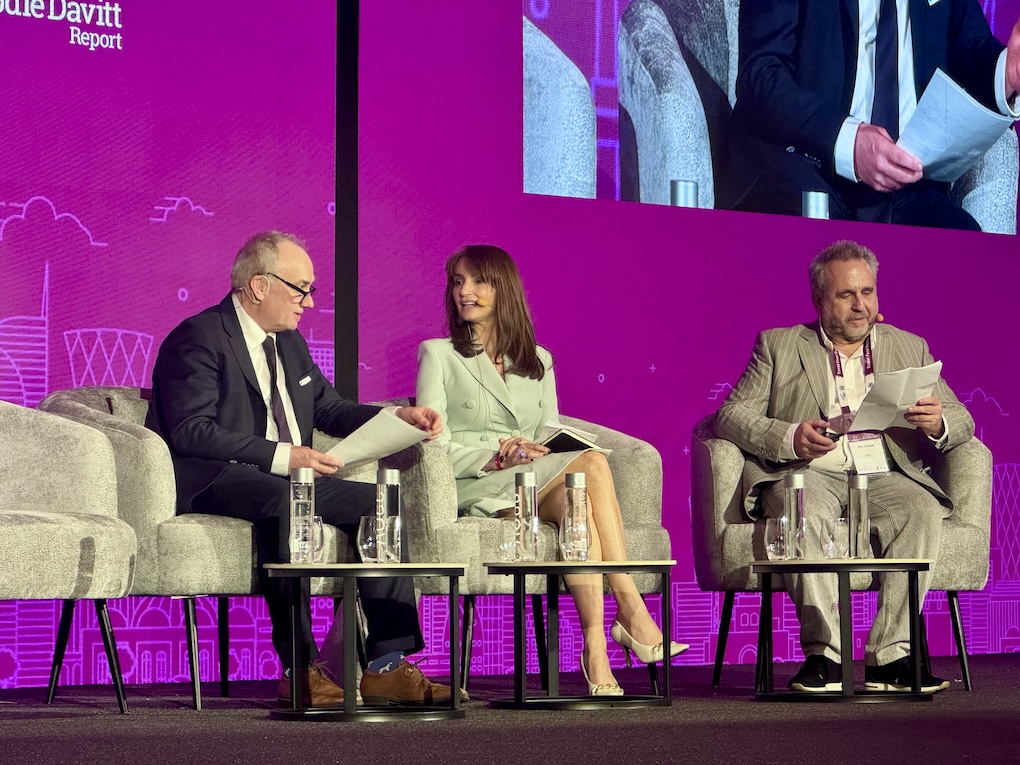
In a compelling panel discussion, senior industry leaders explored how genuinely collaborative models can unlock stronger commercial outcomes. They discussed how these models can deliver more compelling passenger experiences, particularly when partnerships move past siloed or adversarial structures.
With Hamad International Airport positioned as a case study in integrated stakeholder alignment, the session challenged delegates to rethink the foundations of collaboration, asking candidly: What makes a successful partnership work?
The conversation also addressed ROI, operational complexity, innovation and the need to create not good but great collaborations that grow the category and resonate with evolving traveller demographics.
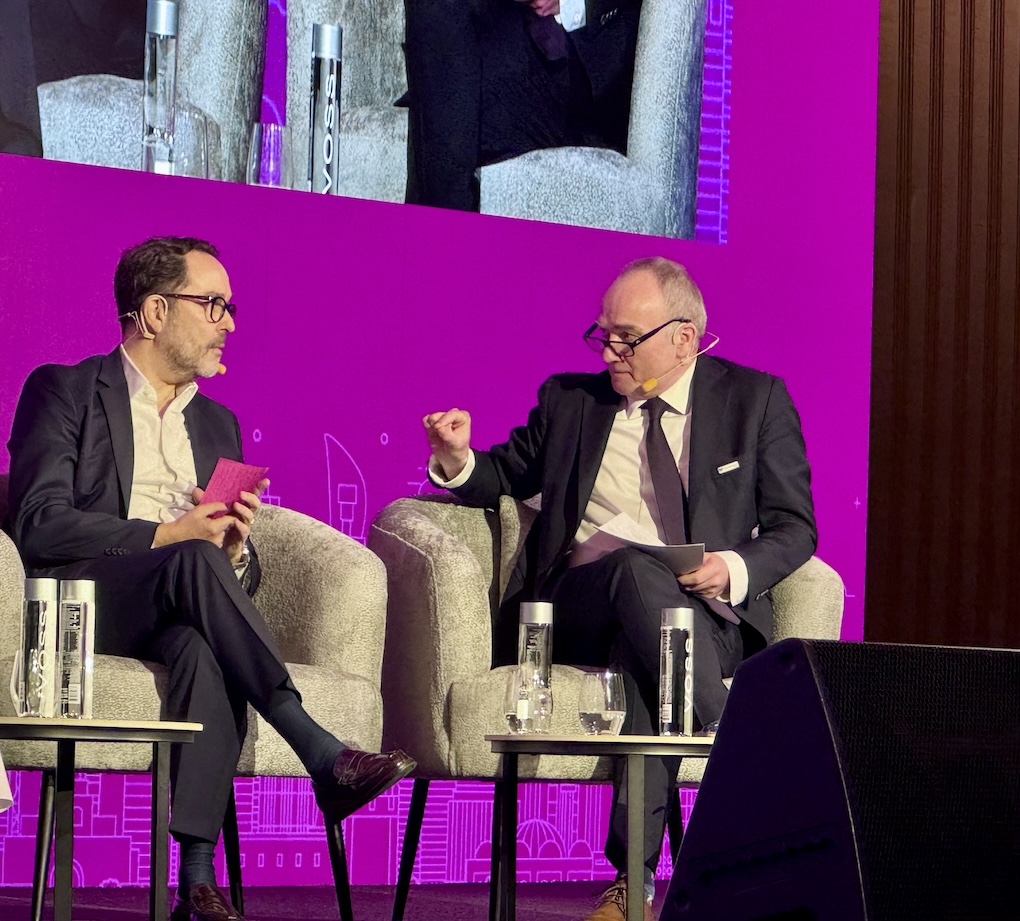
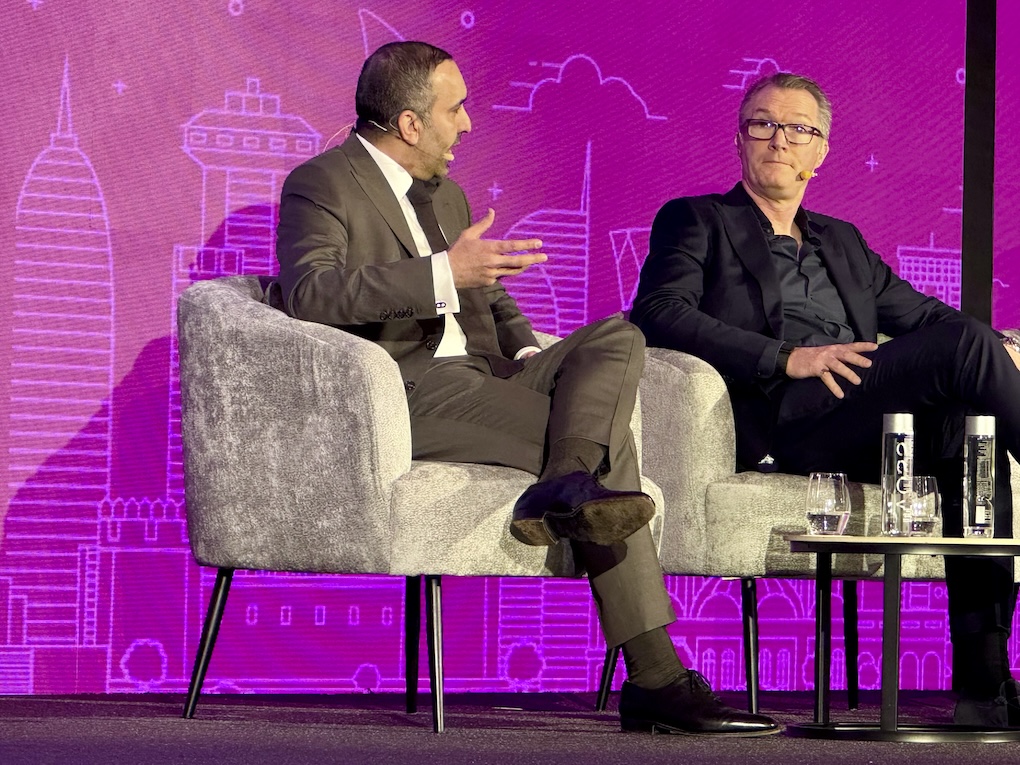
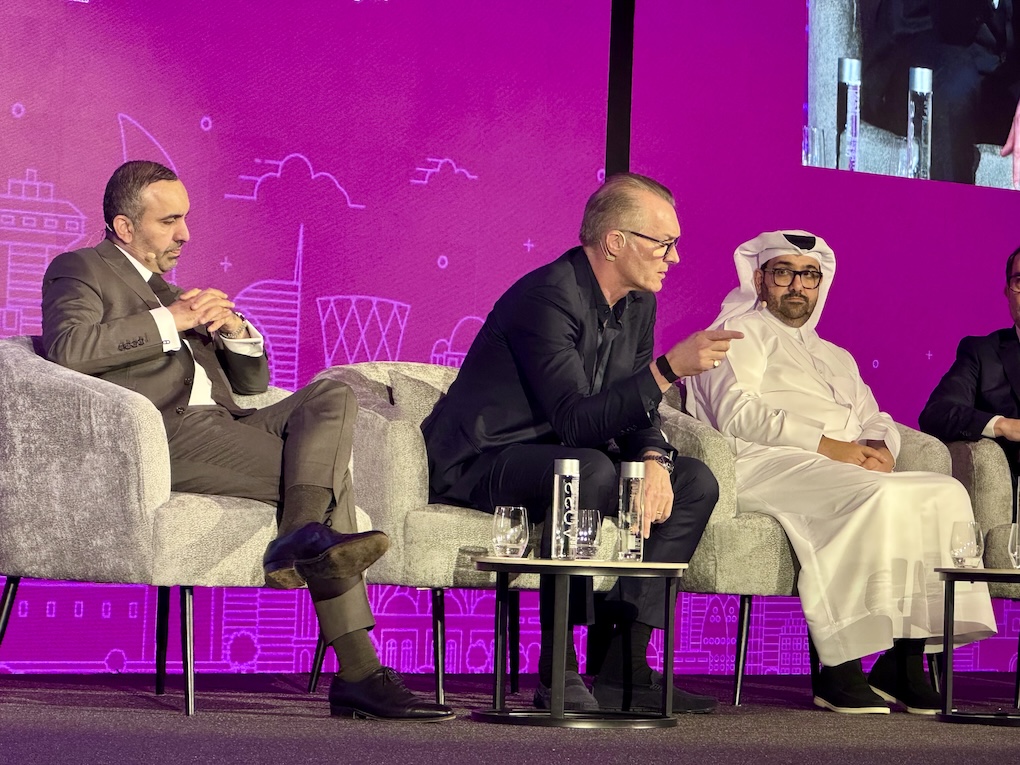
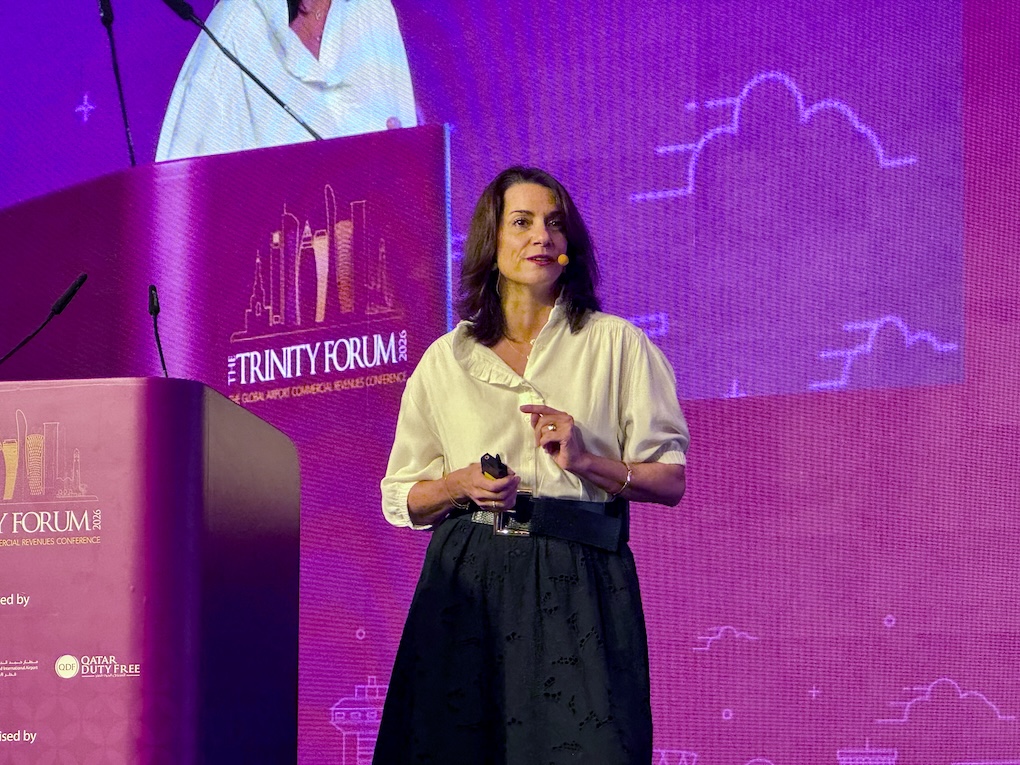

In a thought-provoking series of presentations, Kinetic Consultancy Founder and Managing Director Martijn Steur, TAV Operation Services CEO Aude Ferrand and Lagardère Travel Retail Executive Vice President Strategy & AI Qihua Wang explored the evolving balance between humanisation and digitalisation.
The speakers highlighted how AI and digital tools are reshaping the passenger journey, from personalised engagement to smarter retail execution, while underlining that technology must ultimately serve, not replace, the human touch.
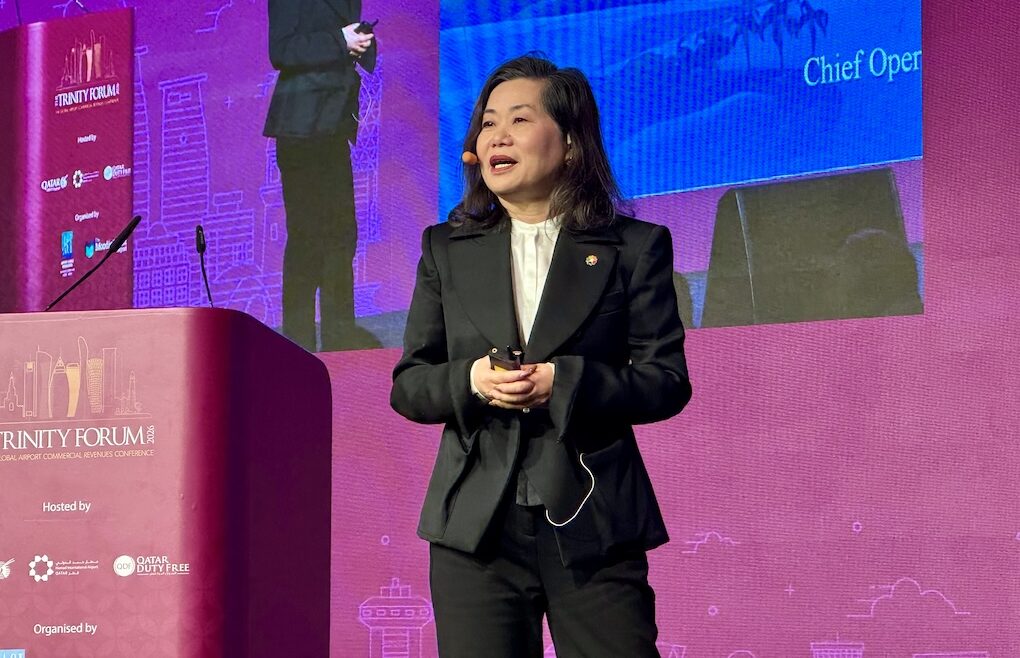
China Duty Free Group (CDFG) Chief Operating Officer Yvonne Chan highlighted the China travel retail market’s shift to precision growth. According to Chan, this next phase is driven by evolving consumer expectations, omnichannel integration and targeted engagement.
She said: “We are transitioning from growth that previously came from growing passenger traffic, channel and product expansion. Going forward, we see growth coming from cultivating the consumer circle. We are going from a coverage to a cultivation of consumers.
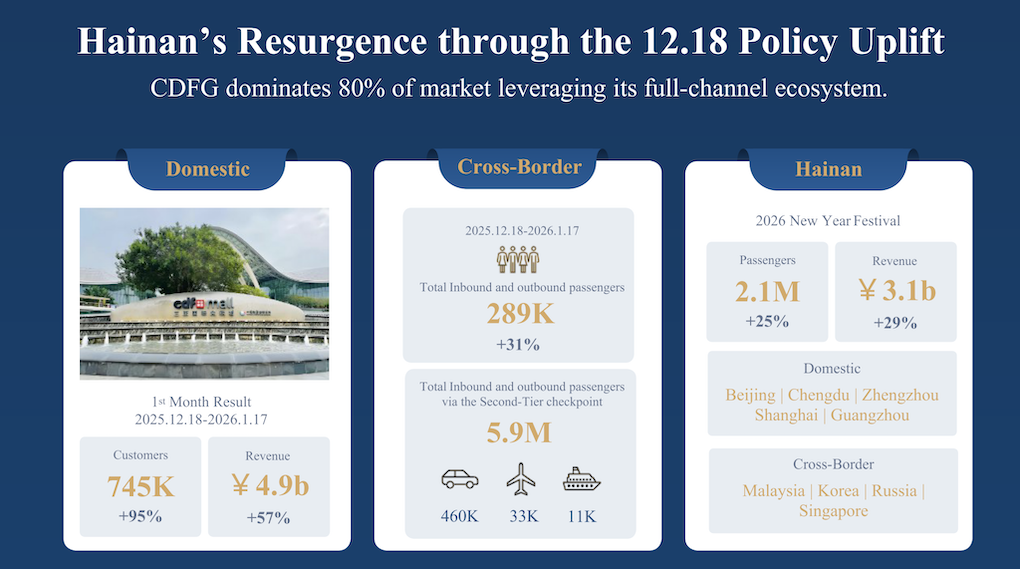
“The copy paste model of ten years ago is not going to work anymore. It’s important that we connect to our consumers in a way that’s personal, one-on-one, instead of a mass segment,” she added.
She also talked about the resurgence of Hainan following the 12.18 policy uplift – where CDFG holds around 80% market share – and the rise of self-oriented, value-driven consumption in what she termed the “Era of ME”.
Finally, Chan brands and airports to adopt a China-first mindset and “reinvent beyond rent” to unlock future growth.
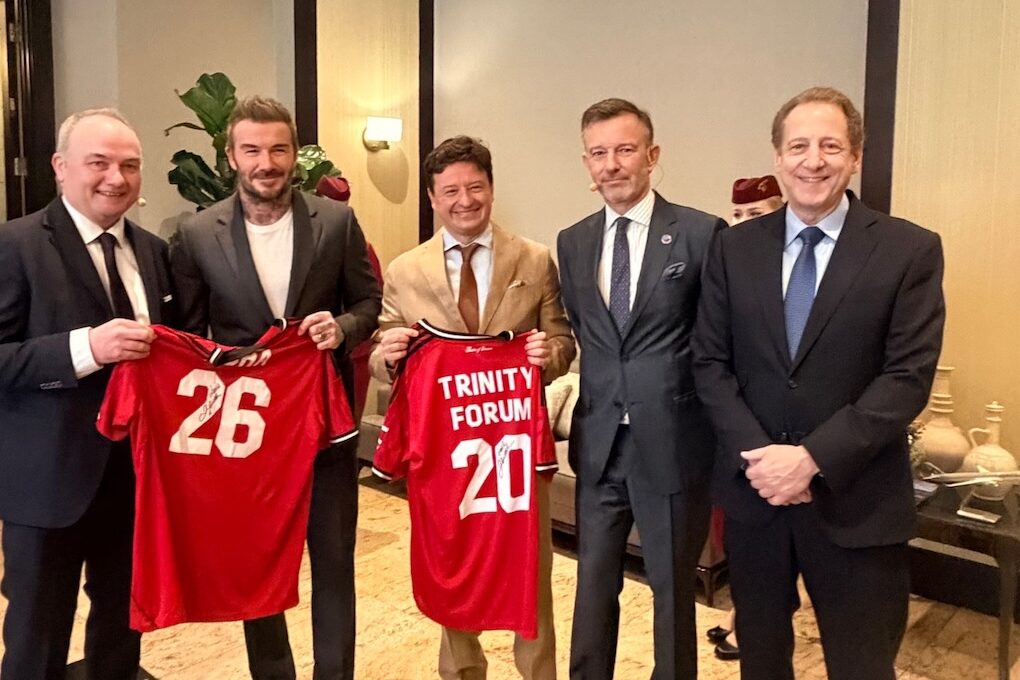
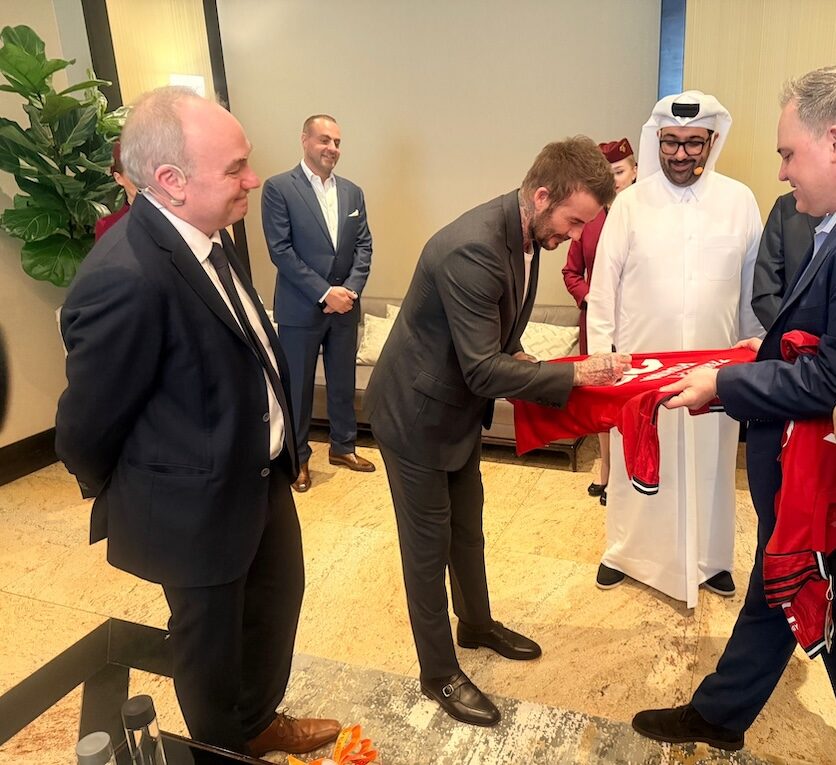
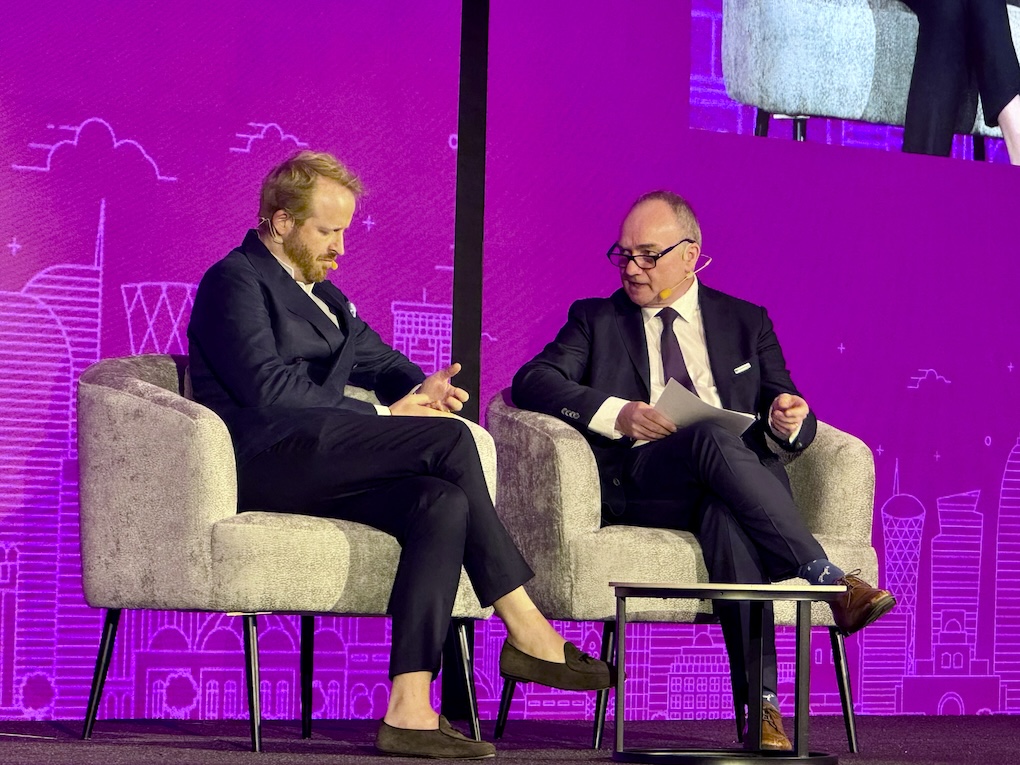
In a fireside chat with Dermot Davitt, Gebr. Heinemann Owner and Co-Chief Executive Officer Max Heinemann discussed how the retailer is future-proofing its business amid the current volatility of the industry. He said: “We are in a fragmented world. We are seeing a huge generational shift and we need to better understand that shift and build the bridge between generations.”
Heinemann also talked about the long-term approach that has helped the company remain a family business for 150 years and continue to maintain relevance in the years to come. “You don’t get to become a 150-year-old family business if you don’t lead with partnership. Long-term planning is key. If you look at Istanbul Airport for example, we co-designed 56,000sq m of the commercial area from the supply chain to the shop floor.”
Looking ahead, Heinemann said: “We are all in a position to push ourselves forward in a dramatic way. We need to write a new narrative for the traveller before the traveller writes that for us. If we don’t understand that transformation isn’t linked to guarantees and minimums then you strangle innovation from the beginning.”
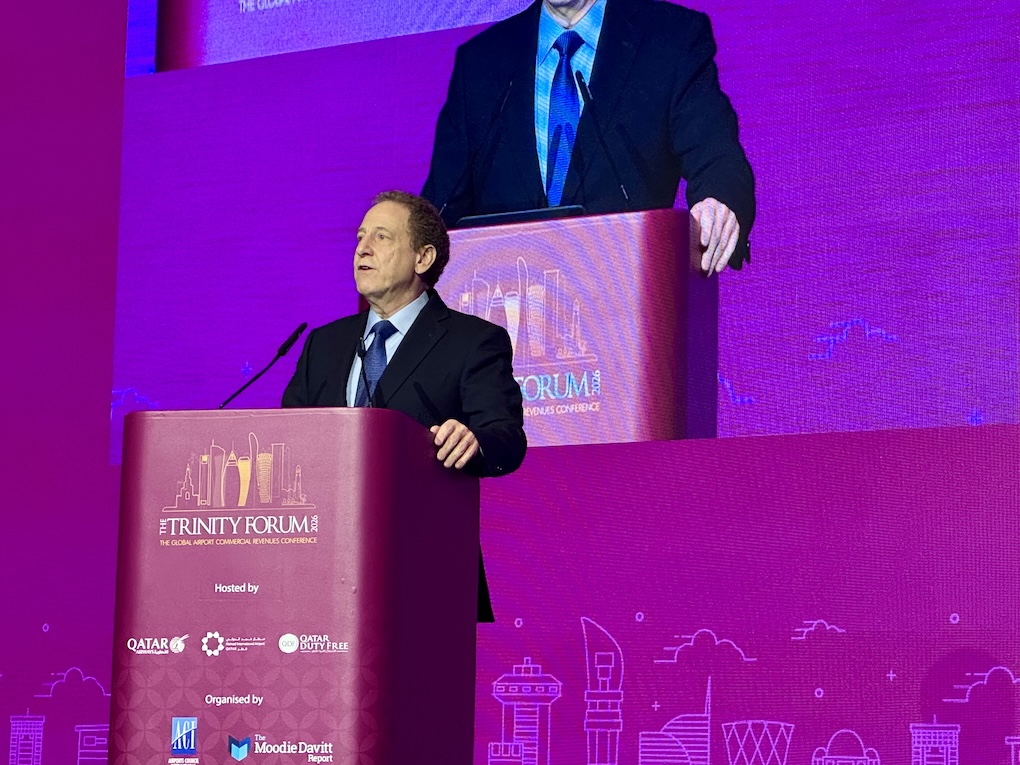
ACI World Director General Justin Erbacci offered the global airport recovery perspective. He said: “ACI World’s latest forecast shows that global passenger traffic will reach 10.2 billion in 2026 and that number will double by 2045. While passenger traffic is growing airport revenue hasn’t kept pace.
“Global airport revenue is still 2% below pre-pandemic levels and that’s most visible in non-aeronautical revenues. It is 8% below 2019 and lags behind passenger growth by two-and-a-half years. That gap is narrowing but it’s not closed.
“The expectations for airports have never been higher from capacity expansion to service quality, de-carbonisation and digitalisation. Non-aeronautical revenues represent 40% of airport revenues globally and are critical to economic resilience and long-term viability of airports.”
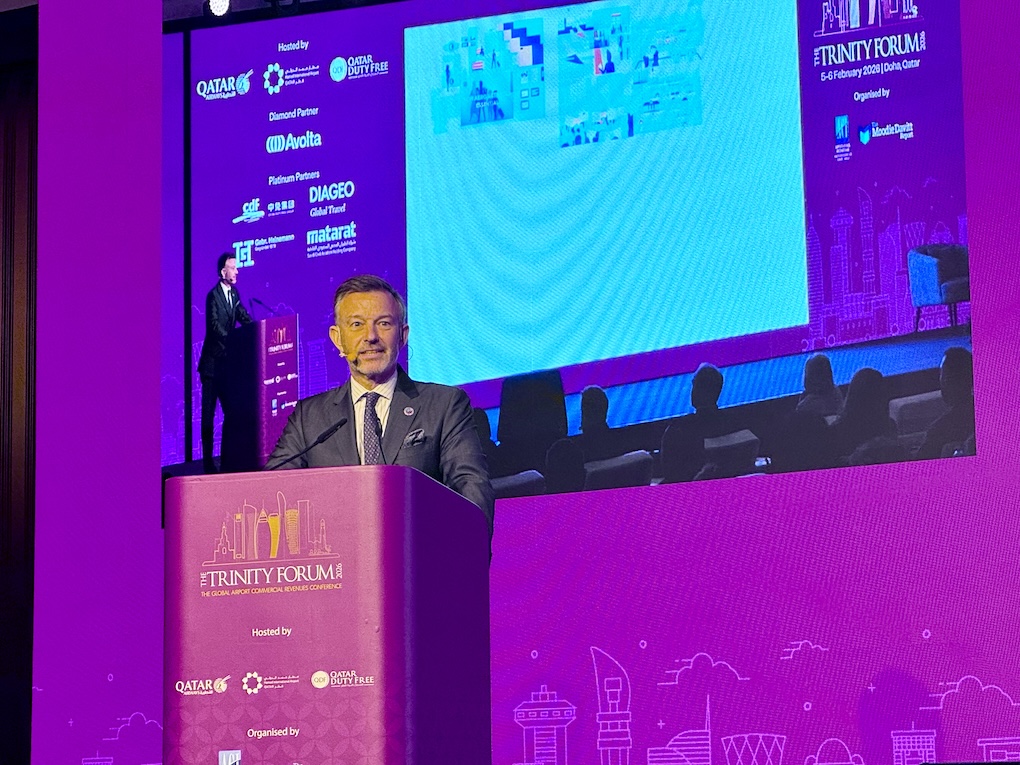
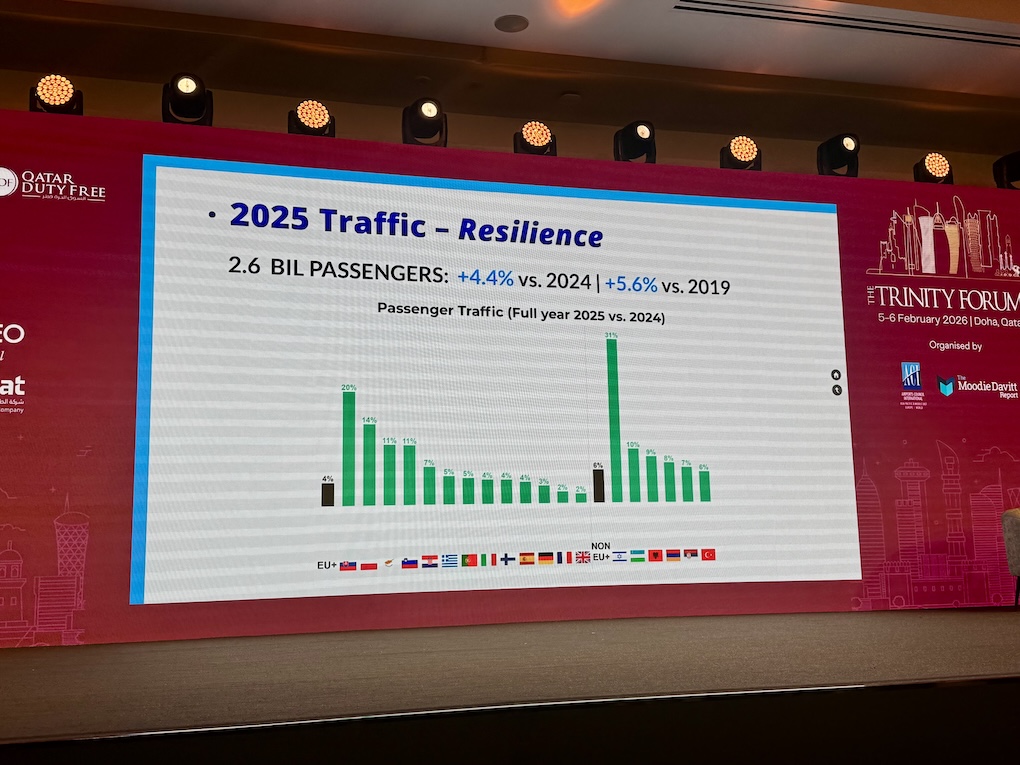
ACI Europe Director General Olivier Jankovec offered the recovery outlook for European airports. He said, “Europe welcomed 2.6 billion passengers last year, +4.4% versus 2024 and +5.6% versus 2019. 59% of airports have achieved a full recovery since 2019.
“2026 will see +3.3% passenger growth versus 2025. However, if you look at the longer-term view, you will see that the European market is maturing. So, while traffic will double to 5.1 billion passengers by 2054, the CAGR will be +2.4%, much slower than the past. Non-aeronautical revenues are essential to future-proof and diversify our business.”
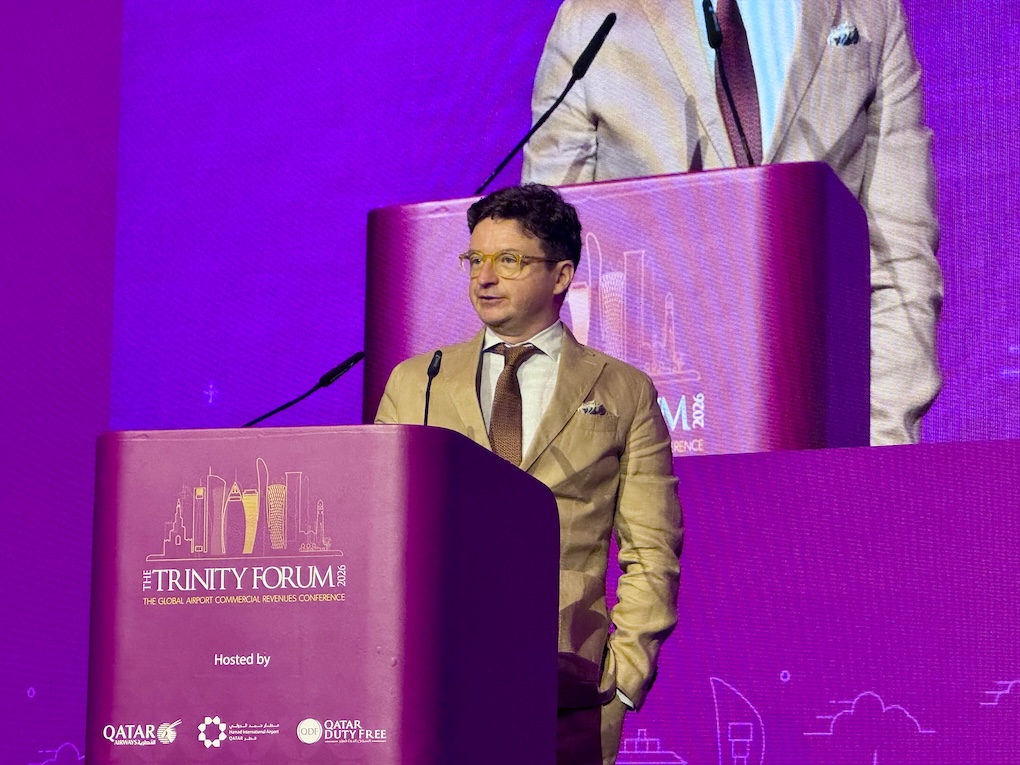
ACI Asia-Pacific & Middle East Director General Stefano Baronci offered a wider outlook into the biggest shifts in passenger demographic and preferences shaping his region.
He said, “61% of airports are fully recovered or at 2019 levels, while 56% of airports have commercial revenue and passenger spend above or beyond 2019 levels.
“Passenger behaviour has fundamentally changed. One of the strongest changes has been more interest in F&B and the growth of a more conscious consumer. The right passenger mix delivers value, the wrong passenger mix stagnates growth.
“The most important change is in the difference between generations,” he added. “Gen Z travellers are driven by experience and authenticity, while Millennials show a similar pattern balancing authenticity, experience and price. Meanwhile, passengers like Gen X and Boomers are still influenced by the price advantage.
“Despite being perceived as lower spenders, Millennials and Gen Z show 3.5x higher spend per purchase than Gen X and Boomers, so if the offer is right they are willing to spend.”
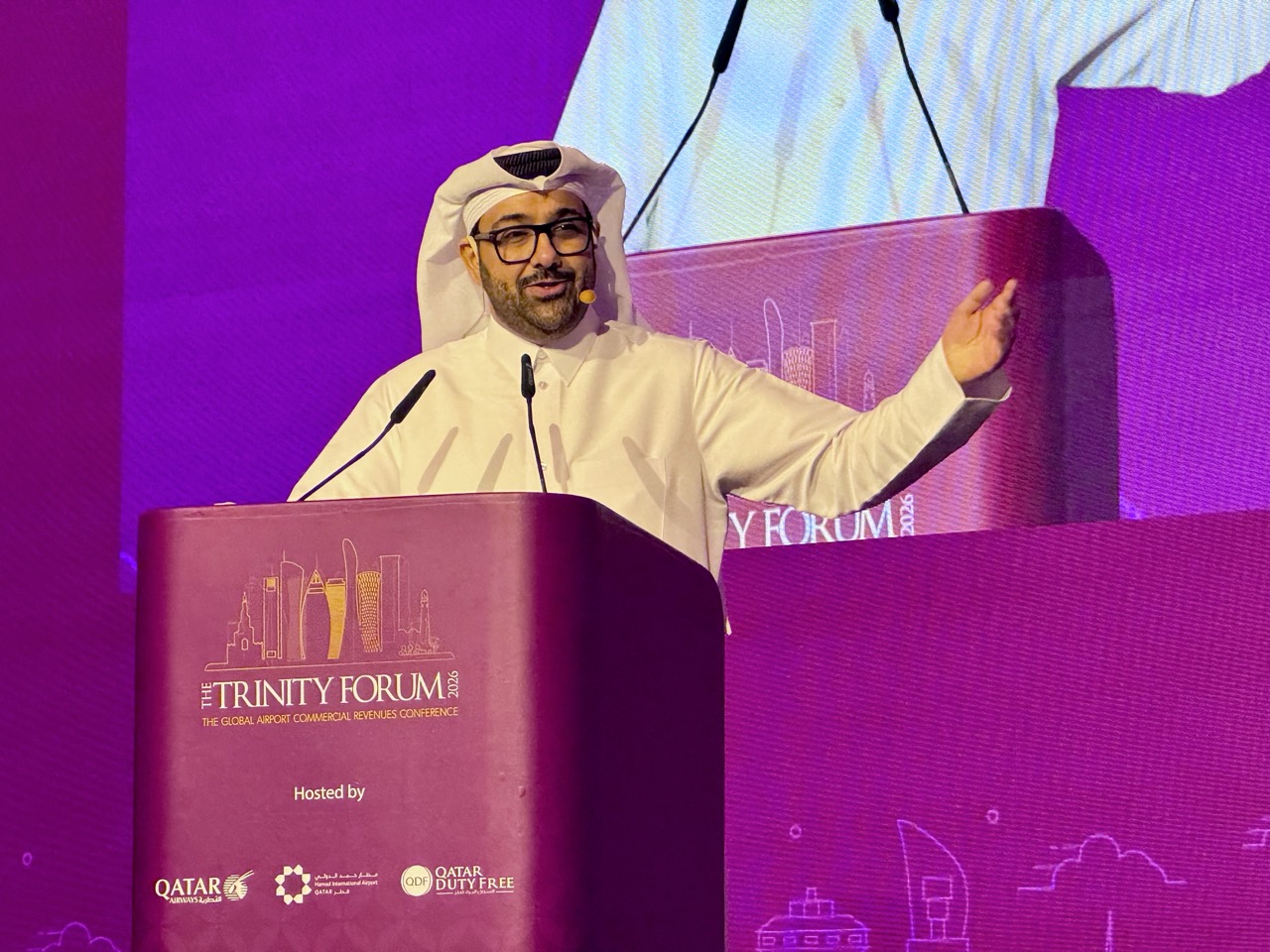
Musleh gave a fascinating presentation on how differentiation, data and dialogue can and should come together to win in travel retail. He said: “Personalisation is our sharpest weapon against customer fragmentation. When brands, retailer and airports align, we can cut through the noise together.”
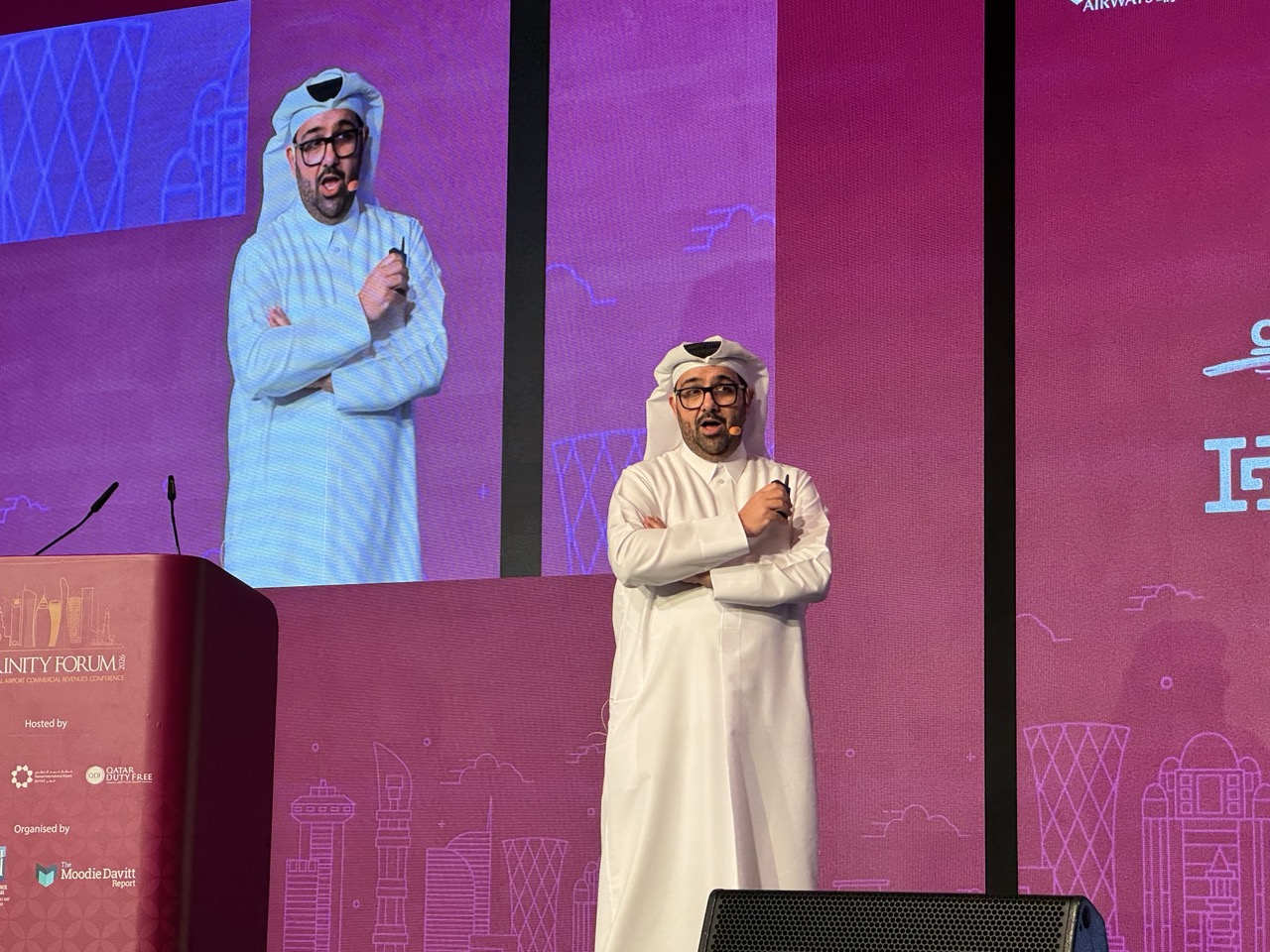
Musleh also underlined the power of Qatar Airways Group’s unique Trinity model, which combines airport, airline and retailer in one. “This model has removed all silos with every passenger belonging to each pillar of the Trinity. Our own sales grew +13% last year as we continue to outpace traveller growth.”
Musleh also shared how the 36Q data-sharing platform, revealed at The Trinity Forum 2025, can leverage real-time insights to drive conversion. Citing the ongoing Toblerone Pink Crush campaign, Musleh said: “With the help of real-time data sharing, we saw a +31% increase for Toblerone Pink Crush which has outperformed the category. Data sharing created actionable insights, our partnership executed the win.”
He also cited other examples of recent successful collaborations, including the opening of the first Pop Mart in the region; the Charlotte Tilbury holiday campaign, which saw +700% growth for the brand and uplifted the overall cosmetics category by +36%; and the innovative hybrid beauty and F&B concept Lancôme Café de la Rose.
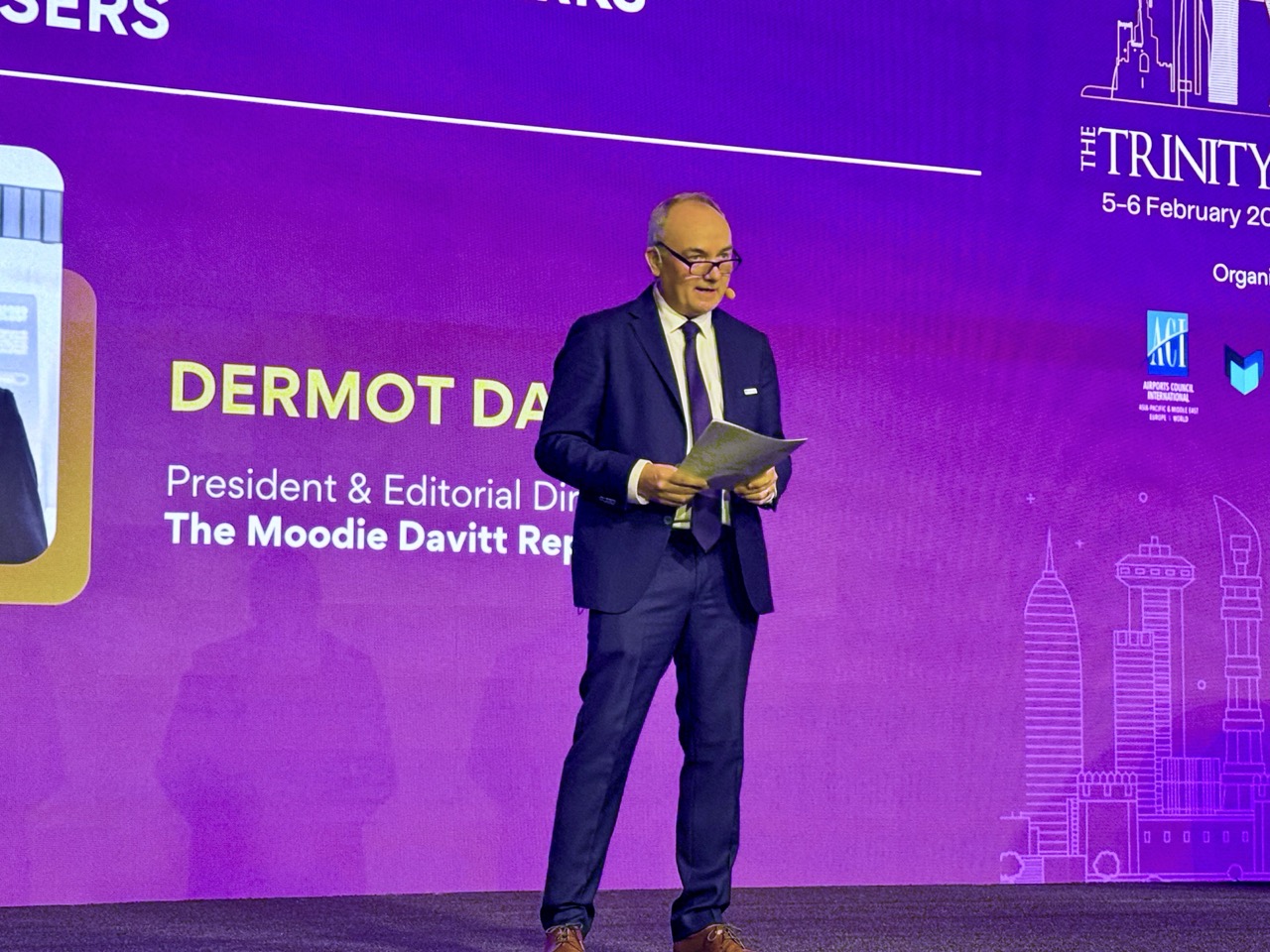
Wednesday 4 February
This opening film, scripted by Martin Moodie and edited by Alexander Roux, filmmaker for Moodie Davitt STUDIO, set the scene for the ensuing two days.