


Introduction: As brands compete for travellers’ attention, creating meaningful experiences without overcomplicating the shopping journey remains a challenge. In this opinion piece, Rituals Global Travel Retail Director Lotte Rozemuller explores the role of cultural storytelling and sensory experiences in driving engagement, drawing on the brand’s Amsterdam Collection and its travel retail roll-out.
When we return from a trip, it is often the smallest things that bring it back to us. A familiar scent, a flavour first discovered abroad or a gift chosen for someone waiting at home can remind us of a place and, more importantly, of how we felt there.
Travel gives us permission to step outside our usual rhythm. The challenge, once we return, is to hold on to a little of that feeling.
For travel retail, this presents an opportunity. Airports mark the transition between a journey and whatever comes next. A purchase made there can become a bridge between the two: something we use, enjoy or share long after we have unpacked.
For brands, the question is how to give that purchase lasting relevance. A product with thoughtful design, a credible story and a practical role in everyday life has many opportunities to be enjoyed again.
Amsterdam, expressed through the senses
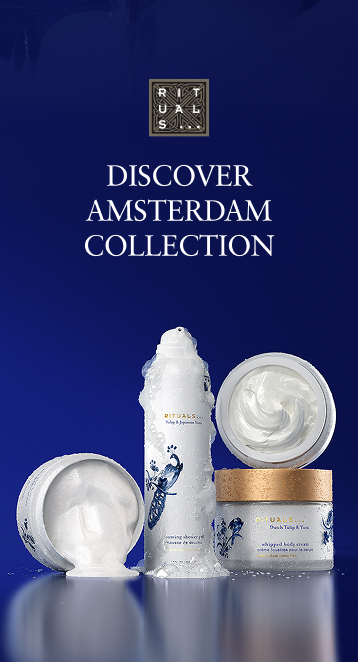
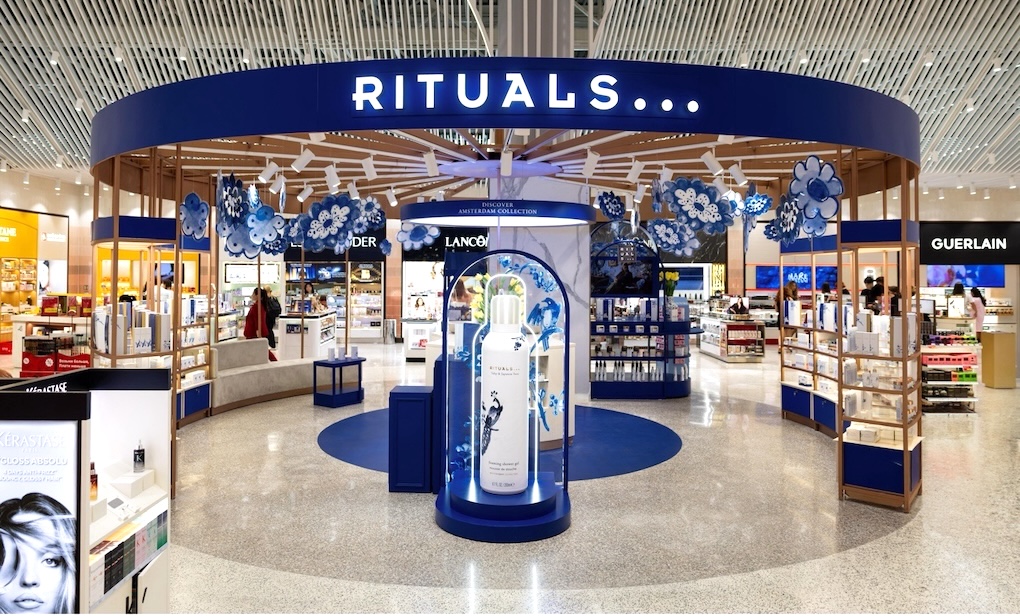
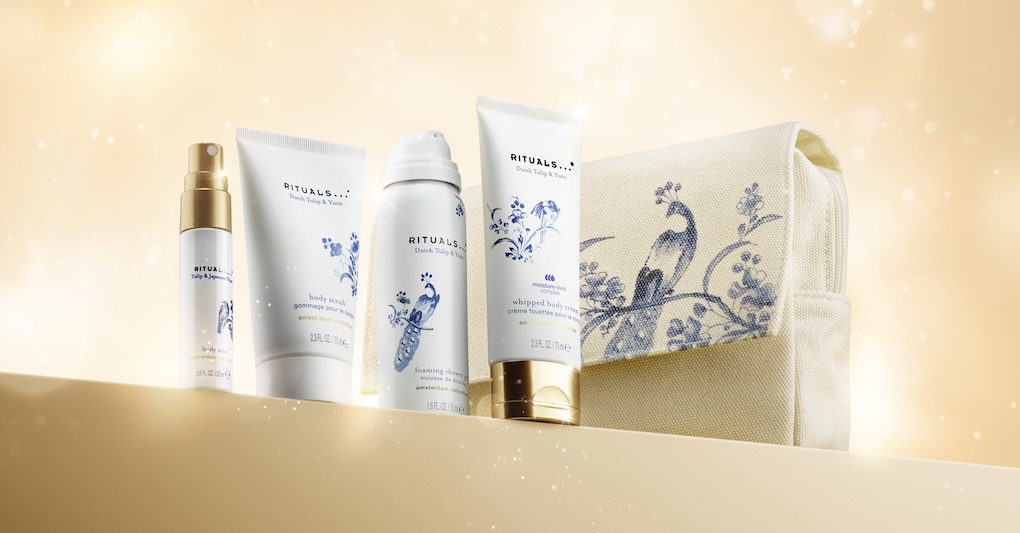
At Rituals, the Amsterdam Collection brings this thinking to life. Created in partnership with the Rijksmuseum, it combines Dutch tulip with Japanese yuzu, while its Delft blue-inspired design draws on a vase in the museum’s collection. Together, these elements reflect a historic connection between East and West.
Amsterdam is our home, and the collection gives us a way to share something of its character with the world. Its creativity, cultural richness and openness to different influences provide a story that can be expressed through fragrance, design and the experience of using the products.
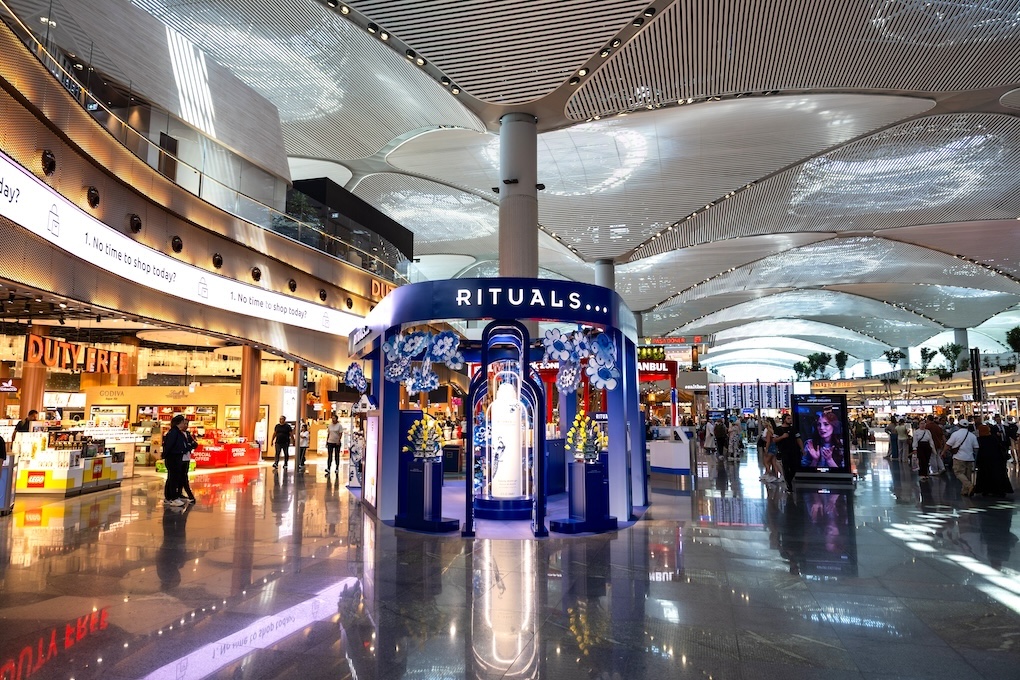
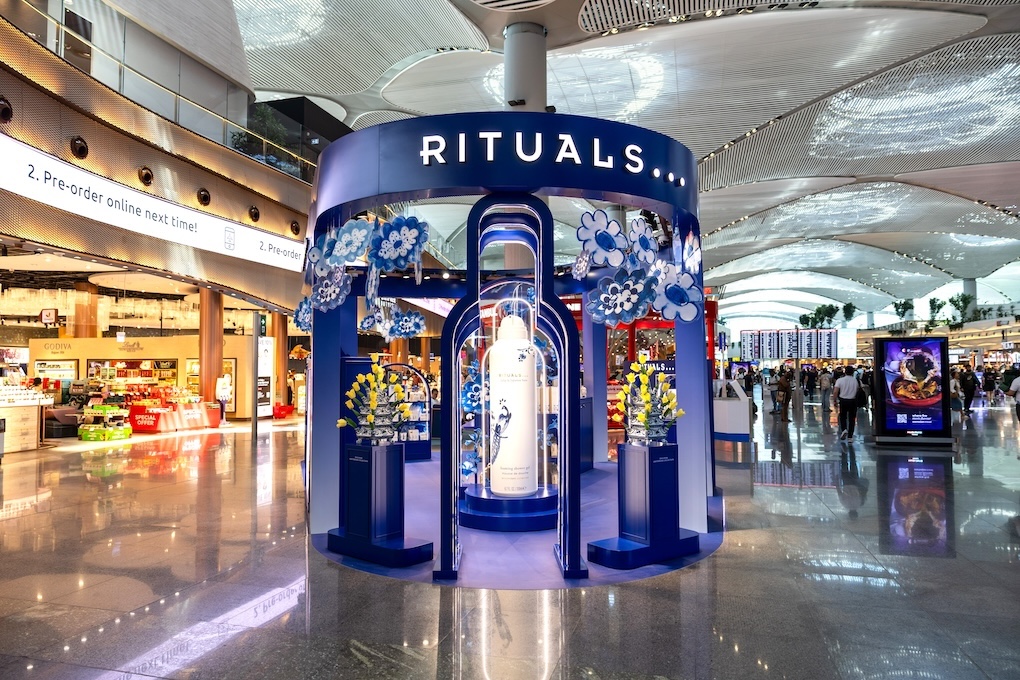
This summer, we took that story to more than 800 duty-free shop-in-shops worldwide, with 120 locations featuring dedicated marketing executions. From pop-ups and podiums to heads of gondola, each format was tailored to its location to maximise visibility and engagement.
The important part is how naturally people can enter that story. Someone might first be drawn to the blue-and-white packaging. Another person may enjoy the fragrance or see a gift that feels right for a friend. Curiosity can lead them further, but enjoying the collection should never require a history lesson.
For me, good storytelling begins with that freedom. The immediate experience should be rewarding in its own right, with depth available to those who want to discover it.
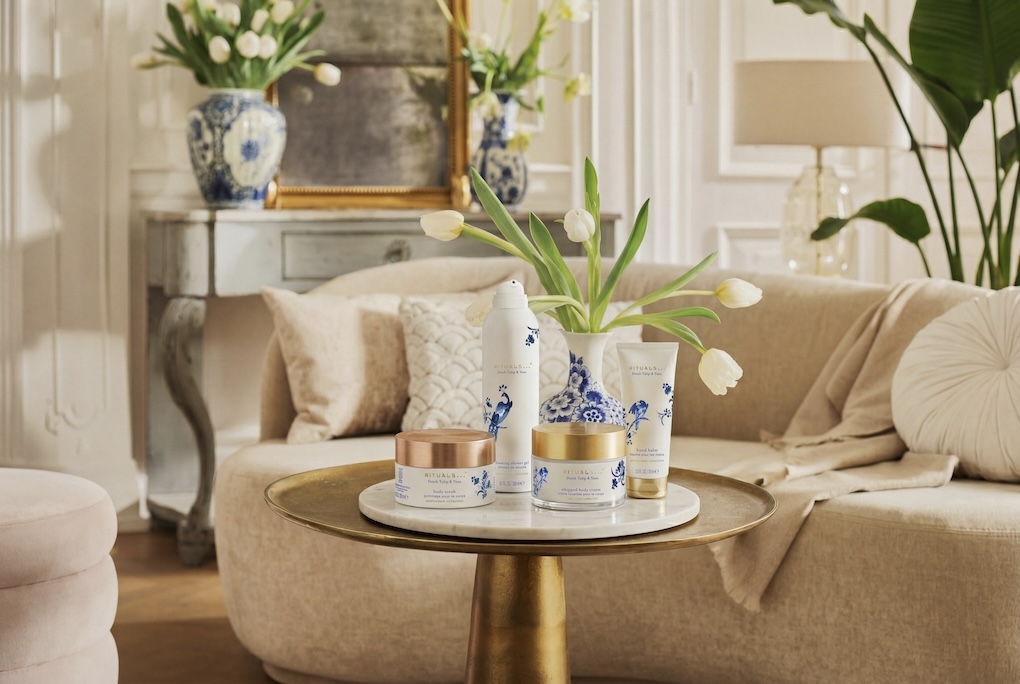
Through products for the body and home, the collection gives that cultural inspiration an everyday role. A traveller can take it home and make it part of their own routine.
Commercially, the response has been strong. Across the roll-out, Amsterdam Collection sales increased +200%, with the travel pouch and shower foam emerging as the best-selling products. For us, these results reinforce the value of combining local storytelling with engaging retail experiences, and show how meaningful brand experiences can translate into strong traveller engagement and commercial performance.
A story that can travel
A locally rooted story can also resonate far beyond its point of origin. The Amsterdam Collection roll-out has brought the East meets West story to international travel hubs, including Amsterdam Airport Schiphol (Lagardère Travel Retail) and Istanbul Airport (Unifree Duty Free), key European gateways such as Paris Orly (Extime Duty Free), and high-traffic leisure destinations including Antalya (ATÜ Duty Free).
That breadth reflects an important possibility for travel retail. A collection can retain a clear identity while reaching people with very different journeys, backgrounds and reasons for buying. Some will recognise Amsterdam immediately. Others will discover the city’s story through the product.
Make discovery feel effortless
Of course, an airport is a particular environment. Travellers may have time to browse, or they may be watching the clock. A retail experience needs to respect both.
The story should be easy to understand. The product should be inviting to explore. The opportunity to smell, touch or try should help someone decide whether it belongs in their life, or in the life of the person they are buying for.
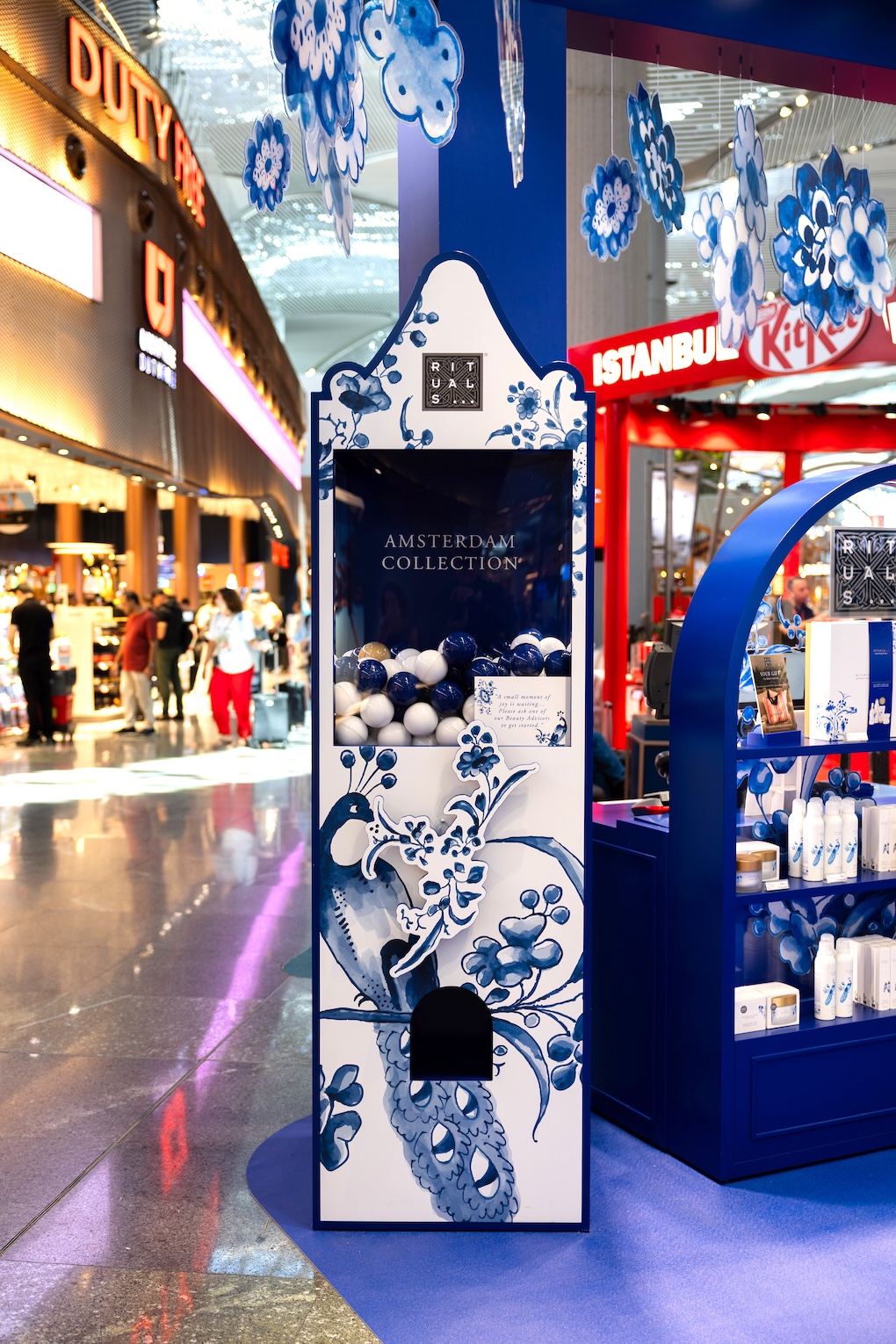
Retailtainment therefore sits at the heart of the Amsterdam Collection roll-out. Hand massages, sampling and playful flower gumball machines give travellers different ways to engage with the collection. These encounters bring the products closer to people through direct experience.
For me, that is the purpose of an activation. It should make a product more approachable and the shopping experience more enjoyable. Its value comes from the connection it creates.
Our responsibility is to make discovery feel effortless. A traveller should be able to understand the appeal quickly, enjoy a moment with the brand and leave feeling pleased with their choice.
Bringing a different rhythm home
At Rituals, we often return to the idea that small moments deserve our attention. Travel can remind us of this. Away from our normal schedules, we may become more aware of what we enjoy and more willing to make time for it.
An everyday ritual offers a way to continue that feeling. Applying a body cream after a shower or enjoying a fragrance at home can create a brief pause in a familiar routine.
There is no need to place a grand expectation on every purchase. Sometimes someone simply wants a lovely gift or a product they enjoy. That is enough. Meaning develops through use, through the person who gives it and through the moments that follow.
For travel retail, the ambition should be to create purchases that earn a place in those moments. A strong story attracts interest; a rewarding experience gives people a reason to return.
The suitcase will eventually be put away. The journey can stay with us – in a fragrance, a thoughtful gift or a small ritual that brings a little of its feeling into everyday life. ✈