

 Aer Rianta International (ARI) has long championed the concept of Sense of Place and has partnered with The Moodie Davit Report to continue our successful column dedicated to the subject. This article was first published in The Moodie Davitt e-Zine.
USA. From spectacular views to retail and F&B outlets to artworks and exhibitions, Phoenix Sky Harbor International Airport is committed to the idea of Sense of Place.
The concept features strongly in the airport’s modernisation programmes for terminals 3 and 4. The first phase of the upgraded T3, inaugurated in December 2016, strongly reflects Sense of Place and “Arizona’s hospitality feel” with modern finishes, lots of light and views of the Phoenix landscape. The vistas include Camelback Mountain and the city’s downtown skyline [the airport is unusual in that it is located in the heart of the City of Phoenix].
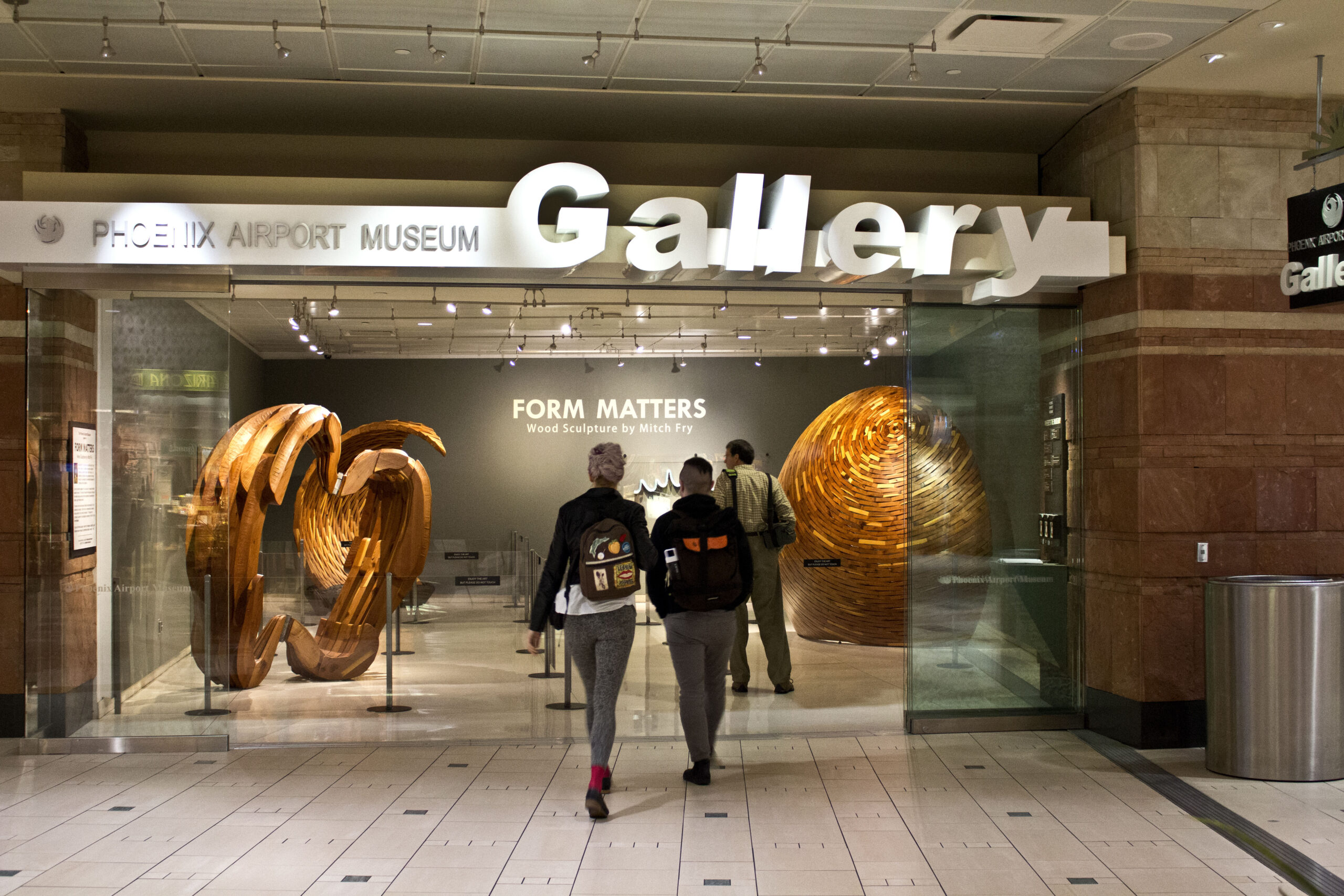
A new West Plaza provides an outdoor area with native Arizona plants, while a Museum Gallery, located after security, offers a taste of Arizona’s cultural and artistic heritage. A “recomposure atrium” affords views of the airfield and the Phoenix Mountains Preserve after passengers pass through security.
“We [set out] to create an unforgettable experience for passengers and visitors alike – an experience that only Arizona could offer,” says Steve Rao, President of DWL Architects + Planners, the project’s prime architect.
SmithGroupJJR was also part of the design team. “We took advantage of the Phoenix location and made connections to the city and surrounding mountains with views that are truly outstanding,” explains SmithGroupJJR Design Director Mark Roddy. “We took what was a very inwardly focused building and made it externally focused, celebrating the beautiful Sonoran Desert landscape.”
In future phases of the project new shops and restaurants will open, giving travellers a chance to “continue their Arizona experience”, the airport says.
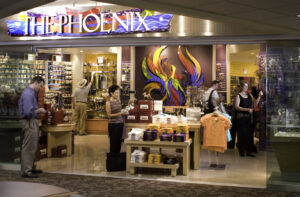
T4 is also undergoing an extensive modernisation programme. A series of speciality retail concessions have recently opened, with many featuring a local theme. Arizona Highways is an official store affiliated with the Arizona Highways magazine, offering state-themed gifts and souvenirs, publications, periodicals and Arizona books. Cactus Candy (with two locations) is an Arizona concept also offering souvenirs and gifts.
A variety of clothing, accessories and home goods from local artisans to well-known brands are available at local concept Bunky Boutique, while Phoenix artists are able to showcase a variety of products at the Roosevelt Row boutique.
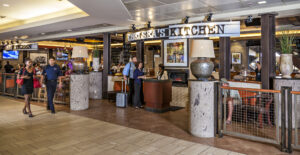
“This project will not only enhance customer service for thousands of travellers every day,” says Phoenix Sky Harbor International Airport Deputy Aviation Director for Business and Properties Chris Madsen of the T4 programme. “Passengers will also have their choice of nationally recognised brands and one-of-a-kind local merchandise only found in Arizona.”
Recommended bidders for a second set of T4 retail contracts have recently been named, and many of the concepts will reflect the local region.
Painting a picture
Phoenix Sky Harbor International has long showcased Arizona’s art and cultural heritage with museum exhibits integrated throughout the airport. Nearly 900 pieces of art are displayed across 35 exhibition spaces, with both permanent and temporary displays.
The changing art exhibition programme aims to entertain and engage travellers, and explores different aspects of the state’s identity.

‘Desert in the Details’ in T3 is a photography exhibition highlighting the intricate nature of the Sonoran Desert of southern Arizona, known for its cactus and sparse plants as well as its rugged mountains and open vistas.
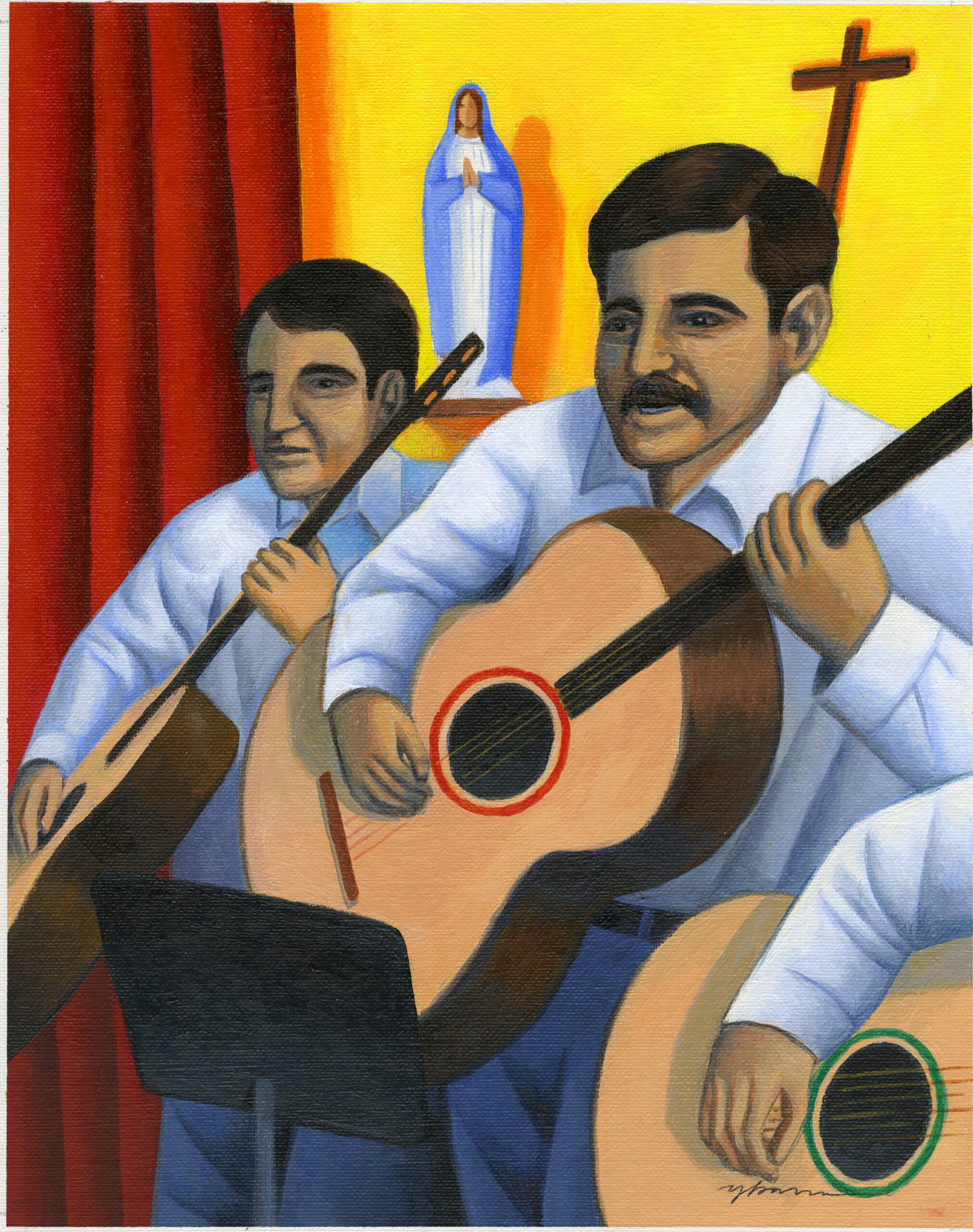
‘Stories From a Local Community’ is an exhibition of paintings by Frank Ybarra, also in T3. The artworks illustrate stories gathered from former residents of neighbourhoods surrounding the airport. These communities, known as Golden Gate and Barrios Unidos (United Neighborhoods), were home to many Latino families.

The illustrations, commemorating their everyday activities as well as special occasions and celebrations, represent stories of love and pride, church and family, work and play.
Arizona’s aviation history is celebrated in the ‘Moving Forward’ exhibition in T4. It features historic photographs and artefacts that document Sky Harbor’s 80 years of growth, while also exploring where the airport is headed. Highlights include Sky Harbor’s 1930s wedding chapel, a collection of historic airline playing cards, and First Class dining menus.
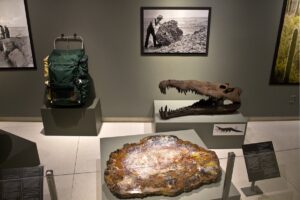
Other current exhibitions capture the diverse range of Arizona’s National Parks (see image below) and the state’s surprisingly varied weather.
Recent exhibitions have featured Phoenix artist Mitch Fry’s nearly 8ft-tall wood sculptures and pop art pottery from Native American artist Susan Folwell. Renowned photographer Scott Baxter’s ‘100 Years, 100 Ranchers’ exhibition in 2011 featured 100 portraits of ranchers whose families have been ranching since or before Arizona became a state in 1912.
The exhibitions are united by the goal of enhancing visitors’ cultural experience at the airport – giving them an opportunity to see the artistic and cultural diversity of Arizona and its artists.
Through its regional art, local identity in the retail stores and the spectacular views from the terminals, there is much at Sky Harbor “that only Arizona could offer”.