

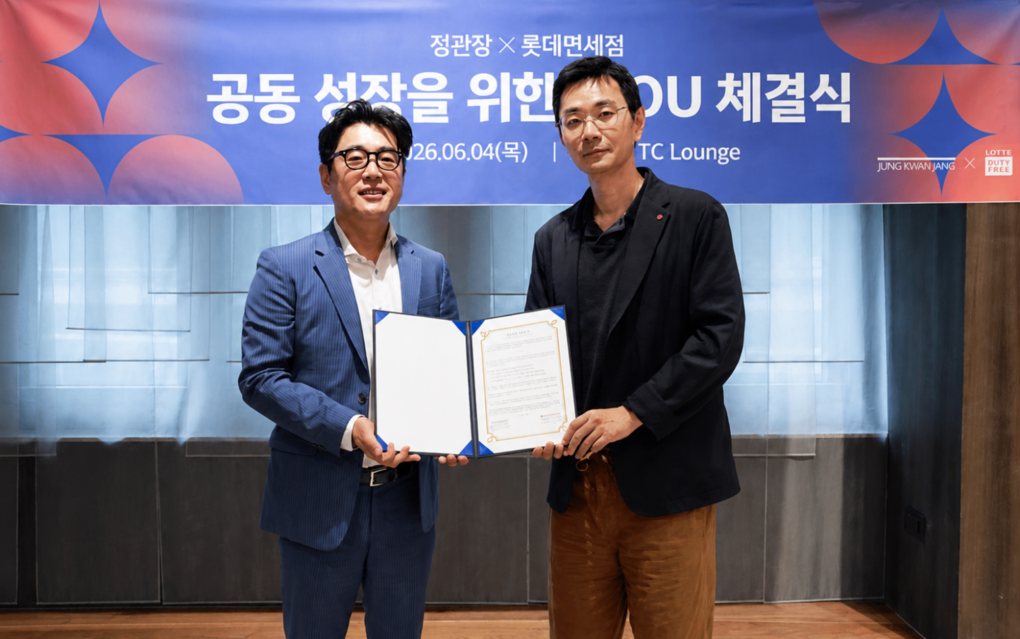
SOUTH KOREA. In big breaking news, Lotte Duty Free has signed a Memorandum of Understanding (MoU) with Jung Kwan Jang, the top-selling Korean red ginseng, produced by the Korea Ginseng Corporation (a wholly owned subsidiary of KT&G Corp).
The partners plan to pursue joint product planning and promotion, including the development of Lotte Duty Free-exclusive Root Ginseng products and – notably – the launch of IP collaboration editions.
Jung Kwan Jang’s Everytime label (highly concentrated, six-year-old Korean red ginseng extract packaged into small, convenient liquid sticks) will be reintroduced with a limited-edition product in collaboration with hugely popular Japanese global character brand Sanrio.

It is scheduled to be launched exclusively at Lotte Duty Free in time for the key Chuseok (Korean mid-autumn harvest festival) holiday season in September.
Jung Kwan Jang, Korea Ginseng Corporation’s star brand, offers a range of products, including Everytime, Red Ginseng Extract and Root Ginseng.

Health and wellbeing products drive much-needed boost in sales to Chinese
In the first quarter of 2026, Lotte Duty Free’s sales to foreign customers increased +35% year-on-year, a stellar result driven by growing global interest in health functional foods, the travel retailer said.
In particular, Jung Kwan Jang has sustained a strong growth trend, with Q1 sales to Chinese customers rising +46% year-on-year.
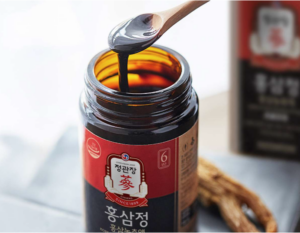
Both companies plan to expand product development going forward, leveraging Lotte Duty Free’s global distribution platform competitiveness and Cheong Kwan Jang’s technological capabilities.
Lotte Duty Free will also expand online and offline marketing collaborations with Jung Kwan Jang to strengthen promotions and experiential content targeting domestic and international tourists.
The partnership strategy involves sequentially renovating Jung Kwan Jang stores within major downtown Lotte Duty Free locations to improve the shopping environment and enhance accessibility for domestic and international visitors.
Lotte Duty Free Head of Merchandise Lee Jung-min said, “Through this collaboration with Jung Kwan Jang we plan to further strengthen the competitiveness of our exclusive products and showcase a differentiated shopping environment.
“By combining the strengths of both companies, we will contribute to attracting global tourists and enhancing customer satisfaction.” ✈
 Comment: This is a fascinating and indicative story, one that underlines the highly creative way leading Korean duty-free retailers are adapting to very different spending behaviour by travelling consumers, especially Chinese visitors, writes Martin Moodie.
With the daigou business that sustained Korean duty-free through the THAAD and COVID-19 crises now much diminished and many international visitors preferring to visit department stores or local specialist shops, travel retailers face a crisis that simply cannot be solved through a reliance on traditional categories.
However, as I noted in a previous column, the South Korean duty-free industry’s impressive history of innovation and the surging popularity of ‘K-Everything’ (the title of a recently launched four-part CNN Original Series, hosted and executive produced by Busan-born, Korean-American actor Daniel Dae Kim) augurs well for retailers’ ability to attract younger international visitors – provided they change their game plans.
That is precisely what appears to be happening.
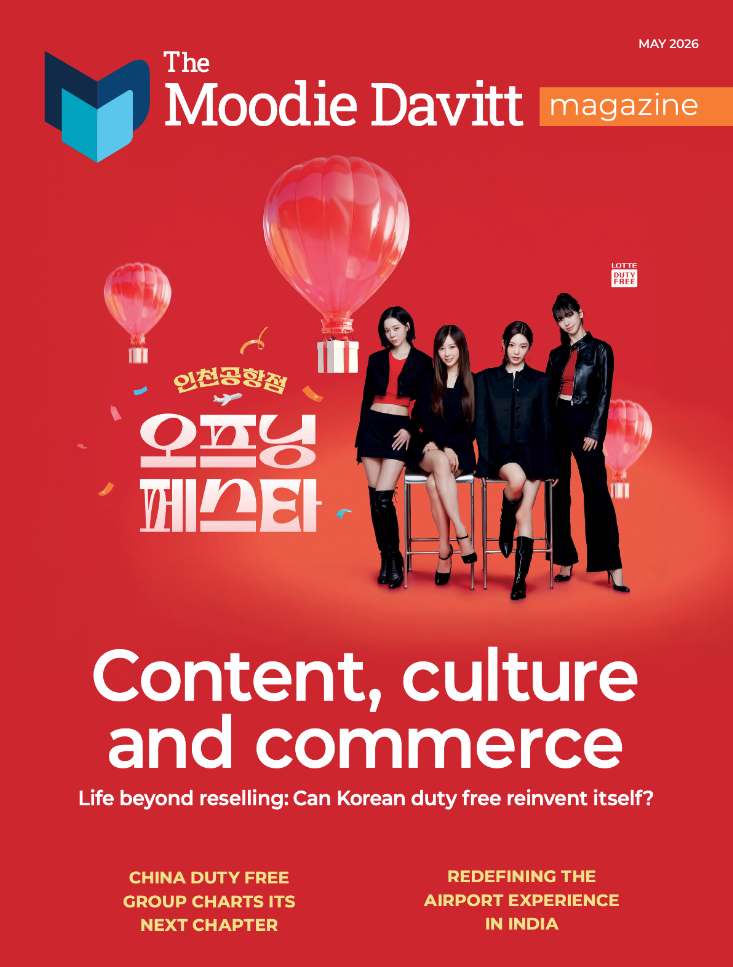
When revealing an exciting new fusion beween global content sensation KPop Demon Hunters and leading K-beauty brand Anua for a limited-time pop-up in April, a Shinsegae Duty Free spokesperson told The Moodie Davitt Report: “We believe this collaboration reflects the growing convergence of content, culture and commerce – particularly within the global Gen Z audience.”
Content, culture and commerce. Remember the phrase.
The Lotte Duty Free collaboration with Jung Kwan Jang/Korea Ginseng Corporation – and, by extension, with Sanrio – offers a different synthesis and mantra, this time of wellbeing, cute (Sanrio) and collaborative.
It is a blockbuster alliance by any measure. Jung Kwan Jang dominates the South Korean ginseng market with an 80%+ share and is sold in over 40 countries as a premium health supplement.
Jung Kwan Jang performs particularly strongly in China (where it is popularly called Koryo Ginseng), its largest overseas market. There, an ageing population and a strong cultural appreciation for red ginseng, both as a health supplement and a gif, plus an appreciation of the Everytime pouches by younger, busy professionals combine to make it a big winner.
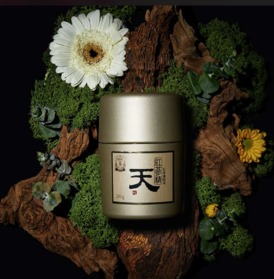
Korea Ginseng Corporation’s health functional food business (reported through parent company KT&G Corp), posted a +5.8% year-on-year rise in Q1 2026 revenue to KRW332.6 billion (US$213.3 million). This was driven by strong domestic Lunar New Year promotional campaigns and standout brand campaigns for Cheon Nok (deer antler velvet extract mixed with traditional Korean Red Ginseng) and Everytime.
Operating profit surged +53.3% year-on-year to KRW27.9 billion (US$17.9 million), supported by expanded sales through high-profitability channels and profitability-focused business strategies. The Lotte Duty Free alliance combines both.
And Sanrio? Established in 1960 as a social communications business before moving into gift cards, it made the crucial decision to launch the Hello Kitty character in 1974.
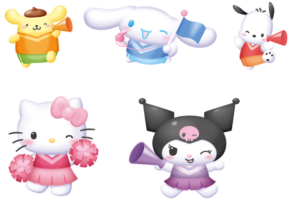
A year later, the first Hello Kitty product, Petite Purse, was launched. It was the start of an astounding half-century success story built on beloved, kawaii (‘cute’ when translated into English but in Japanese carrying a deeper meaning of delicate, powerless or requiring care*) characters, including Hello Kitty, Patty & Jimmy, Pompompurin, Cinnamoroll, Pochacco, Kuromi, My Melody and many more.
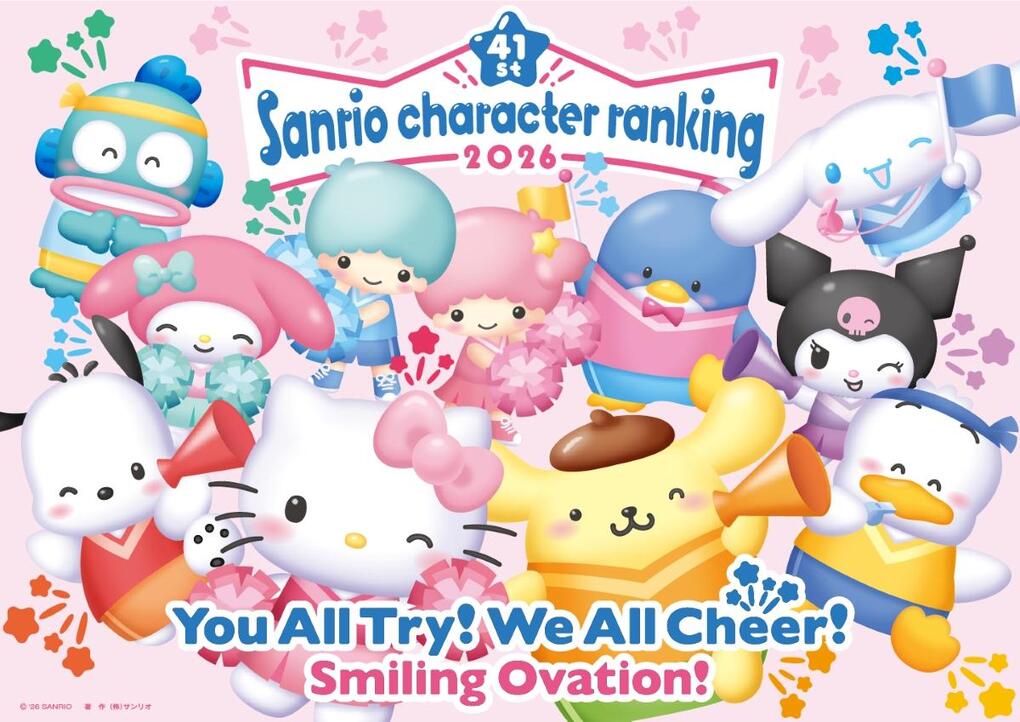
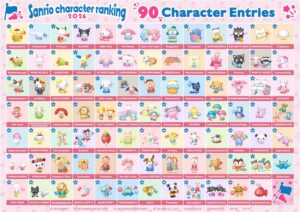
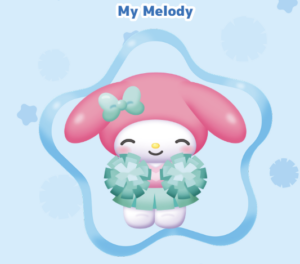
Notably, Mainland China is Sanrio’s top export market, while the brand is also hugely popular in Taiwan, the USA and much of Southeast Asia, the Republic’s other top inbound visitor markets alongside China and Japan (#1 and #2).
So, on every level, this appears a canny move by all three players.
LVMH North Asia Group President Michael Schriver, an astute reader of retail and luxury trends, told us recently, “I think it is time the Korean industry stops focusing on downtown duty-free and instead focuses on downtown travel retail and creating experiential tourist destinations with immersive retail experiences.
“The difference is that it is not a price game since price is no longer really THE reason to visit. We need to create a destination tourists want to be in.”
He is right. The future of Korean downtown duty-free/travel retail is likely to be far more about those dual mantras of ‘Wellbeing, Cute and Collaborative’ and ‘Content, Culture and Commerce’ than about the world’s great luxury brands such as Chanel, Hermès and Louis Vuitton.” ✈