Introduction: As the global wine market continues to evolve, Masi Agricola sees opportunity in meeting growing consumer preference for quality, discovery and moderation.
The historic Italian producer is responding with a portfolio that spans established favourites and emerging wine styles – from Masianco Pinot Grigio and the resurgent Soave and Lugana appellations to Canevel Prosecco and lower-alcohol Fresco di Masi.
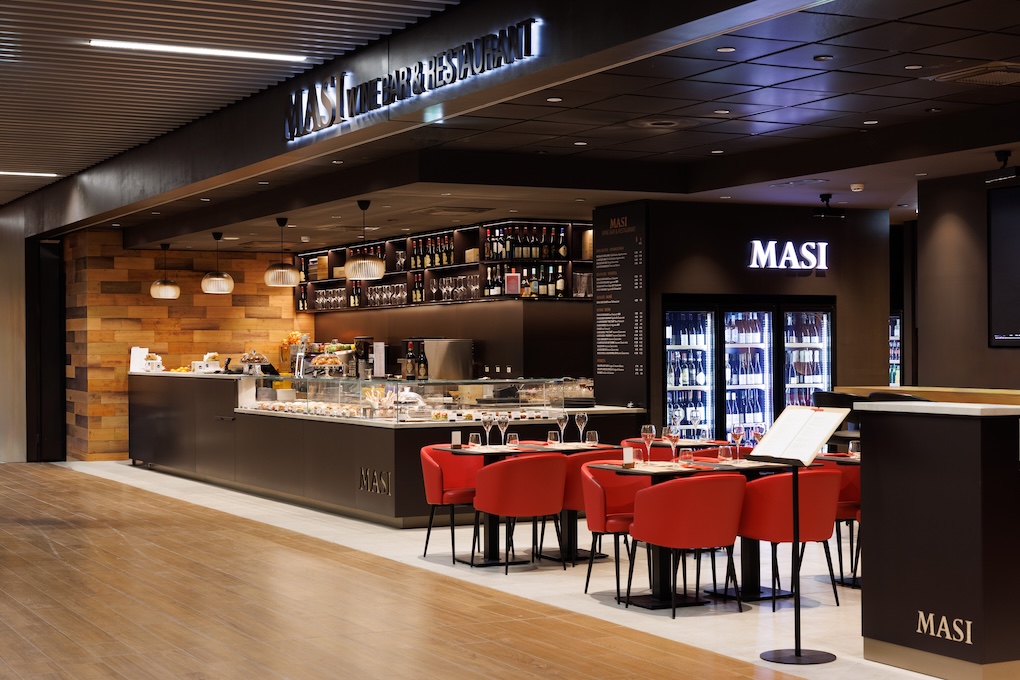
Masi is exploring new ways to make wine more accessible and engaging for travellers. Its Masi Wine Bar & Restaurant at Verona Airport, operated in partnership with Lagardère Travel Retail, connects F&B, tasting and retail while offering a platform to showcase the breadth of Italian wine and food culture.
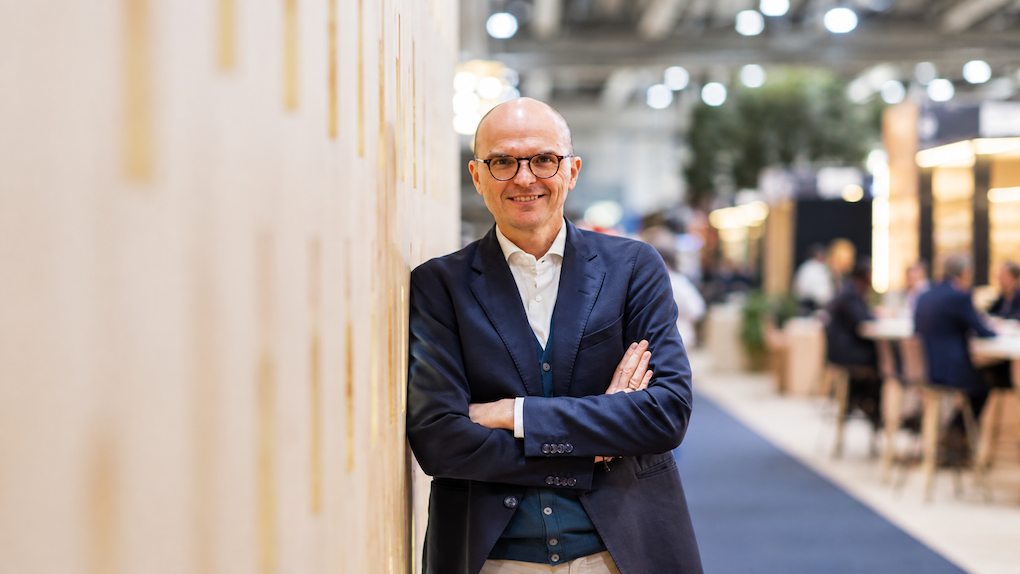
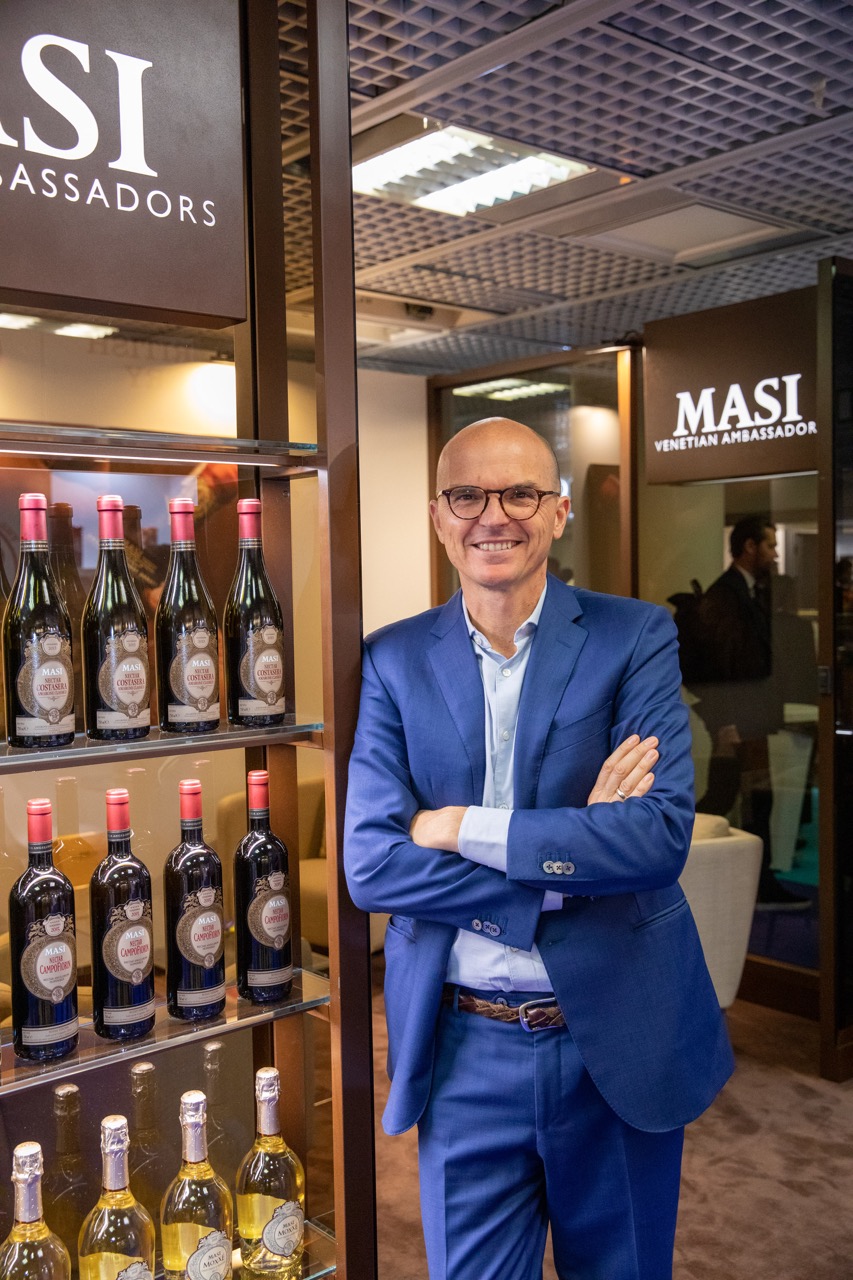
In this interview, Masi Agricola Export and Travel Retail Director Piergiuseppe Torresani discusses evolving wine-drinking habits and why moderation represents an exciting opportunity for the category. He also previews the next chapter for the Masi portfolio.
What are the biggest trends shaping the global wine market today? How have wine-drinking habits changed over the past few years?
Piergiuseppe Torresani: The global wine market is going through a profound transformation. Overall consumption has been contracting for several years, yet quality and average price continue to rise – a clear signal of a long-term shift towards drinking less but drinking better.
Market research consistently confirms that consumers are not giving up their glass of wine; rather, they are becoming more selective about the wine itself, the occasion, and the quantity they choose to drink. We’re also witnessing a growing appetite for lightness and drinkability.
Red remains the leading category, and structured, full-bodied wines continue to have a loyal following. At the same time, a growing share of consumers is gravitating towards lighter, more approachable styles, alongside a rising interest in whites, rosé and sparkling wines.
The Masi Wine Bar & Restaurant at Verona Airport crosses wine retail with F&B. What have you learned from the concept, and could it be replicated at other airports?
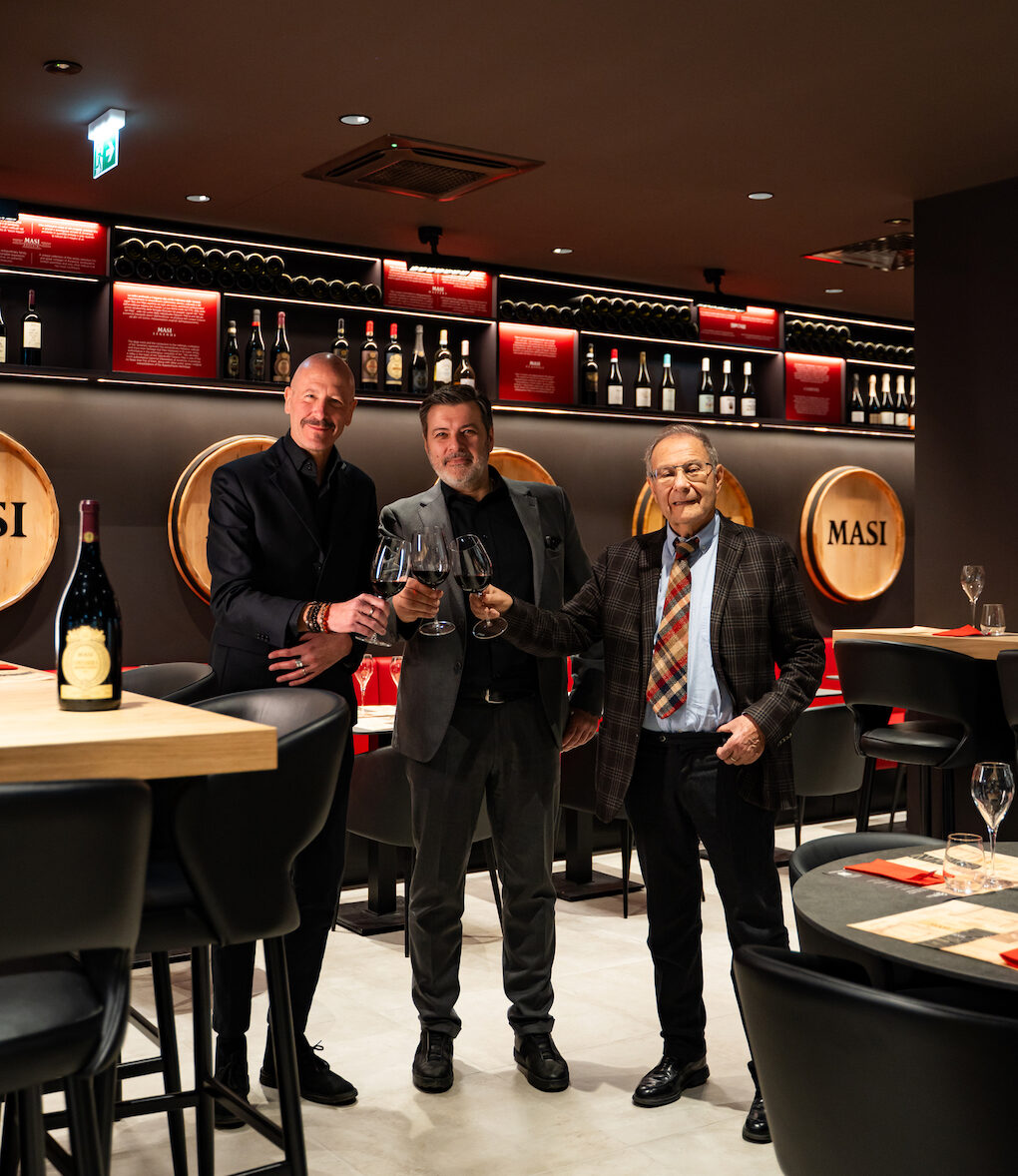
Running a restaurant inside an airport, in partnership with Lagardère Travel Retail, has given us a genuine platform to showcase the full breadth of our range.
With an extensive by-the-glass selection, travellers can discover new wines paired with authentic local food. I’m convinced the format could work well beyond Verona, in other Italian and international airports alike.
Masi’s brand recognition and its longstanding presence in markets worldwide make it a natural, low-risk choice for travellers who already love Italian wine and food.
More broadly, how can wine brands create stronger connections between airport F&B, tasting and bottle sales in travel retail?
A restaurant is a powerful opportunity to let consumers taste before they buy.
How effectively that experience converts into bottle sales, however, depends on several factors, including local regulations and the physical proximity between the travel retail store and the F&B outlet.
In Verona, we addressed this on two fronts: through visual displays that visibly connect the store to the restaurant, and by relying on trained staff who can guide consumers in both directions, from tasting to purchase and back again.
Are consumers becoming more adventurous with Italian white wine, moving beyond familiar varieties towards appellations such as Lugana and Soave?
The strength of Italian wine lies precisely in its diversity, which gives consumers a constant stream of new options to explore. Over time, genuine trends do emerge around specific appellations or grape varieties, and Soave and Lugana are two excellent examples.
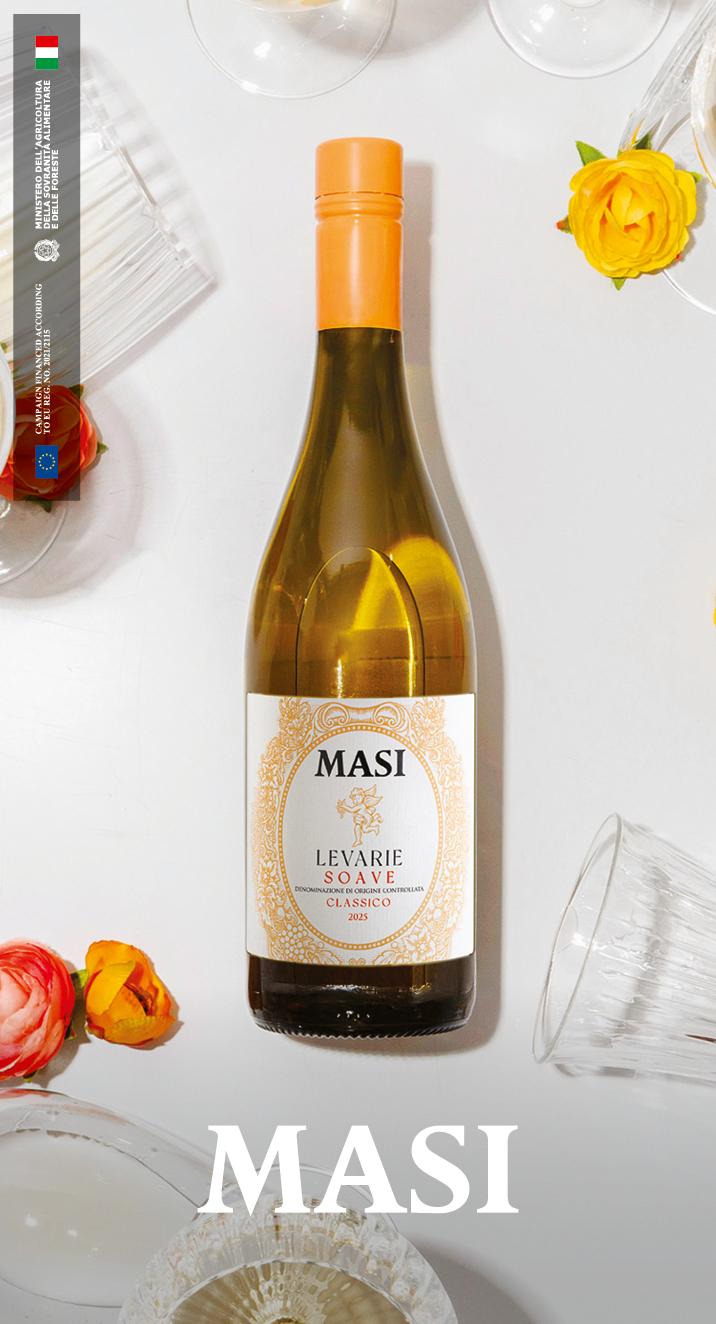
Soave, an appellation from the Verona area – our home territory – achieved international renown as early as the 1950s, went through a period of decline, and is now regaining momentum thanks to a renewed focus on quality, exemplified by single-vineyard wines such as our Colbaraca.
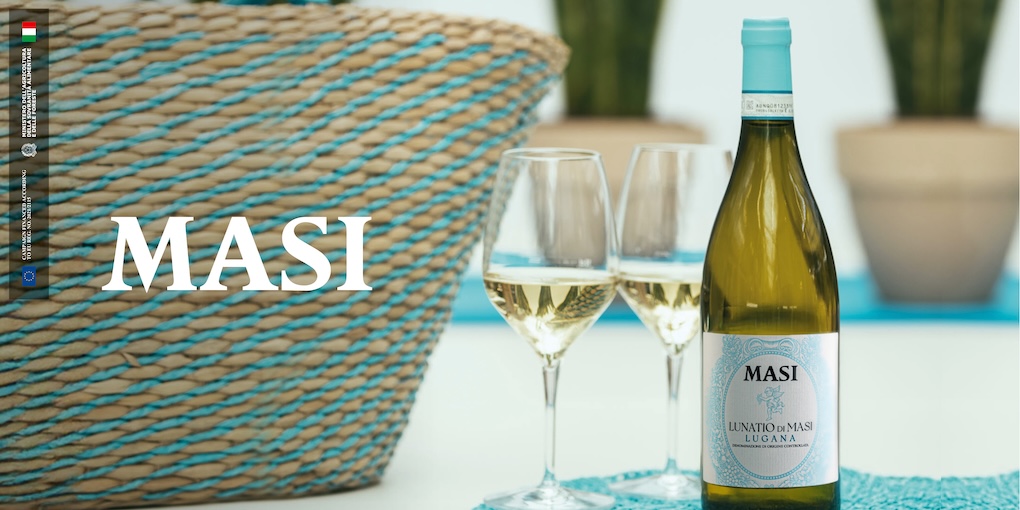
Lugana, from the southern shore of Lake Garda, was almost unknown 20 years ago and has been growing steadily ever since, thanks to wines that combine ripe yellow-fruit aromas with a fresh, citrus-driven edge.
How has consumer perception of Italian wines evolved over the years? How has this influenced your portfolio and new product development?
Italy has produced wine in every region since Roman times. It is today the world’s largest wine producer by volume – a position confirmed by the International Organisation of Vine and Wine’s (OIV) 2025 estimates – and home to one of the widest ranges of native grape varieties and appellations of any wine-producing country.
Internationally, Italy has long been celebrated primarily for its reds, but interest is steadily building around its whites, many made from unique local varieties and blends.
Beyond Lugana and Soave, think of Vermentino, Verdicchio, Grillo, Falanghina, and many more. And then there are bubbles: the sparkling wine category has been transformed by the remarkable rise of Prosecco (another child of the Venetian area), which today accounts for close to a quarter of global sparkling wine sales.
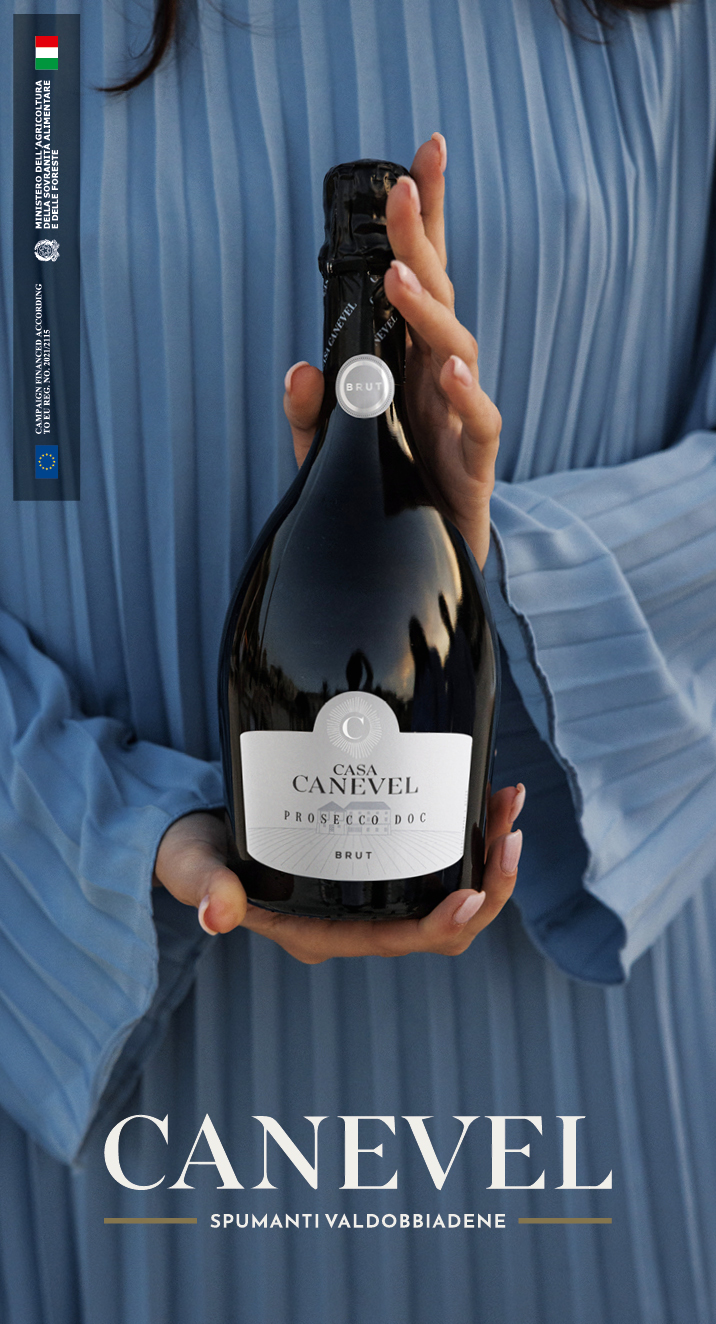
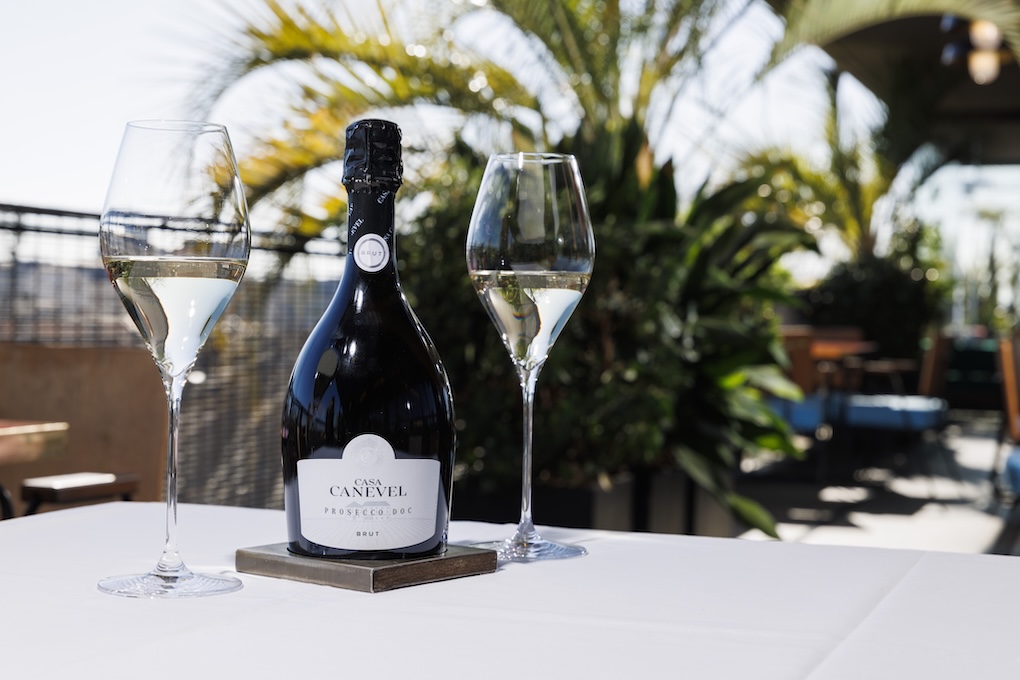
In travel retail, Masi’s Prosecco offer comes from Canevel, the historic estate at the heart of the Valdobbiadene production zone, of which Masi acquired a majority stake in 2016.
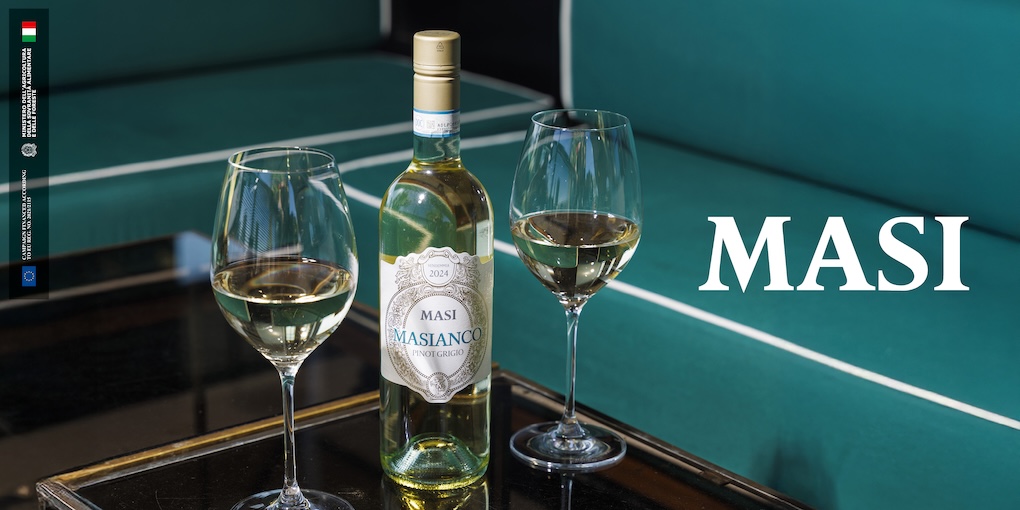
Pinot Grigio remains one of the most recognised wine styles globally. How does Masianco stand out in such a competitive category?
Pinot Grigio is a genuine global phenomenon. A gentle, refreshing wine, it originated in Burgundy as a colour mutation of Pinot Noir before finding its true home in the Venetian area – by far the world’s largest production zone for the variety.
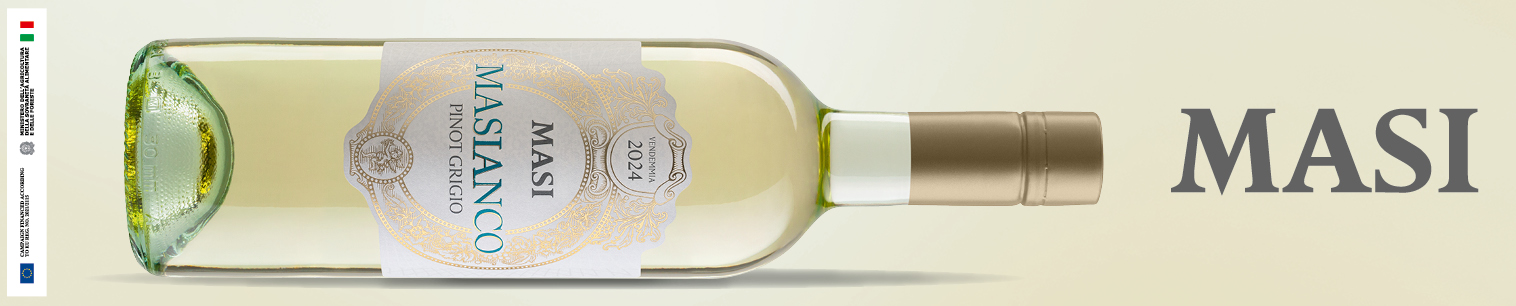
Masi, as one of the region’s leading producers, offers three distinct expressions of Pinot Grigio, of which Masianco is the most distinctive and best known, one of our bestsellers in travel retail. Its character comes from a 15% share of Verduzzo, an aromatic grape that lends texture and complexity to a wine that, in its classic form, tends towards simplicity and a lighter body.
Prosecco is an increasingly competitive global category. How can Canevel differentiate through provenance, quality and craftsmanship?
Canevel is a boutique Prosecco house operating alongside some of the category’s largest players.
It competes on a different basis altogether: smaller volumes, uncompromising quality, and full vertical control over every stage of the process, from viticulture and vinification through to the sparkling method itself. The fruit comes from vineyards on the steep, narrow hillsides of Valdobbiadene, where every operation is still carried out by hand – the true hallmark of the appellation’s finest expressions.
Fresco di Masi taps into growing demand for lighter, lower-alcohol wines. How significant is the moderation trend for Masi and the wider category?
Moderation is a genuine, structural shift, and for quality-focused producers like Masi it represents a real opportunity rather than a threat.
Consumers today are more informed and more deliberate: they think carefully about what they drink, when they drink it, and the overall impact of their food and wine choices.
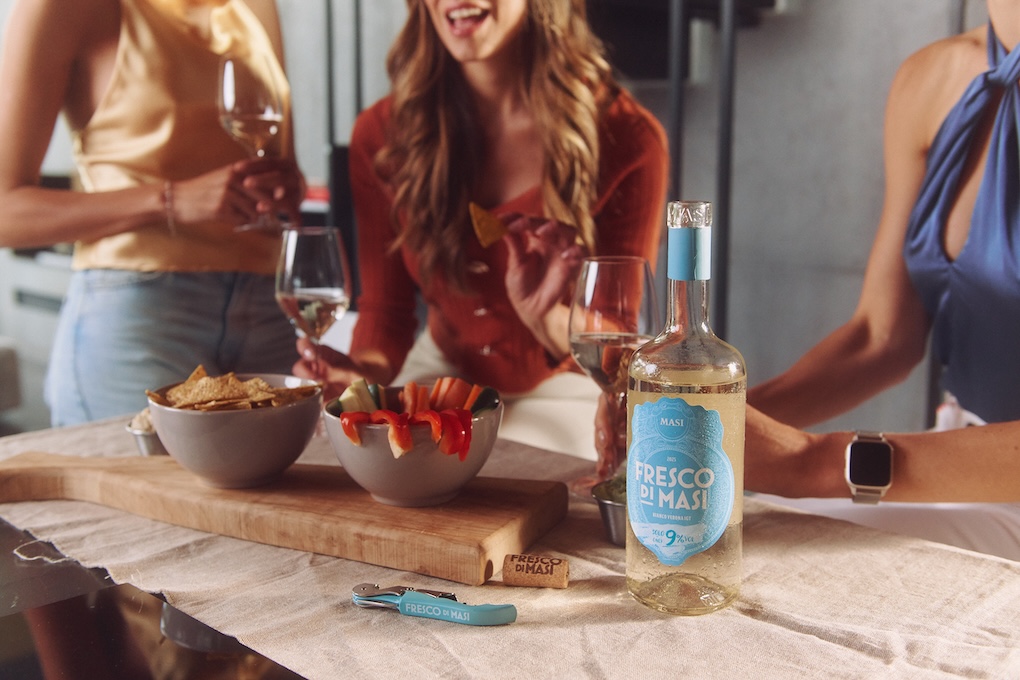
For occasions such as an aperitif or a light meal, a lower-alcohol wine can be the ideal choice. Fresco di Masi answers that need directly, with a white and a red at 9% and 9.5% ABV, respectively; two fruit-forward wines designed to be enjoyed with a lighter footprint.
What are your biggest priorities for the year ahead?
Our goal is to make life easier for both operators and consumers, simplifying the purchase journey for the wine category that can otherwise feel complex.
We want to offer wines that stand out, whether because they are truly unique or because they are established category leaders: premium products distinguished by their style, their packaging and above all by the strength of the Masi name.
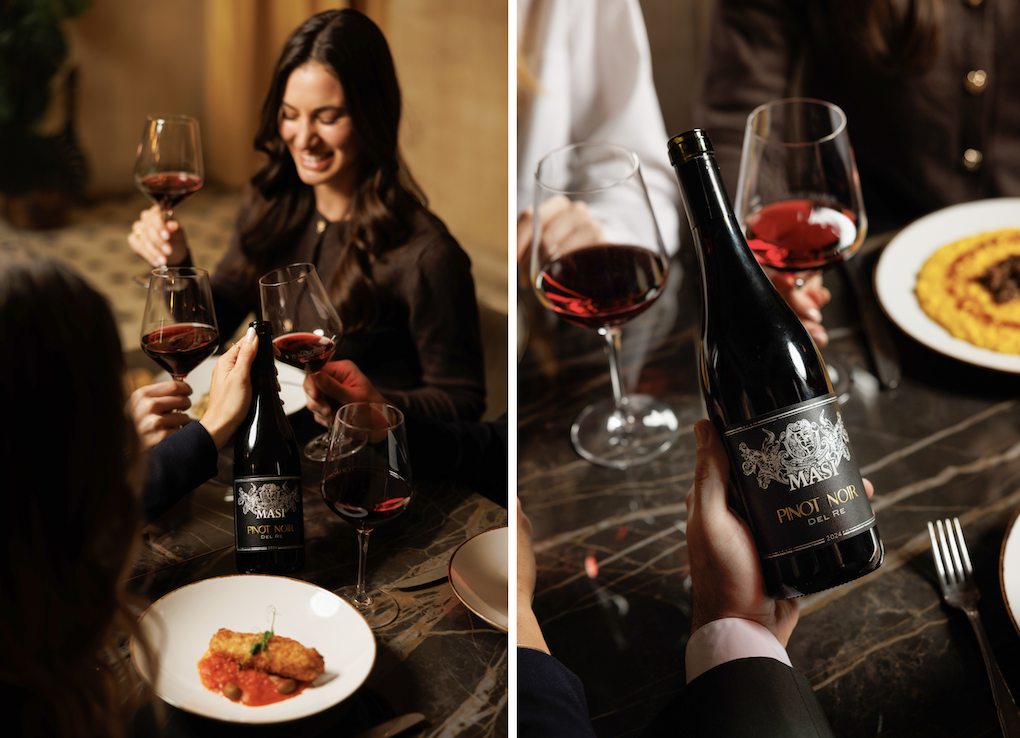
We will never stop refining our proposal. At the TFWA World Exhibition in Cannes, we will present our latest addition, Masi Pinot Noir del Re, a beautiful Pinot Noir from Tenuta Casa Re in Oltrepò Pavese, southern Lombardy. We have also refreshed classic labels such as our Valpolicella Bonacosta and Soave Levarie, and we’re currently working on renewing our travel retail-exclusive (TREX) range. ✈