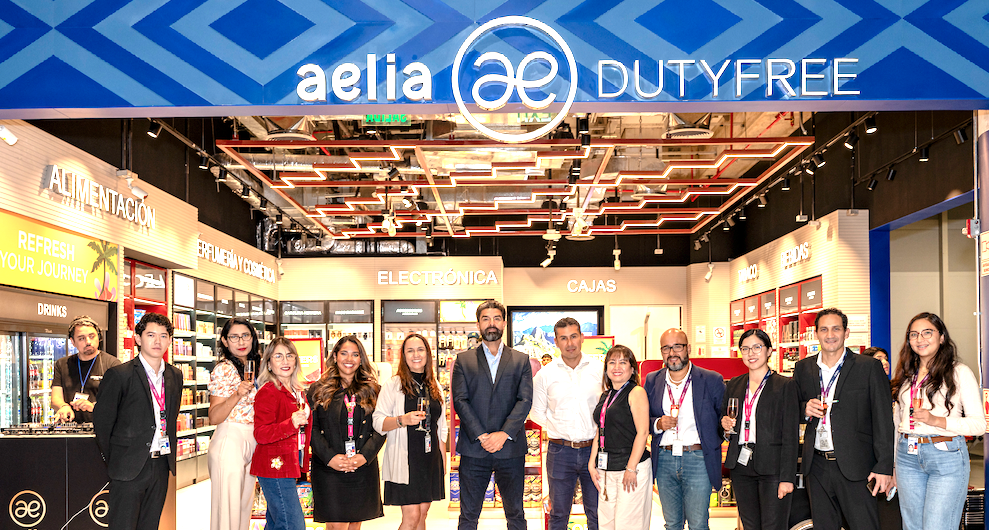


Panama-based Duty Free Dynamics (DFD) has revealed a two-year Master Plan, which not only targets global expansion but also, it claimed, creates a new ‘DNA’ for the company.
DFD was set up in 2015 to offer regional distribution services throughout Latin America, the Caribbean, and, later, North America. Its business model in travel retail focused on non-core product categories such as lifestyle and fashion accessories and including watches, handbags, small leather goods, sunglasses, writing instruments, footwear, apparel, outdoor, toys, electronics and vitamins.
According to DFD, the company targeted this opportunity as these categories were “under-exploited or not exploited at all within the channel”.
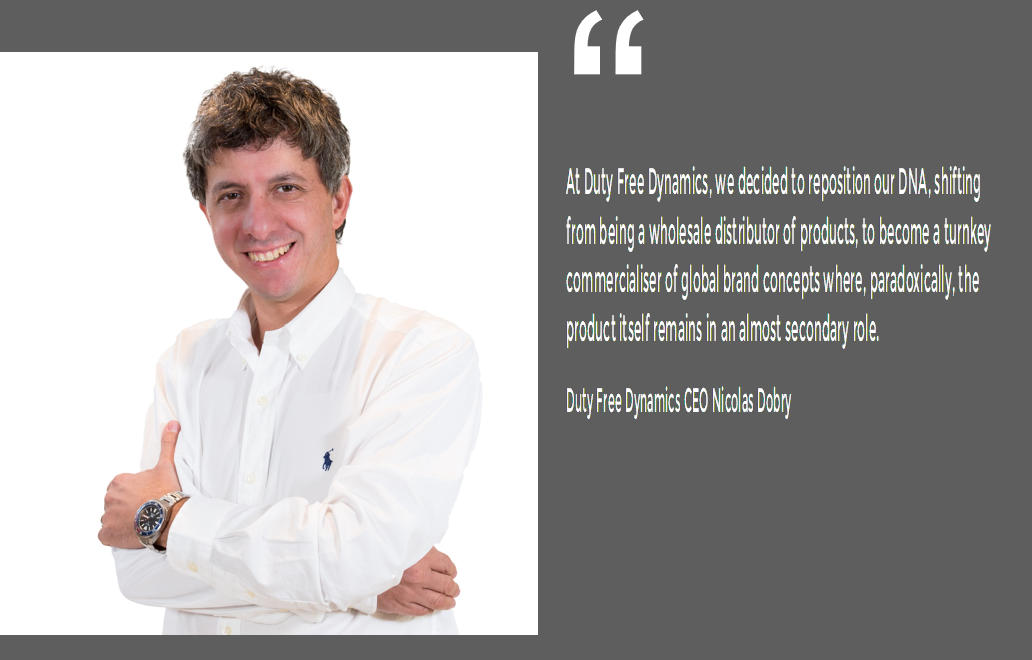
Under its latest strategy, DFD will continue to develop and expand its brand line-up while targeting core categories including fragrance & cosmetics.
At the same time, DFD has set its sights on global expansion, aiming to debut in the EMEA region early in 2022 – with its new Barcelona office as a base – and to include the APAC market in 2023. The company said it will achieve these goals by using DFD’s global operational infrastructure and its proprietary technological tools.
DFD will redirect its business model towards commercialising retail concepts through “turn-key business models for brands that would be sustainable within a mono-brand retail environment”. In collaboration with existing and new business partners, DFD intends to assume a more active role in the formulation of retail plans and is considering joint ventures with its partners.
DFD CEO Nicolas Dobry noted DFD’s progression over the past seven years. “When we started our operations, it was only five of us, myself included; presently, our global headcount is up to 60 associates.”
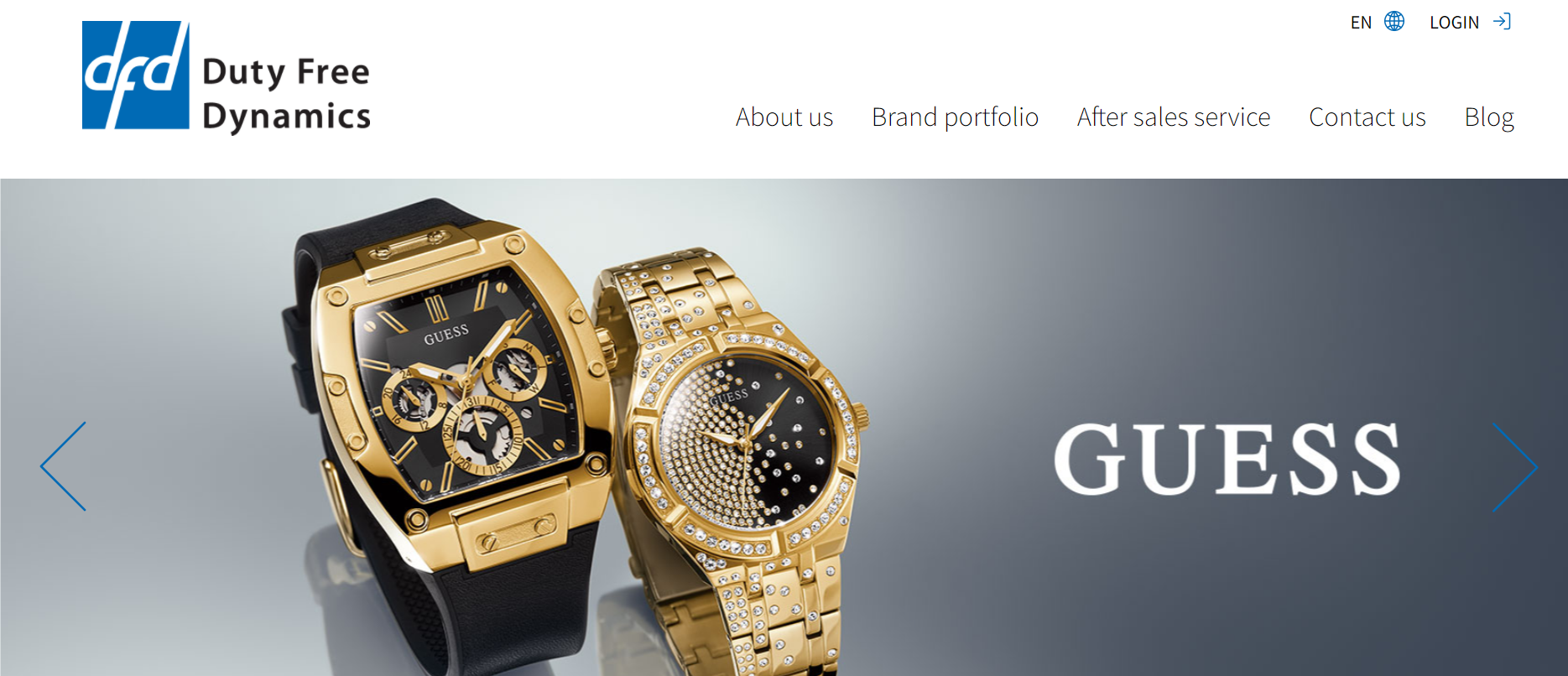
DFD started with one brand (Guess) in one category (watches). Its network now spans ten categories and 30 bands, with plans to double its portfolio within the next two years.
“The decision to globalise our operations generated from the brands we represent which, after being greatly benefited by DFD’s performance shown in the Americas, requested that we propose a global solution consistent with that level of efficiency,” Dobry said.
He said the effects of the COVID-19 crisis accentuated the need for partnerships, with many of the global and regional operators applying the Pareto Principle to some aspects of their businesses.
The Pareto Principle, named after economist Vilfredo Pareto, specifies that 80% of consequences come from 20% of the causes, asserting an unequal relationship between inputs and outputs. |
According to Dobry, they opted to focus on the “smallest areas of their points-of-sale network that contribute the largest portion of their profits and on a segment of their SKU count that generates the bulk of the results”.
“This formula derived in a willingness among operators to streamline their focus on core categories. The non-core categories are the traffic drivers in their stores and most of them offer the greatest opportunity for growth. In this context, they realised that a partner like DFD would be like ‘hand and glove’ because it would allow them to obtain the benefits of the Pareto strategy, without the side effects.”
Dobry pointed out that “it has been proven that the mono-brand models in travel retail significantly increase customer engagement, consequently leading to a high increment in sales conversion levels”.
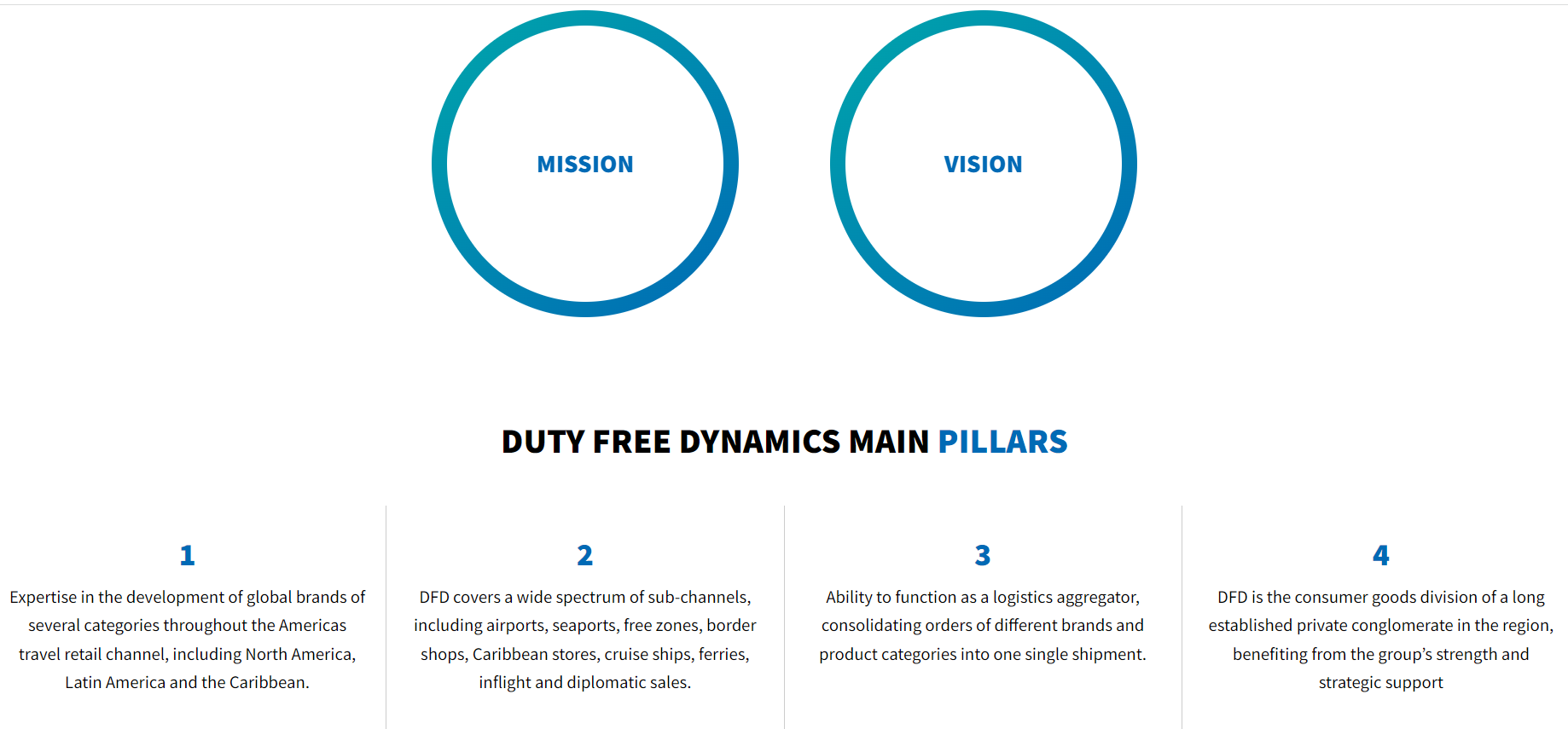
“At DFD we decided to reposition our DNA, shifting from being a wholesale distributor of products, to become a turnkey commercialiser of global brand concepts where, paradoxically, the product itself remains in an almost secondary role.”
This new format, Dobry added, has already been well received by the industry.
“Duty Free Dynamics is looking to assume a much more relevant role in the travel retail value chain. I am convinced that we have everything we would need to accomplish it, especially our human factor, which is without doubt our most important asset,” he concluded.