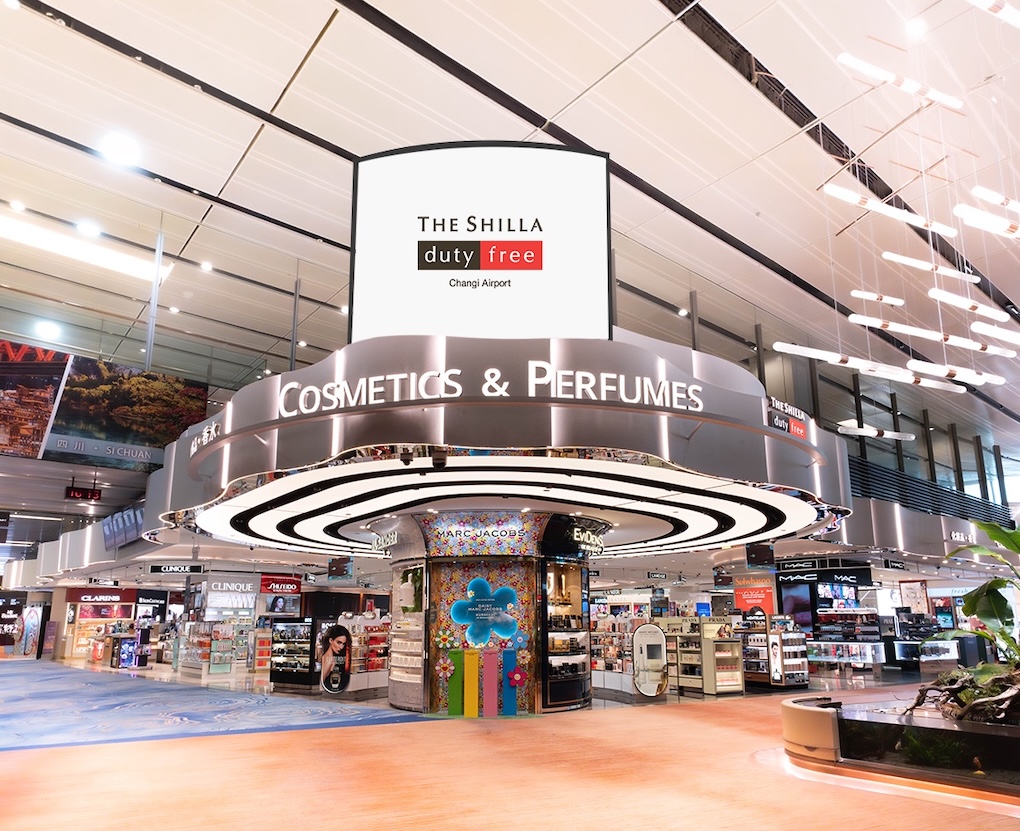



In this contributed feature, Blueprint Partners Thomas Kaneko Henningsen and Sonja Soskic reflect on why Sense of Belonging brings a new, emotional dimension to understanding travelling consumer behaviour.
“The future of airport experience will not only be measured by efficiency but by how people feel offline and online; it is multi-dimensional and really tricky to implement.” So says Blueprint Partner Thomas Kaneko Henningsen as he reflects on how travellers are choosing experiences that “create connection, not just convenience”.
For decades, he notes, the travel retail community has invested heavily in creating a strong sense of place; celebrating local culture, architecture, gastronomy and heritage to immerse travellers in the identity of a destination.

As global travel behaviour evolves, adds Blueprint, a new emotional dimension is emerging across aviation, hospitality and travel retail – Sense of Belonging.
This reflects the emotional feeling of being welcomed, understood, included, valued and emotionally connected within a space, community or experience.
Sense of Belonging, says Blueprint, answers the key questions: “Do I feel welcomed here? Do I feel safe?”
This distinction to sense of place matters, according to Blueprint. Travellers can admire beautiful architecture, local design and destination storytelling without ever emotionally connecting to an airport environment. But when airports turn into heartfelt hosts and nurture belonging, passengers in turn, convert into guests and begin to feel emotionally safe, socially connected and personally recognised.
And in the age of emotional travel, feelings will increasingly evolve around human-to-human connection and may become one of the most powerful yet challenging differentiators for in-terminal environments.
Kaneko-Henningsen refers to Blueprint’s new whitepaper titled ‘Inconvenient Predictions’, which explores how Sense of Belonging is on the rise as a new commercial opportunity. The Copenhagen-based consultancy supports airports, operators and brands with adapting commercial strategies based on how megatrends such as Gen Z, Artificial Intelligence, Experiential, Social Commerce, Conscious Consumerism and Geopolitics transform the travel retail commercial experience.
The rise of ‘emotional travel
Recent global travel research suggests a profound shift is underway, adds the consultancy.
According to Forbes, travellers are increasingly booking journeys “in search of a feeling rather than a destination.”
Research highlighted by Forbes shows 25% of travellers now begin travel searches based on a ‘vibe’ or emotional feeling, and 89% say live experiences influence travel decisions and travellers increasingly seek authenticity, connection and emotional resonance.

Earlier this year, SAS Scandinavian Airlines reported that customers are increasingly prioritising wellbeing-focused travel, emotional restoration, authenticity, human connection, and meaningful experiences over purely transactional journeys.
SAS also highlighted rising demand for destinations associated with comfort, trust, calmness and emotional safety signalling that travel is becoming increasingly emotional rather than purely functional and transactional.
Together, these insights point toward an industry shift, notes Blueprint: travellers are no longer simply searching for destinations. They are also searching for feelings.
Why Sense of Belonging matters
Historically, says Blueprint, airports have “optimised for operational efficiency, passenger processing and commercial conversion .But as automation and digitalisation continue to streamline travel journeys, human emotion may become an even more important competitive advantage.”
Blueprint Partner Sonja Soskic comments: “As AI-powered automation standardises airport travelling, human warmth, cultural empathy and emotional belonging will become a critical differentiator going forward”.
Blueprint argues that sense of place remains relevant because it celebrates local identity, architecture, heritage, regional cuisine and destination storytelling.
Sense of Belonging, however, creates emotional attachment. “If airports are evolving from transit infrastructure into emotional marketplaces, the focus should elevate human recognition, interaction, psychological comfort, and above all shared community identity.

“Together, the two concepts are a powerful combination. A traveller may admire Scandinavian design, Japanese hospitality or Singaporean food culture as part of a Sense of Place. But when they feel emotionally welcomed, relaxed, safe and personally connected within that environment, the experience evolves into a Sense of Belonging.”
Kaneko-Henningsen comments: “Airport F&B and lounges are well-positioned to leverage Sense of Place and Sense of Belonging at the same time because it is multi-sensory; a perfect fit for experience-hungry and social media-friendly travellers,” and refers to the consultancy’s airport concession revenue forecast published in collaboration with ACI EUROPE and The Moodie Davitt Report last year.
Creating Sense of Belonging
As travellers increasingly seek authenticity, wellbeing and human connection, airports have an opportunity to evolve from infrastructure people pass through into hub communities where people feel they belong:
- Human-Powered Hospitality
Move beyond operational efficiency and train frontline staff to engage travellers as hosts prioritising empathy, emotional intelligence and heartfelt hospitality.
- Community-Based Experiences
Create live events, tastings, wellness activities and cultural activations that encourage shared participation between travellers incentivising them to arrive earlier at airports.
- Emotional Comfort Zones
Leverage airport lounges by introducing quieter spaces, wellbeing spaces and restorative environments designed around emotional wellbeing rather than only premium status.
- Personalised Recognition
Use AI-powered technology carefully and meaningfully to create hyper-personalised and memorable moments without becoming intrusive.
- Storytelling with Human Meaning
Move beyond transactional retail messaging toward stories elevating people, craftsmanship, culture and emotion.
- Social Dining Experiences
Develop authentic in-terminal F&B concepts that encourage gathering, connection and emotional comfort particularly important for solo travellers.
- Rituals and Shared Moments
Create signature airport rituals, seasonal celebrations and moments travellers emotionally remember and associate with the airport brand.
- Local Culture with Participation
Transform local culture from passive observation into active engagement through workshops, tastings, performances and interaction.
The commercial opportunity
Belonging is also good business, argues Blueprint. “When travellers feel relaxed, safe, emotionally engaged and socially connected, they are more likely to dwell longer, explore more and share experiences offline and online. In other words, spend goes up.”
Increasingly, the airport marketplaces that monetise may not simply be those with the largest retail footprint or most advanced technology – they may be the ones that create the strongest emotional connection, goes the argument. The next frontier “merges Sense of Belonging with Sense of Place pairing in-terminal space with powerful community feelings”.
“The past 25 years airports have excelled at processing passengers and converting them into shoppers; the next five years will see Sense of Belonging develop into a new commercial opportunity. It is about heartfelt hospitality; welcoming travellers as guests making them feel safe, seen and connected,” says Sonja Soskic. ✈