

In this interview, Abu Dhabi Airports Chief Commercial Officer Carsten Nørland assesses the key strategic priorities in his new role, as Zayed International Airport passenger traffic hits new heights and as work continues to optimise traffic and commercial flow.
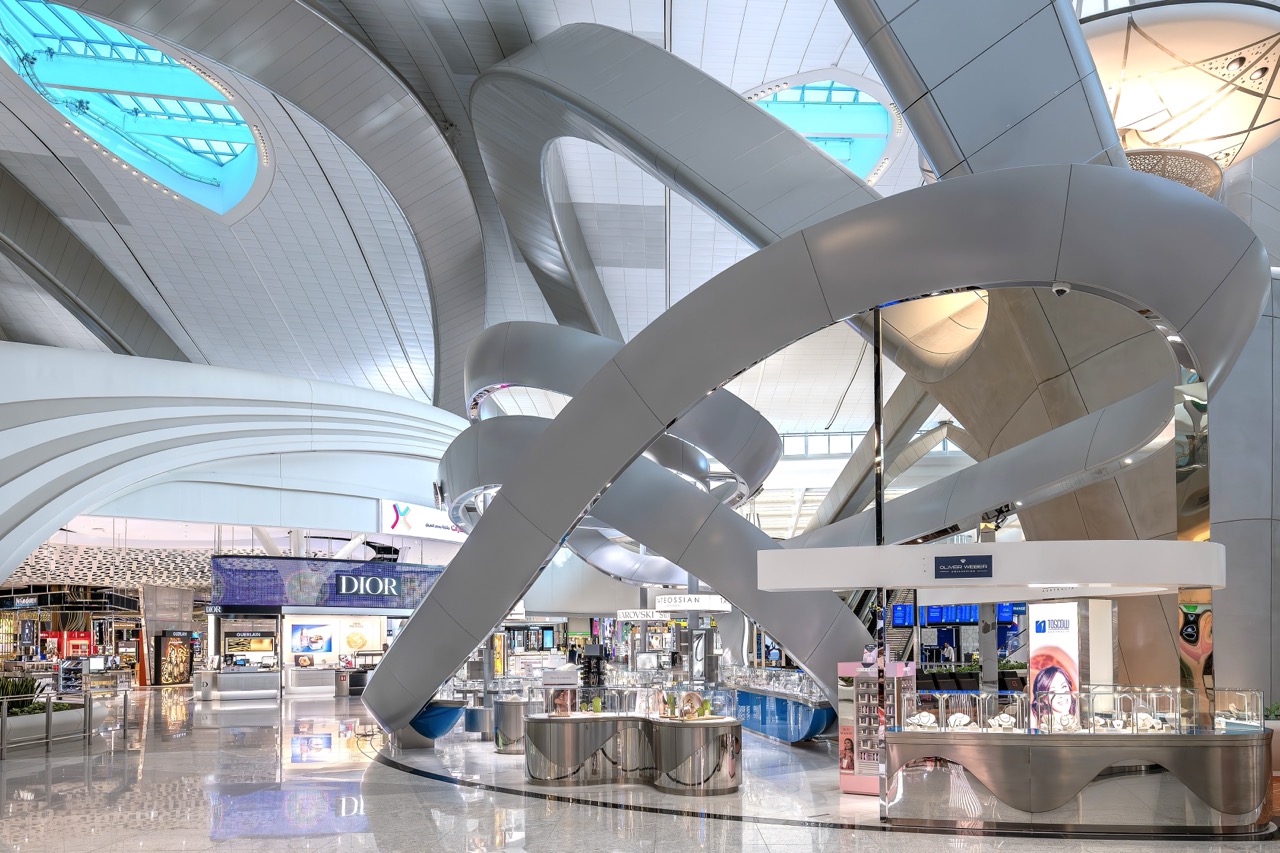
When it opened on 1 November 2023, Zayed International Airport – named in honour of Sheikh Zayed bin Sultan Al Nahyan, founder of the United Arab Emirates – was immediately acclaimed for its scale, design and beauty.
The building delivers a powerfully evocative sense of place in its architecture and art works, and its striking visual impact earned it recognition as the ‘World’s Most Beautiful Airport’ at the Prix Versailles, held at UNESCO’s headquarters in Paris just over a year after opening.
With passenger traffic growth setting a healthy growth rate, and Abu Dhabi Airports’ high ambitions to ensure Zayed International becomes established as a destination in itself, this is an exciting time to help write the chapters ahead.
That’s the opportunity presented to Carsten Nørland, who was named in August as Chief Commercial Officer. He was previously CEO at ferry company Scandlines, SVP International and Managing Director Nordic & Central Europe at Royal Unibrew, and Vice President, Market & Sales at Copenhagen Airport.
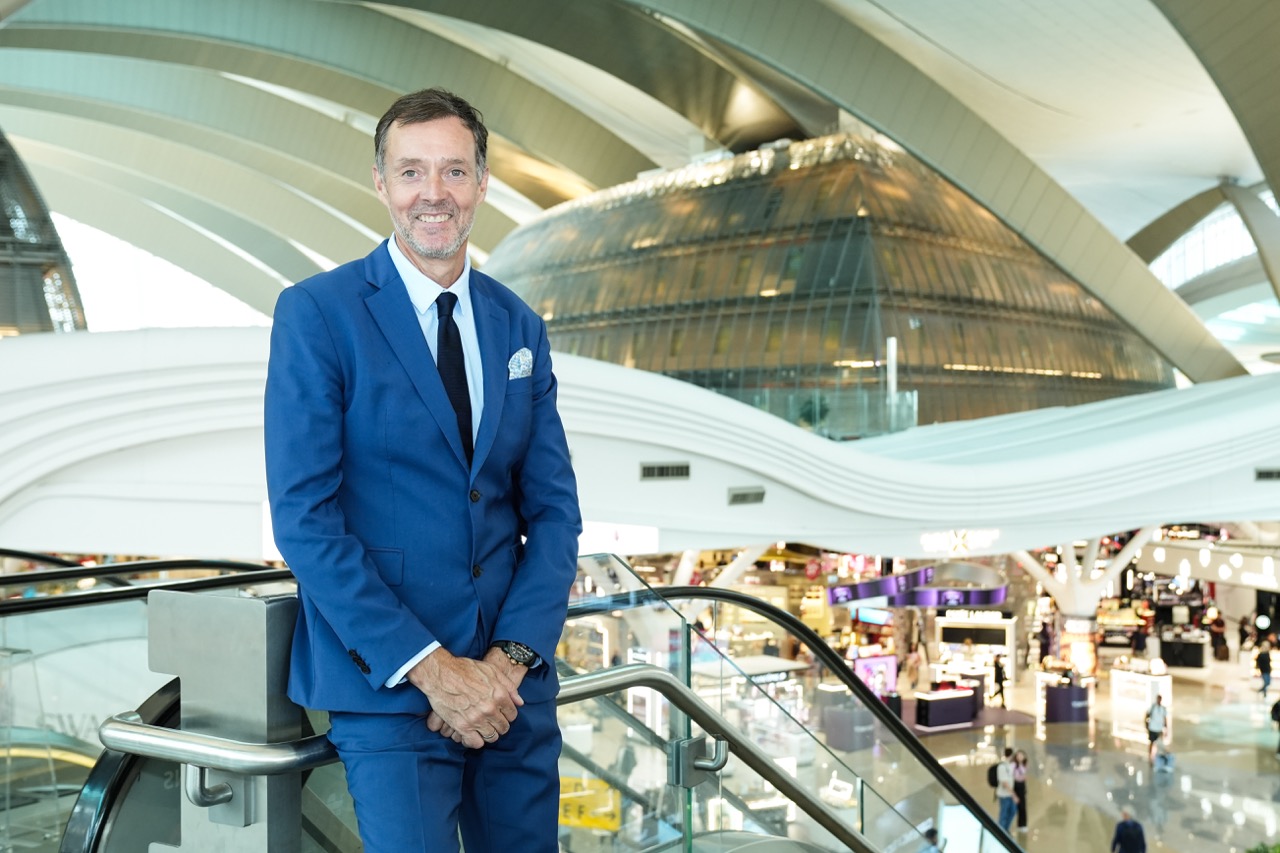
Outlining his early priorities, Nørland says: “My primary focus is on executing an integrated commercial strategy that drives sustainable, customer-centric growth across all aero and non-aero revenue streams.”
This is built on three pillars, he says. One is leveraging Zayed International Airport’s capacity to its full potential via network expansion, already robust with many new routes opened. Another is to enhance the commercial value proposition by further elevating the airport’s retail, food & beverage and service offerings. A third area he identifies lies in strengthening commercial partnerships.
“My mandate is to accelerate initiatives that enhance passenger value, unlock new revenue streams and reinforce Abu Dhabi Airports’ role as a catalyst for the emirate’s economic growth and tourism sector,” he adds.
And the airport is building on what he terms a “robust foundation”, having just posted a record 18th consecutive quarter of double-digit passenger traffic growth.
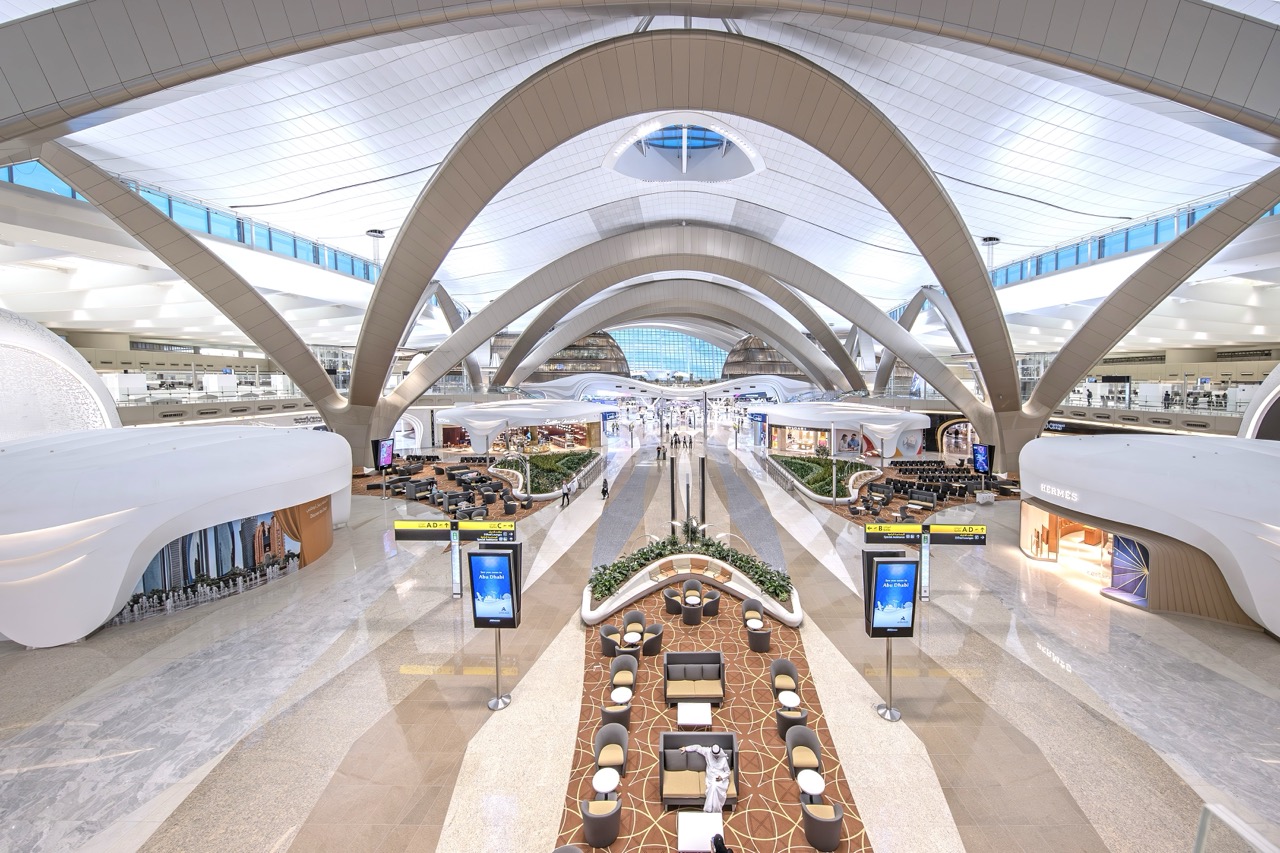
Zayed International serves over 30 million passengers annually, and recently posted a +12%-plus increase in the first nine months of 2025 compared to the same period last year. That followed a +28.1% surge in traffic year-on-year in 2024.
Reflecting on the impressive growth to date, Nørland notes: “We must now ensure our commercial offering matches this trajectory.”
Assessing the bigger picture for the location, he says there is much more to come.
“Proximity to Abu Dhabi’s world-class entertainment, recreation and cultural venues are inspiring our longer-term ambition, which involves a wider mixed-use built environment oriented towards aviation, tourism and allied industries.
“With curated urban districts in alignment with Abu Dhabi’s development vision, this aerotropolis will deliver an unmatched proposition as a destination within itself.
“And with Zayed International Airport at its heart, it will feature cutting-edge multi-modal connectivity to blend as seamlessly as possible with the abundance of appeal Abu Dhabi has as a major global travel, trade and tourism hub.”
Around two years since the terminal’s opening, how does he see the commercial eco-system functioning today, we ask?
“Exceptionally well,” he responds, saying the commercial environment and offer is “directly contributing to our reputation as a world-class gateway”.
He cites the Prix Versailles award noted above, plus the recent Frontier Award for ‘Best Airport for Retail’ in Cannes as examples of the acclaim the airport has garnered to date.
He continues, “Flagship concepts like the Presentedby store (managed by Avolta), which also secured a recognition as Best Specialty Concept at the ceremony in Cannes last month, show how cutting-edge design mixed with an experiential product mix tailored to the modern, discerning traveller can yield commercial success.
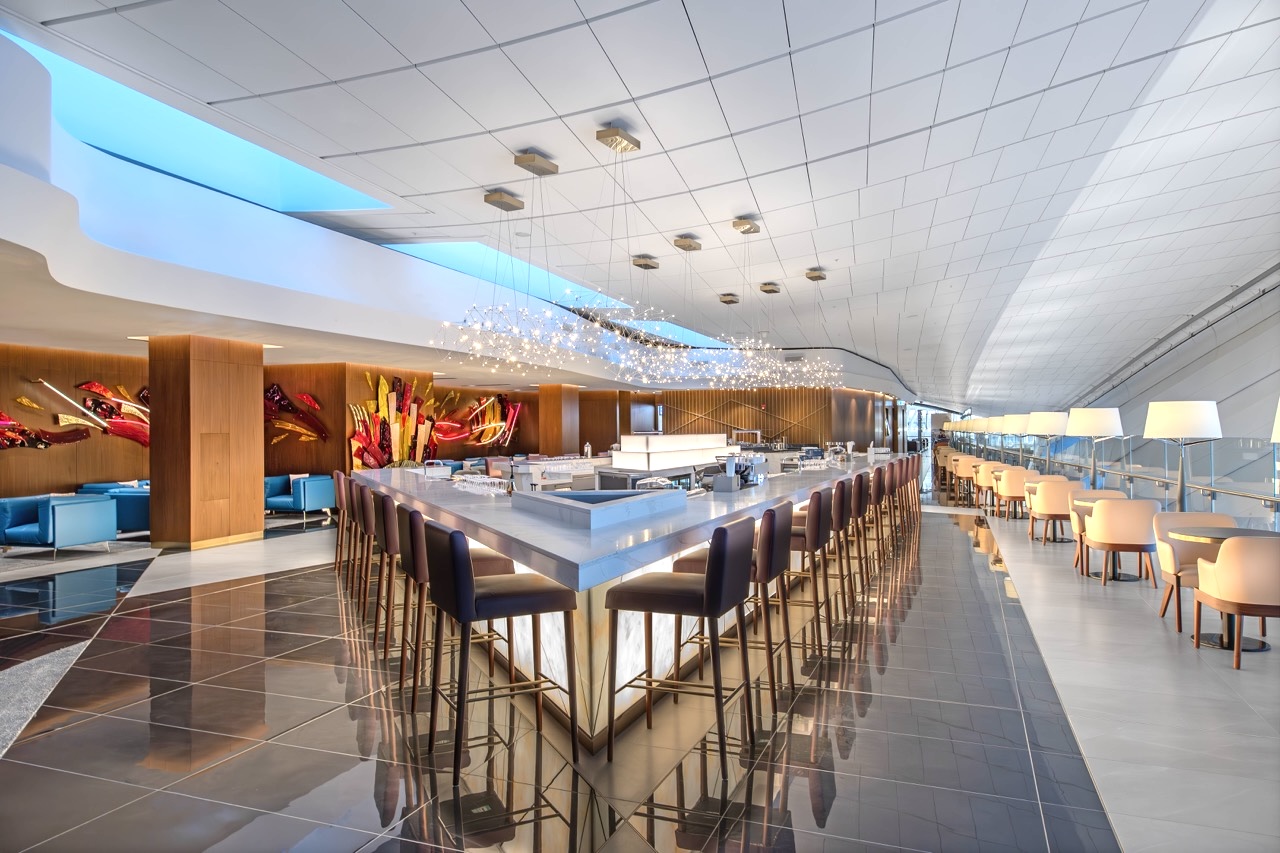
“Our F&B offering is similarly strong in quality and local flavour, and the lounges effectively cater to premium passenger demand. The airport is also gaining rapid attention as a result of the calendar of seasonal and thematic activations it organises around key areas, such as Christmas, Ramadan, summer, food and more.”
One area of focus for refinement is ensuring “consistently compelling commercial ‘pacing’ across all pier areas”, Nørland says.
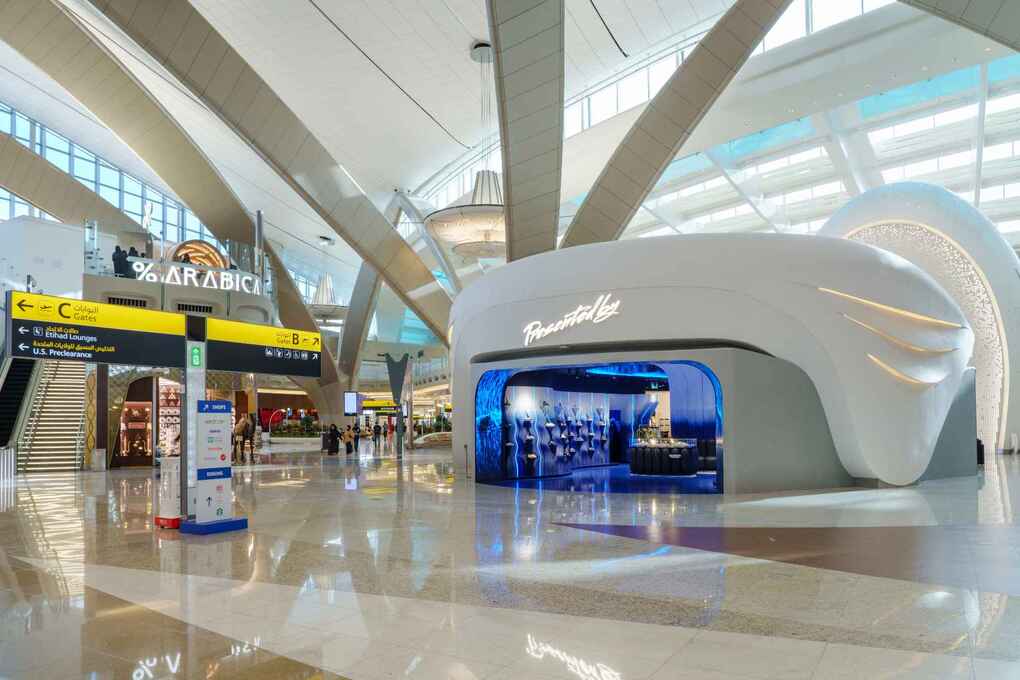
“While the central hub is a high-performing nucleus, we must ensure every passenger journey, regardless of gate location, provides optimal exposure and access to our diverse offer of more than 160 retail and dining outlets spread across 35,000sq m of space.
“Dwell time in this central area – the beating heart of our commercial proposition – is the longest before the X-shaped design enables traffic to dissipate to the piers where the boarding gates are located.
“This exceptional connectivity between the central area and the piers creates both highly visible zones and more remote areas.”
Rather than ‘reworking’ this crucial commercial space, Nørland says, the aim is for “a continuous, data-led enhancement to optimise traffic and commercial flow”.
Elaborating, he notes: “We are leveraging our digital platforms and passenger flow analytics to identify ‘cold spots’ and plan targeted and dynamic pop-up experiential zones, high-impact digital activations and more, particularly towards the pier ends to draw footfall and enhance penetration across the entire commercial area.
“We are already in motion with a phased deployment of digital wayfinding and engagement tools throughout the remainder of this year and the next to increase consumer appeal and ensure every part of the ‘World’s Most Beautiful Airport’ is commercially vibrant.”
Travel trends, consumer dynamics
Like other major Gulf airports, creating a strong and sustainable consumer offer at a location that combines point to point and transit passenger traffic is paramount.
Nørland says, “Growth will be underpinned by two main trends: the continued surge in transfer traffic, which has grown +17.6% over the first nine months this year compared to the same period in 2024, and the demand for authenticity and exclusivity.
“For our transfer passengers, who represent a significant portion of our traffic, the key is an incredibly efficient yet globally appealing offer.
“For point-to-point traffic, which increased by +12% in the same period, the focus is on a distinctive sense of place and an elevated luxury experience.
“The critical success factor is balancing this twin-passenger dynamic by creating a seamless, personalised experience that blends high-street convenience with curated luxury, world-class dining, and an authentic reflection of Emirati culture. This is what ensures our passengers remember Abu Dhabi as a vibrant, luxury gateway.”
This will be further enhanced by an already deep and continuing investment in technology and smart processes.
“Technology is foundational to passenger experience and as a result is also a critical foundational pillar for our commercial success. It shifts the airport experience entirely; from rushed to tranquil, from transactional to highly engaged and personalised,” says Nørland.
He describes Zayed International Airport as a high-powered test-bed environment for how to use advanced technology solutions, featuring the world’s first complete multi-touch-point biometric journey, which also enables a kerb-to-gate journey in as little as 12 minutes.
On the commercial opportunities technology can present, he adds: “Our future investment is focused on the airport’s AI digital twin: leveraging data analytics and AI to offer a personalised retail and F&B experience, moving beyond basic digital signage to targeted, real-time offers across mobile and in-terminal screens.
“We are also investing in ecommerce and pre-order platforms that integrate seamlessly with the physical store, allowing us to capture a greater share of the passenger wallet before they even arrive.”
Partnership principles
Assessing what a strong partnership looks like to Abu Dhabi Airports today, Nørland says it should be “a strategic alliance built on mutual growth and co-innovation, moving far beyond a landlord-tenant relationship”.
“The success of our commercial offering, which contributed to the recent Best Airport for Retail award, is a testament to this collaborative approach,” he adds. “It means sharing passenger data insights to co-create concepts like Presentedby, which specifically cater to emerging traveller segments and trends.”
In closing, we ask the new CCO how he would like Zayed International to be perceived by travellers as a place to shop and dine?
He replies: “We want Zayed International Airport to be known as more than just a fast-growing, major and rapid transit hub. We want to help the world discover Zayed International Airport as a compelling destination in itself; a vibrant, cultural and luxurious gateway that is an essential part of the Abu Dhabi experience.
“We want the memory of our shopping and dining outlets to be as impactful as the memory of the city we offer the first taste of, complementing our status as the ‘World’s Most Beautiful Airport’.
“The next steps on this journey involve honing in even more relentlessly on experiential retail environments that are unique to Zayed International Airport, elevate our luxury mix, include more travel retail-exclusive products, all supported by a seamless, digitally enabled customer journey.
“Our ultimate goal is to consistently exceed the expectations of our diverse, global passenger base, turning every minute spent in the terminal into a highly valuable commercial and emotional engagement.”
*This is an edited version of an article that first appeared in The Moodie Davitt November Magazine. Click here for that version (page 66). ✈