
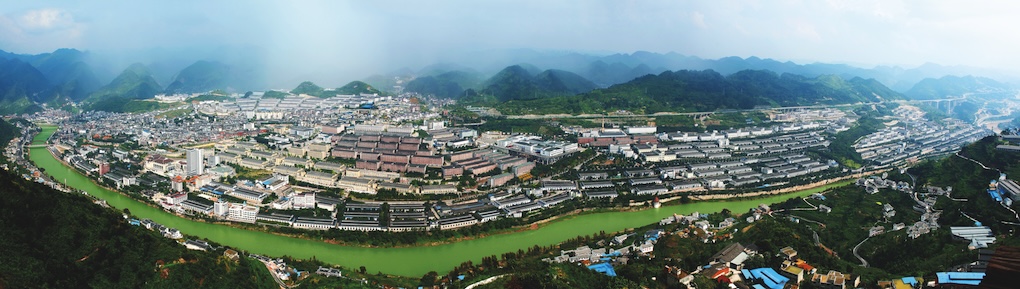
Introduction: Entering Maotai Town along the Chishui the brand or the factory complex, but an atmosphere that seems to hang in the air: the softness of grain, the faint tang of fermentation, the dampness of water vapour, and an elusive yet unmistakable sense of time.
The impression is subtle, but it deepens with each step. Here, production has never been fully surrendered to machines. From handling the raw materials to extracting the liquor, every stage is carried out by hand. Inside the distilling workshop, that feeling becomes tangible: heat rises through the room, the fermented grains are turned again and again, and the workers move in a practiced rhythm. The process is slow, disciplined and unadorned, yet it reveals an inner order shaped by generations of accumulation.
This rhythm, seemingly unchanged, is precisely what allows Moutai to endure across time. In that moment, Moutai is no longer just a highly symbolic brand – it becomes something real, physical and immediate.
For those who have long followed the global travel retail industry, Moutai is hardly a stranger. It is both a symbol of China’s premium consumption market and a key pricing benchmark for alcoholic beverages, while also standing as one of the most notable examples of a Chinese brand expanding into international markets.
Six years ago, Martin Moodie, Founder and Chairman of The Moodie Davitt Report, made his first visit to Kweichow Moutai’s headquarters and Maotai Town, introducing the full Moutai story to the global duty-free sector for the first time.
He observed that Moutai’s uniqueness lay not only in the product itself, but in the entire system behind it – one shaped by time, the natural environment and traditional craftsmanship. At the time, that value proposition, anchored in “time”, was compelling, but difficult to translate for a wider audience.
Six years later, the question had changed.
If the central task then was to make the world know Moutai, the challenge now is to make the world understand it – to understand why it cannot be replicated, and to understand the living system behind it, built by time, microorganisms and rhythm.
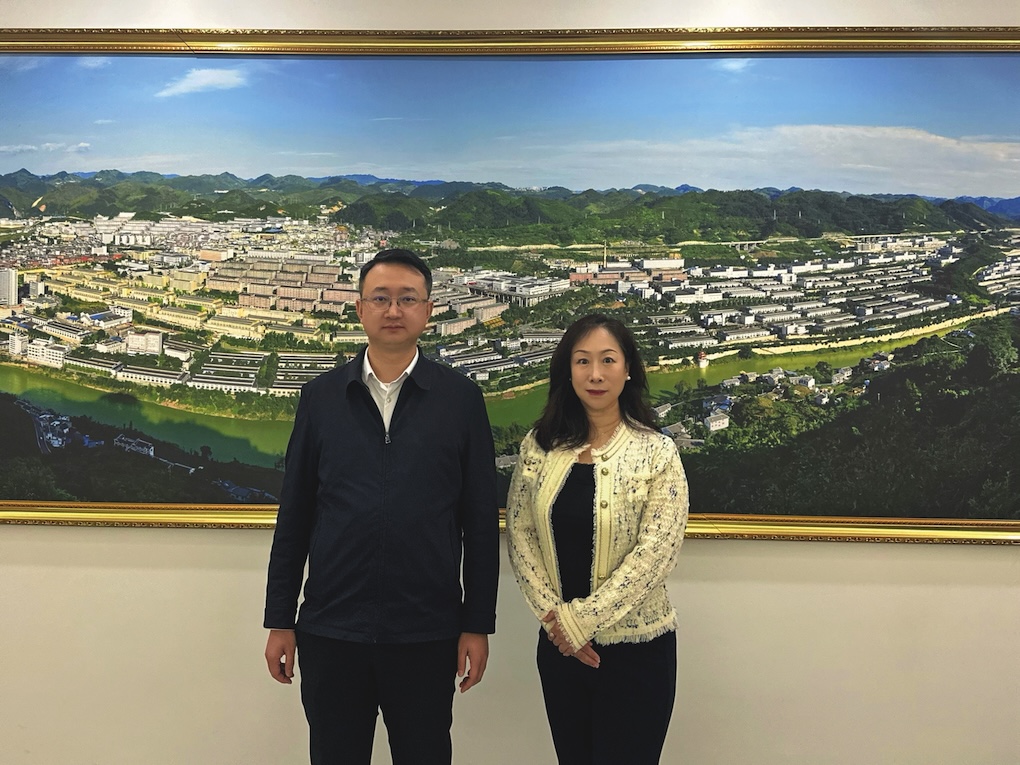
With that in mind, Zhang Yimei, China Chief Representative of The Moodie Davitt Report, visited Moutai with her team and sat down with Kweichow Moutai Import & Export Chairman Huang Jie for an in-depth conversation. The discussion covered the brand’s internationalisation strategy, channel development and cultural expression, but its starting point was, fittingly, the most elemental theme of all: time. When a bottle of liquor is itself a vessel of time, how should it speak to the world?
It is from this field experience and conversation that a more multidimensional Moutai comes into view – a brand actively refining its approach to globalisation.
Travel retail’s crucial role
Zhang Yimei: Travel retail is not only a sales channel, but also an important window through which international travellers encounter a brand. For many consumers, it is the first place they encounter Moutai. In your overseas strategy, how do you define the role of this channel? Is it mainly about sales conversion, or about brand presentation and consumer education?
Looking ahead, how does Moutai plan to connect travel retail with other international markets and turn a fleeting airport encounter into a lasting consumer relationship?
Huang Jie: Within Moutai’s international market layout, the travel retail channel has always played an important role in the brand’s globalisation. We see it as a key front line for brand presentation and consumer cultivation. Sales conversion is not our primary objective; rather, it is a natural outcome of brand building and consumer education.
This channel is not only the “first point of awareness” through which international travellers encounter Moutai, but also a three-in-one platform that combines image display, cultural communication and sales. Through consistent visibility and standardised experiences in duty-free terminals, we help international consumers better recognise and understand the baijiu category, turning a brief airport encounter into long-term identification with the Moutai brand.
An evolving product strategy
Moutai’s 2026 market-oriented operation plan proposes building a ‘pyramid’ product structure. In line with other high-end spirits brands, which often offer exclusive products or special packaging in travel retail, does Moutai plan to launch duty-free or travel retail-only versions? And in international travel retail, will 42% ABV Feitian Moutai be positioned as an entry-level option more suited to overseas consumers?
We are actively studying and planning a dedicated product portfolio for the duty-free and travel retail channel. This is an important step in Moutai’s internationalisation strategy as we move from simply going global to truly taking root in overseas markets. It is also a key part of our channel refinement and supply optimisation.
Strategically, travel retail is both a golden gateway and a cultural bridgehead for Moutai’s international business. It is not only a sales channel, but also a reception hall for high-net- worth consumers around the world.
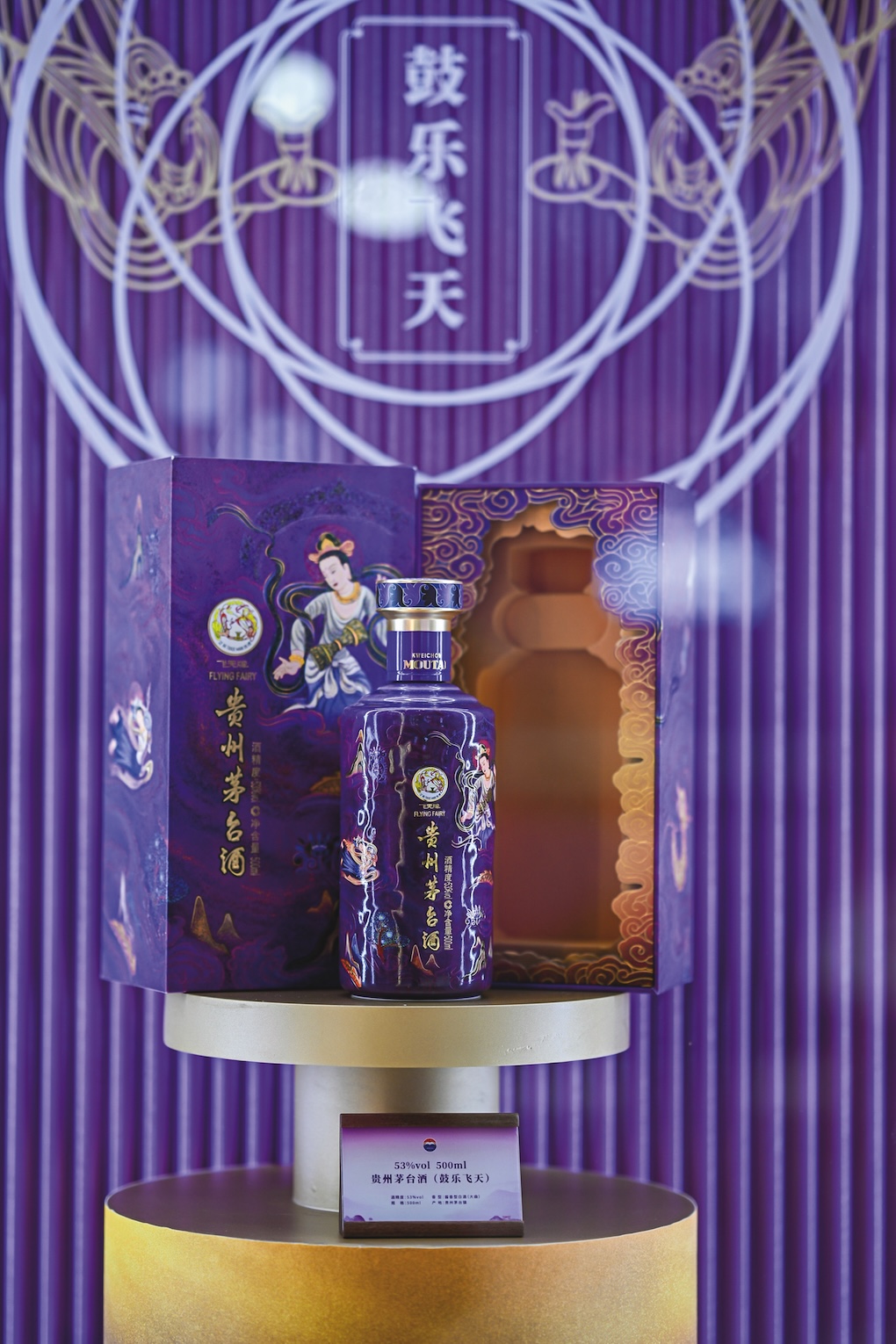
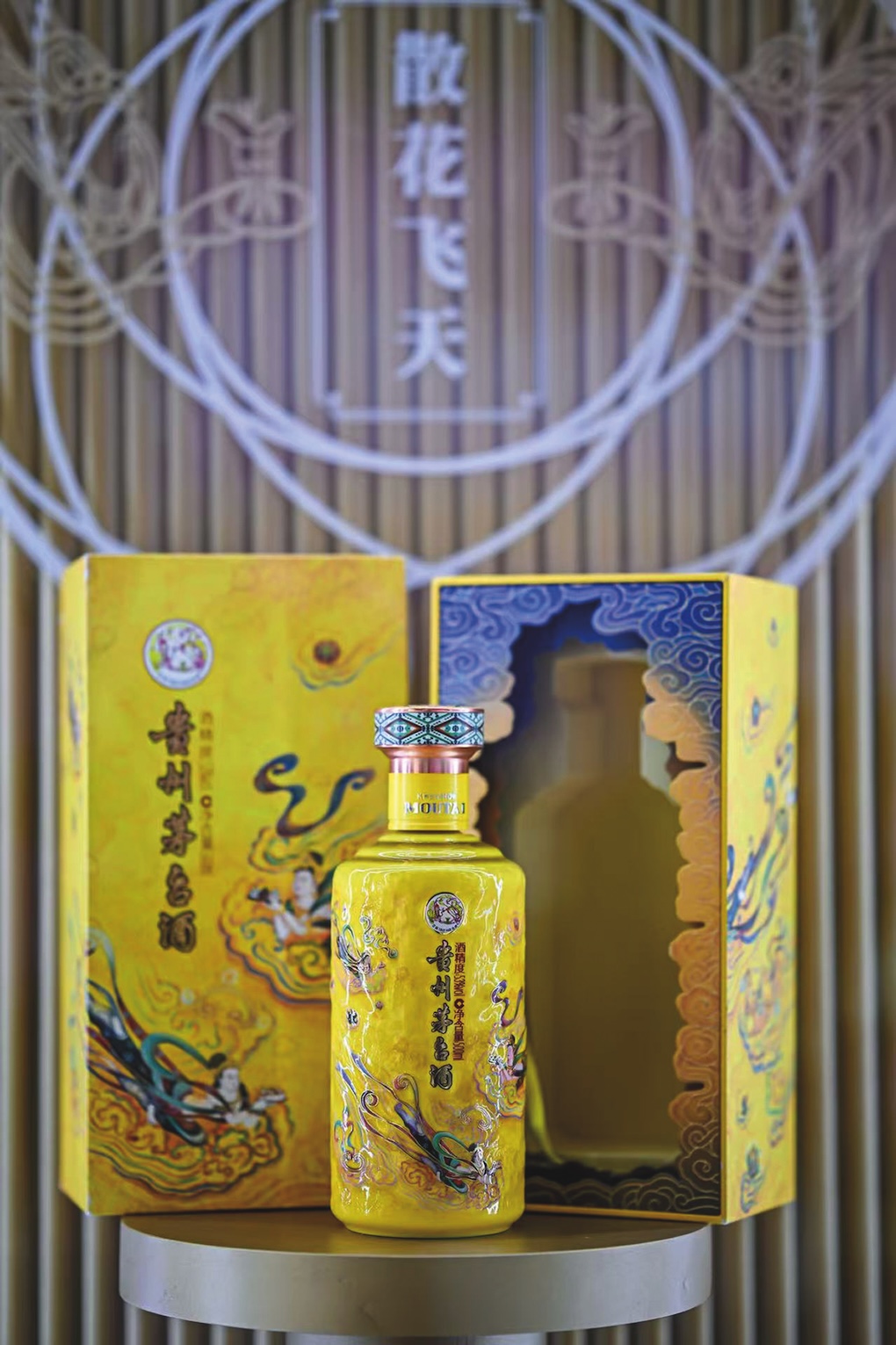
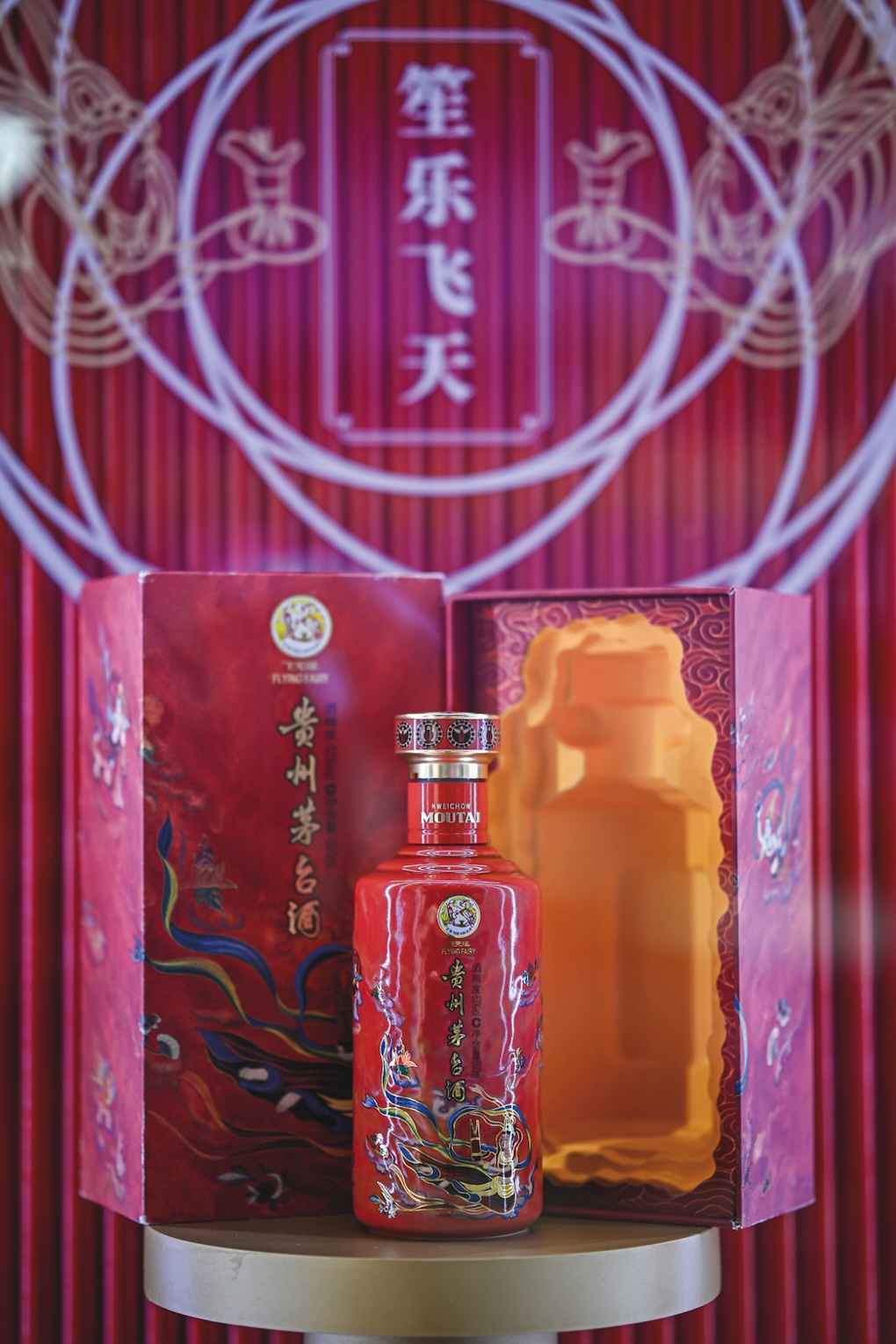
From a market perspective, premium spirits in the global duty-free sector face three major expectations: traceable origin and assured authenticity; limited-edition or commemorative products with strong cultural storytelling; and innovative formats that reflect international aesthetics and are easy to carry while travelling. Based on these needs, we are developing products for this channel in stages, creating portable cultural symbols and a taste of the Chinese aesthetic of living.
As Moutai expands overseas, our goal is not only to export fine liquor, but also to convey Chinese craftsmanship and Eastern culture. In the future, our duty-free and travel retail product line will continue to uphold the mission of brewing a better life, telling Moutai’s story and sharing Chinese culture through a more international language.
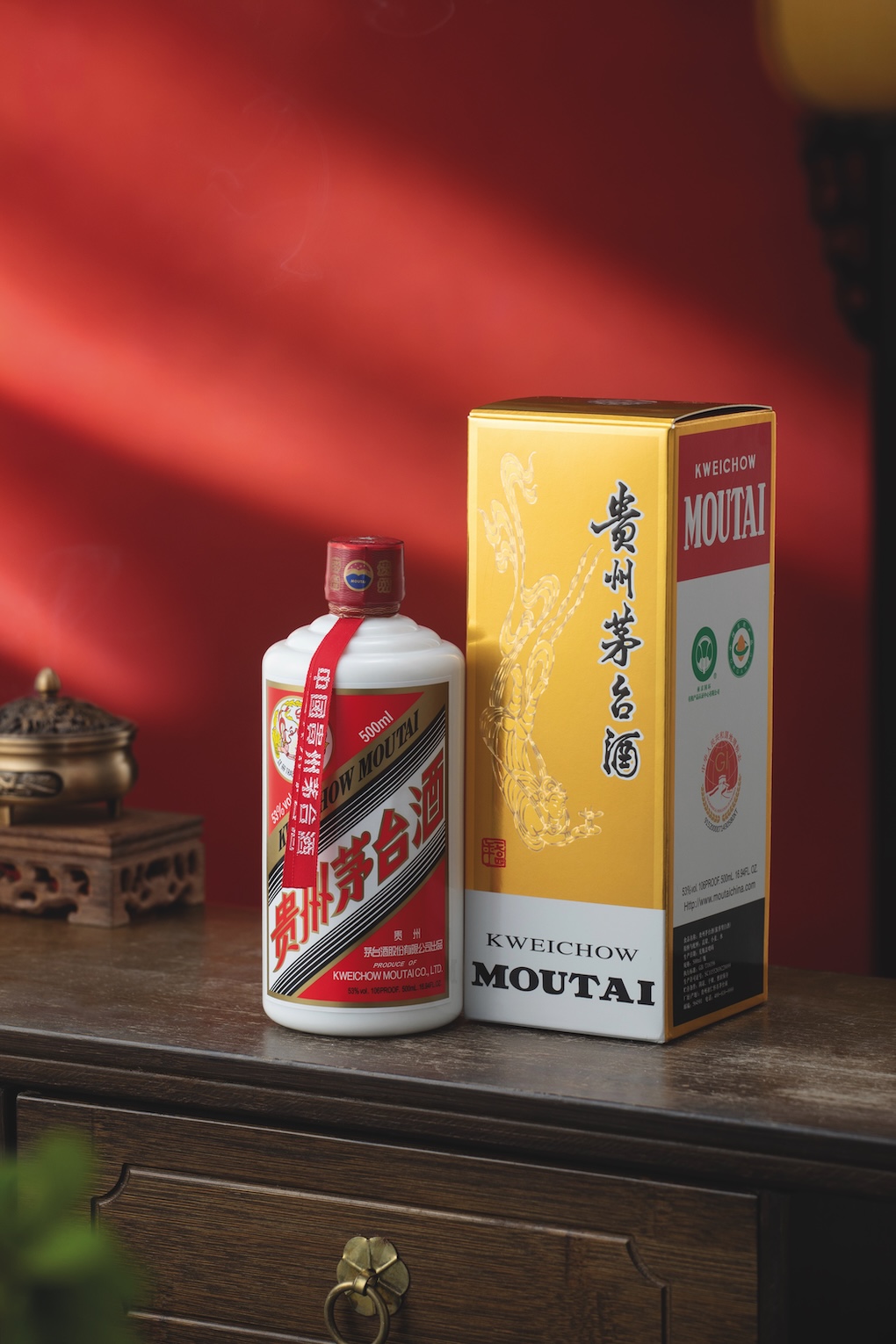
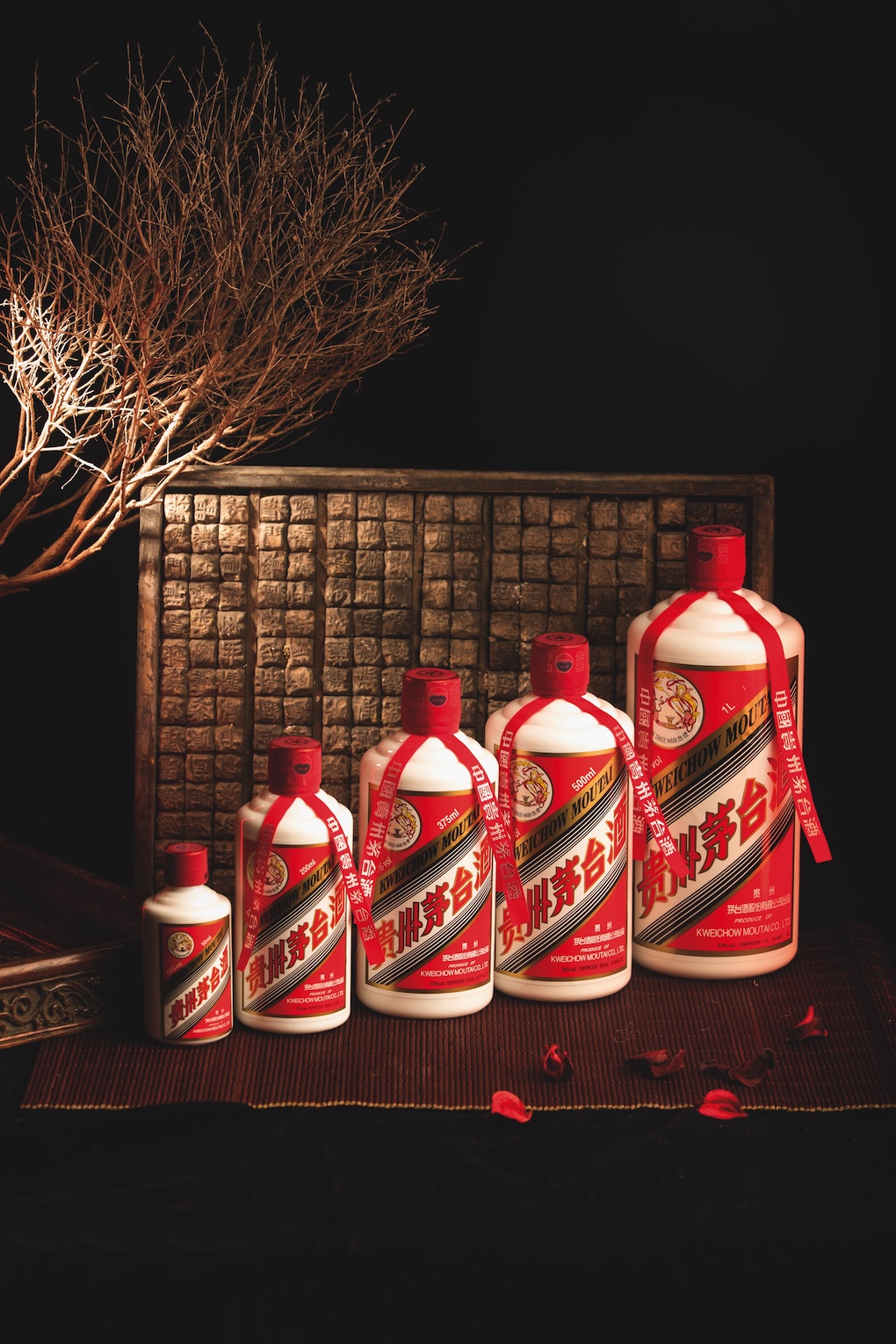
As for the 42% ABV Feitian Moutai, the decision was not a simple adjustment from the domestic 43% version. It was the result of detailed market research aimed at aligning more naturally with mainstream global spirits consumption patterns.
Premium spirits such as Cognac and whisky are generally positioned around 40% ABV worldwide, and the 42% format preserves Moutai’s core flavour and brewing standards while making the spirit feel more elegant, rounded, approachable and versatile.
This is not an ‘entry-level’ product. Rather, it is a bridge between Eastern aesthetics and global taste preferences. In travel retail, it works alongside the 53% Feitian to strengthen Moutai’s position in international markets. The two are not arranged in a hierarchy of ‘entry-level’ and ‘advanced’, but exist in parallel as the elegant choice and the classic benchmark. The 42% version simply sits at a more accessible price point, lowering the barrier to trial without changing the brand’s positioning.
It is also better suited to international cocktail culture and Western food pairings, making it a lightweight interpreter of the Moutai lifestyle and a way to lower the psychological barrier for first-time consumers.
Pricing and value
Moutai’s 2026 market-oriented operating plan also proposes a pricing mechanism that is market-responsive, relatively stable and dynamically adjusted. Yet in travel retail, customer mix, purchasing power, airport rents and commissions vary widely across regions. Compared with the duty-paid market, these factors can significantly affect pricing and profitability.
How will Moutai address this challenge?
We believe price is an expression of value, and Moutai’s value is rooted in its irreplicable brewing tradition and unwavering commitment to quality. From the seasonal rhythm of making Qu (fermentation starter) during the Dragon Boat Festival and adding sorghum during the Chongyang Festival, to more than five years of ageing in clay jars, from the unique terroir of the Chishui River Valley to the craftsmanship passed down through generations of master distillers – every bottle of Moutai is the product of time, nature and skill.
In travel retail, we remain consumer-centred and adhere to the principle that price should match value. We will not dilute brand value because of channel differences, nor will we price in a way that departs from the product itself. At the same time, recognising the different market conditions and cost structures in each region, we will maintain a relatively stable global pricing system while making reasonable adjustments where necessary.
Our aim is to ensure that consumers in both duty-paid and duty-free channels feel the clear alignment between Moutai’s price, quality and brand value.
When consumers understand the brewing story and cultural heritage behind Moutai, they naturally develop a more rational understanding of its price and a deeper recognition of its value.
Experiential retail
In recent years, Moutai has spoken about shifting from ‘selling liquor’ to ‘selling a lifestyle’. For overseas consumers who cannot visit Maotai Town in person, duty-free shops are often their first encounter with Moutai culture. In the future, will Moutai create more immersive brand spaces with a stronger cultural experience specifically for travel retail?
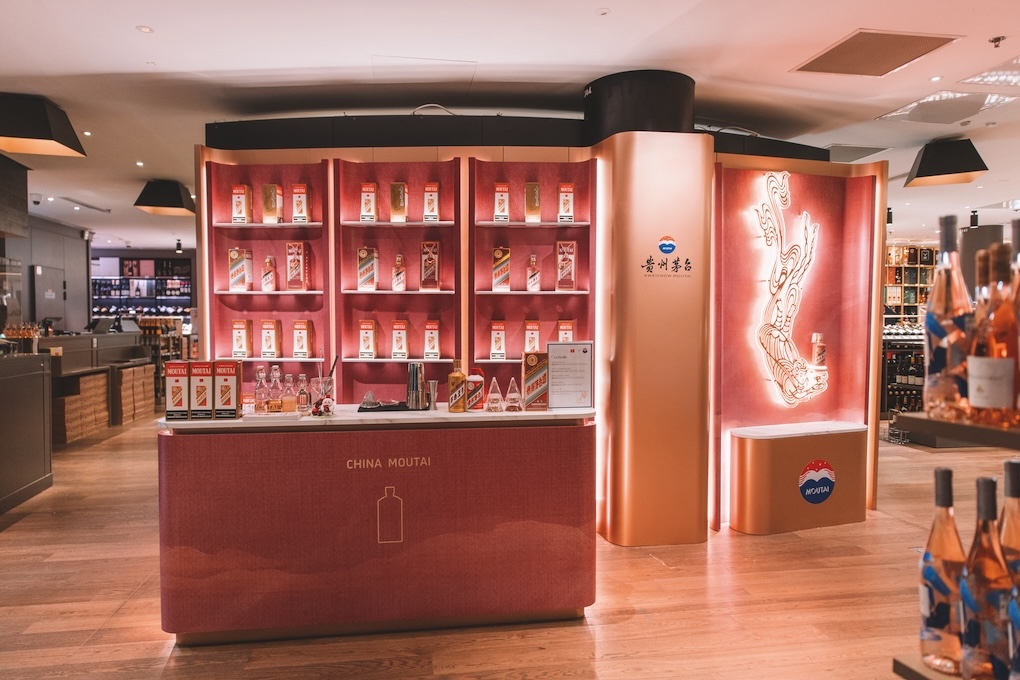
For overseas consumers who are unable to visit Maotai Town in person, travel retail is an important space for us to communicate Moutai culture and put the shift from ‘selling liquor’ to ‘selling a lifestyle’ into practice. The dedicated areas, counters and display spaces we create are not merely for brand exposure and product presentation; they should also become miniature spaces where consumers can experience Moutai’s quality and culture, and the aesthetics of an Eastern lifestyle.
With that in mind, we developed the China Moutai Global Retail Terminal SI Standards System, with the goal of making Moutai culture perceptible, experienceable and memorable.
Through standardised spatial design, we bring together cultural display, product presentation, experiential formats and professional service, transforming the cultural elements embedded in Moutai’s brewing craftsmanship – natural rhythms, craftsmanship and Eastern aesthetics – into a visual and experiential language that international consumers can immediately understand, even during a short visit.
Whether it is the terroir imagery of the Chishui River Valley or the craft symbols of Qu-making and grain-adding seasons, these elements are integrated into terminal spaces through modular, lightweight design. This allows consumers to form a genuine emotional connection with Moutai culture through seeing, understanding and tasting – without ever having to travel across oceans.
Guided by the principles of high recognisability, high efficiency and a lightweight experience, we are transforming travel retail terminals from traditional sales counters into replicable, perceptible micro-cultural spaces.
In the future, we will continue to adapt these spaces to the cultural preferences of different markets, making duty-free stores an important gateway through which more international consumers can come to know Moutai, understand Moutai, and fall in love with Moutai.
Cross-cultural storytelling
For international travellers from very different cultural backgrounds, how will Moutai communicate its identity across cultures so that Moutai culture can be understood, recognised and emotionally resonant?
For international consumers, we use ‘a liquor that breathes and grows’ as our core value proposition for cross-cultural communication. The idea comes from Moutai’s unique origin and craftsmanship.
Moutai is produced in China’s Chishui River Valley, where the local terroir, microorganisms and red sorghum create an irreplicable brewing foundation. The traditional timing of making Qu (fermentation starter) during the Dragon Boat Festival and adding sorghum during the Double Ninth Festival allows the brewing process to move in step with nature’s rhythms.
Unlike many spirits, whose character remains largely fixed after distillation, Moutai continues to breathe, age and develop aroma even after bottling. That living quality gives rise to its distinctive sauce-aroma profile – a balanced interplay of sour, sweet, bitter, salty and umami – and creates a smooth, layered drinking experience that feels approachable rather than overpowering.
Beyond taste, Moutai also carries the Eastern tradition of using liquor to complete the rite. It appears at reunions, celebrations and important meetings, where every bottle becomes part of a story. Through this idea, we want international consumers to understand that Moutai is not just something to drink; it is a witness to time, nature and life.
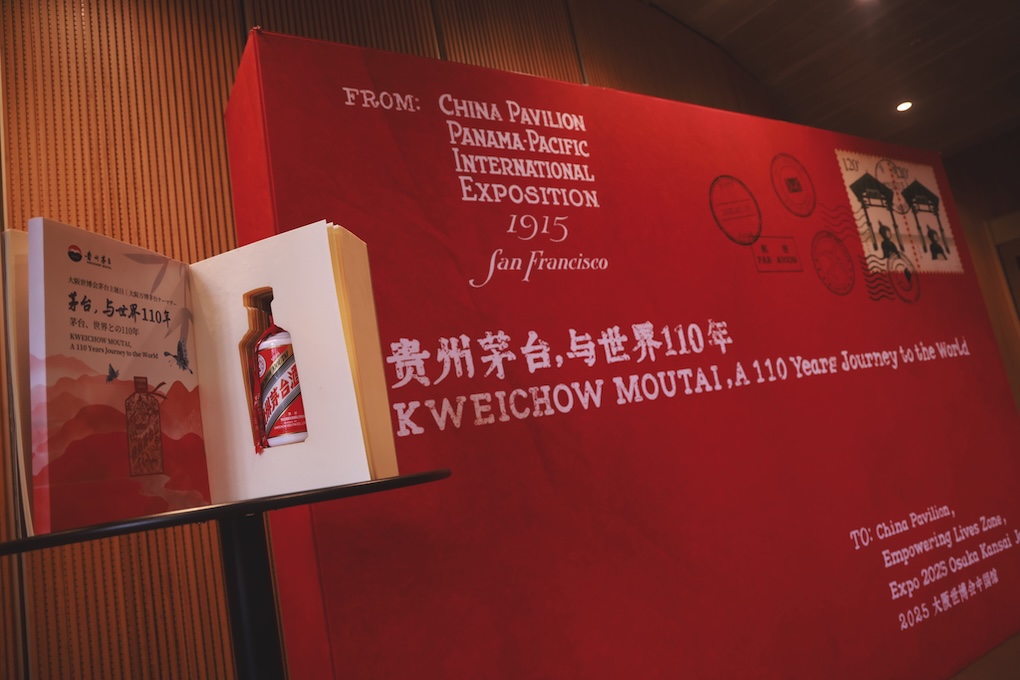
We are putting this idea into practice in three ways. First, through sensory experience, including visual storytelling and immersive tastings that show the journey from raw materials to finished spirit, along with blind tastings of different vintages, so consumers can directly feel the vitality that time gives to liquor.
Second, through symbolic language adaptation, translating ‘breathing’ and ‘growing’ into visual and verbal cues that international consumers can easily grasp, using concise English and design centred on living in harmony with nature to reduce cultural barriers.
Third, through emotional scenario building, linking a living liquor to consumers’ milestones and memories, so that Moutai becomes not just a spirit, but a vessel for emotion and time.
Looking ahead, we will continue to refine this localised expression in key markets such as Singapore, France, the UK and the USA, so that Moutai’s ‘breathing and living’ identity becomes a meaningful window into Chinese liquor culture.
Future growth
As Chinese baijiu enters a new phase of internationalisation, travel retail is seen as an important gateway for brands going global. Over the next three years, what growth expectations does Moutai have for the global travel retail channel?
At the regional level – Europe, Asia Pacific and the Middle East – and at the channel level – airport duty-free, downtown duty-free, inflight retail and cruises – which areas are most likely to become new breakthrough points? More broadly, how does Moutai assess the potential of Chinese baijiu in global travel retail?
Moutai has already built strong partnerships with leading domestic duty-free operators, and sales have grown steadily year after year. Going forward, we will deepen cooperation with international duty-free operators.
On the one hand, we will strengthen our domestic inbound and outbound duty-free and downtown duty-free business. On the other, we will expand more broadly into premium retail settings such as major international hub airports, cruise ships and ports.
Our preliminary plan is to achieve sustained growth in Moutai liquor sales through duty-free channels over the next two to three years.
Regionally, different markets are developing in different ways. Asia Pacific has a relatively strong foundation of awareness of Chinese baijiu and already shows a high level of acceptance of the Moutai brand, making it our core growth driver. Europe has a concentrated high-end consumer base and a mature duty-free sector, with a long-standing spirits culture that gives it the potential for brand penetration through cultural dialogue.
The Middle East, as a global hub for luxury tourism and high-end consumption, has a high-net-worth customer base in its duty-free channels that aligns closely with Moutai’s brand positioning, and it is likely to become a new growth breakthrough point.
At the channel level, airport duty-free will remain dominant, thanks to its massive international passenger flow and mature operating systems. Downtown duty-free is emerging as a new growth engine, supported by the recovery of global tourism and more favourable policy conditions. Cruise and inflight retail, as supplementary channels, also have the potential to create deeper brand engagement with specific consumer groups.
From an industry perspective, as Chinese culture continues to gain global influence, baijiu is increasingly being recognised by international consumers for its distinctive flavour and deep cultural heritage. As the first stop for brands going global, travel retail has become a crucial battleground for the internationalisation of Chinese baijiu.
Moutai will continue to work with industry partners to promote a higher-quality, more sustainable future for Chinese baijiu in the global travel retail market, allowing more international consumers to experience Chinese culture through Moutai.
The interview ends here. In the exchange between Zhang Yimei and Huang Jie, a clear thread emerges: whether the subject is travel retail strategy, exclusive product planning, pricing mechanisms or the upgrading of terminal experiences, all of these decisions point to the same question – how to make the value of time behind Moutai visible, understandable and meaningful to people from different cultural backgrounds.
The answer, in fact, was already present in the everyday life of the distillery.
Stepping out of the liquor-making workshop and back into the Chishui River Valley, that first scent becomes even clearer. It is not just the smell of grain and fermentation, but the scent of an order and rhythm shaped by time. A guide once pointed to the workshop walls and said that not a single brick or corner here can be altered casually, because the walls are covered with microbial communities built up over decades.
They are alive, and they are the true old employees of the distillery. No one can say exactly when they arrived; only that they were here before anyone else.
Six years ago, Martin Moodie came to understand that Moutai’s uniqueness lies in a system shaped by time, nature and craftsmanship. Six years later, Zhang Yimei visited the distillery for the first time and found that the system had not changed.
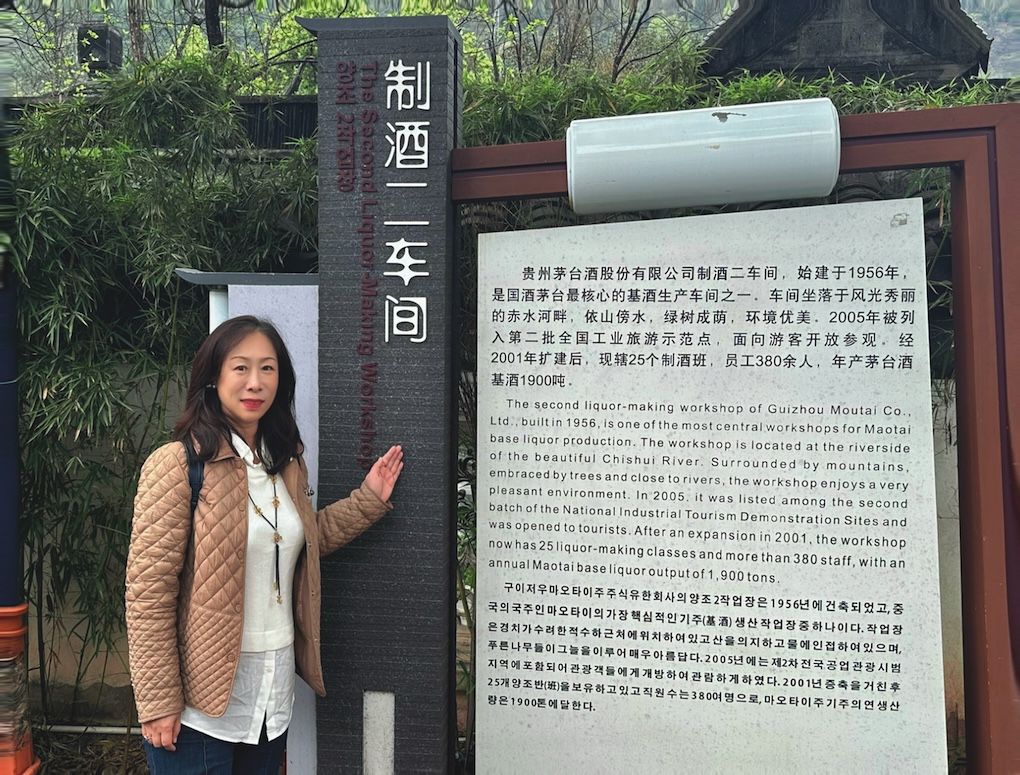
What had changed was that more and more people had begun to understand it. And that understanding is now travelling around the world, bottle by bottle.
That, perhaps, is what Huang Jie meant by “a living, breathing liquor”. Microorganisms breathe on the walls, liquor ages in clay jars, and time itself grows in the Chishui River Valley.
They may never leave Maotai Town, but the Moutai they help create is already on its way overseas. When a bottle is opened, what is awakened is not only the spirit, but the air, temperature, and time of this land – steadfast, and unchanged for decades.
Perhaps this is how Moutai goes global: not by explaining time, but by letting time speak for itself. ✈