

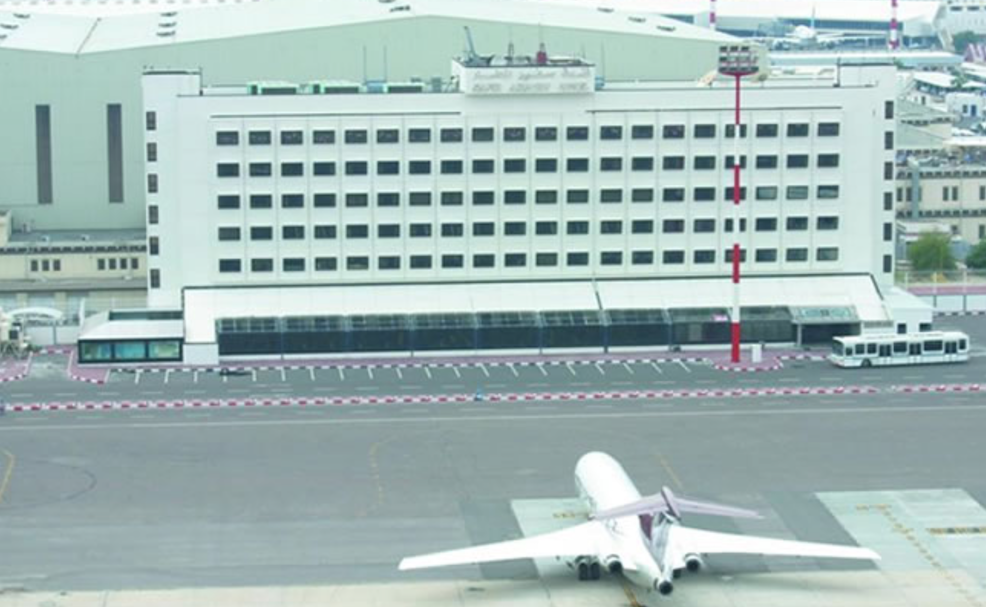
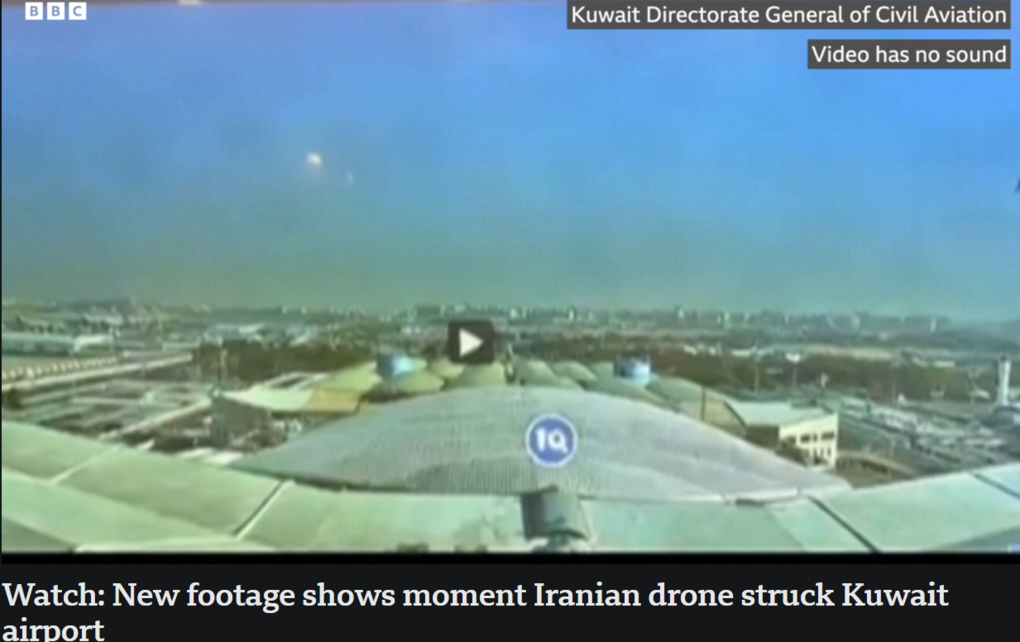
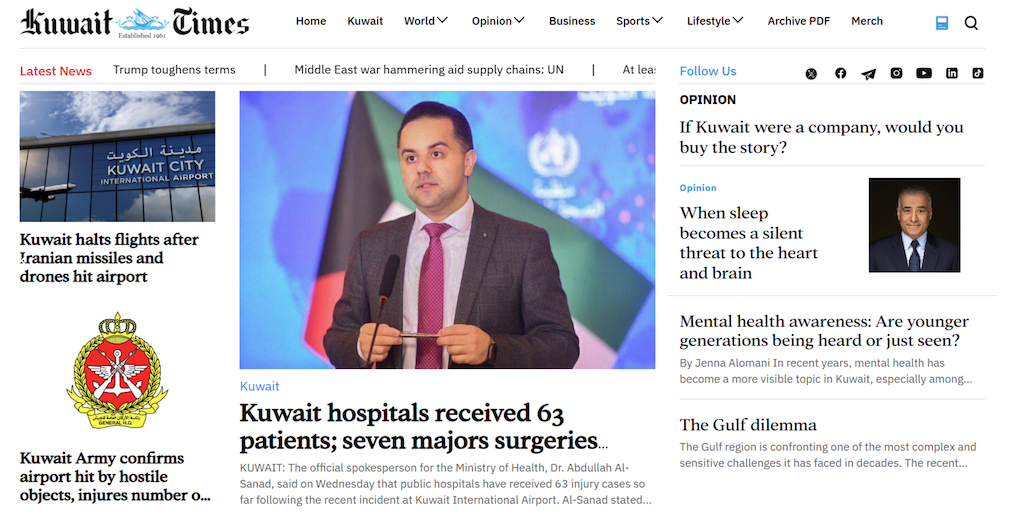
KUWAIT. An Iranian drone and missile strike on Kuwait International Airport today (3 June) has intensified concerns about the security of aviation infrastructure across the Gulf and raised fresh uncertainty for the region’s already hard-pressed travel retail, aviation and tourism sectors.
According to Kuwaiti authorities and multiple international media reports, the attack caused significant damage to facilities at Kuwait Airport, injured scores of people and temporarily disrupted flight operations.
Reports indicate that at least one person was killed in the attack.
Official spokesperson for the Ministry of Health, Dr Abdullah Al-Sanad said public hospitals have received 63 injury cases so far following the attack.
Ministry spokesperson Saud Al-Atwan said in a statement issued through Kuwait News Agency (KUNA) that armed forces were following the situation in coordination with the relevant authorities.
Kuwait’s Public Authority for Civil Aviation announced the suspension of air traffic and flight operations after the incident.
Limited flight services have recommenced from unaffected facilities.
The incident marks an alarming escalation in a conflict that has increasingly drawn Gulf states into a wider confrontation involving Iran, the USA and regional allies.
It also represents one of the most direct attacks on a major civilian aviation gateway in the Gulf during the current crisis.
Aviation disruption
The strike forced the temporary suspension of operations at Kuwait Airport, one of the Middle East’s key aviation hubs. Flights were diverted, delayed or cancelled as authorities assessed damage and security risks.
Kuwait Airways halted services before limited operations resumed from alternative airport facilities.
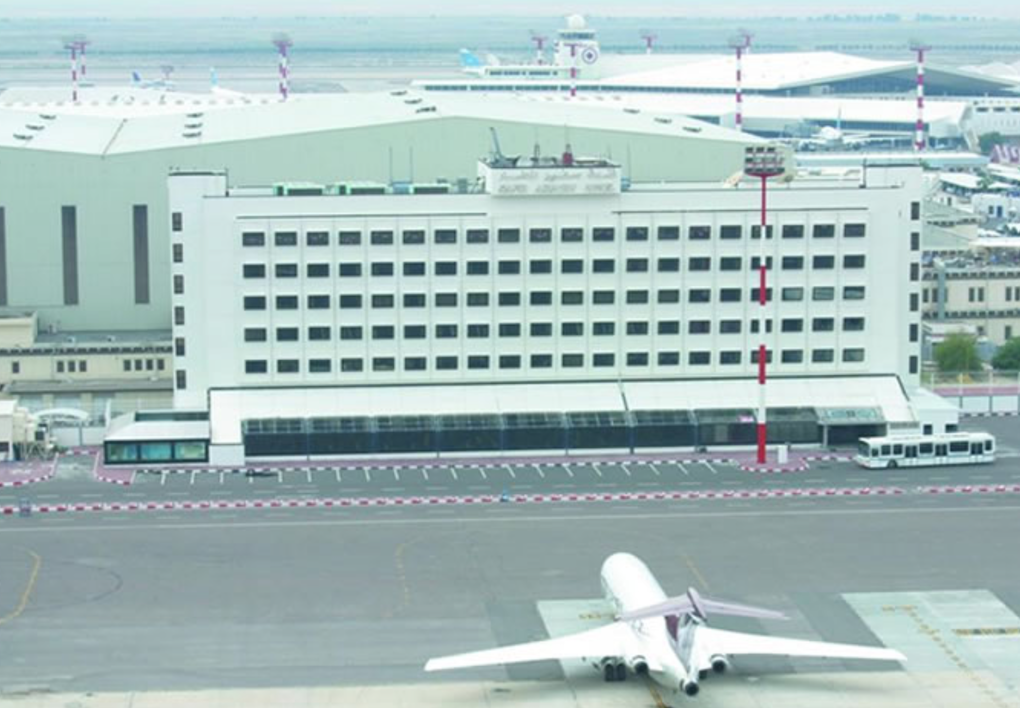
The attack came amid broader disruptions across Gulf airspace. Bahrain reportedly intercepted missiles and drones, while airlines operating through the Gulf adjusted routes and schedules as security concerns mounted.
Several carriers have been navigating operational challenges linked to ongoing instability around the Strait of Hormuz and wider regional conflict.
For the aviation sector, the latest developments underscore the vulnerability of strategically important airports and air corridors in a region that serves as a critical crossroads for global travel.
Implications for travel retail
While the immediate focus remains on passenger safety and operational continuity, the consequences for travel retail will become increasingly significant if instability persists.
Airport retail performance across the Middle East is closely linked to international passenger flows, hub connectivity and traveller confidence.
Any sustained reduction in traffic, airline capacity or route networks will inevitably affect commercial revenues for airports, duty-free operators and concessionaires. ✈
Follow our coverage of the Middle East crisis and the implications for aviation and travel retail here.