


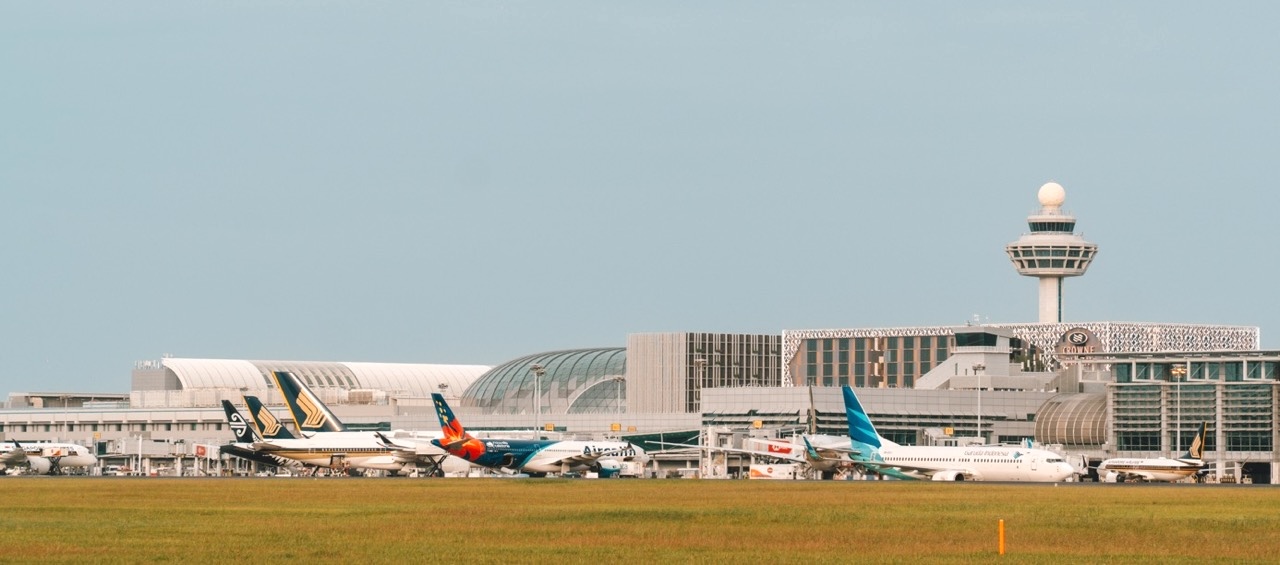
SINGAPORE. Singapore Changi Airport served 17.6 million passengers in the first three months of 2026, a +2.3% increase year-on-year.
Strong demand to and from North Asia and Europe offset the impact of conflict in the Middle East on traffic numbers. In March, passenger traffic between Singapore and the Middle East fell -80% year-on-year.
Changi Airport’s top five markets for the first quarter were China, Indonesia, Malaysia, Australia and India. Vietnam and China posted the strongest growth among Changi’s top ten markets, rising +26.5% and +17.7% year-on-year respectively.
The top five city links for the quarter were Kuala Lumpur, Bangkok, Jakarta, Tokyo and Hong Kong, while Shanghai, Taipei and Tokyo registered the strongest growth among the ten busiest routes.
Passenger traffic for the 12 months through March rose +2.9% year-on-year to 70.4 million, the highest recorded traffic at Changi over a 12-month period.
Changi Airport Group Executive Vice President for Air Hub and Cargo Development Lim Ching Kiat said, “Travel demand in the quarter remained strong, bolstered by growth in North Asia and Europe. While there was some impact from the Middle East crisis, we were resilient and worked closely with our airline partners in response to evolving passenger demand and shifts in travel patterns.”
In March, amid flight cancellations on Middle Eastern routes, various airlines launched about 90 additional flights between Singapore and cities such as Frankfurt, London, Munich, Muscat, Paris, Perth and Sydney.
“We will continue to monitor the global geopolitical situation and work with airlines to provide passengers with alternatives across our diversified network,” added Lim.
In other news, Changi Airport Group has launched an ambitious redevelopment programme of the former Commercially Important Persons (CIP) terminal, integrating premium lifestyle and dining concepts in partnership with Plaza Premium Group. Click here for more. ✈