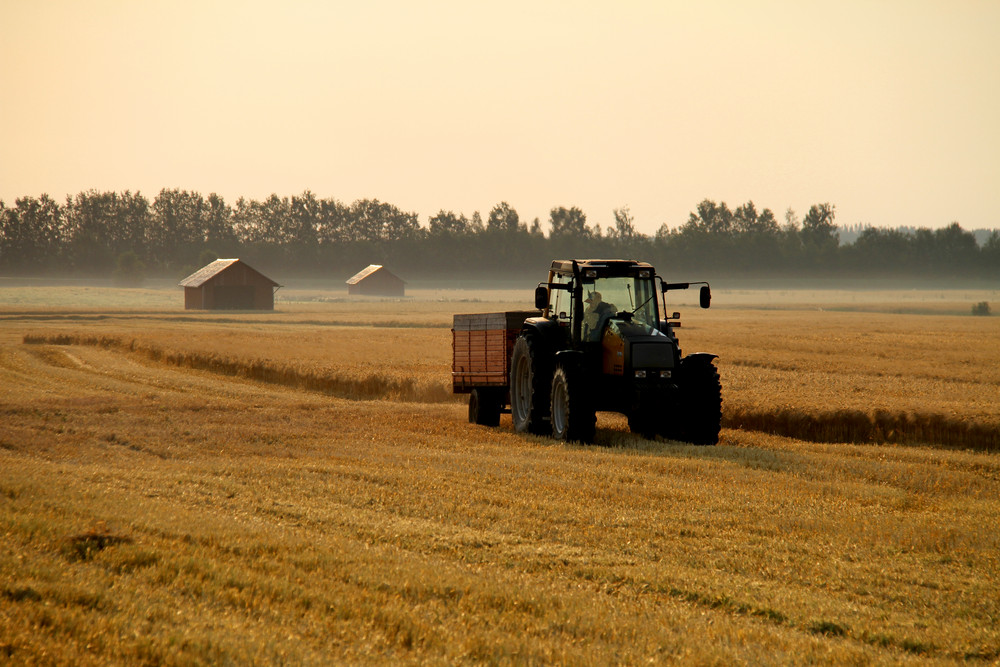
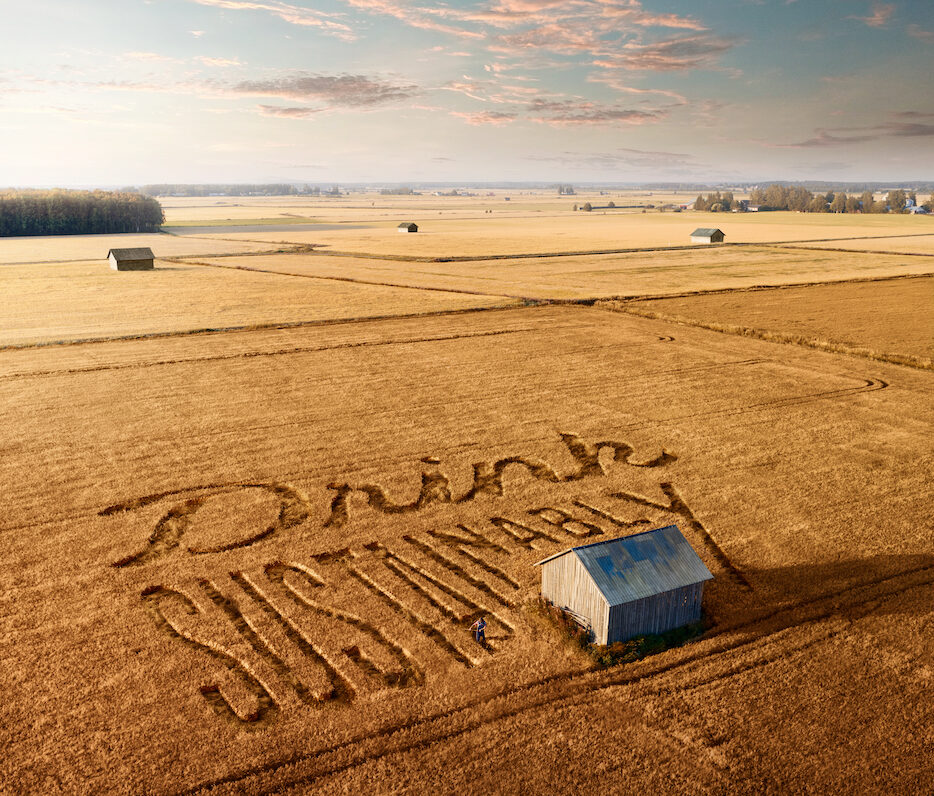
Spirits sustainability trailblazer Anora Group is hosting a striking makeover of The Moodie Davitt Report homepage this week to underline its support for World Earth Day (22 April).
Led by the activities and provenance of its biggest-selling brand, Koskenkorva Vodka, the drinks company is using the campaign to extol the virtues of regenerative farming, potentially one of the biggest answers to fighting global climate change.
Regenerative farming is a set of methods that aim to turn fields from emission sources into carbon sinks, sequestering CO₂ from the atmosphere. With food systems globally responsible for 30% of CO₂ emissions, 60% of biodiversity loss and 70% of water use, farming, according to Anora Group, has a big part to play in lessening these negative environmental impacts.
“Our value chain is an important part of our emission reduction work and farming – the source of the barley we need to produce vodka – is an obvious area to focus on,” said Anora Group Communications and Sustainability Director Petra Gräsbeck.
She outlined the merits of regenerative farming: “The aim of regenerative farming is to adopt a set of methods that help to bind carbon to the soil. With these techniques, farming can be also more resilient towards the changing climate. This type of farming also supports biodiversity, both below the ground in the soil and above the ground.”
Gräsbeck added: “Regenerative farming methods improve water retention, which makes the field more resilient to extreme weather conditions created by climate warming, such as drought and heatwaves. It also makes the yield better and more secure.”
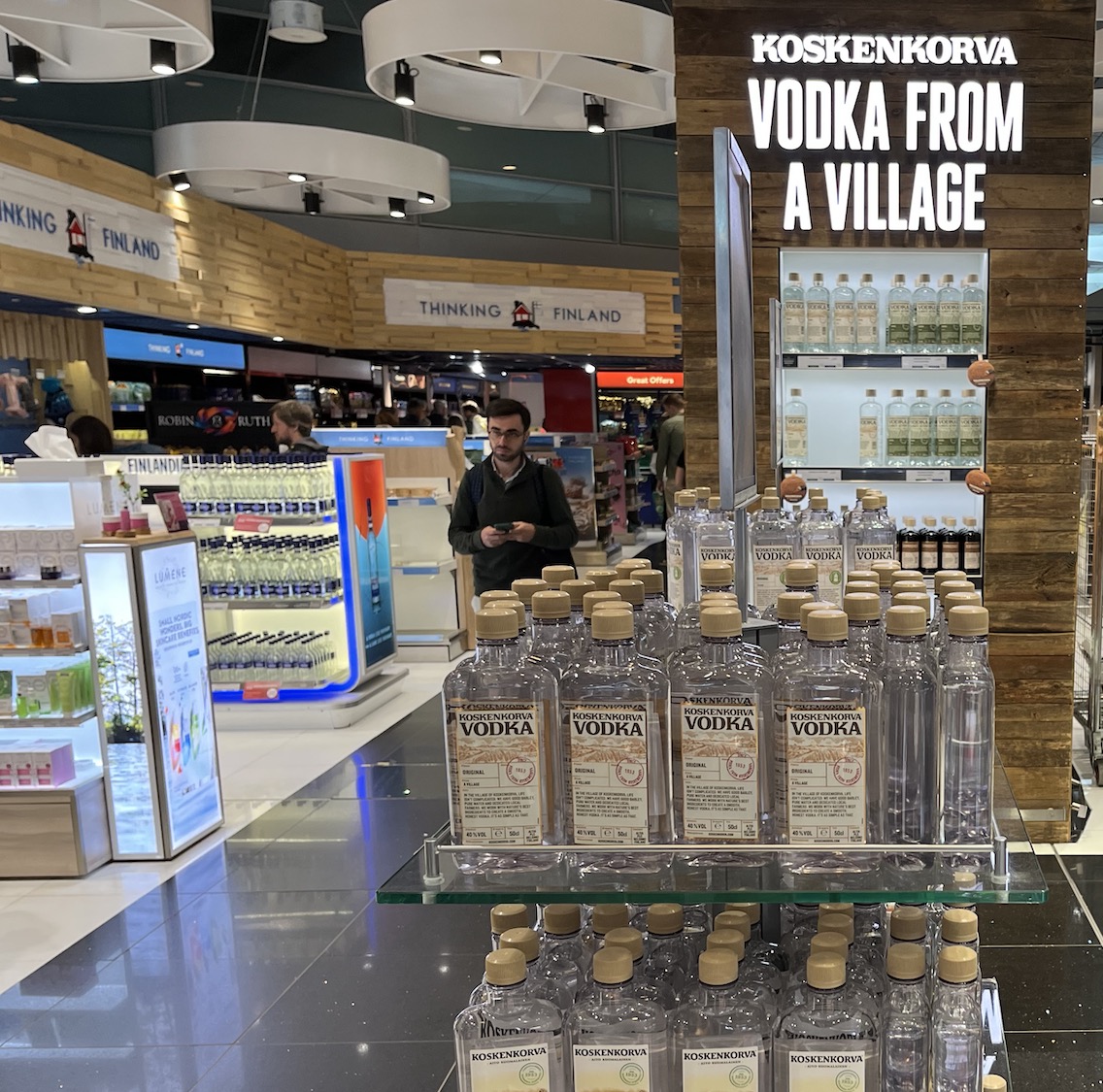
Koskenkorva Vodka – which is currently sold in 30 domestic and 26 travel country markets – uses 15% of all barley farmed in Finland in its production. Anora Group made the decision to experiment with regenerative farming for growing barley in 2021 and push to becoming a more sustainable drinks producer.
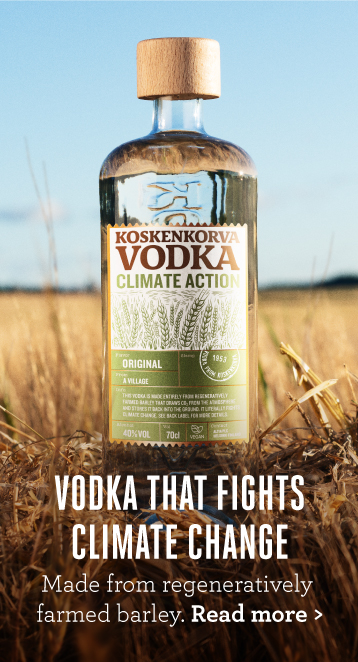
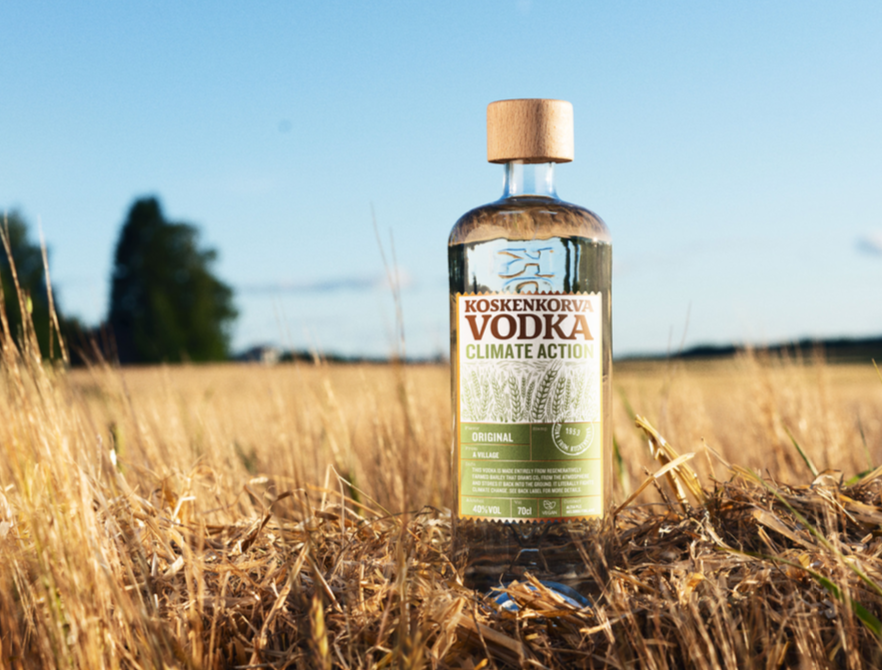
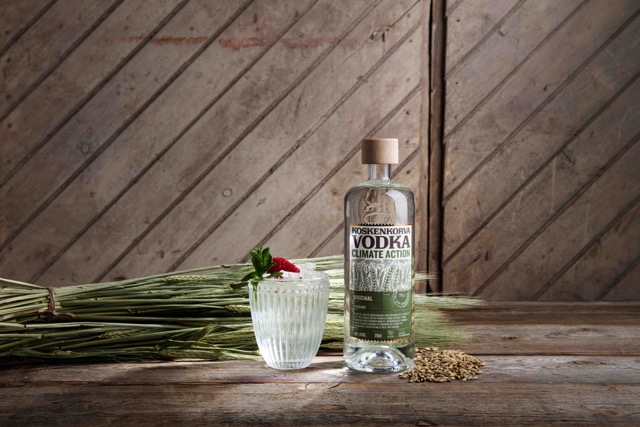
Starting with one pilot farmer, the company sourced 50,000 kilos of regeneratively farmed barley. The result was Koskenkorva expression Climate Action Vodka, the world’s first vodka made using only regeneratively farmed barley and now on sale in key travel retail locations including Helsinki Airport.
The experiment continued in 2022 with the sourcing of 56,000 kilos of regeneratively farmed barley from two farmers for use in Climate Action Vodka. This year, Anora Group has recruited 20 farmers who will use the regenerative techniques – as a result, over 3.5 million kilos of regenerative farmed barley will come from this year’s harvest for use in its products.
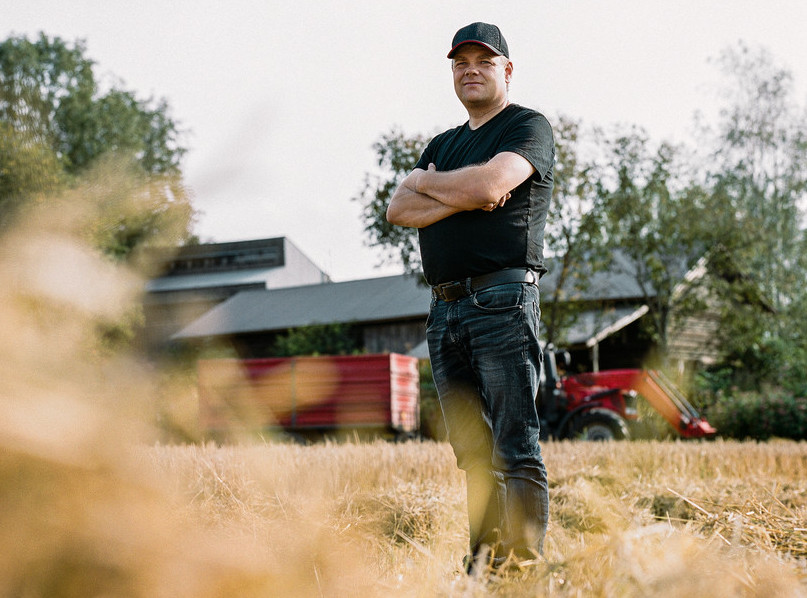
To achieve this farming sector adoption, Anora Group has provided education to the contracted farmers, with the help of experts and NGOs such as the Baltic Sea Action Group, on how to shift to regenerative farming.
The reasons for the farmer to make the shift are compelling, as Gräsbeck explained: “Regenerative farming improves productivity in changing climate conditions, gives a better and more secure yield and improves soil structure and health so it also gives the farmer financial benefits alongside the ecological ones.”
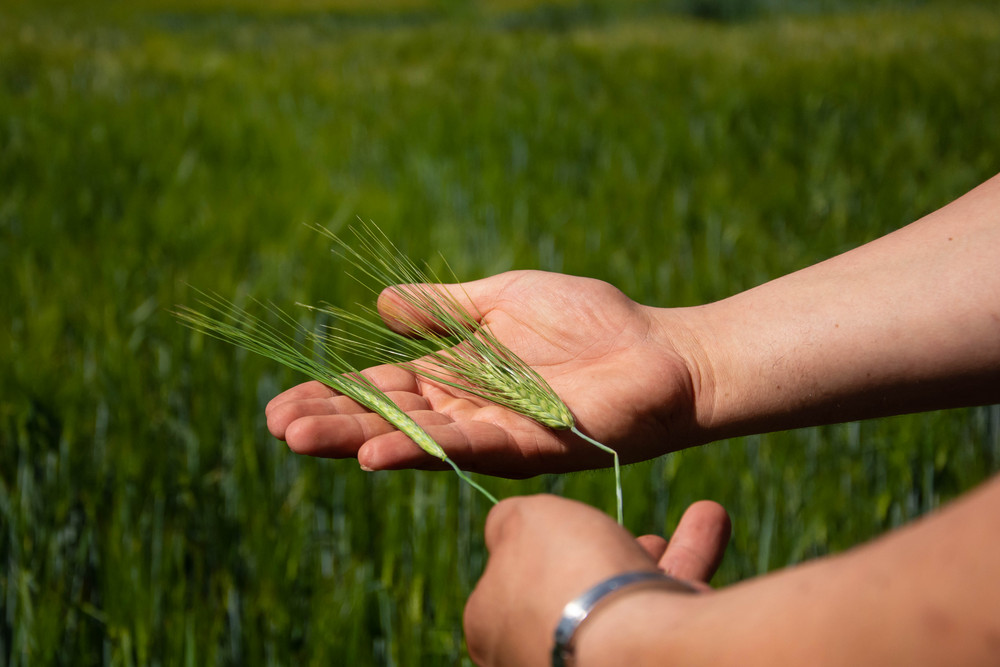
She continued: “As a bonus, many regenerative farming techniques are easy to implement. Year-round vegetation cover and crop rotation are the most important practices. No-till and low-till planting doesn’t disturb the topsoil like traditional ploughing and releases less CO₂ from the field. Regenerative farming means also using organic material such as farming by-products as fertiliser.
“For farmers, we also pay a bonus on regeneratively farmed barley compared to barley produced by more traditional methods. We believe that the clear benefits to farmers are a unique selling point to get more practitioners. This really is a win-win solution. We are convinced this will be the new normal of future farming.”
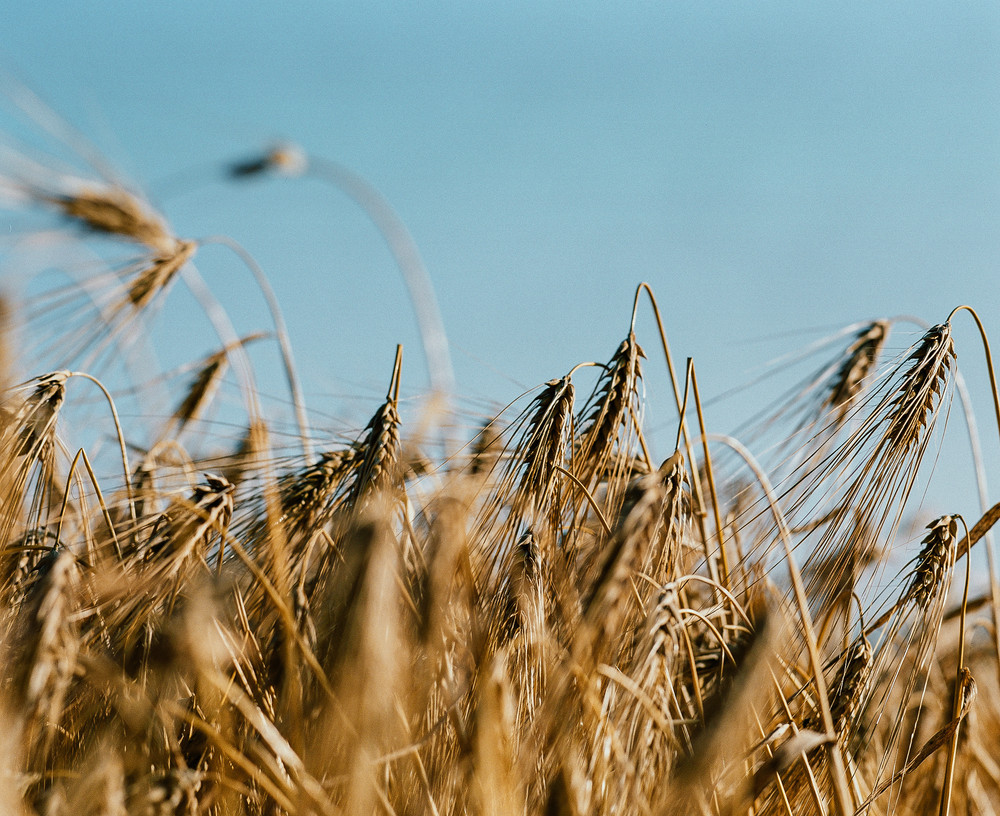
Anora Group’s longer-term ambition is that by 2030 it will be using 30% regeneratively farmed barley in its vodka products, led by the Koskenkorva Distillery. Further, the company has set a net-zero carbon target by the year 2050.
“We also aim to have carbon neutral production throughout our own operations without any carbon offsets,” concludes Gräsbeck. “The Koskenkorva Distillery, which is already in the vanguard, is likely to be completely carbon neutral even earlier, by 2026.”

Last August, we sent our Senior Business Editor Mark Lane to Finland for an immersive brand experience to see at first hand Koskenkorva Distillery’s focus on sustainability, as a guest of Anora Group. Read his account here.
The travel retail sustainability factor
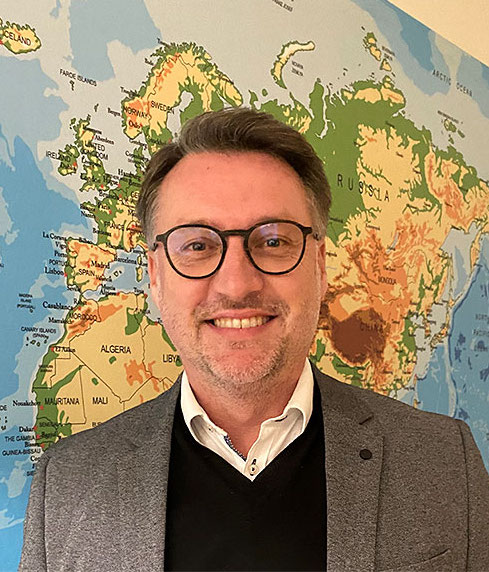
We asked Anora Group Global Travel Retail Director Bo Madsen for his take on the importance of having a greater focus on sustainability and sustainable spirits brands in the travel retail channel.
The Moodie Davitt Report: Why do you think a more sustainable approach – such as that you have outlined with your high-profile campaign on The Moodie Davitt Report for World Earth Day – is important for a spirits company?
Bo Madsen: Whether people like it or not – and we like it – sustainability has become an important factor for every business, not least in the consumer goods sector.
I think as a spirit company and producer, we have a responsibility to focus not only on how and what we produce, but also advocate for a responsible drinking culture, which to me is an important part of having a sustainability focus.
Would you agree that a high proportion of younger consumers of alcohol drinking age that travel through airports are actively looking for more sustainable brands? How are you targeting these potential consumers?
In general, the younger generation definitely take the topic of sustainability and being environmentally conscious far more seriously than the generations that came before. But sustainability is still a complex topic for any consumer. The big challenge here is to get the consumer to fully understand the benefits of choosing a sustainable product, even though sometimes price points can be a bit higher.
We are therefore glad to see that more of our travel retailer customers are starting to highlight more environmentally-friendly products and dedicate space to help the consumer to make a sustainable choice, should they wish to.
It’s crucial for us to communicate in travel retail environments – and also pre-travel via digital methods – in a fast and engaging yet transparent, honest and relatable way as we are also very much aware of the younger generation’s attraction for authenticity.
In terms of gaining new listings in travel retail, do you see Anora’s strong focus on sustainability as an important point of difference versus other spirits brands?
I think a lot of great spirit brands and producers now have full focus on sustainability – so competition is fierce, but I do see Anora as having some unique propositions here, such as our early move to encourage the sustainable farming of our barley.
The company and my colleagues are super dedicated to being forerunners on sustainability and have that very much at the heart of our strategy. This will be a key commercial winning factor for us.
What are your goals for Anora and Koskenkorva in travel retail in 2023?
2023 is already proving to be the year we start to accelerate beyond the Nordics, with a focus on growth across Europe, as well as some specific areas within Asia and the Americas. We are scaling up in-store brand-building activations and continue to strengthen our position as one of the forerunners in sustainability among players in this channel.
Koskenkorva is clearly our flagship brand, the one which has the strongest global potential and continues to perform exceptionally well. But our focus is also on advancing the growth of other strong Anora brands in the channel, including Skagerrak gin, Larsen Cognac, Linie aquavit and Xanté liqueurs.